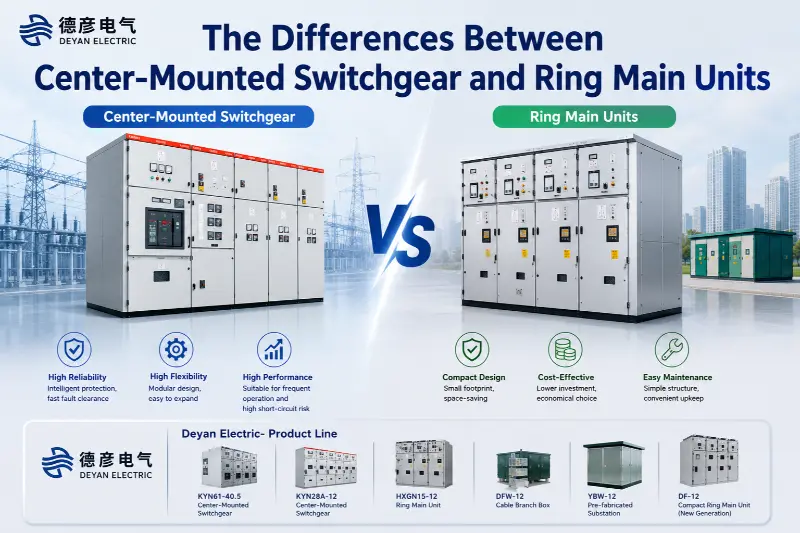
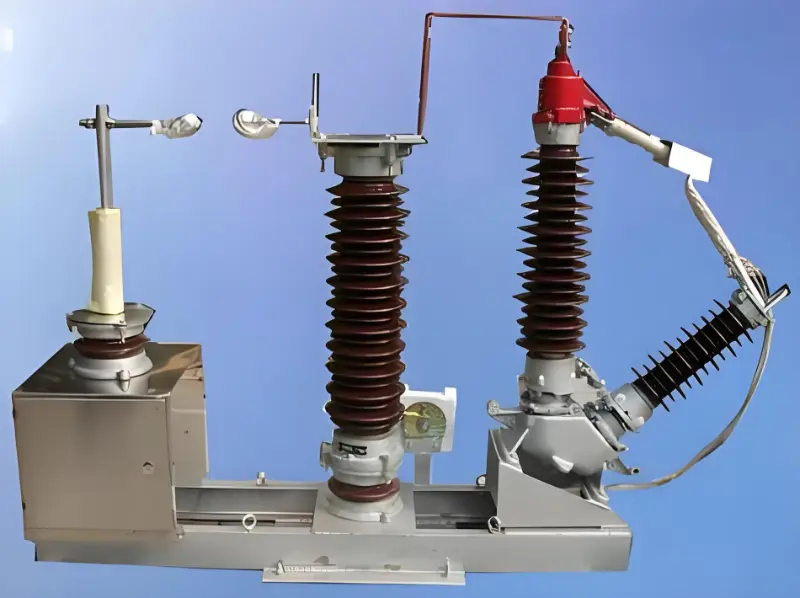
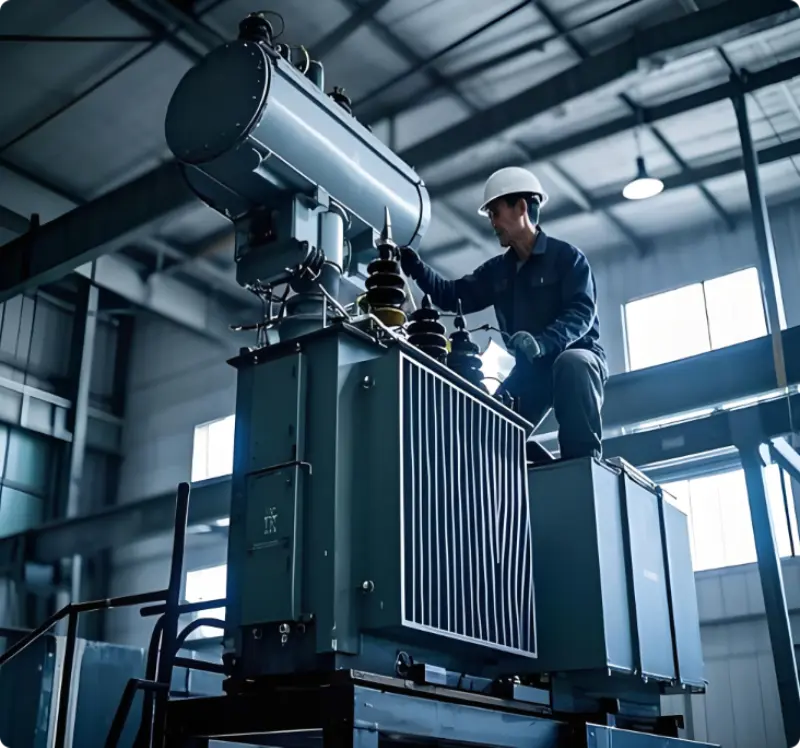
In modern power distribution systems, center-mounted switchgear and ring main units (RMUs) are two indispensable core components, hailed by the industry as the "Twin Stars" of power distribution.
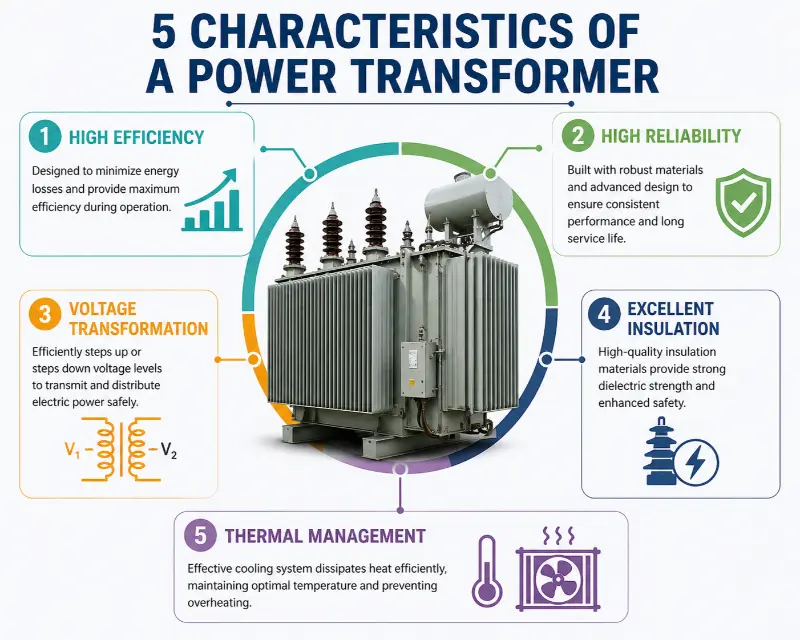
Power transformers are among the most critical components in large-scale electrical systems. Their proper selection, design, and maintenance directly impact the stability of the power supply , energy efficiency , and operational safety of the entire infrastructure.
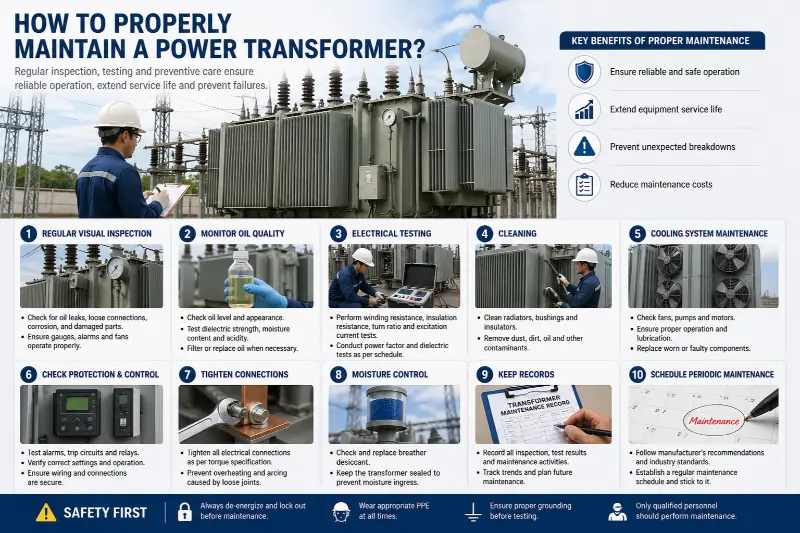
Power transformer maintenance is one of the most critical tasks in any demanding electrical system. These transformers represent a strategic investment and play a fundamental role in ensuring the continuity of the electrical supply ; therefore, their proper maintenance directly impacts the safety , energy efficiency , and lifespan of the entire installation.
Power transformers are designed to operate under high load and voltage levels for extended periods. In this context, heat is a major factor affecting their performance, efficiency, and lifespan. Therefore, cooling systems play a crucial role: they dissipate internally generated heat, ensuring safe, stable, and reliable operation.
In industrial and power electrical systems, proper neutral management is a key factor for the safety, stability, and operational continuity of the network. Without a well-defined neutral, a ground fault can become a critical event, capable of causing overvoltages, nuisance tripping of protective devices, or severe equipment damage.
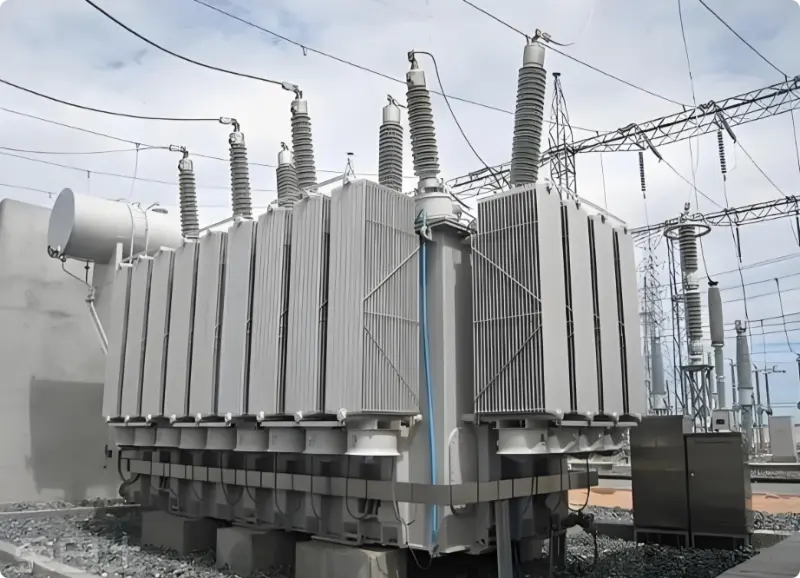
Power transformers are critical assets within any electrical system. Their failure can cause operational interruptions, significant economic losses, damage to other equipment, and even risks to personnel safety. For this reason, implementing proper risk management is essential to guarantee the reliability, operational continuity, and lifespan of this equipment.
We use cookies to offer you a better browsing experience, analyze site traffic and personalize content. By using this site, you agree to our use of cookies. Privacy Policy