Blog

How to properly maintain a power transformer?

2026-04-29 0 Leave me a message

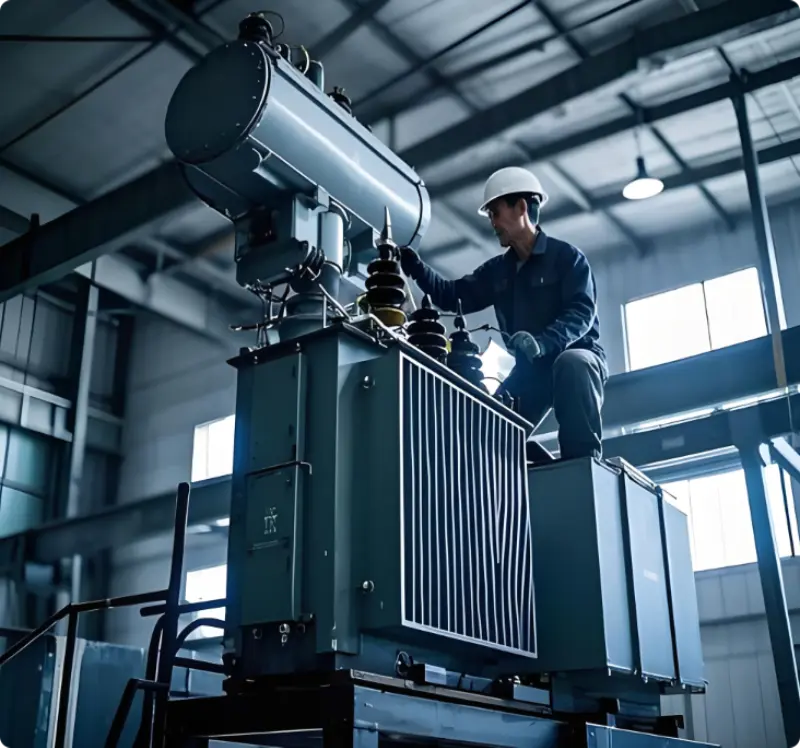
Power transformer maintenance is one of the most critical tasks in any demanding electrical system. These transformers represent a strategic investment and play a fundamental role in ensuring the continuity of the electrical supply ; therefore, their proper maintenance directly impacts the safety , energy efficiency , and lifespan of the entire installation.

Proper maintenance not only prevents failures, but also allows you to anticipate problems , reduce operating costs and avoid unscheduled downtime that can generate large economic losses.

In this technical guide we explain how to properly maintain a power transformer , what types exist, what tests are essential and what the best recommended practices are. 

Why is maintenance key in power transformers?

Power transformers operate continuously under high voltages, high currents, and demanding thermal conditions . Over time, these factors cause wear and tear on the insulating materials, dielectric oil, and internal components.

Proper maintenance allows:

• Detecting incipient failures before they worsen

• Extend the transformer's lifespan

• Maintain optimal levels of energy efficiency

• Reducing the risk of catastrophic failures

• Ensuring the reliability of the electrical system  In critical systems, a failure in a power transformer can cause massive service interruptions , damage to other equipment, and high replacement costs.

Types of maintenance in power transformers

Power transformer maintenance is generally classified as preventive, predictive, and corrective . Each plays a specific role within a comprehensive electrical asset management strategy.

Preventive maintenance

Preventive maintenance is performed on a scheduled basis, regardless of whether the transformer shows any visible faults. Its objective is to prevent component deterioration and keep the equipment within safe operating parameters. It includes visual inspections, temperature checks, oil level verification, and basic mechanical adjustments.

Predictive maintenance

Predictive maintenance is based on the analysis of data and measurements to anticipate potential failures . It allows intervention only when indicators show deviations from normal values. This type of maintenance is key in power transformers, as it optimizes costs and reduces unnecessary interventions.

Corrective maintenance

Corrective maintenance is performed when a failure or malfunction has already occurred. It may involve major repairs, component replacement, or even taking the transformer out of service. While unavoidable in some cases, relying exclusively on this type of maintenance increases operational risk.

Essential tests during maintenance

During the maintenance of a power transformer, there are fundamental technical tests that allow you to evaluate its actual condition and anticipate future problems.

Dielectric oil analysis

The oil serves as electrical insulation and a coolant . Its analysis allows us to detect:

• Moisture contamination

• Insulation degradation

• Presence of dissolved gases (DGA)  

This study is one of the most important for evaluating the internal health of the transformer.

Insulation tests

Insulation resistance tests allow verification of the condition of the transformer's insulating materials . A decrease in the values may indicate aging, moisture, or internal damage.

Transformation relationship

The turns ratio test confirms that the transformer maintains the correct ratio between primary and secondary voltage. Variations may indicate problems in the windings or internal connections. These tests, performed periodically, allow us to maintain a high level of operational reliability.

Frequency and planning of maintenance

The frequency of maintenance depends on multiple factors, such as:

• Transformer power and voltage level

• Operating conditions

• Average load and peak demand

• Environment (dust, humidity, temperature)

In general, the following is recommended:

• Periodic visual inspections

• Annual or semi-annual oil analysis

• Electrical tests according to equipment criticality  

Proper maintenance planning should be integrated within an electrical asset management plan, prioritizing the most critical transformers in the system.

Consequences of poor maintenance

Inadequate or nonexistent maintenance can have serious consequences , both technical and economic. Among the most frequent are:

• Unexpected transformer failures

• Increased energy losses

• Drastic reduction in lifespan

• Risks of fire or explosion

• Power outages  

Furthermore, the cost of a major failure is usually much higher than that of a well-executed preventive maintenance.

The importance of maintenance as a guarantee of reliability

Proper maintenance of a power transformer is not optional, but a technical and strategic necessity. A correct combination of preventive, predictive, and corrective maintenance ensures operational safety , optimizes costs, and protects the investment in the long term.

Having a specialized and experienced team in power transformers is key to ensuring reliable and sustainable results.

At DeYan Electric, we have the best transformers in China, designed to offer you high-quality, high-performance solutions. If you need a specific transformer or customized solutions for your electrical project, explore our product range and find what you're looking for. We also offer specialized services to ensure your equipment operates flawlessly. If you have any questions or need advice, please don't hesitate to contact us . We're here to help you optimize your electrical system and take it to the next level.


Related News
Leave me a message
X
We use cookies to offer you a better browsing experience, analyze site traffic and personalize content. By using this site, you agree to our use of cookies. Privacy Policy
RejectAccept