Blog

Why Data Centers Favor Dry-Type Transformers?

2026-09-29 0 Leave me a message

Selection Points and Capacity Estimation

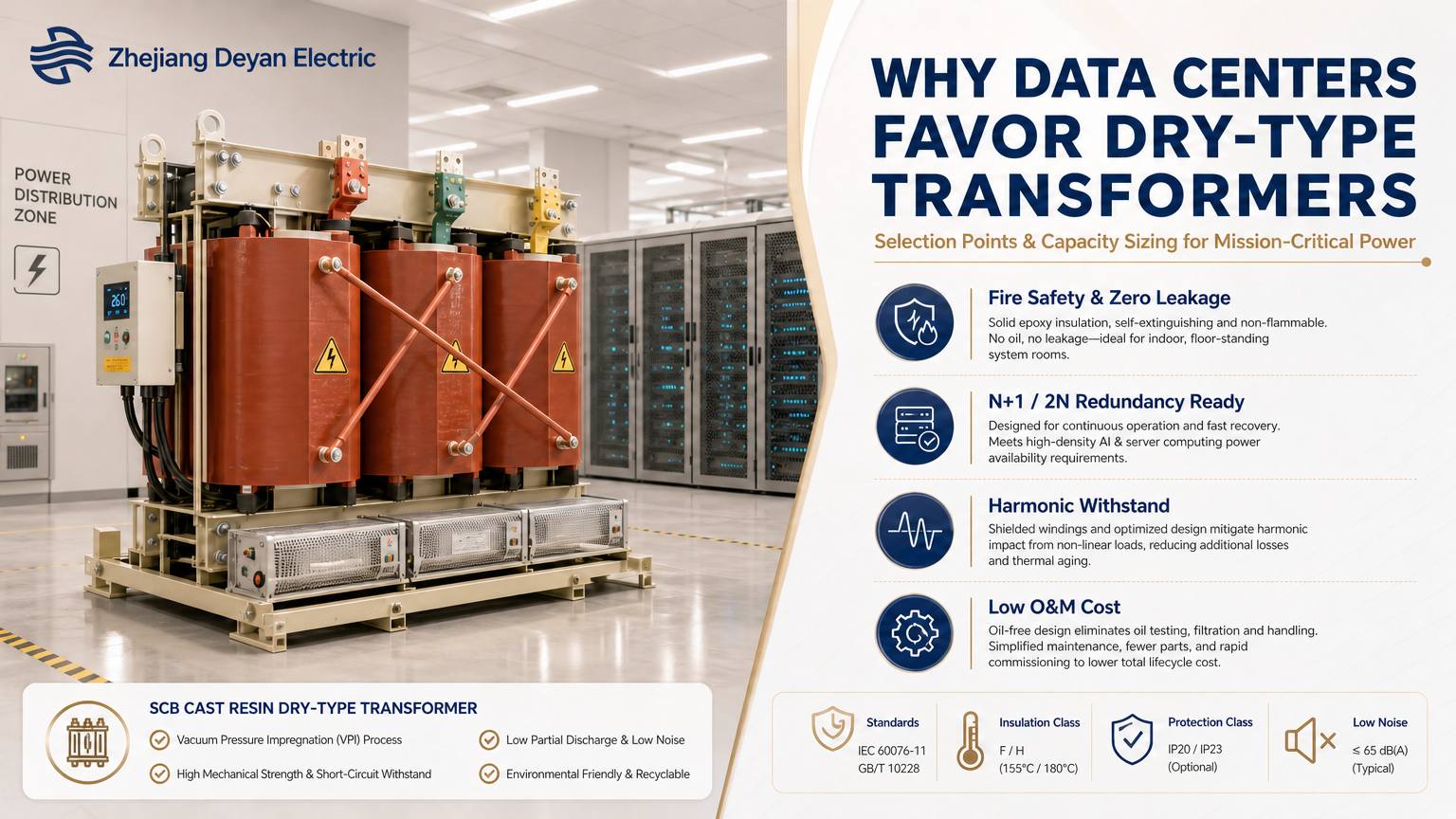
Data centers choose dry-type transformers not because dry types are cheaper, but because oil-immersed transformers simply cannot be installed in most data centers — and they would never pass fire inspection. Dry-type transformers contain no flammable insulating liquid and carry no leakage risk, so they can be placed directly in a floor distribution room or even next to the equipment room. The real difficulty is not “dry type or oil type”, but how to calculate the capacity, how much temperature-rise margin to allow, how to deal with harmonics, and how the transformer and switchgear should work together.

Three Hard Constraints, All of Them Engineering Conditions Rather Than Preferences

1. Fire Prevention and Fire Inspection

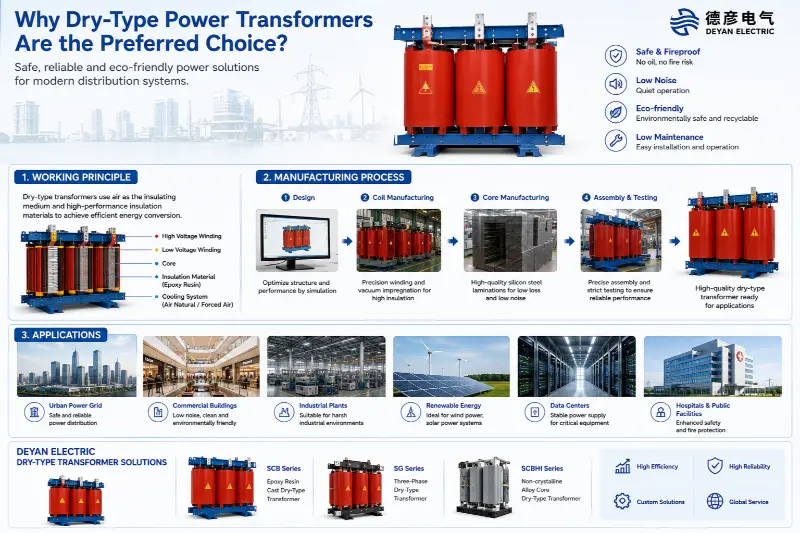
The oil-immersed type contains a flammable insulating liquid inside; a fault may cause oil ejection and fire, and it usually requires a dedicated transformer room, fire walls, an oil storage pit or oil drainage facilities, and must satisfy fire separation distances. Dry-type transformers use solid insulation — epoxy resin casting or vacuum pressure impregnation (VPI) — contain no flammable liquid, have a significantly lower fire load, and can be installed close to the load center.

2. Installation Position and Transport

The core loads of a data center are upstairs, inside the equipment room. Oil-immersed units are constrained by oil weight, oil storage facilities and hoisting conditions, making them very difficult to arrange within a floor; dry-type units are lighter and can be moved into a building in sections, so they can be placed directly into the distribution room.

3. O&M Cost

Oil-immersed units require regular dissolved gas analysis and inspection of oil level and leakage; dry-type units are essentially free of oil-related maintenance and only need attention to temperature control, fans and cleanliness.

Three Main Application Points of Dry-Type Transformers in Data Centers

Dry-type transformers are mainly applied in three scenarios in data centers:

  • Medium-voltage incoming side main step-down: Carrying the whole site load, with the largest capacity, usually configured as 2N or N+1.
  • UPS front end and floor distribution: Small capacity per unit but large quantity, requiring stable operation and compact installation.
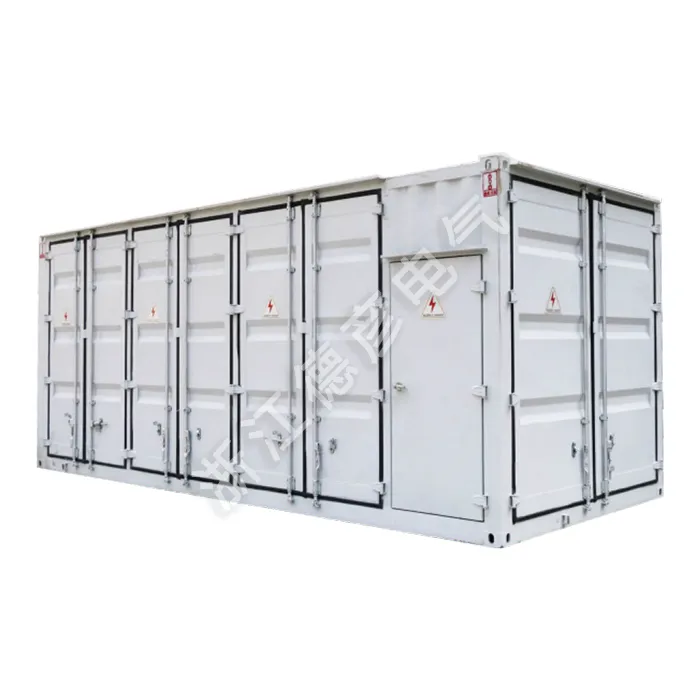
  • Prefabricated skids and modular data centers: External dimensions directly determine enclosure size, so transformer selection must be synchronized with the overall structure.

Division of Roles Between Dry-Type and Oil-Immersed Transformers

Comparison Dimension Dry-Type Transformer Oil-Immersed Transformer
Insulation Medium Epoxy cast / VPI solid insulation Mineral oil and other flammable liquids
Installation Position Indoor, on floors, next to the equipment room Dedicated transformer room or outdoors
Fire Safety Requirements Low; usually no oil storage or oil drainage facilities required High; requires fire walls, oil storage pit and fire separation distances
Role in Data Centers MV incoming step-down, floor distribution, UPS front end Campus-level main step-down or outdoor main transformer

Key Selection Points for Data Center Dry-Type Transformers

Transformer selection for a data center cannot be based on capacity alone; it must be judged comprehensively against load level, redundancy architecture, operating environment and certification standards.

Load Redundancy and N+1 / 2N Architecture

The mainstream power supply architecture for data centers is N+1 or 2N redundancy. A transformer cannot be sized directly against the full server load; redundancy must always be reserved. For example: if the total IT load requires 2000 kVA and an N+1 architecture is adopted, three 1000 kVA transformers would be configured, so that if any one fails, the remaining two can carry the entire load and keep computing running without interruption.

Insulation Type: Epoxy Cast Dry-Type Transformers Are the First Choice

Almost all data centers use epoxy cast dry-type transformers. The windings are sealed in epoxy resin, making them moisture-proof, contamination-proof and resistant to short-circuit impact. Compared with open-type dry transformers, they are more resistant to environmental interference and are well suited to prefabricated skid scenarios.

Temperature-Rise and Impedance Voltage Parameters

  • Temperature-rise class: F class (155 ℃) and H class (180 ℃) are commonly used; data centers prefer H class for its stronger overload capability.
  • Impedance voltage: Normally 4%–6%; the impedance value affects the short-circuit current and must be matched with the upstream switchgear protection devices, so that short-circuit impact does not damage sensitive IT loads.

Cooling Method: AF/AN

AN natural air cooling suits normal loads; AF forced air cooling can boost capacity for a short period (typically by 30%–50%) to handle the short-term overload caused by computing expansion — a capability data centers value highly.

Certification and Compliance

For overseas projects, the IEC standards must be confirmed and CE certification provided; some regions require additional test reports. Attention should also be paid to the ingress protection rating IP20/IP30 — IP30 is recommended for enclosures with heavy dust.

Harmonic Withstand Capability

Servers and UPS systems are non-linear loads and generate substantial harmonics. During selection, attention should be paid to the transformer's harmonic withstand capability; derated designs or products with shielding windings can be chosen to reduce harmonic heating and prevent abnormal temperature rise and ageing of the transformer.

Capacity Estimation Method for Data Center Dry-Type Transformers

Capacity estimation is the basis for preliminary project quotations and scheme design; when dealing with EPC customers in foreign trade, this logic can be used for quick calculations.

Basic formula:
Transformer rated capacity (kVA) = Total calculated active power (kW) ÷ Power factor ÷ Coincidence factor

Estimation Steps

  1. Add up the total power consumption of IT equipment + auxiliary room loads (air conditioning, lighting, fire protection, etc.) to obtain the total active power.
  2. The load power factor for data centers is generally taken as 0.9.
  3. Coincidence factor: servers do not all run at full load simultaneously, generally taken as 0.8–0.9.
  4. Reserve redundancy: reserve additional redundant capacity according to the N+1/2N architecture.
  5. Derating considerations: in high-temperature and high-altitude scenarios, dry-type transformers must be derated, so leave margin in the capacity estimate.

Note: Capacity estimation is only a preliminary reference for the scheme; the final model must be confirmed by the design institute taking into account short-circuit current, harmonics and local electrical codes.

Conclusion

Data centers favor dry-type transformers because the choice is fundamentally about safety first, simplified O&M and suitability for prefabricated skid integration. Against the backdrop of an explosion in AI computing projects, overseas EPC procurement is no longer focused on price alone — redundancy design, harmonic withstand capability, environmental adaptability and IEC/CE certification matter more. Capacity estimation must combine the IT load, coincidence factor and redundancy architecture; for data center projects in the Middle East and Southeast Asia, the derating caused by high-temperature, high-dust environments must also be taken into account.

About Zhejiang Deyan Electric Co., Ltd.

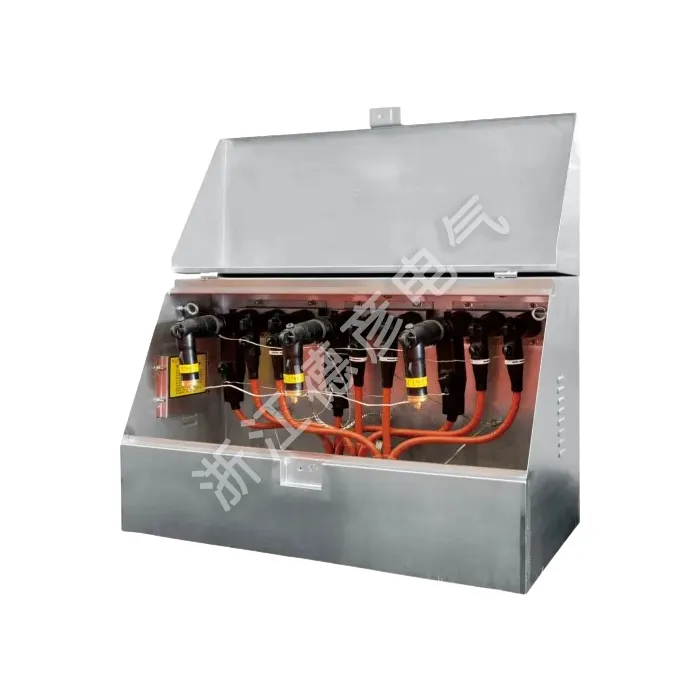
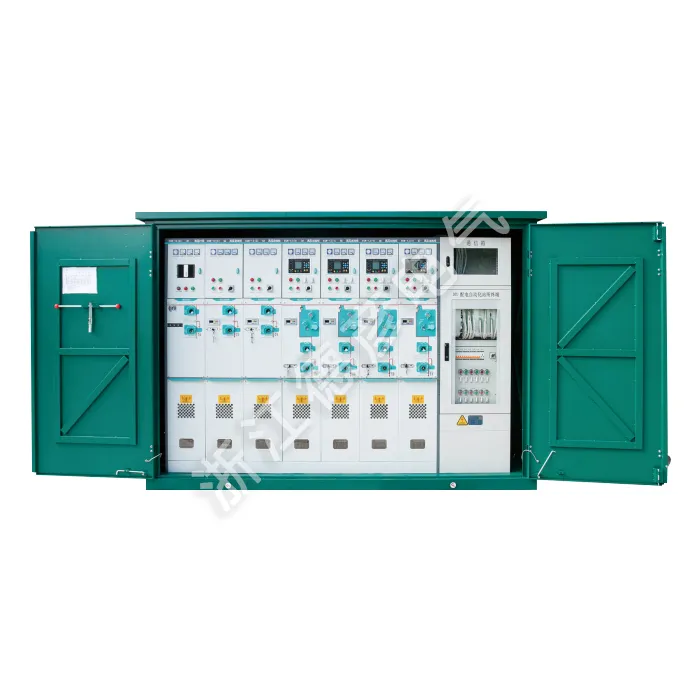
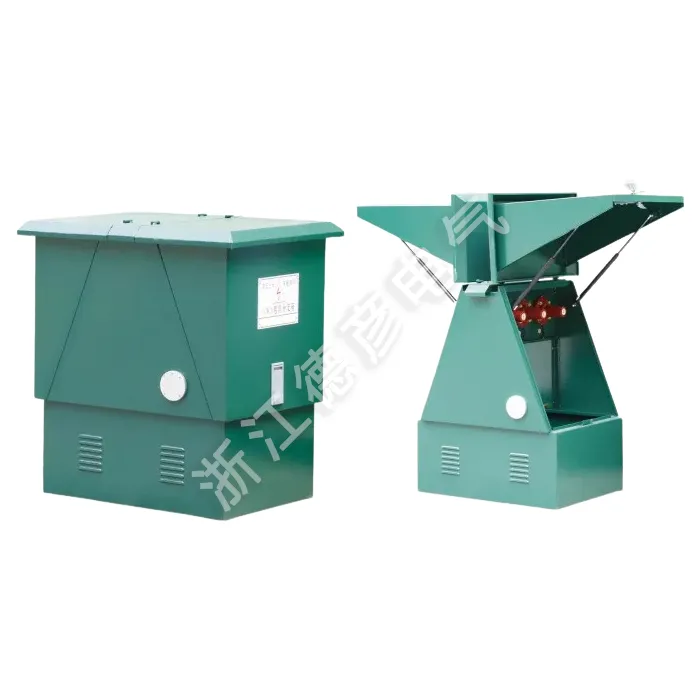
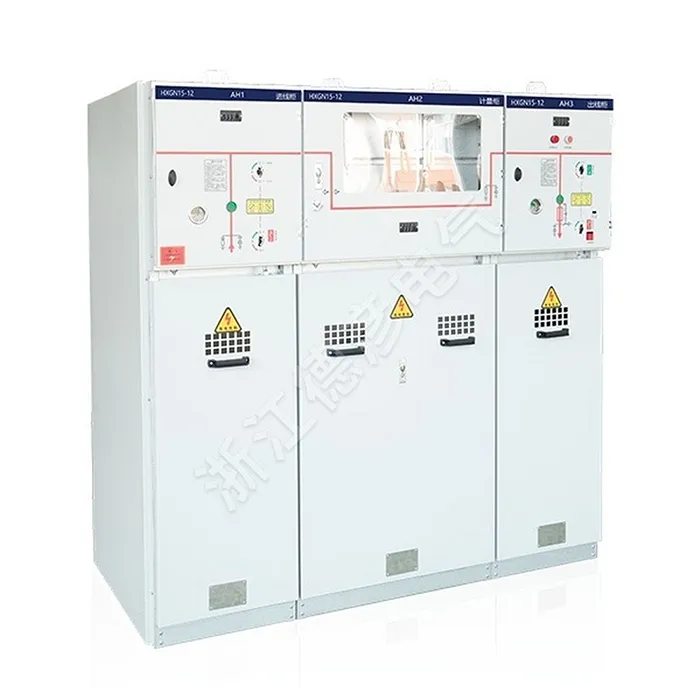
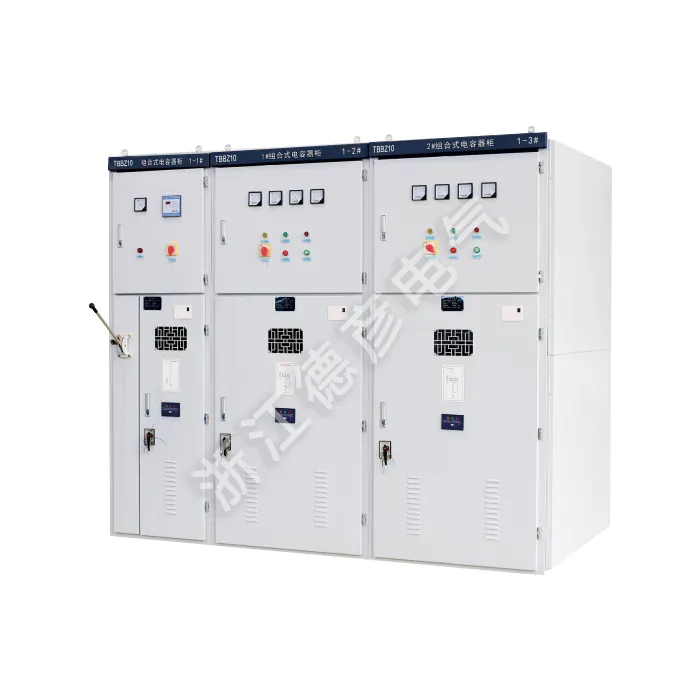
Zhejiang Deyan Electric Co., Ltd. is located in Yueqing, Zhejiang, the “Capital of China's Electrical Appliances”, and its products cover high-voltage switchgear, ring main units, gas-insulated switchgear, box-type substations and photovoltaic grid-connection cabinets. If your data center project needs packaged selection support and capacity calculation for dry-type transformers together with switchgear, ring main units and box-type substations, send us your single-line diagram and IT load list, and we will provide selection recommendations and a delivery assessment.

Related News
Leave me a message
X
We use cookies to offer you a better browsing experience, analyze site traffic and personalize content. By using this site, you agree to our use of cookies. Privacy Policy
RejectAccept