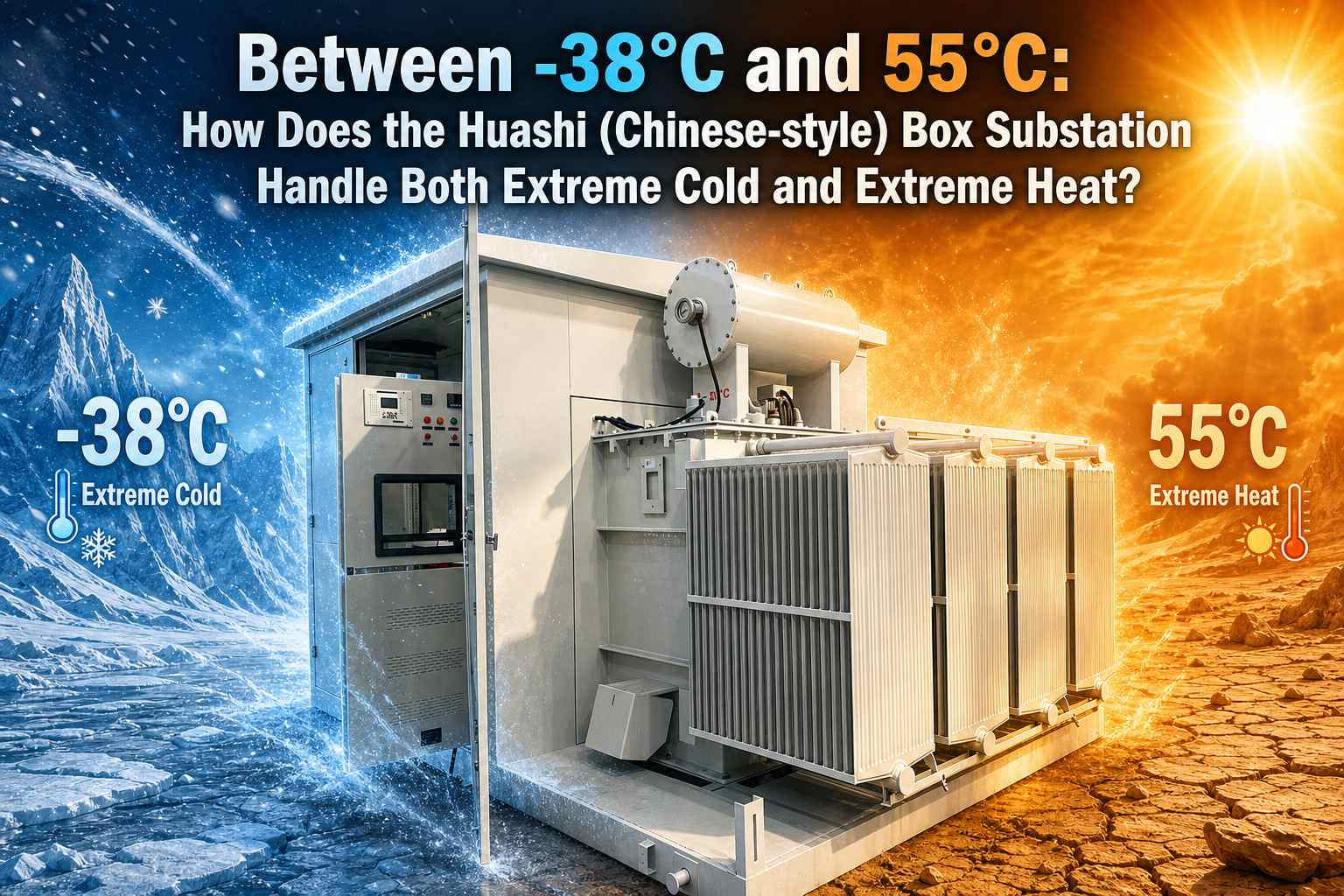
In overseas new energy project sites such as the Central Asian gobi, the Russian Far East, and African deserts, equipment faces enormous temperature differentials year-round: winter temperatures drop to -38°C, while summer surface temperatures rise to 55°C. Under such conditions, conventional box substations are highly prone to failures including low-temperature oil solidification, switch mechanism jamming, high-temperature overload tripping, and accelerated insulation aging—directly affecting continuous power generation of photovoltaic and wind power stations. Zhejiang Deyan Electric Co., Ltd. has optimized and upgraded its Chinese-style box substation for complex overseas operating conditions, achieving stable and continuous operation across a wide temperature range of -38°C to 55°C, providing reliable prefabricated power distribution solutions for global EPC contractors and new energy station customers.
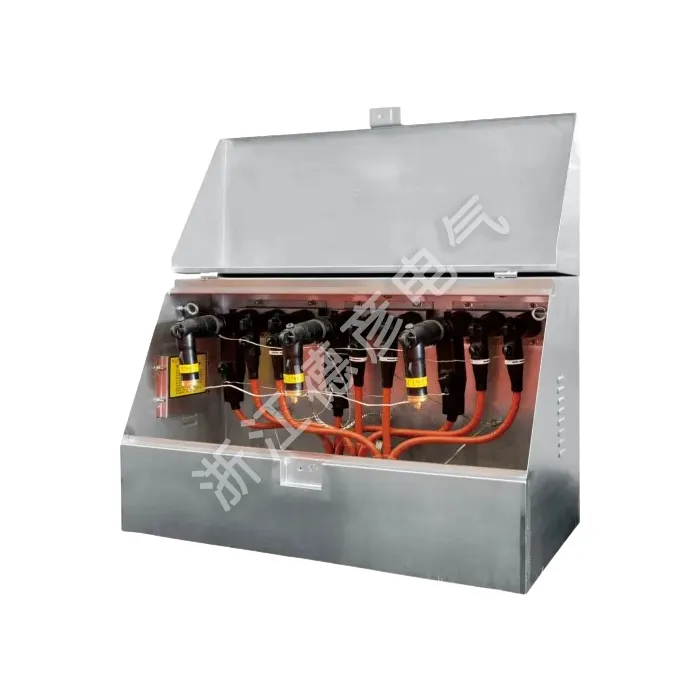
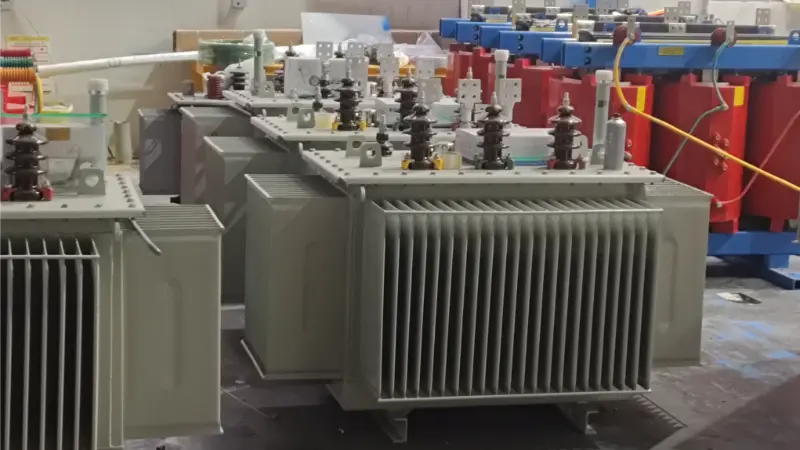
What distinguishes the Chinese-style box substation from traditional European-style box substations is its core feature: the transformer body is externally mounted, with heat sinks directly exposed to the air, relying on natural ventilation to dissipate heat. This gives it inherently excellent heat dissipation potential, which is the fundamental advantage for adapting to high-temperature scenarios. Building on this structural foundation, Deyan Electric has carried out specialized customized designs targeting the two major pain points of extreme cold and extreme heat, resolving the equipment operation challenges caused by massive temperature differentials in one go.
High-Temperature 55°C Operating Conditions: Enhanced Heat Dissipation, No High-Temperature Tripping
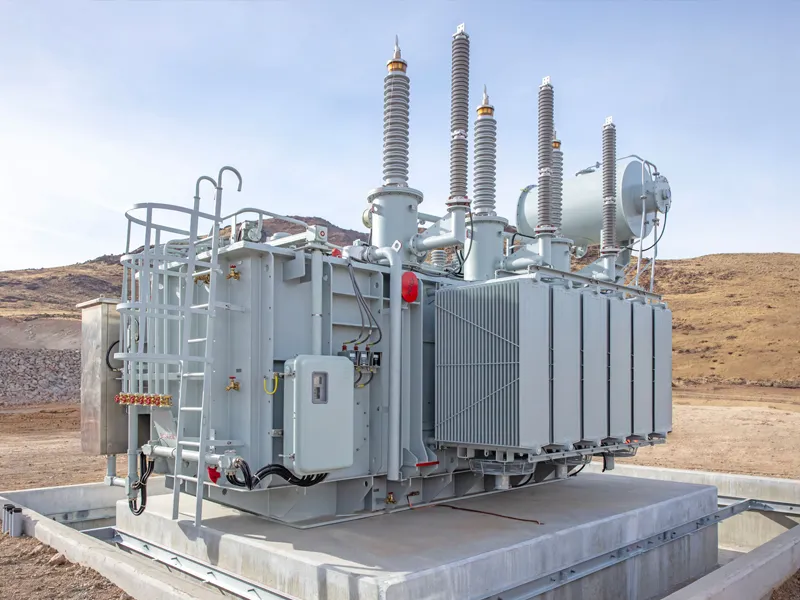
In Middle Eastern and African desert projects, ambient temperatures can reach as high as 55°C. Solar radiation combined with transformer heat generation makes conventional box substations highly susceptible to overtemperature protection and derated operation. The Deyan Chinese-style box substation adopts an externally mounted open-type radiator structure, making full use of natural convection cooling and reducing dependence on vulnerable components such as fans.
The enclosure shell uses UV-resistant fluorocarbon-coated weather-resistant steel plate to resist intense solar radiation and reduce internal heat accumulation. The high-voltage and low-voltage compartments are equipped with an intelligent temperature-controlled exhaust system that automatically activates forced ventilation when temperatures reach a set threshold, combined with dust filter screens to balance heat dissipation and sand prevention. All internal components are high-temperature industrial-grade parts, and insulation materials have ample temperature rise margin reserved, maintaining stable rated capacity output at 55°C and preventing station shutdowns caused by substation overheating.
When ambient temperatures drop to -38°C, conventional transformer oil viscosity rises sharply and may even precipitate wax. Switch seals become brittle at low temperatures, and control cabinets experience condensation and freezing, making it impossible for equipment to close.
For high-cold projects, Deyan selects low-pour-point naphthenic transformer oil, which maintains good fluidity at low temperatures. The high-voltage and low-voltage compartments of the box substation are equipped with an integrated intelligent heating + anti-condensation dehumidification module that automatically activates heating when temperatures fall below a set value, maintaining the operating temperature of control and protection circuits.
The enclosure seal uses low-temperature-resistant silicone rubber sealing strips to prevent low-temperature hardening and cracking, and to prevent moisture, ice, and snow intrusion. The shell structure has undergone low-temperature impact verification, with no risk of brittle fracture in extreme cold environments, ensuring smooth commissioning at -38°C and adapting to wind power and photovoltaic projects in Central Asia and Siberia.
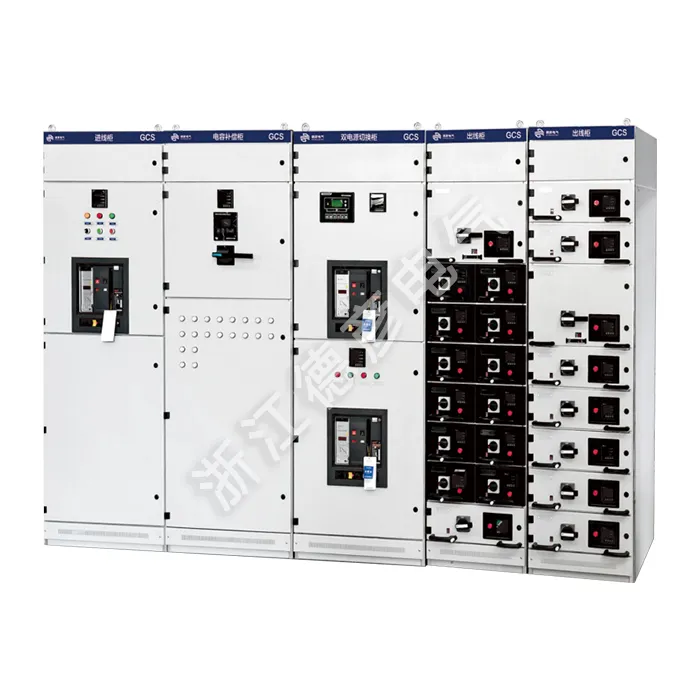
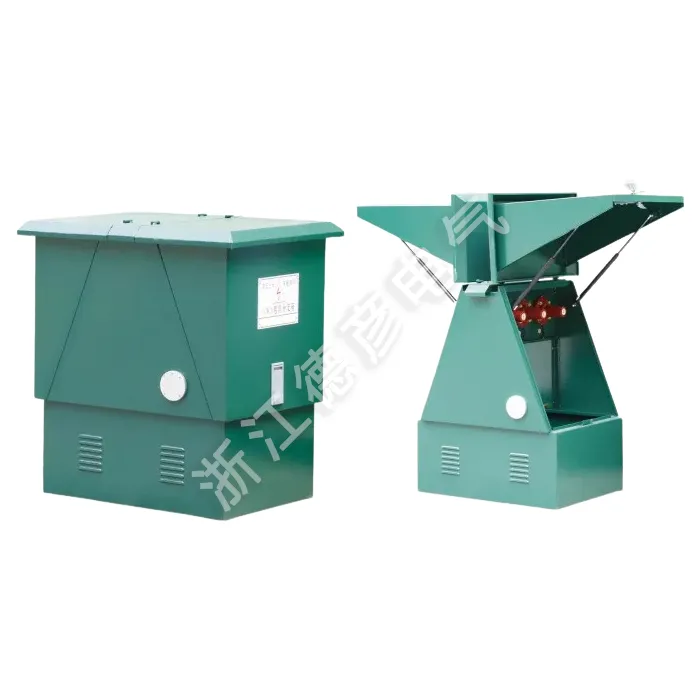
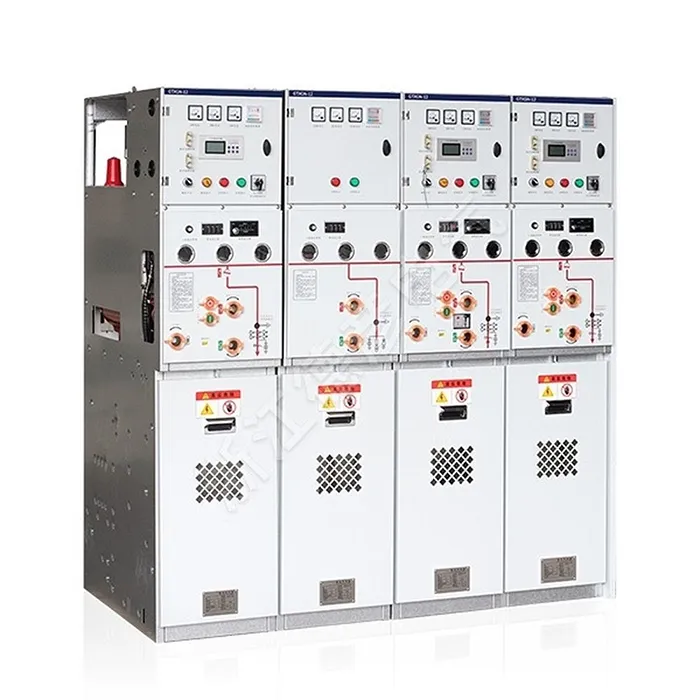
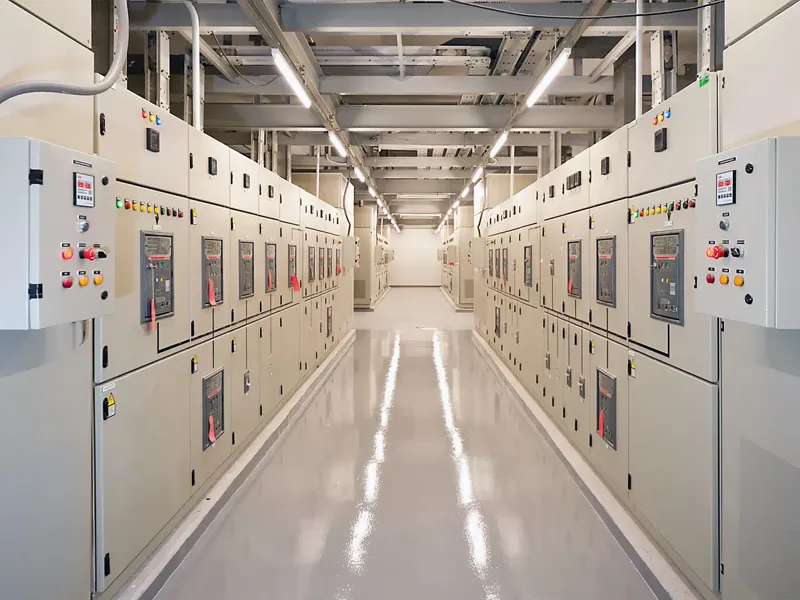
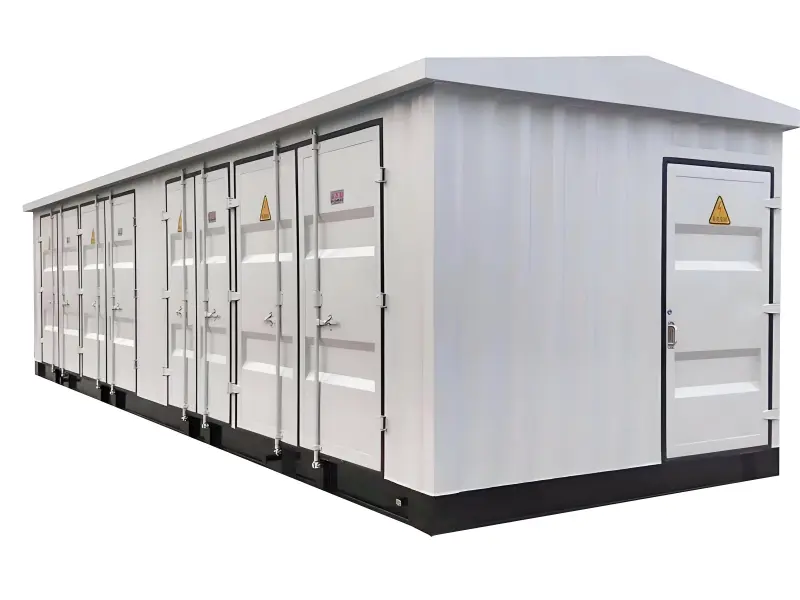
The Zhejiang Deyan Electric Chinese-style box substation integrates a high-voltage compartment, low-voltage compartment, and externally mounted oil-immersed transformer. It features a compact structure and smaller footprint, facilitating on-site lifting and rapid installation.
It supports mainstream voltage levels of 10kV/35kV and can be adapted for overseas projects including photovoltaic step-up, wind power, and mining power distribution. It can be manufactured according to IEC international standards and comes with CE, RoHS, and other related certifications, meeting the compliance requirements of overseas owners and EPC contractors.
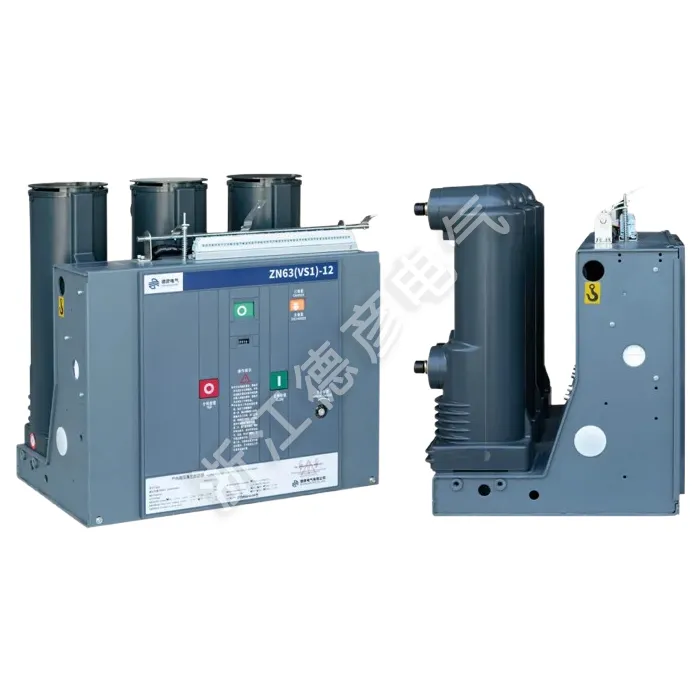
In addition to wide-temperature design, the enclosure is available in IP54/IP55 protection ratings and supports anti-sandstorm and salt-spray corrosion customization, accommodating composite harsh environments such as plateaus, sandstorms, and coastal areas. The complete unit features comprehensive mechanical interlocking, surge arresters, pressure relief, and gas protection configurations, with convenient operation and maintenance. Maintenance of a single unit does not affect the operation of other units, significantly reducing station O&M costs.
Conclusion
From the -38°C extreme cold snowfields to the 55°C scorching deserts, extreme temperature differentials are no longer an obstacle for overseas new energy projects. The Zhejiang Deyan Electric Chinese-style box substation, relying on its unique structural design and wide-temperature-range customization technology, achieves stable operation in both high and low temperature environments, providing cost-effective prefabricated substation solutions for global power distribution and new energy projects.
If you are looking for a Chinese-style box substation capable of adapting to extreme climates, you are welcome to contact Zhejiang Deyan Electric for project technical solutions and quotations.
We use cookies to offer you a better browsing experience, analyze site traffic and personalize content. By using this site, you agree to our use of cookies. Privacy Policy