Transformers are core power conversion devices in power systems. Their core function revolves around voltage transformation, while also incorporating derivative functions such as power transmission, isolation, and voltage stabilization. Essentially, they utilize the principle of electromagnetic induction to achieve contactless conversion of AC power, ensuring efficient matching of power across generation, transmission, distribution, and consumption. The following is a breakdown of their specific functions (including technical principles and application scenarios):
I. Core Function: Voltage Transformation (Most Core Application)
1. Voltage Boosting Function (Generation → Transmission)
Function Description: Boosts the low-voltage power output from power plants (e.g., 6kV/10kV) to high-voltage power (e.g., 110kV/220kV/500kV), reducing line losses during transmission and achieving efficient long-distance power transmission.
Technical Principle: According to the law of electromagnetic induction, when the number of turns in the primary winding of a transformer N₁ < the number of turns in the secondary winding N₂, the secondary voltage U₂ > the primary voltage U₁ (U₁/U₂ = N₁/N₂). Voltage boosting is achieved by increasing the number of turns in the secondary winding.
Key Value: Transmission power P = UI (approximately constant). As voltage increases, current I decreases, and line losses P_loss = I²R (where R is the line resistance). Therefore, voltage boosting significantly reduces losses (e.g., from 10kV to 220kV, current drops to 1/22, and losses drop to 1/484).
Application Scenarios: Step-up substations in thermal power plants, hydropower stations, and wind farms, where generator power is boosted and connected to the national power grid.
2. Voltage Step-Down Function (Transmission → Distribution → Consumption)
Function Description: Steps down the high-voltage power transmitted from the grid to a usable voltage level for users, adapting to different power consumption scenarios.
Technical Principle: When the number of turns in the primary winding N₁ > the number of turns in the secondary winding N₂, the secondary voltage U₂ < the primary voltage U₁. Voltage reduction is achieved by reducing the number of turns in the secondary winding.
Special Equipment: 380V → 220V/110V/24V (Dedicated Transformer), suitable for precision instruments and medical equipment.
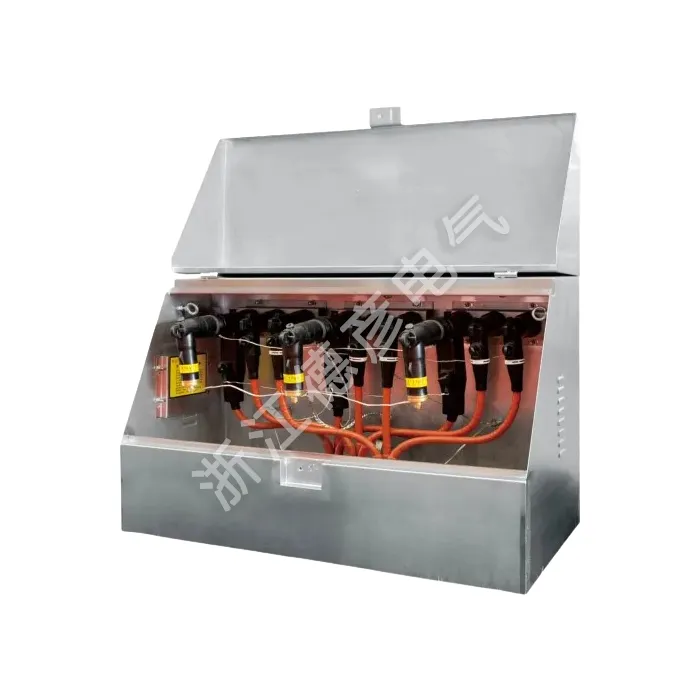
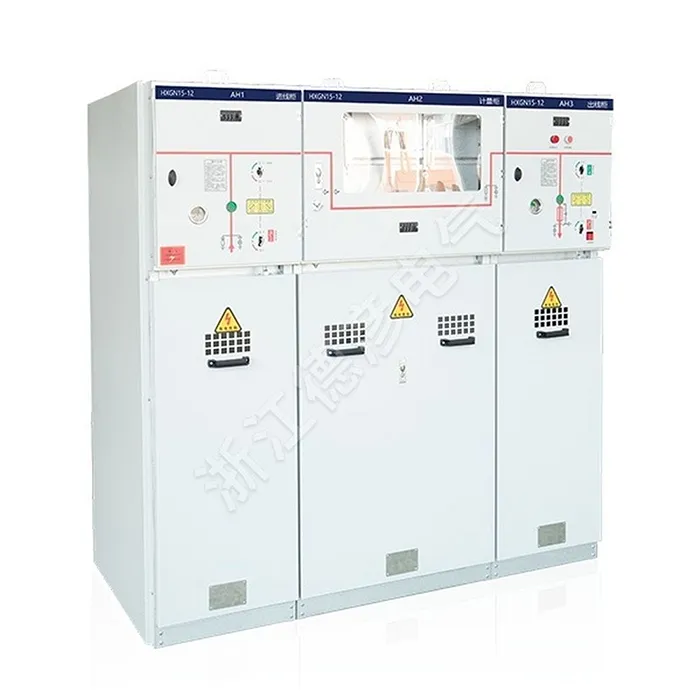
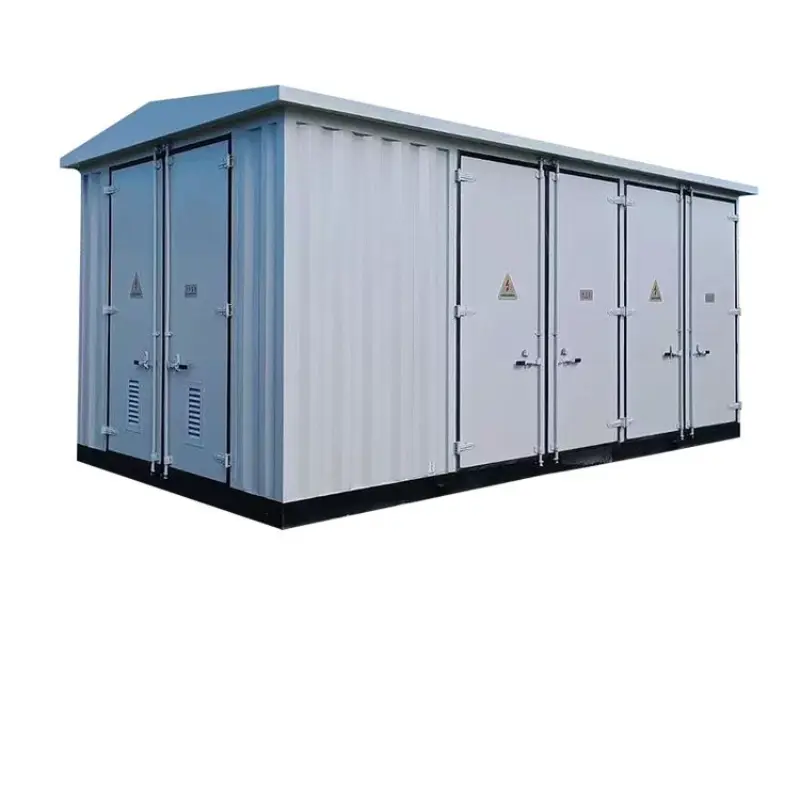
Typical application: Box-type transformers in community power distribution rooms step down 10kV high voltage to 380V three-phase and 220V single-phase power to supply residents' air conditioners, water heaters, lights and other equipment.
We use cookies to offer you a better browsing experience, analyze site traffic and personalize content. By using this site, you agree to our use of cookies. Privacy Policy