Blog

European vs American Package Substation Which One Fits Your Project?

2026-10-27 0 Leave me a message

In the procurement and selection of box-type (package) substations, the first fork in the road most buyers encounter is choosing between European-type and American-type package substations. Although both are called "box substations," they follow two entirely different routes in terms of structural logic, protection methods, applicable scenarios, and even the standard systems of their target markets. Choose right, and your project lands and runs smoothly; choose wrong, and later-stage maintenance and capacity expansion both turn into trouble.

As a box substation manufacturer rooted in Zhejiang, Deyan Electric frequently receives overseas inquiries asking "European or American" in our daily export communications. Today's article breaks down these two products clearly from the two dimensions of engineering practice and export compliance.

1. Origin Determines Structure: One Is Like a “House,” the Other Like a “Tank with a Box Hanging on It”

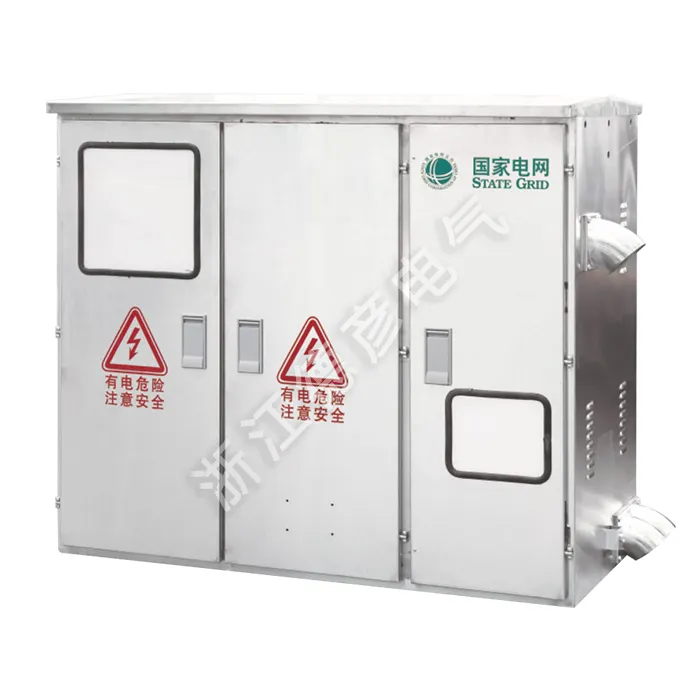
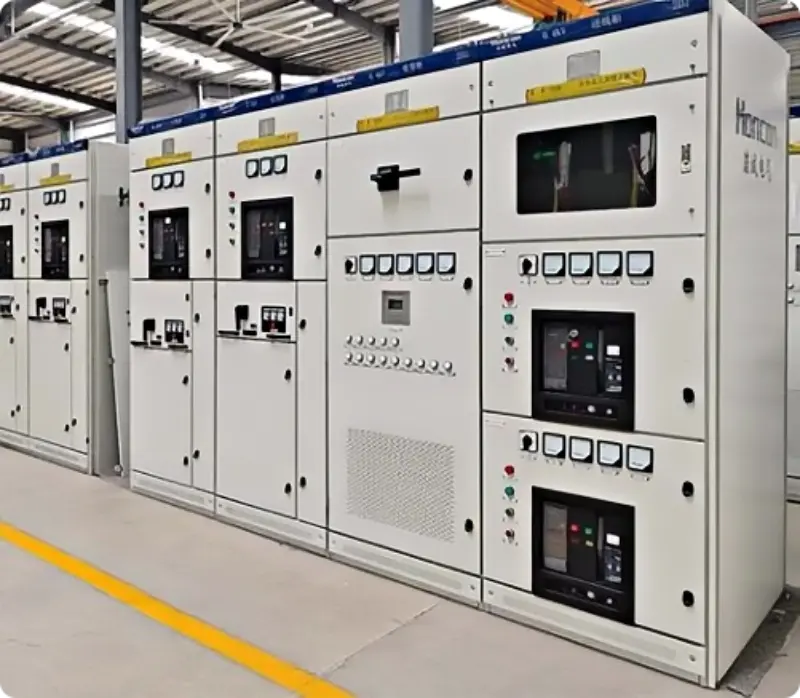
The European-type package substation originated in Europe. Its core concept is to install the high-voltage switchgear, the transformer, and the low-voltage distribution equipment into separate compartments within one metal enclosure. Figuratively speaking, it builds a "house" over conventional electrical equipment. The HV compartment, the transformer room, and the LV compartment are usually laid out in a vertical "目" (three-block) or triangular "品" pattern, with each functional unit isolated from the others so that maintenance of one does not disturb the rest.

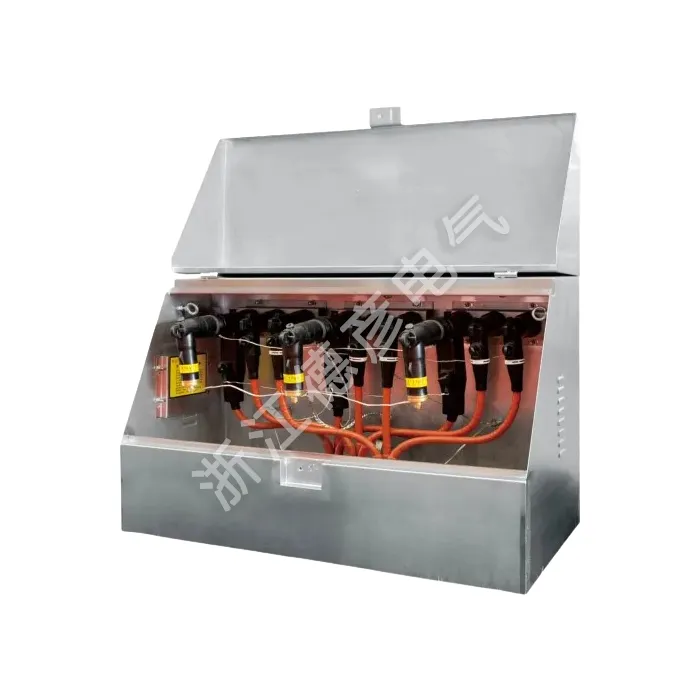
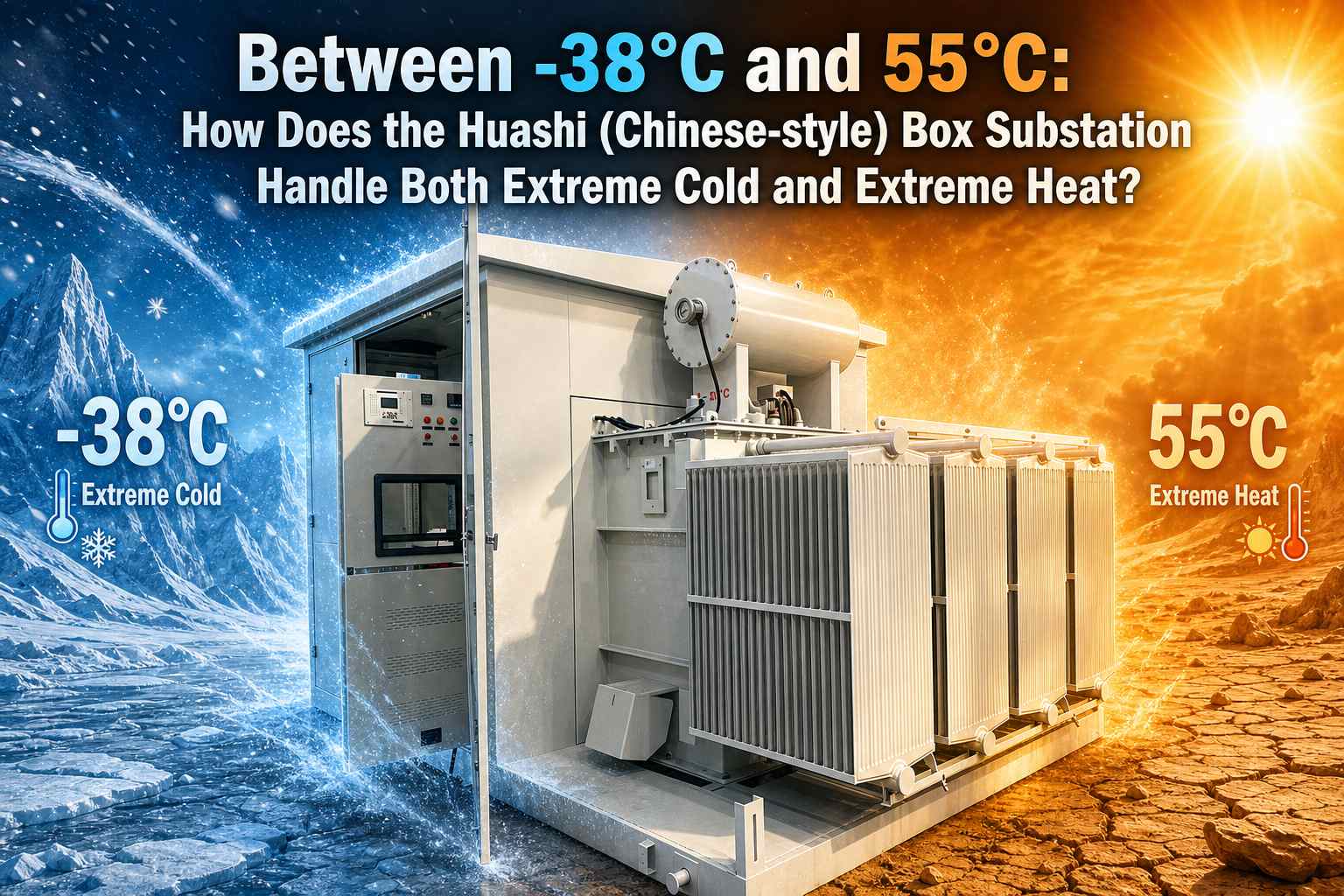
The American-type package substation took a different route. It originates from the American ANSI standard system. Its core feature is placing the HV load-break switch and the fuse directly into the transformer oil tank, sharing a single chamber with the transformer body, while the low-voltage distribution part is arranged around the tank. The transformer tank itself forms part of the substation enclosure, making the structure extremely compact—typically only 1/5 to 1/3 the volume of a European-type substation of the same capacity, and the footprint can be reduced to about one quarter of a European type.

2. Key Differences at a Glance: From Protection Method to Expansion Convenience

Comparison Dimension

European-Type Substation

American-Type Substation

HV protection

Load-break switch + current-limiting fuse, with a clear (visible) disconnection point

Fuse protection; load-break switch immersed in oil, no visible disconnection point

LV protection

Standard LV distribution cabinet as standard, complete protection

Original design has simpler LV protection; usually retrofitted after localization

Heat dissipation

Transformer inside a sealed enclosure; heat dissipation relatively limited

Tank and cooling fins directly exposed to air; good heat dissipation

Size & footprint

Larger; requires operating passage to be reserved

Extremely small; ideal for space-constrained sites

Expansion & extension

Compartment structure, flexible extension; automation devices can be added

Integrated structure; expansion requires complete replacement and rebuilding of civil works

Applicable scenarios

High-rise buildings, commercial centers, industrial zones, ports and other places with high reliability requirements

Multi-story residential, commercial areas, temporary power supply, and sites sensitive to footprint with relatively ordinary reliability requirements


The greatest advantage of the European type lies in flexibility and expandability. The compartment layout means distribution automation terminals and reactive power compensation devices can be added, and later expansion or retrofitting is easy. For export to markets with stringent requirements on continuity of supply, the European solution gives owners more confidence in operation-and-maintenance visibility and fault isolation.

The American type's core competitiveness is compactness and economy. In footprint-hungry urban distribution network retrofits or space-limited mining projects, the American type can complete distribution tasks with a minimal footprint. However, note that the American type has no visible disconnection point on the HV side, so maintenance is not as intuitive or convenient as the European type; moreover, when the fuse of one phase blows, there may be a risk of single-phasing (open-phase) operation, which relies on LV-side protection to coordinate and trip.

3. Selection Decision Checklist: Six Questions and You’ll Have Your Answer

1. What is the transformer capacity? — Above 800 kVA, lean directly toward European; above 1000 kVA, basically only European.

2. Do you need circuit-breaker protection or an automation interface on the HV side? — If yes, choose European; if only a load-break switch plus fuse is needed, American is enough.

3. Will you add outgoing circuits or replace the transformer within the next 3–5 years? — If yes, choose European.

4. What are the available length and width of the installation site? — If the European type cannot fit after allowing for safety clearances and operating passages, choose American.

5. Which type is your local O&M unit used to? Are spare parts easy to source? — If it is inconsistent with the local distribution network standard, later maintenance costs will erode the procurement savings.

6. What are the project certification and grid-connection requirements? — For export projects, confirm whether acceptance follows IEC 62271-202 or the target country's grid code (e.g., the North American IEEE/UL system); the switch and connector specifications of the two systems are not interchangeable.

4. Conclusion

There is no absolute "better" between European and American; there is only what matches better. Match your project type, match your operation-and-maintenance capability, and match your target market's standards. Zhejiang Deyan Electric Co., Ltd. supplies both European-type and American-type package substation solutions, and can carry out customized design and export-compliance adaptation according to IEC or ANSI system requirements. If you are selecting a package substation for an overseas project, feel free to bring your project parameters for a discussion—we will align the technical details and the certification path in one go, so that the equipment lands smoothly as soon as it reaches the port.

Related News
Leave me a message
X
We use cookies to offer you a better browsing experience, analyze site traffic and personalize content. By using this site, you agree to our use of cookies. Privacy Policy
RejectAccept