Transformer sizing looks like a single number — the kVA rating — but it is really a set of decisions about load, site conditions and future growth. Oversize and you pay for capacity you never use; undersize and the unit runs hot, ages faster and trips on overload. Zhejiang Deyan Electric Co., Ltd. (DEYAN ELECTRIC), which manufactures dry-type and oil-immersed transformers, sets out how to arrive at the right rating.
I. Start with the real load, not the connected load
The connected load is the sum of every rating on the nameplate. The load the transformer actually carries is lower, because not everything runs at once. Apply a demand (diversity) factor to the connected load to get the maximum demand the transformer must serve. Getting this factor right matters more than any other input: too generous and the transformer is oversized, too optimistic and it is overloaded from day one.
II. Convert the load to kVA
Transformer capacity is rated in kVA, so the load must be expressed the same way. For a three-phase system, kVA equals √3 multiplied by line voltage and line current. Where the load is given in kW, divide by the power factor to reach kVA — a load of 800 kW at 0.8 power factor needs 1,000 kVA before any allowance is added. Power factor correction can reduce the kVA a given kW demands.
III. Add spare capacity, but not too much
Some headroom is normal, because loads grow and starting currents are higher than running currents. A common practice is to allow roughly 20–30% above the calculated maximum demand. Beyond that, the extra capacity costs money and often runs at low load, where efficiency and power factor are poorer. If expansion is planned, sizing for the final stage — or specifying a unit that can be upgraded — is usually better than a large margin now.
IV. Adjust for site conditions
A transformer is rated at a reference ambient temperature and altitude. In a hot climate, above the reference ambient, the unit must be derated; at high altitude, thinner air reduces cooling and the rating drops again. Indoor dry-type units also depend on room ventilation, and enclosures can restrict airflow. These adjustments are not optional — a 1,000 kVA unit applied at 45°C ambient is not delivering 1,000 kVA.
V. Check the load profile and harmonics
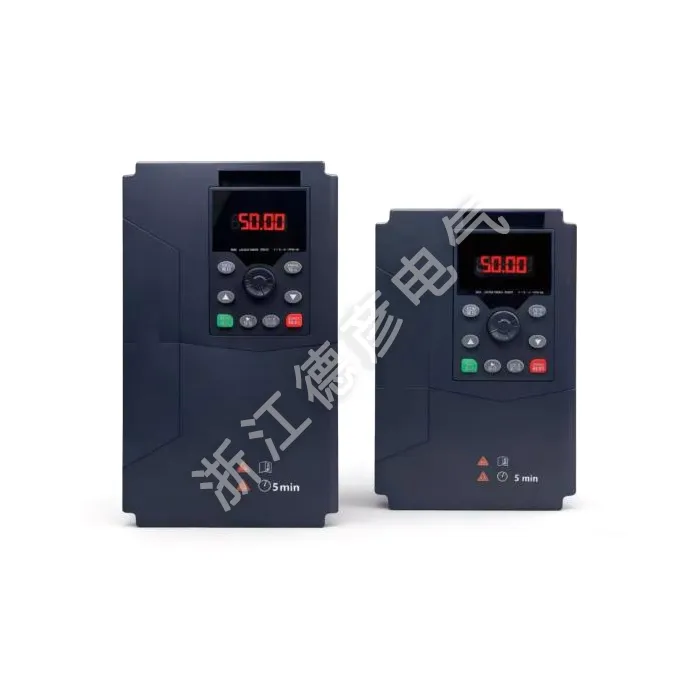
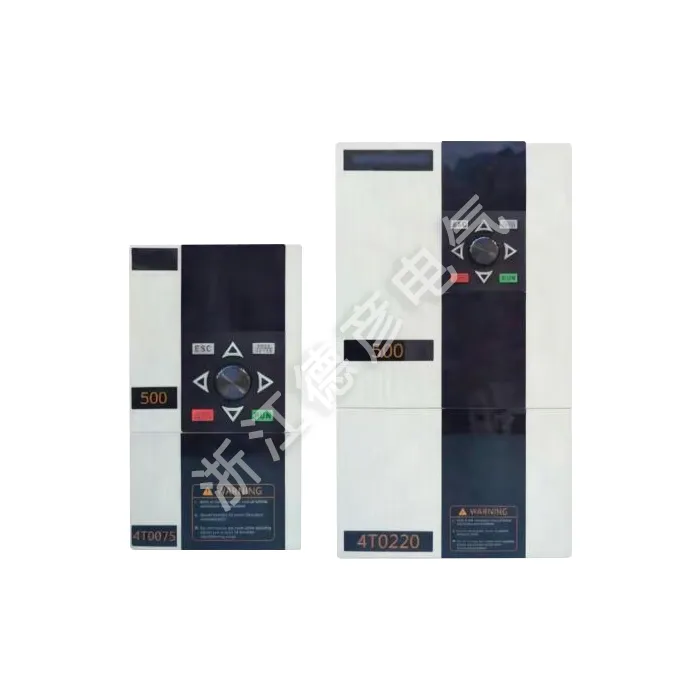
Two loads deserve special attention. Motor-heavy loads draw a starting current several times the running current, which causes voltage dips and thermal stress; the transformer must be sized for the starting duty, not just the running load. Non-linear loads — variable-frequency drives, UPS systems, LED lighting, data-centre equipment — inject harmonics that increase losses and heating, so the transformer may need a K-rating or additional derating.
VI. Confirm the full specification
The kVA rating is only one line on the datasheet. Confirm the voltage ratio and vector group, the short-circuit impedance (it affects fault level and voltage regulation), the cooling class, the tap range, the enclosure and IP rating, and the ambient and altitude basis. Then confirm the applicable standard — IEC 60076 for oil-immersed transformers and IEC 60076-11 for dry-type — and ask for the routine test reports. Deyan Electric manufactures both types and can size the unit against the project's load profile and site conditions.
About Zhejiang Deyan Electric Co., Ltd.
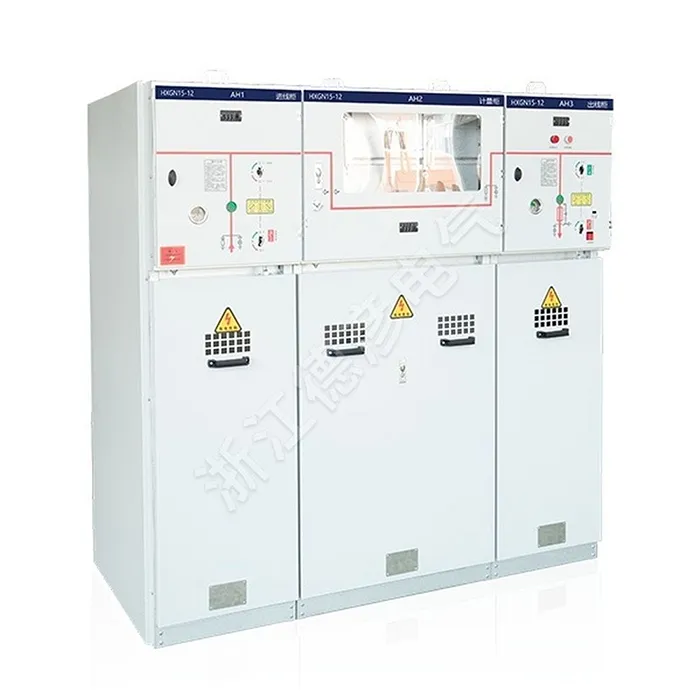
Zhejiang Deyan Electric Co., Ltd. is located at No. 60 Binhai South Second Road, Yueqing Economic Development Zone, Wenzhou City, Zhejiang Province. The company manufactures dry-type and oil-immersed transformers alongside high-voltage switchgear, GIS cabinets, ring main units, box-type and prefabricated cabin substations and cable branch boxes, working to the ISO9001 quality management system and to international standards such as IEC. To size a transformer for a project, please contact Deyan Electric.
We use cookies to offer you a better browsing experience, analyze site traffic and personalize content. By using this site, you agree to our use of cookies. Privacy Policy