With the rapid proliferation of new energy vehicles, “range anxiety” is gradually being replaced by “charging anxiety.” Charging stations are springing up like mushrooms after rain on city streets, at highway service areas, and around residential communities. However, many people are unaware that behind every charging station lies a silent “power heart”—the containerized substation. It bears the critical responsibility of converting high-voltage electricity into low-voltage power suitable for charging stations, while ensuring the safe and stable operation of the entire charging system. How to scientifically procure a suitable containerized substation has become a crucial step in the construction of charging infrastructure.
What Is a Containerized Substation?
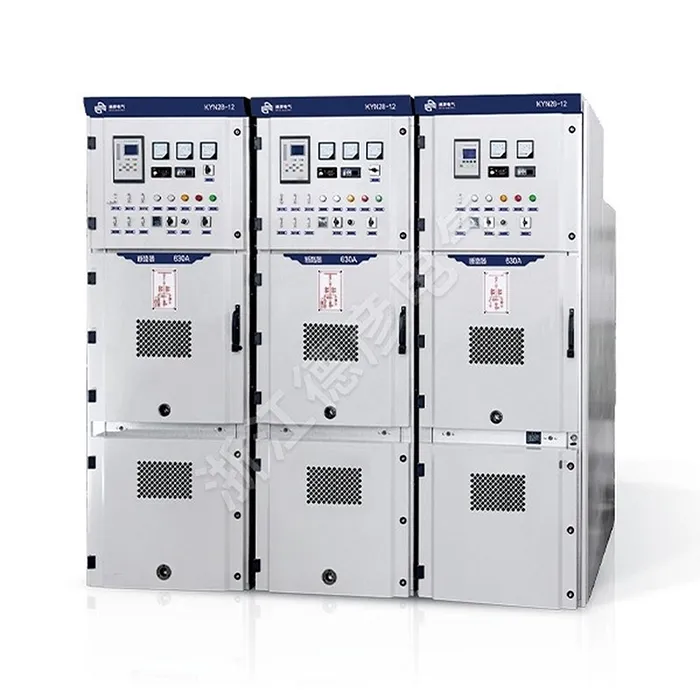
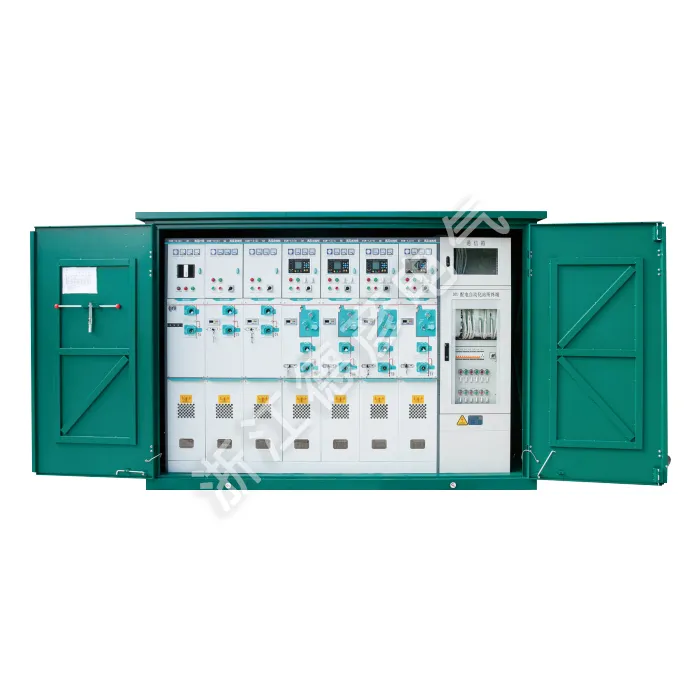
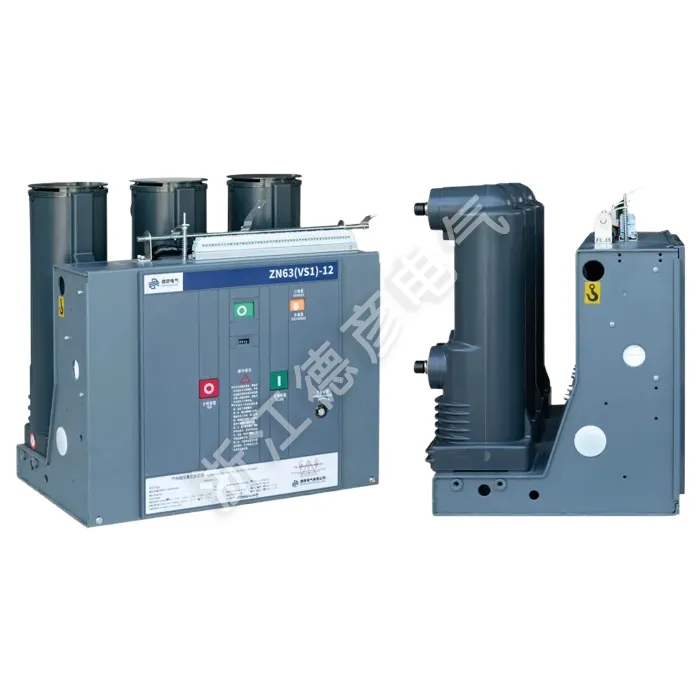
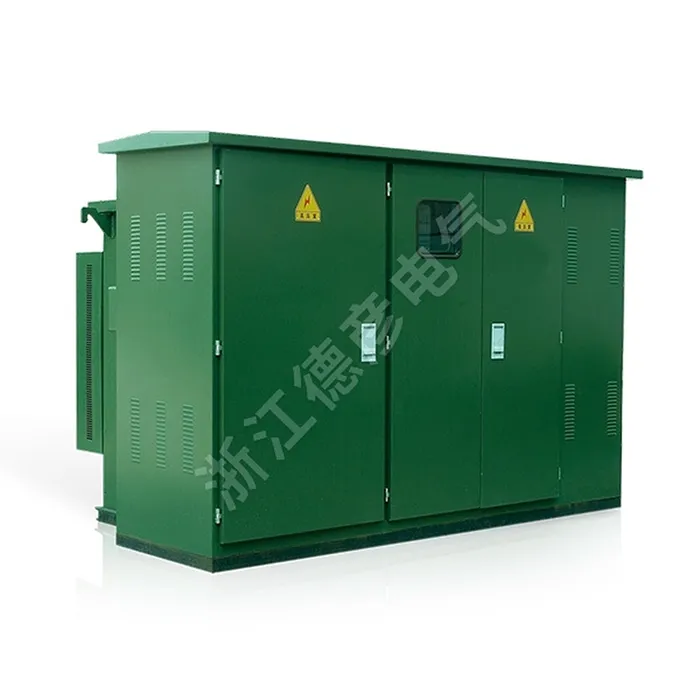
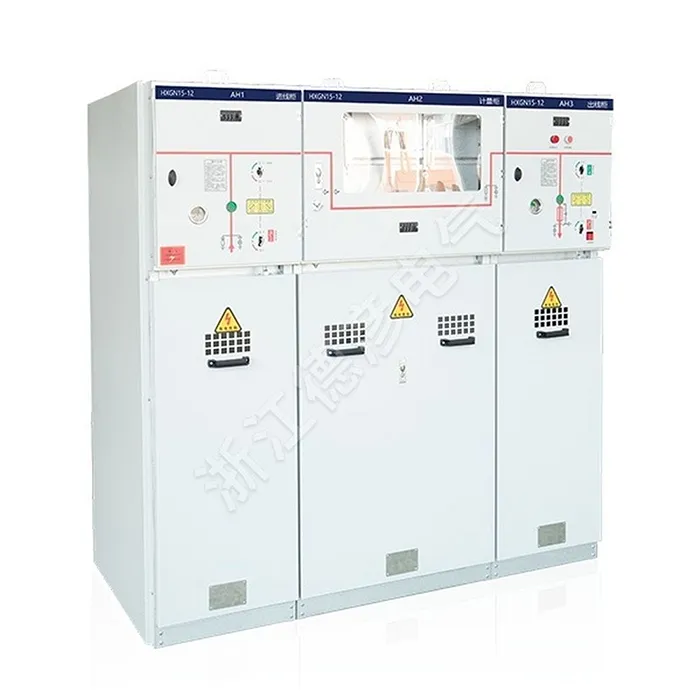
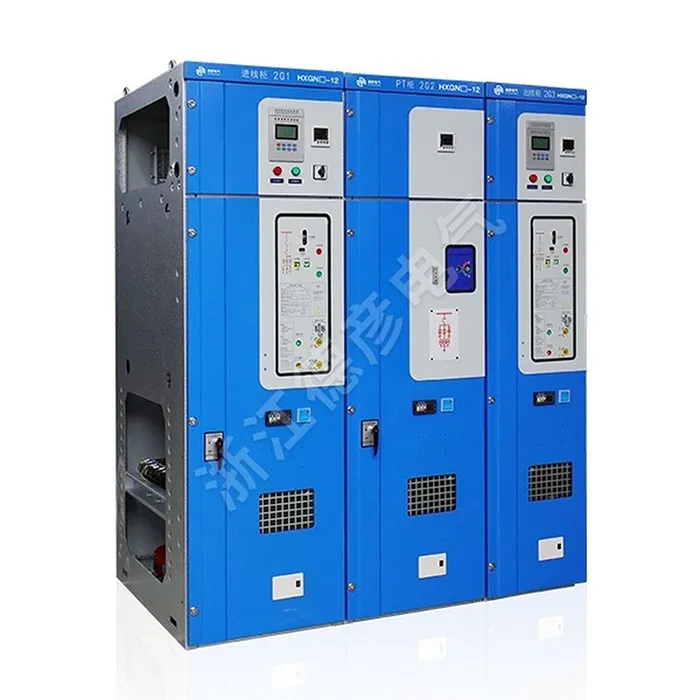
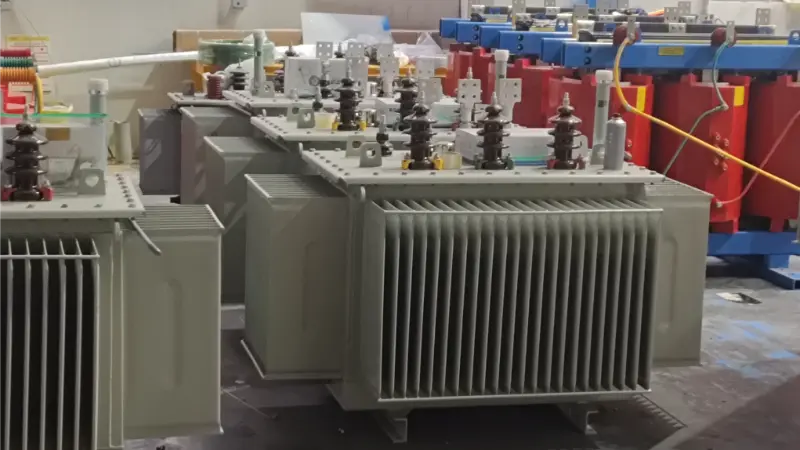
A containerized substation, commonly abbreviated as “container substation,” is a compact power distribution facility that integrates high-voltage switchgear, transformers, low-voltage distribution equipment, reactive power compensation devices, energy metering equipment, and protection control systems into a sealed metal enclosure according to specific wiring configurations. It functions like a “miniature substation,” simplifying the complex civil engineering required for traditional substations into a “plug-and-play” outdoor unit.
For powering charging stations, prefabricated substations offer unparalleled advantages: they are compact and require minimal space, allowing for flexible deployment in roadside corners or at the edges of parking lots; factory prefabrication and on-site hoisting significantly shorten the construction cycle; and their fully enclosed structure enables them to withstand complex outdoor environments, providing a stable and safe power supply for charging stations.
Five Key Steps for Procuring a Charging Station
Container-Type Substation Procuring a suitable container-type substation is not simply a matter of “buying a piece of equipment,” but rather a systematic process involving needs analysis, technical selection, and supplier evaluation. Here are five essential steps:
Step 1: Needs Analysis — Determining “How Much Power Is Needed”
This is the starting point of the procurement process and its most fundamental step. It requires a detailed calculation of the charging station’s power requirements: How many charging stations are planned for installation? Are they fast-charging or slow-charging stations? What is the power output of each station? What is the expected simultaneous usage rate? For example, a station equipped with 10 120kW DC fast-charging stations may have a total power demand exceeding 1,200kW. Factoring in transformer losses and redundancy, a prefabricated substation with a capacity of approximately 1,600kVA would be required. If the demand analysis is inaccurate, selecting a unit with excessive capacity results in wasted investment, while one with insufficient capacity may prevent charging stations from operating at full power and even pose an overload risk.
Step 2: Supplier Selection — Finding a “Reliable Partner”
As a core power equipment component, the quality and reliability of a prefabricated substation directly impact the operational safety of the charging station. Therefore, selecting a qualified and reputable supplier is crucial. The purchaser should comprehensively evaluate the supplier’s production capacity, quality control systems, and after-sales service network through industry reputation, completed project case studies, and on-site factory inspections. As a company with deep roots in the power equipment sector, Deyan Electric has accumulated extensive experience in the R&D and manufacturing of prefabricated substations. Its products are widely used in charging infrastructure projects across the country and have earned market recognition for their stable performance and timely after-sales service.
After clarifying requirements and selecting a supplier, specific technical parameters must be determined based on the actual application scenario. These primarily include: ·
Rated Capacity: This refers to the transformer’s capacity, measured in kVA, which determines the station’s maximum power supply capacity. · ·
Voltage Level: The high-voltage side is typically 10 kV or 20 kV, while the low-voltage side is generally 400 V, depending on the charging pile requirements. · ·
Wiring Configuration: Based on the number and layout of charging stations, determine the number and specifications of low-voltage feeder circuits. · ·
Reactive Power Compensation: Charging stations are non-linear loads that generate reactive power. A reactive power compensation device must be installed to improve the power factor and avoid penalties from the power utility. · ·
Intelligent Configuration: Modern prefabricated substations are typically equipped with remote monitoring systems that can monitor parameters such as voltage, current, and temperature in real time, enabling unattended operation and fault early warning. ·
Deyan Electric’s prefabricated substations offer high flexibility in technical parameter configuration and can provide customized system solutions based on the scale of the charging station, the type of charging piles, and future expansion
Step 4: Signing the Contract—Finalizing the “Agreement Between Both Parties”
A contract is a legal document that safeguards the rights and interests of both parties. When signing a procurement contract, pay close attention to the following clauses: ·
Delivery Schedule: Clearly specify the delivery timeline to ensure alignment with the construction progress of the charging station. · ·
Payment Terms: Typically, a combination of advance payment, payment upon shipment, payment upon acceptance, and a retention deposit is used. · ·
Technical Standards: Include the technical parameters, drawings, and configuration lists confirmed by both parties as annexes to the contract. · ·
After-Sales Service: Clearly define commitments regarding warranty periods, response times, and spare parts supply. ·
Step 5: Acceptance — Safeguarding the “Final Checkpoint”
Once the product arrives on-site, technical personnel must be organized to conduct acceptance testing. The acceptance process includes: visual inspection (checking for deformation or corrosion of the enclosure and the integrity of the coating), performance testing (verifying nameplate parameters, checking for smooth operation of switches, and ensuring protection devices function normally), and document verification (confirming the completeness of factory test reports, certificates of conformity, user manuals, etc.). Only after successful acceptance may subsequent hoisting, wiring, and commissioning work proceed.
Three Key Factors to Focus on During the Procurement
Process Cost: Look Beyond the “Purchase Price” to Calculate “Total Cost of Ownership”
The purchase price of prefabricated substations varies significantly depending on capacity, brand, and configuration. Although the initial investment is relatively high, from a total lifecycle perspective, a high-efficiency, reliable substation can reduce energy consumption, minimize losses from unplanned downtime, and extend service life. Deyan Electric emphasizes energy-efficient design in its products. Its prefabricated substations predominantly utilize high-efficiency, energy-saving components, with both no-load and load losses exceeding national standards. Long-term operation can result in significant savings on electricity costs for charging station operators.
Installation and Maintenance: Opting for “Turnkey”
Services The installation of a prefabricated substation involves multiple stages, including high-voltage connection, foundation construction, hoisting and positioning, cable laying, and system commissioning, all of which must be carried out by a construction team with professional qualifications. If a supplier can provide end-to-end services—from equipment delivery to installation and commissioning—it will significantly reduce the management burden on the purchaser. Deyan Electric has accumulated extensive experience in this area and can provide customers with a one-stop “turnkey” service, ensuring that every step from factory shipment to commissioning is conducted in a standardized and safe manner.
Conclusion
Procuring a containerized substation for charging stations is a highly specialized task that requires both technical expertise and a deep understanding of the process; it demands attention to current needs while also considering future development. Through scientific needs analysis, rigorous supplier selection, precise technical parameter configuration, standardized contract management, and strict on-site acceptance, it is possible to ensure the procurement of a suitable, reliable, and cost-effective containerized substation.
With the continuous growth of the new energy vehicle fleet, the construction of charging infrastructure will continue to expand at a rapid pace. Professional equipment manufacturers, such as Deyan Electric, are providing safer, more efficient, and smarter power supply solutions for charging stations through continuous technological innovation and high-quality service. This supports green mobility and lays a solid power foundation for the high-quality development of the new energy vehicle industry.
We use cookies to offer you a better browsing experience, analyze site traffic and personalize content. By using this site, you agree to our use of cookies. Privacy Policy