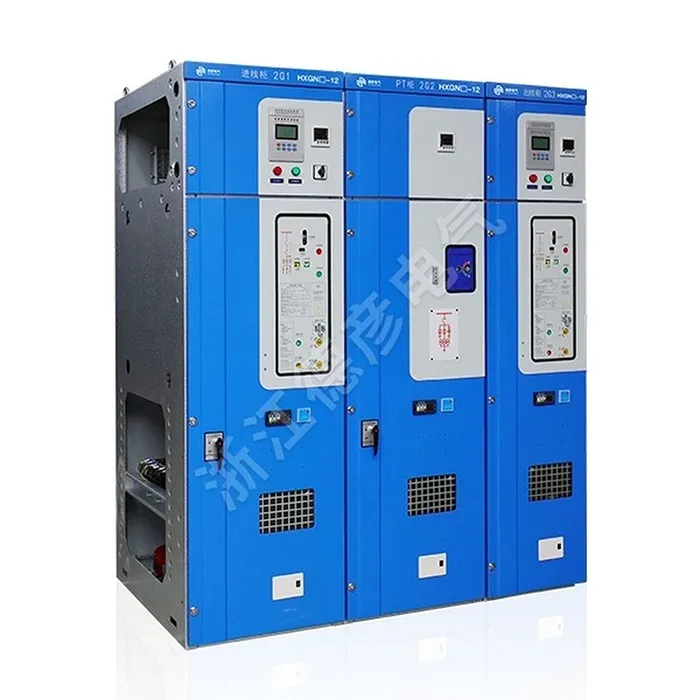
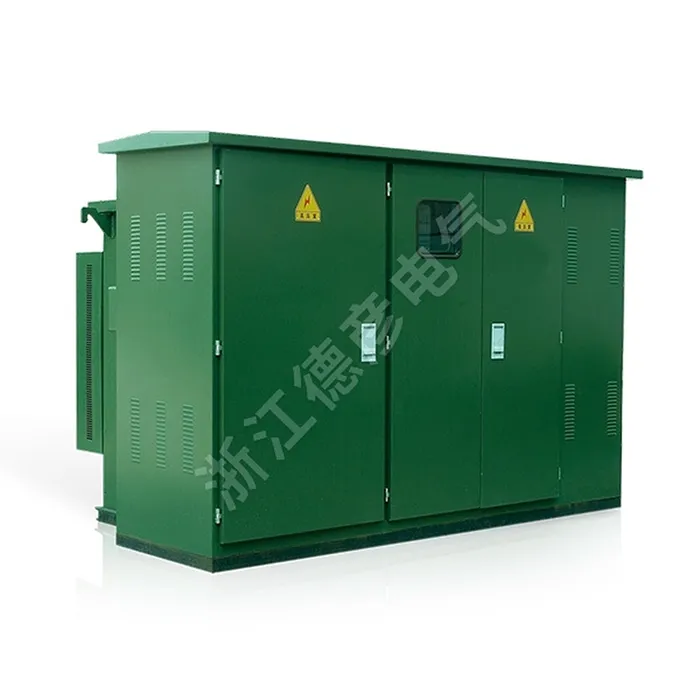
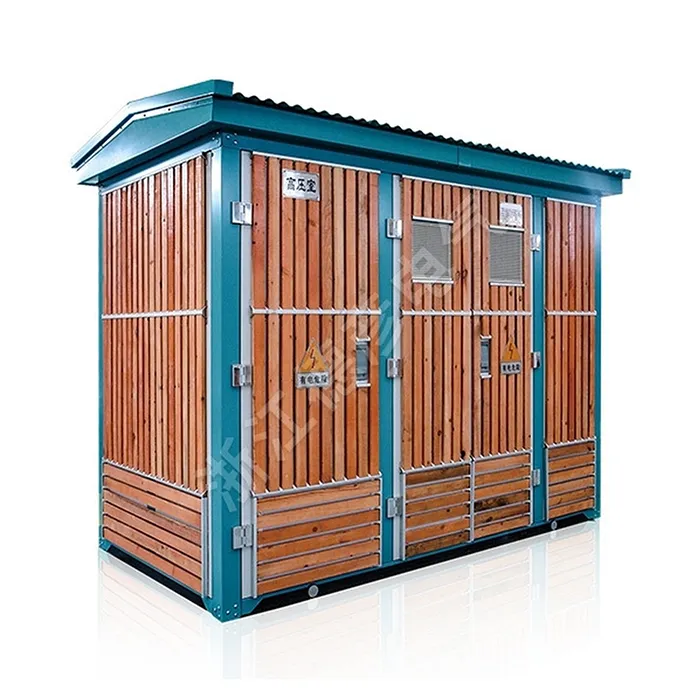
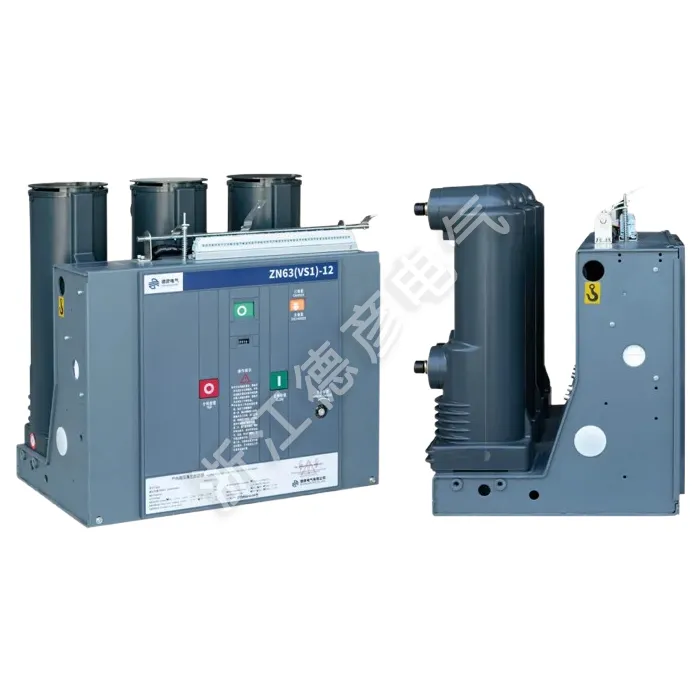
Medium voltage switchgear plays a critical role in electrical power distribution systems across industrial plants, commercial facilities, utilities, renewable energy projects, and infrastructure developments. Selecting the right solution directly impacts operational safety, system reliability, maintenance efficiency, and long-term investment value. This article explains how medium voltage switchgear works, key selection criteria, common customer challenges, technical considerations, and best practices for choosing a dependable system that supports continuous and secure power distribution.
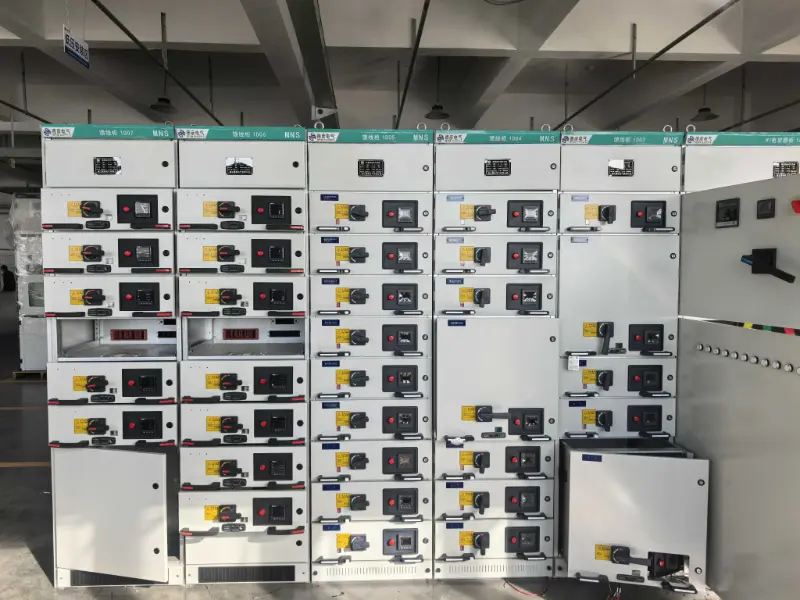
Medium voltage switchgear is a combination of electrical disconnect switches, circuit breakers, protection relays, busbars, control systems, and monitoring devices designed to control, protect, and isolate electrical equipment operating within medium voltage ranges, typically between 1kV and 52kV.
Its primary function is to ensure safe power transmission and distribution while protecting electrical networks from overloads, short circuits, equipment failures, and other abnormal operating conditions.
Modern medium voltage switchgear has evolved significantly, incorporating intelligent monitoring systems, digital protection technologies, arc-resistant structures, and compact designs that improve both safety and operational performance.
Power distribution systems are exposed to various risks, including electrical faults, voltage fluctuations, equipment degradation, and environmental influences. Medium voltage switchgear acts as the first line of defense against these challenges.
Key Benefits Include:
Without properly designed switchgear, a single electrical fault can result in extensive production losses, costly repairs, and serious safety hazards.
Understanding the major components helps buyers evaluate system quality and performance.
| Component | Function |
|---|---|
| Circuit Breaker | Interrupts fault currents and protects equipment |
| Busbar System | Distributes electrical power between circuits |
| Protection Relay | Detects abnormal conditions and triggers breaker operation |
| Current Transformer (CT) | Measures current for protection and monitoring |
| Voltage Transformer (VT) | Provides voltage measurements |
| Disconnect Switch | Provides visible isolation for maintenance |
| Control Unit | Manages operational functions and communications |
The reliability of each component directly affects overall switchgear performance and system availability.
Different applications require different switchgear technologies.
Air-Insulated Switchgear (AIS)
AIS uses ambient air as the primary insulating medium. It is widely used due to its straightforward design, ease of maintenance, and lower initial investment.
Gas-Insulated Switchgear (GIS)
GIS uses insulating gas within sealed compartments, allowing a compact footprint while providing excellent protection against environmental contaminants.
Metal-Clad Switchgear
Metal-clad designs offer enhanced safety through compartmentalized construction. Critical components are isolated in separate grounded metal enclosures.
Arc-Resistant Switchgear
These systems are engineered to protect operators during internal arc faults by directing pressure and hot gases away from personnel.
Solid-Insulated Switchgear
Solid insulation technology provides environmentally friendly performance while reducing maintenance requirements.
Choosing the correct switchgear involves more than simply matching voltage ratings. Several technical and operational factors must be evaluated carefully.
1. Determine System Voltage Requirements
The switchgear must match the nominal system voltage and insulation requirements of the electrical network.
2. Evaluate Short-Circuit Capacity
Fault current levels vary significantly between installations. The selected switchgear must safely withstand and interrupt the maximum possible fault current.
3. Consider Environmental Conditions
Environmental factors greatly influence insulation performance and equipment lifespan.
4. Review Safety Requirements
Facilities with high personnel exposure may require arc-resistant designs, advanced interlocking systems, and remote operation capabilities.
5. Assess Available Installation Space
Compact GIS solutions are often preferred when substation space is limited, while AIS may be suitable for larger facilities.
6. Plan for Future Expansion
A scalable design allows additional feeders and equipment to be integrated without major modifications.
7. Evaluate Maintenance Requirements
Selecting equipment with accessible compartments and intelligent diagnostics can significantly reduce maintenance costs over the equipment lifecycle.
Many buyers encounter similar challenges during switchgear procurement. Understanding these concerns can help avoid costly mistakes.
| Customer Challenge | Recommended Solution |
|---|---|
| Frequent power interruptions | Choose high-reliability switchgear with advanced protection systems |
| Limited installation space | Consider compact GIS or modular switchgear designs |
| High maintenance costs | Select intelligent monitoring and condition-based maintenance solutions |
| Safety concerns | Adopt arc-resistant and metal-clad switchgear configurations |
| Future expansion uncertainty | Invest in scalable modular systems |
| Harsh environmental conditions | Use sealed and environmentally protected equipment |
| Feature | AIS | GIS | Metal-Clad | Arc-Resistant |
|---|---|---|---|---|
| Space Efficiency | Medium | Excellent | Good | Good |
| Safety Level | Good | Very High | Very High | Excellent |
| Maintenance Demand | Moderate | Low | Moderate | Moderate |
| Environmental Protection | Standard | Excellent | Very Good | Very Good |
| Initial Investment | Lower | Higher | Medium | Higher |
Even the highest-quality medium voltage switchgear requires proper maintenance to achieve optimal performance throughout its service life.
Recommended Practices:
Preventive maintenance significantly reduces the risk of unexpected outages and equipment failures.
Medium voltage switchgear supports critical operations across numerous sectors.
Each industry presents unique operating requirements, making customized switchgear solutions increasingly important.
Q1: What voltage range is considered medium voltage?
Medium voltage generally refers to electrical systems operating between 1kV and 52kV, although exact classifications may vary by region and standards.
Q2: What is the lifespan of medium voltage switchgear?
With proper maintenance, modern switchgear can often operate reliably for 20 to 40 years or more.
Q3: Is GIS better than AIS?
Neither is universally better. GIS offers compact design and excellent environmental protection, while AIS provides easier access and lower initial costs.
Q4: Why is arc-resistant switchgear important?
Arc-resistant switchgear helps protect personnel by containing and redirecting energy released during internal arc faults.
Q5: Can medium voltage switchgear support smart grid applications?
Yes. Modern systems often include digital relays, communication protocols, remote monitoring, and intelligent control functions that support smart grid integration.
Selecting the right medium voltage switchgear is a strategic decision that directly affects electrical safety, operational continuity, maintenance efficiency, and long-term project success. By evaluating voltage requirements, fault levels, environmental conditions, safety expectations, future expansion needs, and lifecycle costs, organizations can make informed decisions that deliver reliable power distribution for decades.
As an experienced manufacturer and supplier of power distribution equipment, Deyan provides dependable medium voltage switchgear solutions designed to meet the demands of modern electrical systems. Whether you are planning a new substation, upgrading industrial infrastructure, or expanding a utility network, Deyan can help identify the most suitable solution for your project requirements. Contact us today to discuss your application, receive professional technical support, and obtain a customized solution tailored to your operational goals.
Address:No.60, Binhai South Second Road, Economic Development Zone, Yueqing City, Zhejiang Province, China
Copyright © 2025 Zhejiang Deyan Electric Co.,Ltd. All Rights Reserved. Links| Sitemap| RSS| XML| Privacy Policy