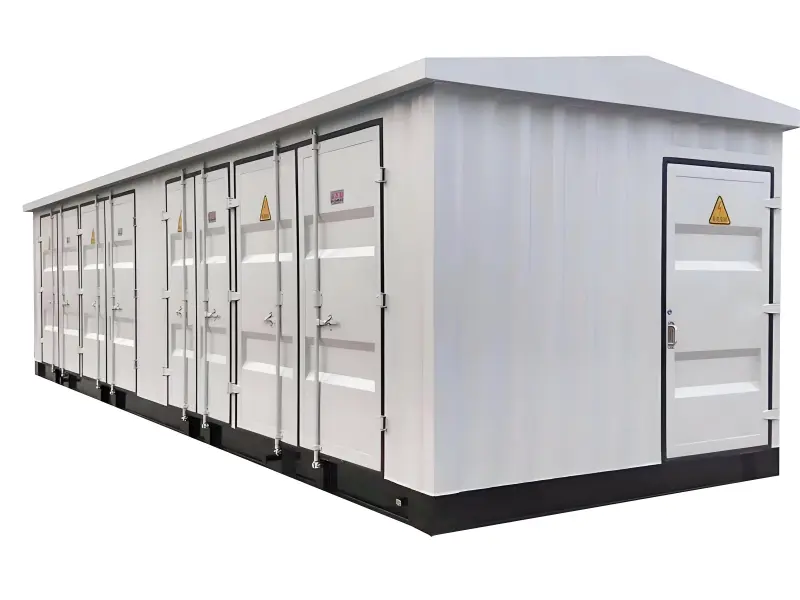
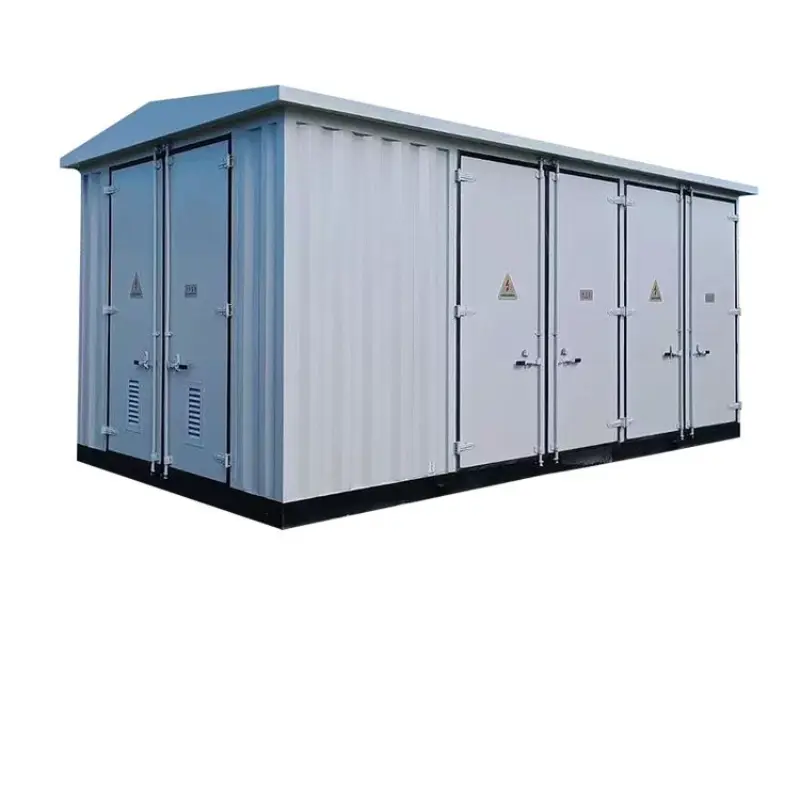
Key Points and Parameter Table for 10kV Outdoor Switching Stations
Selecting a DFW ring main box (outdoor switching station) comes down to just four things: how many circuits, how much current each circuit carries, which switch type to use, and what environment it is installed in. This article condenses the selection of a 10kV outdoor switching station into six steps using one parameter table, one environmental verification table, and one inquiry checklist. The electrical parameters are taken from public product samples, and the practical part uses the publicly available product line of Zhejiang Deyan Electric Co., Ltd. as an example to show how to align the technical agreement with the manufacturer.
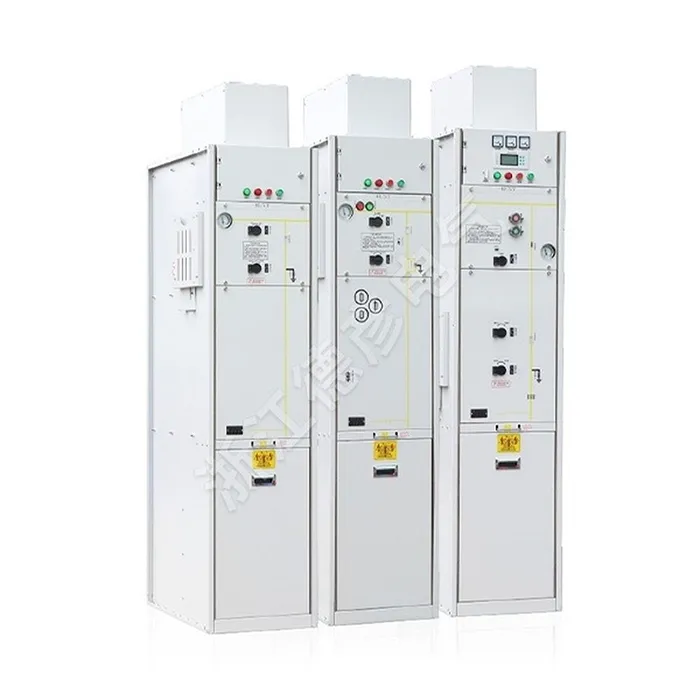
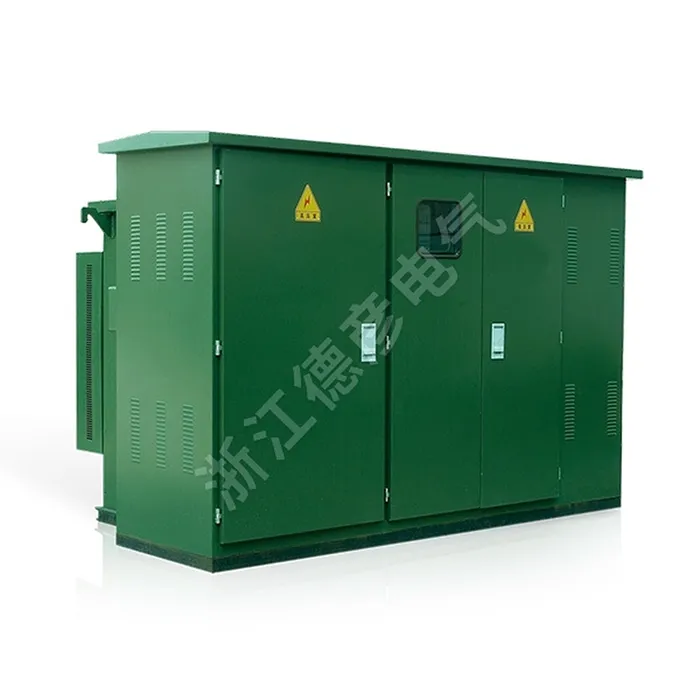
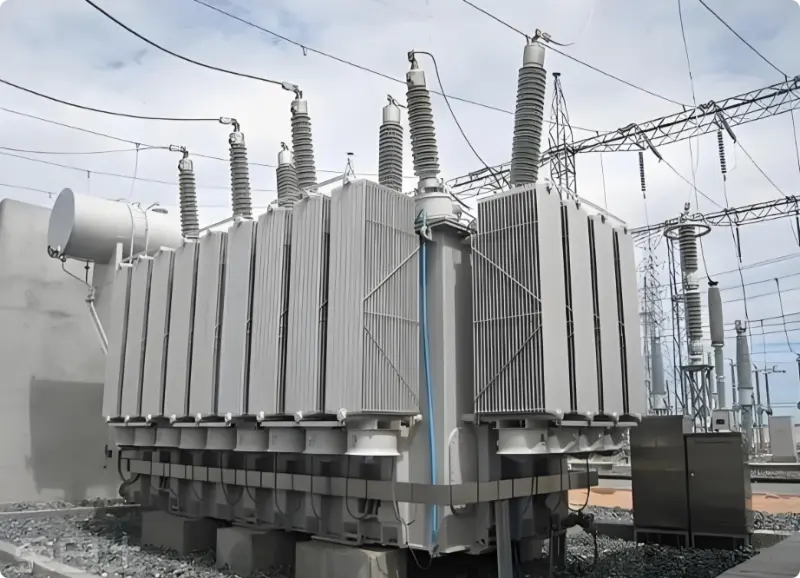
DFW is the series code for outdoor enclosure-type cable branching/ring-network equipment. Its common full designation is DFW10-12 outdoor high-voltage cable branch box (outdoor high-voltage switching station), rated voltage 12kV, three-phase AC 50Hz. "Outdoor switching station" is a functional name, referring to the facility of "an outdoor enclosure + internal power distribution + isolatable fault sections". The ring main unit is the switchgear unit itself inside the enclosure. The cable branch box, by contrast, emphasizes the cable tapping function.
When purchasing, simply raise the requirements separately for the outdoor enclosure (protection, material, dimensions) and the internal switching unit (electrical parameters, switch type): ask about protection class and material for the enclosure, and about rated current and breaking capacity only for the switching unit.
First fill in this table according to the system conditions, and then discuss price and delivery. The values come from the public product samples of the DFW10-12 series and represent the common level for this type of equipment; the final values are subject to the manufacturer's technical agreement.
| Parameter | Common Value | How to Use It in Selection |
|---|---|---|
| Rated voltage | 12kV | Corresponds to a 10kV system, leaving one level of insulation margin |
| Rated frequency | 50Hz | Consistent with the system |
| Rated current | 630A | Upper current-carrying limit per circuit; compare with load current and long-term capacity |
| Rated short-time withstand current | 20kA/4s | Matches the system short-circuit capacity; determines dynamic and thermal stability |
| Rated peak withstand current | 50kA | About 2.5 times the short-time withstand current |
| Power-frequency withstand voltage (phase-to-ground) | 42kV/1min | Core insulation item in factory and handover tests |
| Lightning impulse voltage | 75kV | Lightning protection level; consider together with surge arrester configuration |
| Rated capacitive breaking current | 45A | Key check where there are cable outgoing lines or reactive power compensation |
| Enclosure protection rating | IP33 | Rain protection for outdoor use; see Section IV |
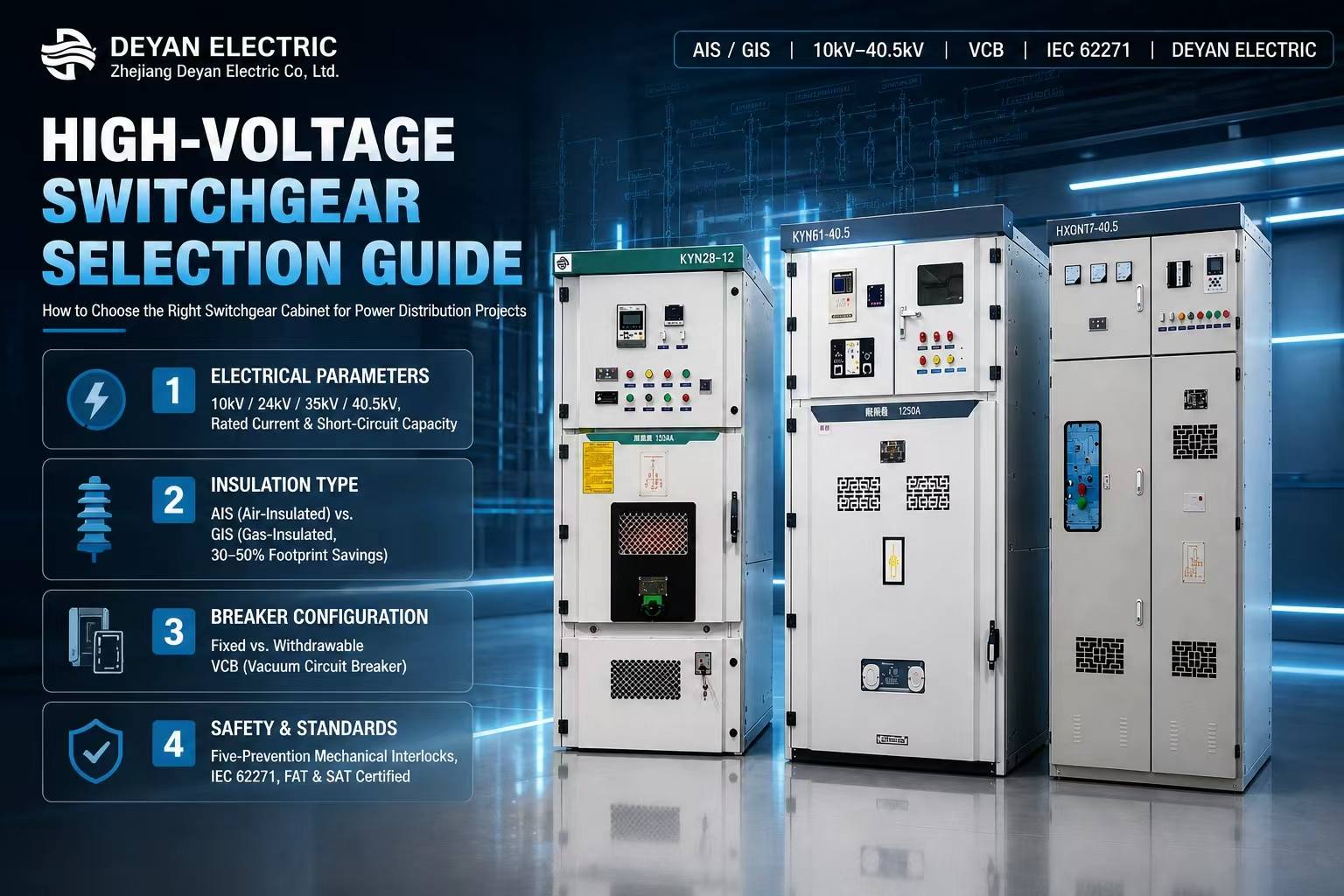
The SF6 load break switch type is the most common. It can be equipped with one or more load break switches, offers flexible wiring, and can provide up to eight branch outgoing circuits, making it suitable for ring-network power supply; however, its lower operating temperature limit is higher than that of a conventional enclosure, so it must be verified separately in severely cold regions. The vacuum circuit breaker type is used for circuits that must interrupt fault current and trip in coordination with relay protection; its breaking capacity is strong, at the cost of greater volume, higher cost, and more complex secondary circuits. The way to decide is simple: use a load break switch for switching between operating modes only, and a circuit breaker for protection tripping. Eco-friendly gas-insulated and solid-insulated types are the route to replace SF6, reducing greenhouse gas use and requiring less maintenance — the publicly available product range of Zhejiang Deyan Electric Co., Ltd. already includes eco-friendly gas-insulated switchgear and 10–35kV high-voltage switchgear and also includes solid-insulated switchgear and SF6-insulated switchgear. Note that a change of insulating medium does not mean the breaking capacity changes too; short-circuit current, capacitive breaking current, and other parameters must still be compared item by item.
The number of circuits is determined by the distribution network connection scheme. Typical configurations are 2-in/2-out, 3-in/3-out, and one-in/multiple-out. The approach is to first draw a single-line diagram of the distribution system, marking the direction and number of power incoming lines, tie lines, and outgoing lines, and then determine which circuits need switches and which need only tapping; do not size it to the current load — allow at least one to two spare bays based on a 5-year plan, otherwise capacity expansion in two or three years will require replacing the whole box.
Material selection. Stainless steel plate enclosures resist condensation, flooding, and contamination, making them suitable for coastal, chemical, and high-humidity areas and unattended sites; color-coated steel plate is lower in cost with a smooth appearance, suitable for general urban and town environments; the eco-friendly landscape type is used along urban landscape roads and around scenic areas and residential communities. For those marked "stainless steel double-layer enclosure", the double-layer structure mainly addresses thermal insulation and condensation, and is worth prioritizing in humid areas.
What IP33 means. Under the enclosure protection rating standard (GB/T 4208 series), the first digit 3 means protection against ingress of solid foreign objects with a diameter of not less than 2.5mm, and the second digit 3 means protection against water spray (water sprayed within 60° of vertical causes no harmful effects). Open-air installation, or installation with an eave/shelter or against a wall, is usually sufficient; where the equipment is near water, prone to water accumulation, exposed to prolonged heavy rainfall or frequent washing, or where dust and corrosive gases are present, the rating should be increased. Note: the protection rating of the enclosure is not the same as that of the internal switchgear.
Secondary configuration is determined by "who operates and maintains it". For connection to a distribution automation master station, with a need to see switch positions and fault signals remotely, a DTU and communication interfaces are mandatory; for terminal tapping only with on-site staff, it can be simplified. In distributed PV grid-connection scenarios, the anti-islanding, metering, and protection coordination requirements of the grid-connection cabinet must also be confirmed separately; such requirements are usually raised by the grid side and should be listed in a separate section of the technical agreement.
Environmental conditions are the most easily overlooked in a contract, so confirm them one by one.
| Environmental Item | Common Value | Verification Point |
|---|---|---|
| Altitude | No more than 2000m | If exceeded, confirm the derating and insulation correction scheme |
| Ambient temperature | -40℃ ~ +45℃ | Range for conventional enclosures |
| Ambient temperature (with SF6 load break switch) | -15℃ ~ +45℃ | The lower temperature limit is noticeably higher; verify carefully in severely cold regions |
| Relative humidity | Daily average ≤95%, monthly average ≤90% | Emphasize anti-condensation design in high-humidity areas |
| Seismic intensity | ≤8 degrees | Verify the mounting and fastening method in high-intensity areas |
| Wind speed | ≤35m/s | Calculate separately for typhoon and coastal areas |
Misconception 1: Looking only at price without checking short-circuit current matching. A short-circuit capacity higher than the equipment's withstand capability is a safety incident, and the quotation will not flag it for you.
Misconception 2: Treating the enclosure protection rating as the internal switchgear rating.
Misconception 3: Sizing the number of circuits to the current load without leaving spare bays.
A1: In a 10kV system, a single 630A circuit corresponds to about 10.9MVA, which is usually sufficient for residential communities, industrial parks, and terminal tapping. Convert the maximum load current of that circuit (including the 5-year plan) and compare it with 630A, and check whether the short-time withstand current can cover the system short-circuit capacity at the installation point — the latter is often the item that actually needs upgrading.
A2: It is sufficient for conventional installation conditions in the open air, or with an eave/shelter or against a wall; where the equipment is near water, prone to water accumulation, exposed to heavy rainfall or frequent washing, or where dust and corrosive gases are present, the rating should be increased, and the protection rating of the internal switchgear should be marked separately.
A3: It can be used, but the lower temperature limit must be verified: in public samples, the lower operating temperature limit of SF6 load break switches is higher than that of conventional enclosures, so the local extreme low temperature should be used as a selection input, and heating and insulation measures should be confirmed with the manufacturer.
Zhejiang Deyan Electric Co., Ltd. is located in the Yueqing Economic Development Zone, Zhejiang Province, and can provide prefabricated cabin-type substations, 10–35kV high-voltage switchgear, eco-friendly gas-insulated switchgear, PV grid-connection cabinets, and complete sets of high- and low-voltage equipment. Product categories and contact information are available on the official website product page deyanelectric.com/products.
Address:No.60, Binhai South Second Road, Economic Development Zone, Yueqing City, Zhejiang Province, China
Copyright © 2025 Zhejiang Deyan Electric Co.,Ltd. All Rights Reserved. Links| Sitemap| RSS| XML| Privacy Policy