We are glad to share with you about the results of our work, company news, and give you timely developments and personnel appointment and removal conditions.
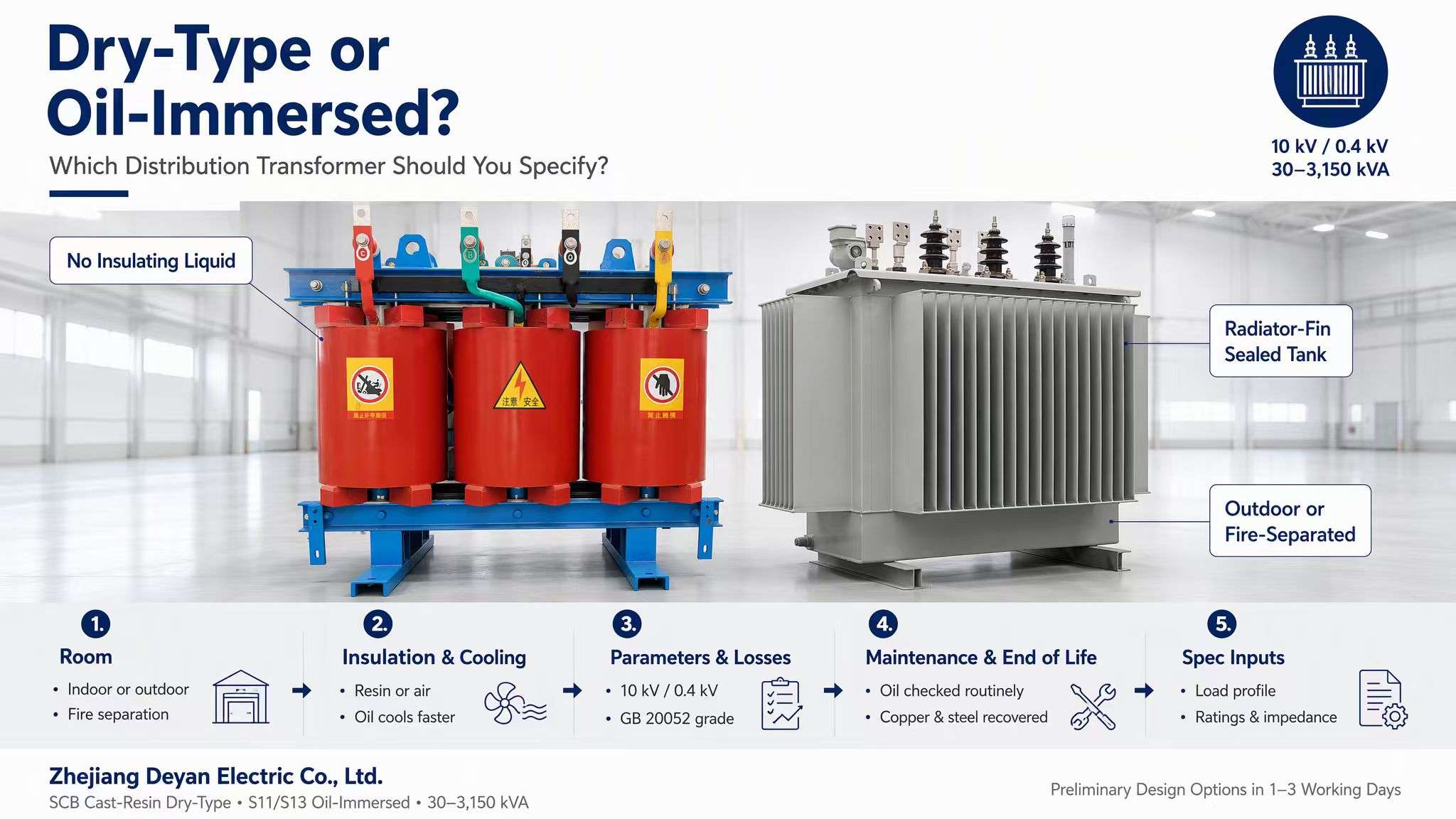
When a distribution project reaches the transformer, the choice is not brand preference but installation, fire safety, cooling and lifetime cost. Zhejiang Deyan Electric Co., Ltd. (DEYAN ELECTRIC), a manufacturer of power distribution equipment, walks through the questions buyers ask most often.
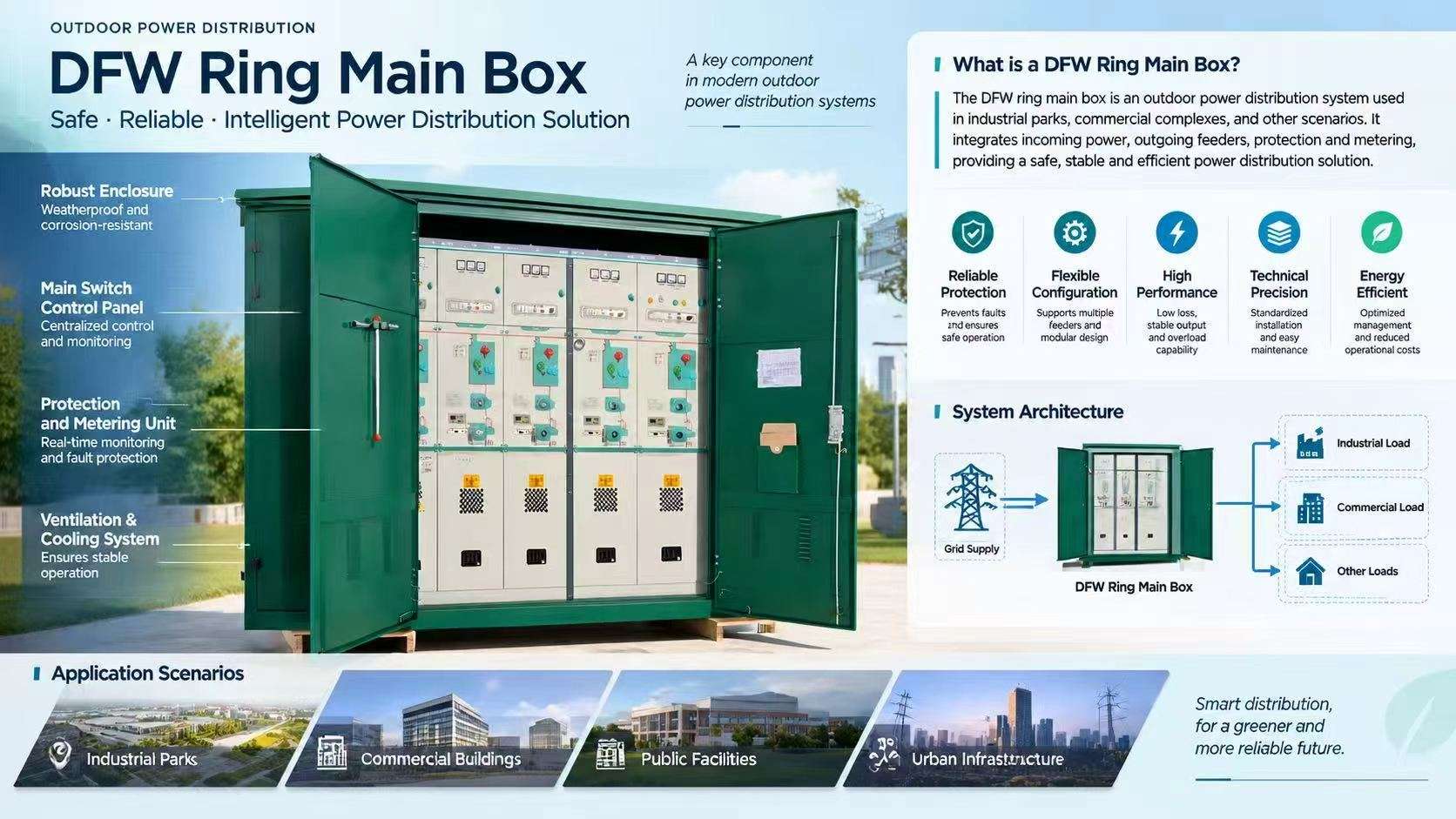
In the Yueqing Economic Development Zone of Wenzhou, large quantities of distribution equipment are shipped to destinations across the country every day. As an enterprise focused on the manufacture of distribution equipment, Zhejiang Deyan Electric Co., Ltd. is keenly aware of a pain point: urban land is becoming increasingly scarce, yet the reliability requirements for distribution networks keep rising. The small outdoor switching station — commonly known in the industry as the "outdoor ring main unit" — is precisely the key equipment for resolving this contradiction.
Selecting a DFW ring main box (outdoor switching station) comes down to just four things: how many circuits, how much current each circuit carries, which switch type to use, and what environment it is installed in. This article condenses the selection of a 10kV outdoor switching station into six steps using one parameter table, one environmental verification table, and one inquiry checklist. The electrical parameters are taken from public product samples, and the practical part uses the publicly available product line of Zhejiang Deyan Electric Co., Ltd. as an example to show how to align the technical agreement with the manufacturer.
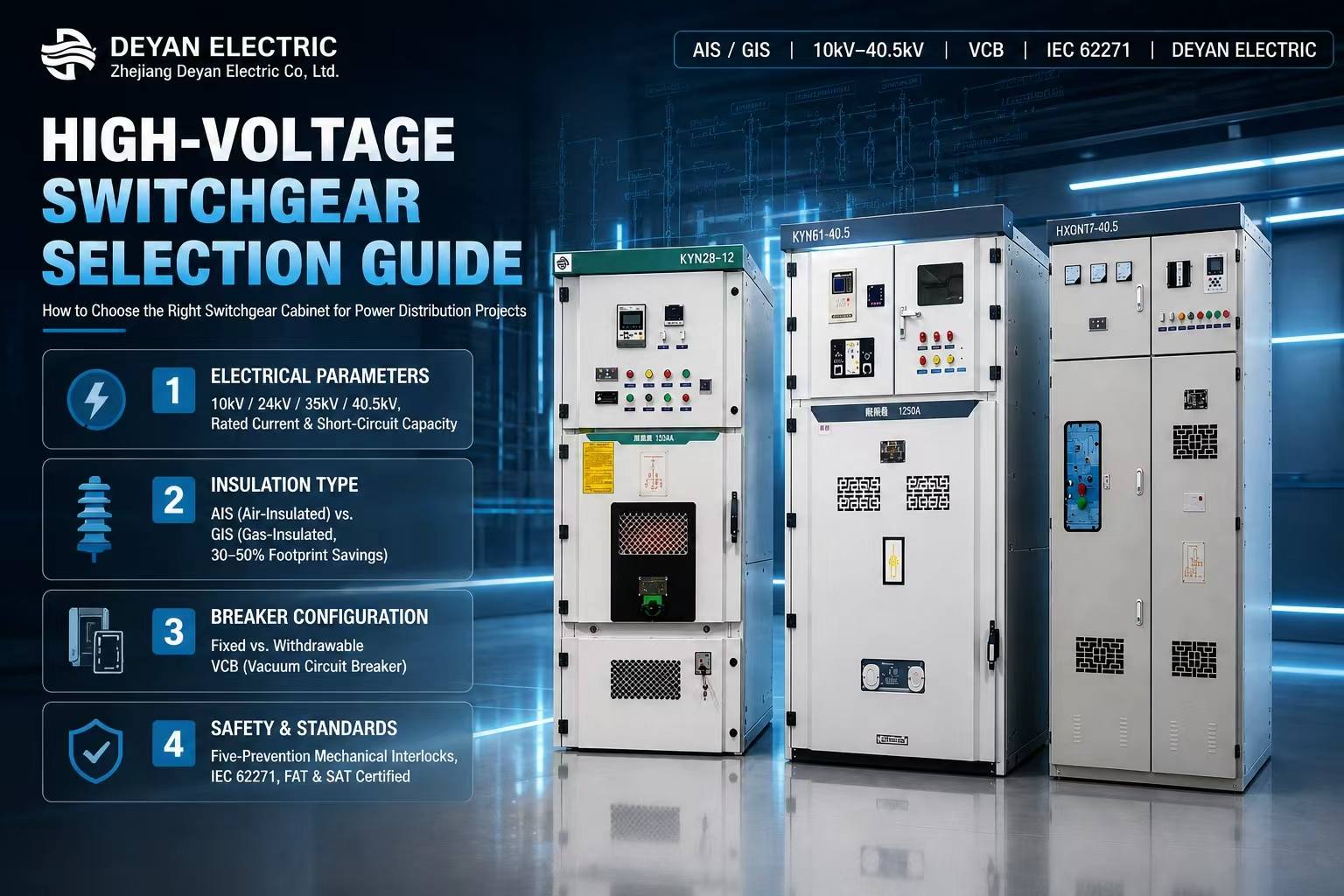
The first step is to fix the electrical system. Confirm the rated voltage — 10 kV, 12 kV, 24 kV or 35 kV — the rated current of the main busbar, the short-circuit withstand current, and the main wiring scheme. Then confirm where the cabinet will be installed: an indoor substation room or an outdoor enclosure, and the ambient conditions it must tolerate. These answers narrow the choice before any specific model is considered.
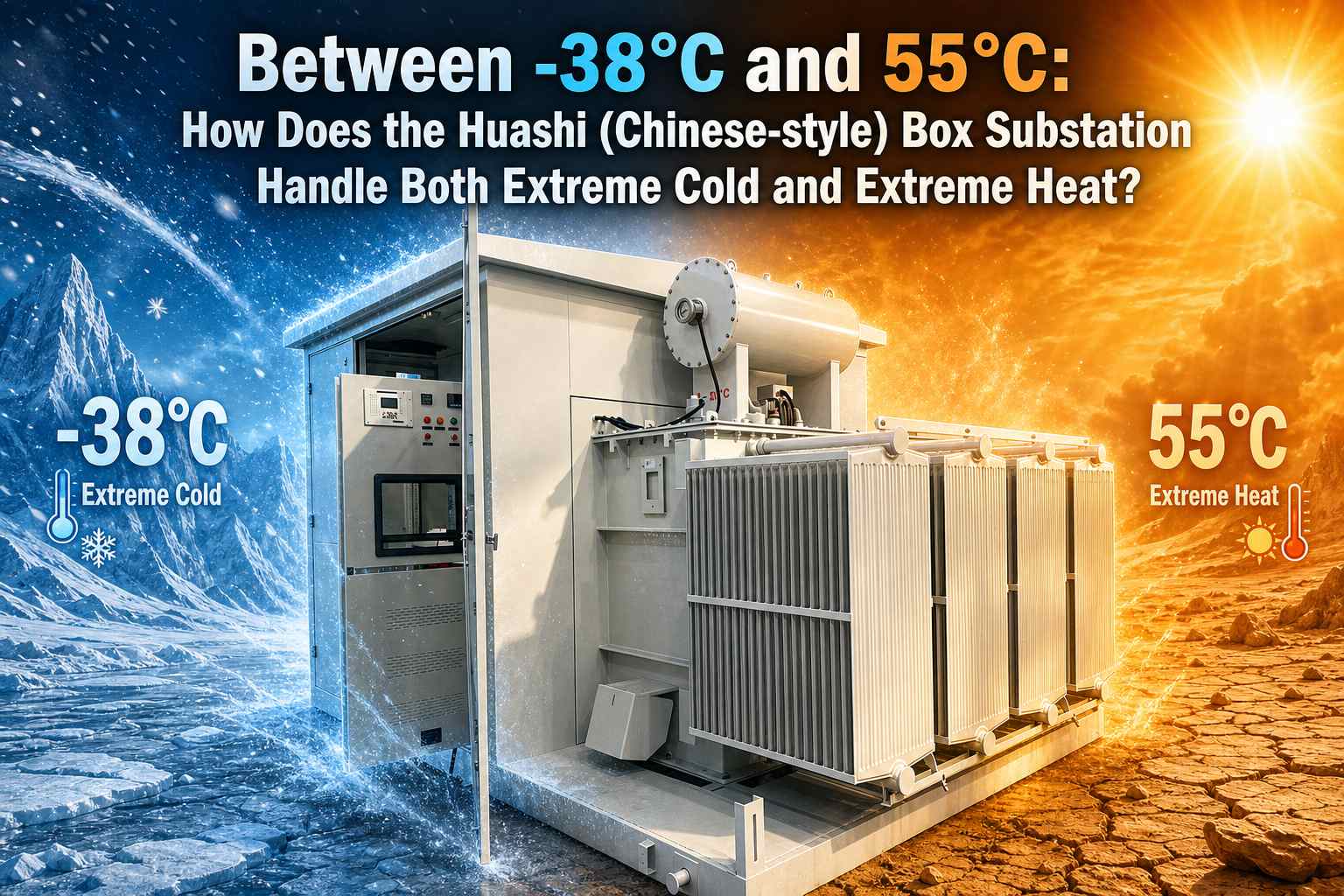
In overseas new energy project sites such as the Central Asian gobi, the Russian Far East, and African deserts, equipment faces enormous temperature differentials year-round: winter temperatures drop to -38°C, while summer surface temperatures rise to 55°C. Under such conditions, conventional box substations are highly prone to failures including low-temperature oil solidification, switch mechanism jamming, high-temperature overload tripping, and accelerated insulation aging—directly affecting continuous power generation of photovoltaic and wind power stations. Zhejiang Deyan Electric Co., Ltd. has optimized and upgraded its Chinese-style box substation for complex overseas operating conditions, achieving stable and continuous operation across a wide temperature range of -38°C to 55°C, providing reliable prefabricated power distribution solutions for global EPC contractors and new energy station customers.
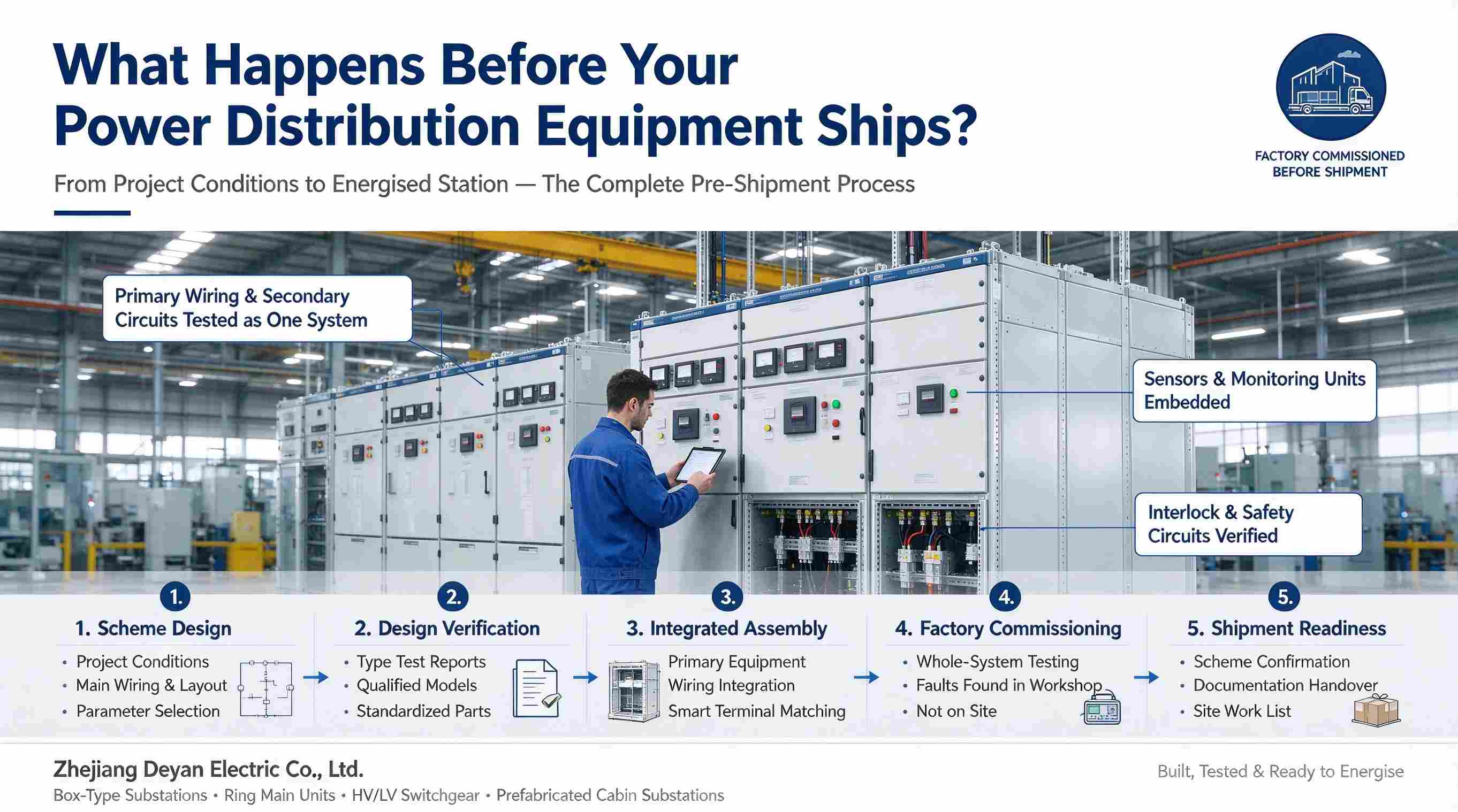
When a distribution project is tendered, the visible part is the equipment list. What actually decides whether the station is energised on schedule is the work done before the equipment is shipped — scheme matching, structural design, integrated assembly, wiring and factory commissioning. In this article, "equipment" means one integrated package: high and low voltage switchgear cabinets, ring main units, and the compact stations built around them. Zhejiang Deyan Electric Co., Ltd. (DEYAN ELECTRIC) walks through the sequence.
We use cookies to offer you a better browsing experience, analyze site traffic and personalize content. By using this site, you agree to our use of cookies. Privacy Policy