Blog

Blog

We are glad to share with you about the results of our work, company news, and give you timely developments and personnel appointment and removal conditions.
What Makes AC Metal-Enclosed Ring Main Switchgear Reliable for Modern Power Distribution?15 2026-09

What Makes AC Metal-Enclosed Ring Main Switchgear Reliable for Modern Power Distribution?

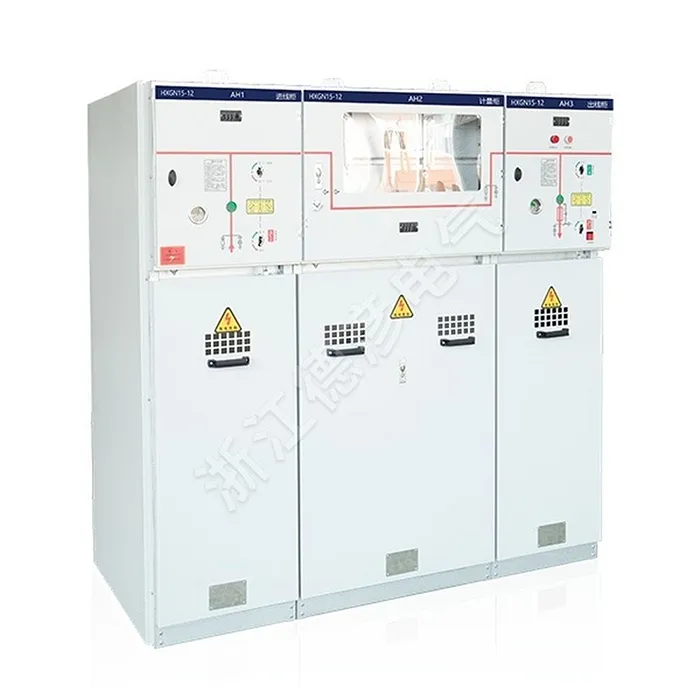
​AC metal-enclosed ring main switchgear is a compact medium-voltage distribution solution designed to improve power continuity, operational safety, fault isolation, and installation efficiency. By combining switching, protection, isolation, and grounding functions inside a metal enclosure, this equipment is particularly suitable for urban distribution networks, industrial facilities, commercial buildings, infrastructure projects, and renewable energy applications. This guide explains its structure, operating principle, key technical parameters, safety features, application scenarios, and practical considerations for selecting the right configuration.
Oil Or Dry11 2026-09

Oil Or Dry

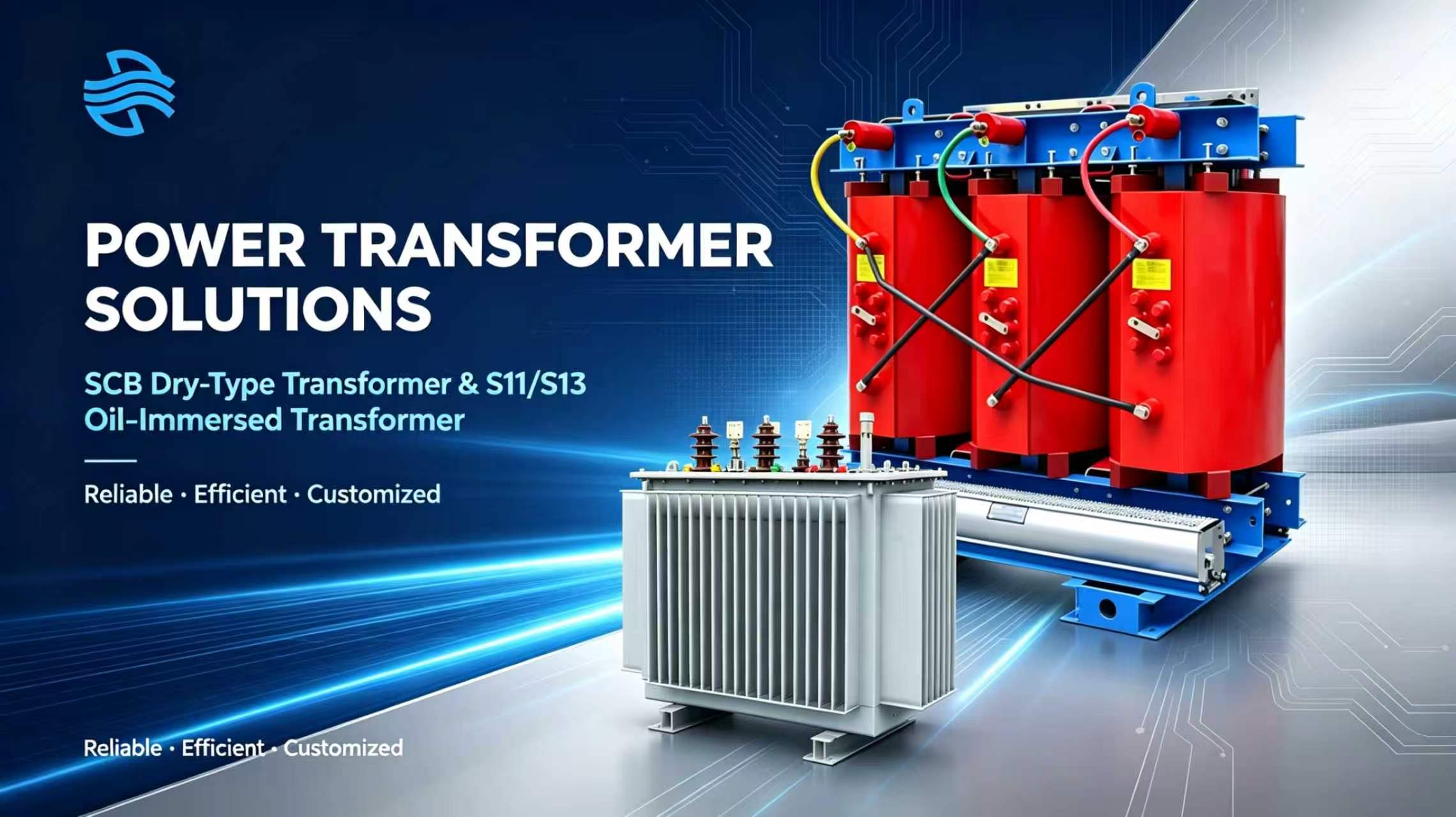
The key to selection lies in the completely different insulation and heat dissipation methods adopted by the two types of transformers. An oil-immersed transformer relies on insulating oil (mineral oil or natural ester oil) circulating inside the sealed oil tank to transfer heat to external radiators. This design delivers excellent cooling efficiency and strong overload capacity. A dry-type transformer is fully air-cooled and adopts solid insulating materials such as epoxy resin casting. The absence of liquid eliminates leakage risks, yet its cooling efficiency is relatively lower.
Which Ring Main Unit Should You Choose?11 2026-09

Which Ring Main Unit Should You Choose?

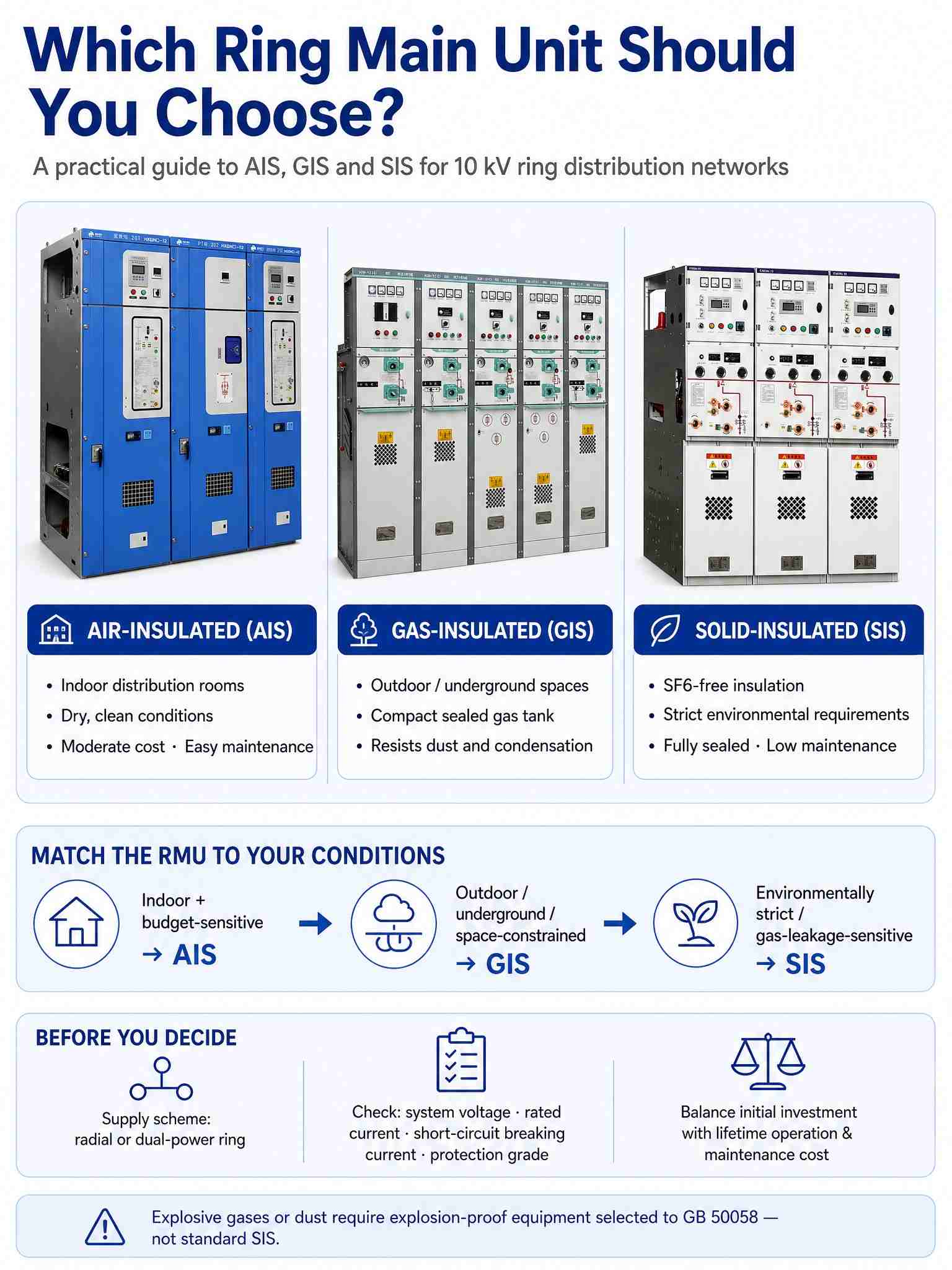
A ring main unit (RMU) is the core switchgear of \(10\mathrm{kV}\) ring distribution networks — but choosing the right one is far from simple. The answer depends less on the product itself than on your operating environment, power supply scheme, and functional needs. This article walks through the selection decision by insulation form, application scenario, and electrical parameters, so you can match the right RMU to your project.
What Is a Cable Branch Box and How Does It Work?04 2026-09

What Is a Cable Branch Box and How Does It Work?

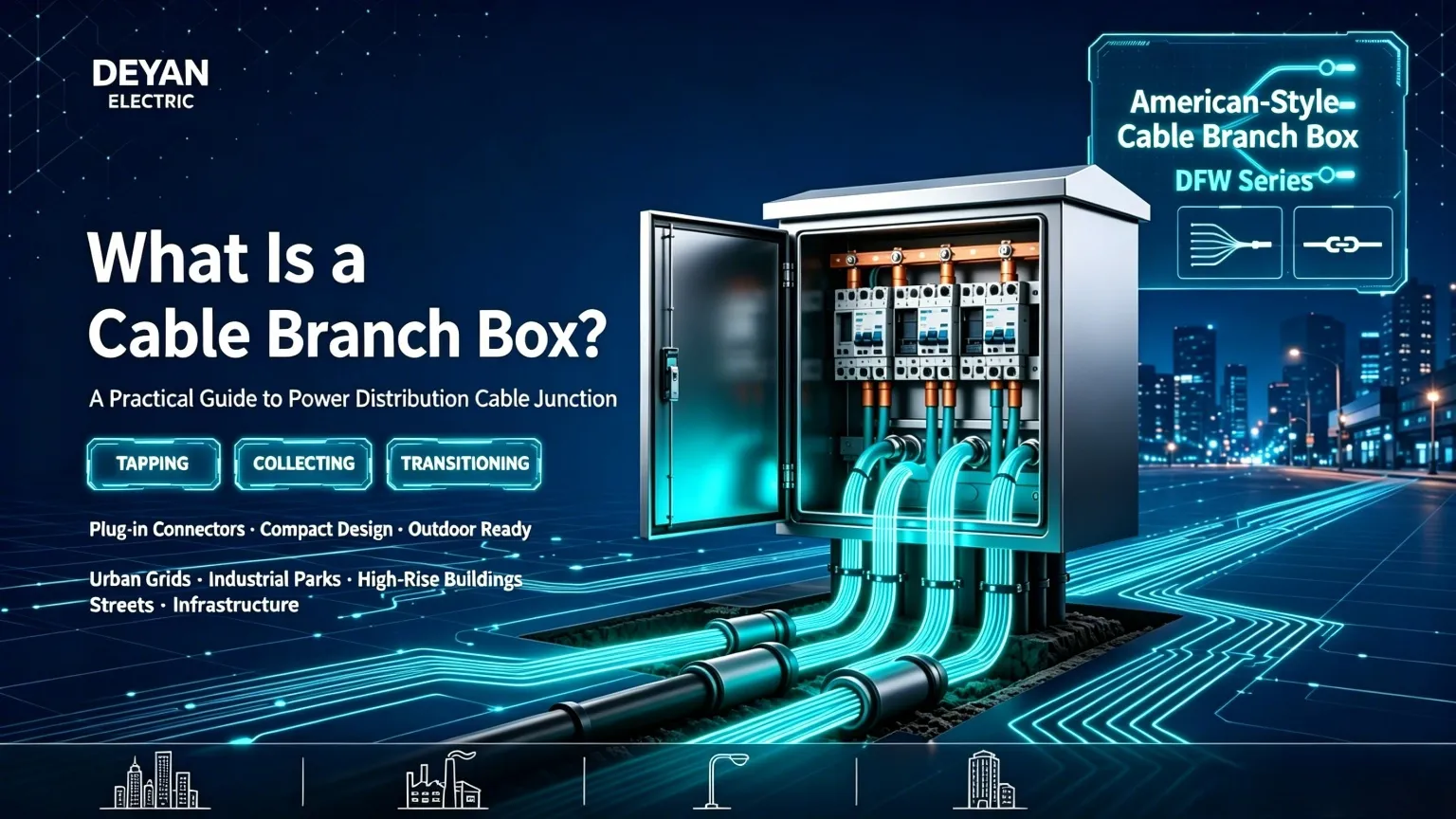
In urban distribution networks, cable lines run in every direction, and electrical energy needs to be distributed from main cables to different load areas. The device that handles this "branching" task is the cable branch box. Though it may seem unremarkable, it is an indispensable node in cable-based distribution networks. Zhejiang Deyan Electric Co., Ltd. (DEYAN ELECTRIC), drawing on its manufacturing experience in power distribution equipment, provides a systematic introduction to the function, structure and applications of cable branch boxes.
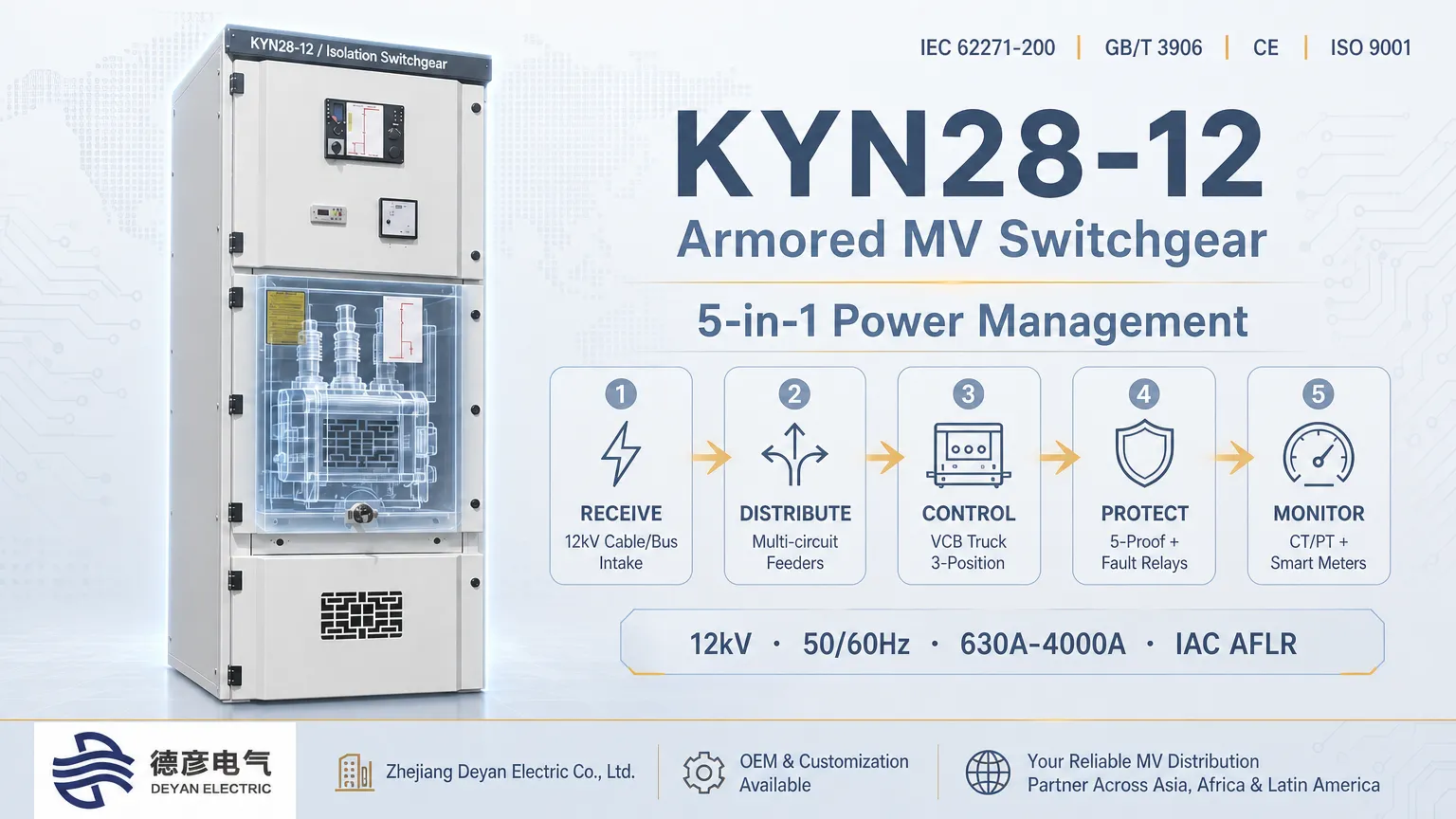
How KYN28-12 Switchgear Receives, Distributes, Controls, Protects & Monitors Power04 2026-09

How KYN28-12 Switchgear Receives, Distributes, Controls, Protects & Monitors Power

The KYN28‑12 metal‑clad withdrawable AC metal‑enclosed switchgear (medium‑voltage cabinet) is core complete‑set equipment for 12 kV indoor power distribution. Manufactured in compliance with IEC 62271‑200 and GB/T 3906, it is widely applied in substations, industrial‑mining projects, photovoltaic power plants, urban power‑grid renovation and overseas infrastructure.So how does the KYN28-12 switchgear accept, distribute electric power, and achieve circuit control, protection, and monitoring?
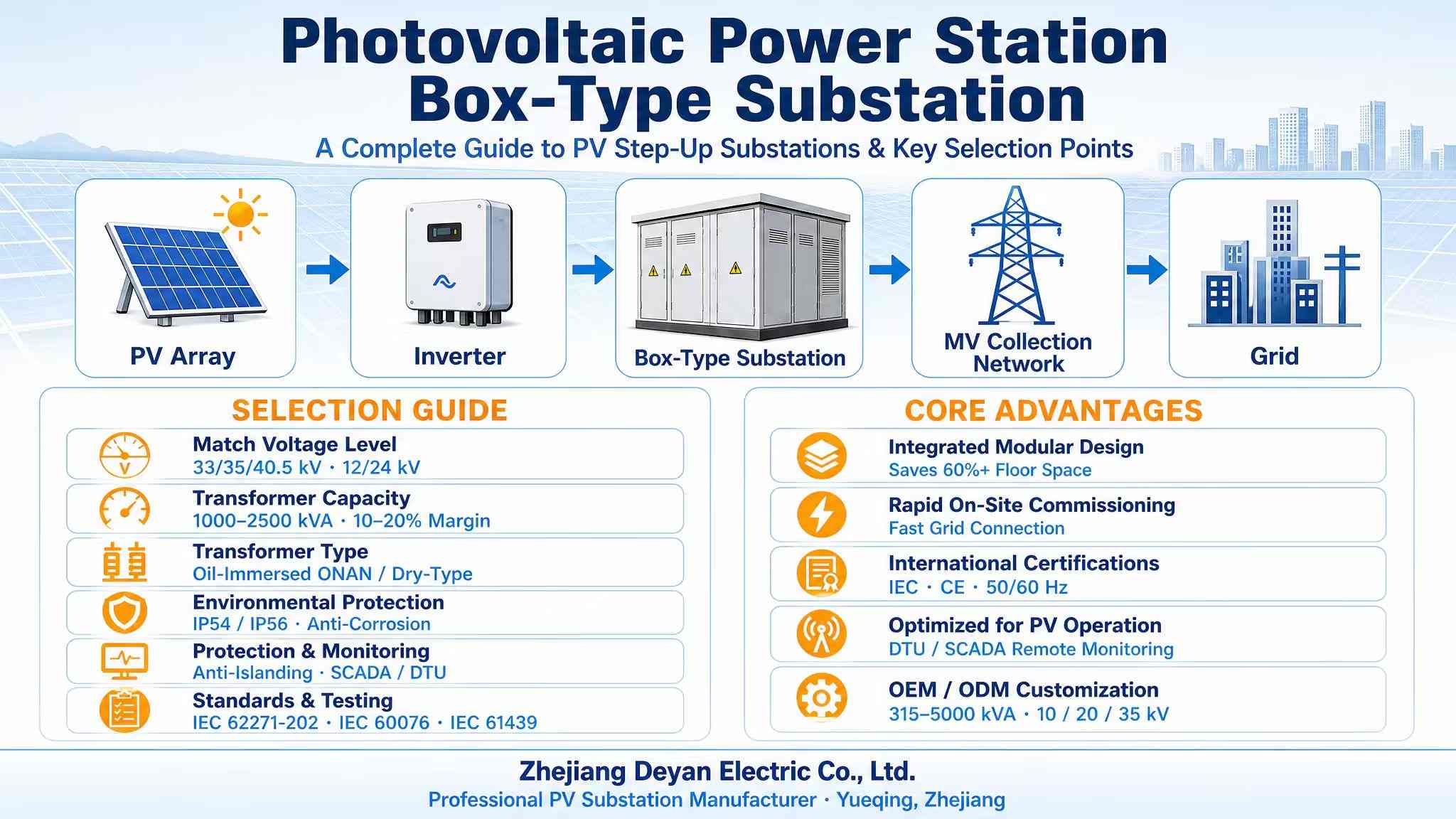
A Complete Guide to PV Step-Up Substations and Key Selection Points31 2026-08

A Complete Guide to PV Step-Up Substations and Key Selection Points

With the continuous expansion of photovoltaic (PV) power plant projects worldwide, overseas EPC contractors and PV developers urgently need power distribution equipment that offers high reliability and rapid deployment. However, PV power plants cannot directly connect to the grid on their own. The electrical energy collected by the PV module arrays needs to be stepped up from the inverter output voltage to the medium-voltage collection network, and then fed into the transmission and distribution grid---this is precisely the function of the box-type substation.
X
We use cookies to offer you a better browsing experience, analyze site traffic and personalize content. By using this site, you agree to our use of cookies. Privacy Policy
RejectAccept