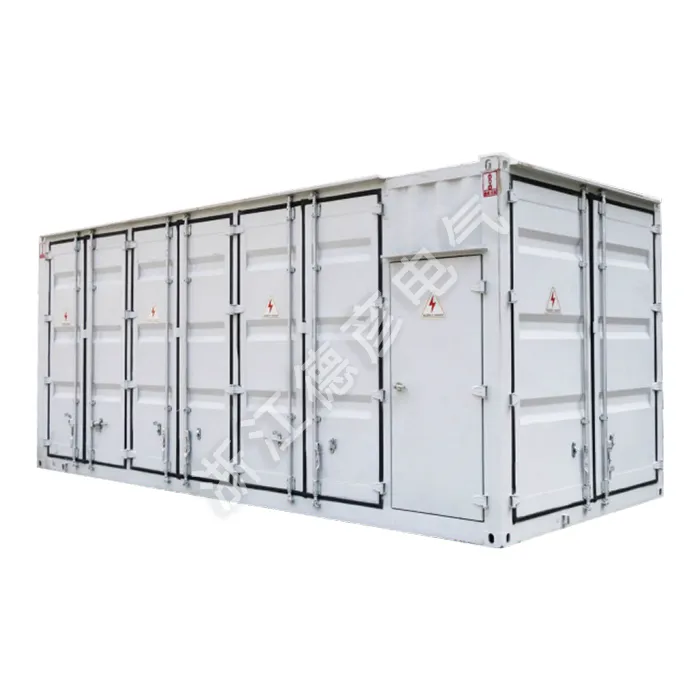
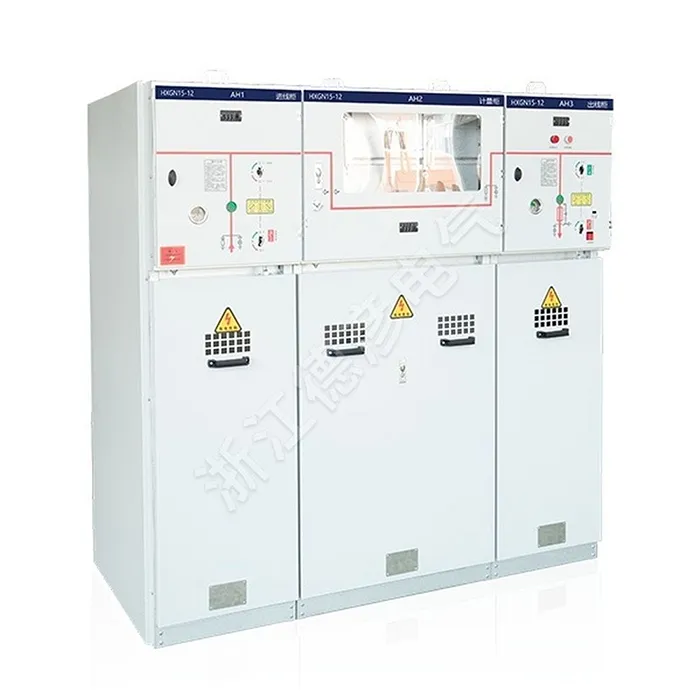
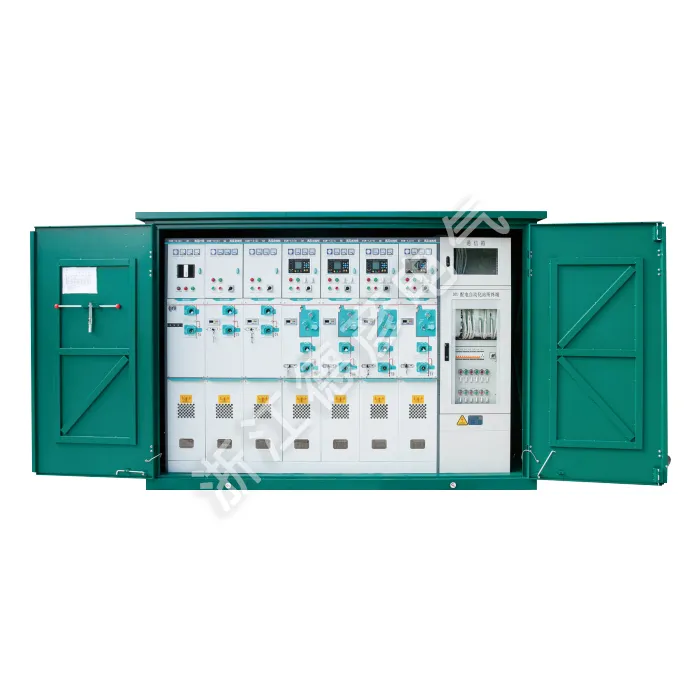
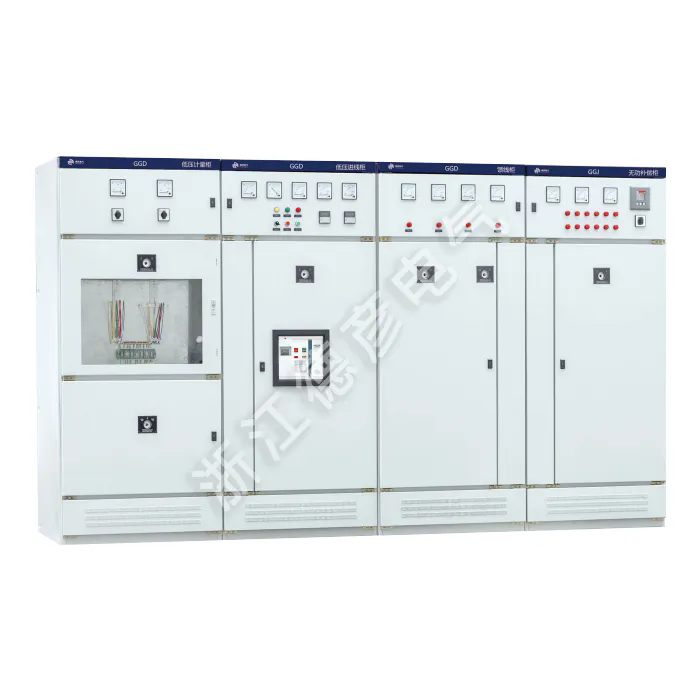
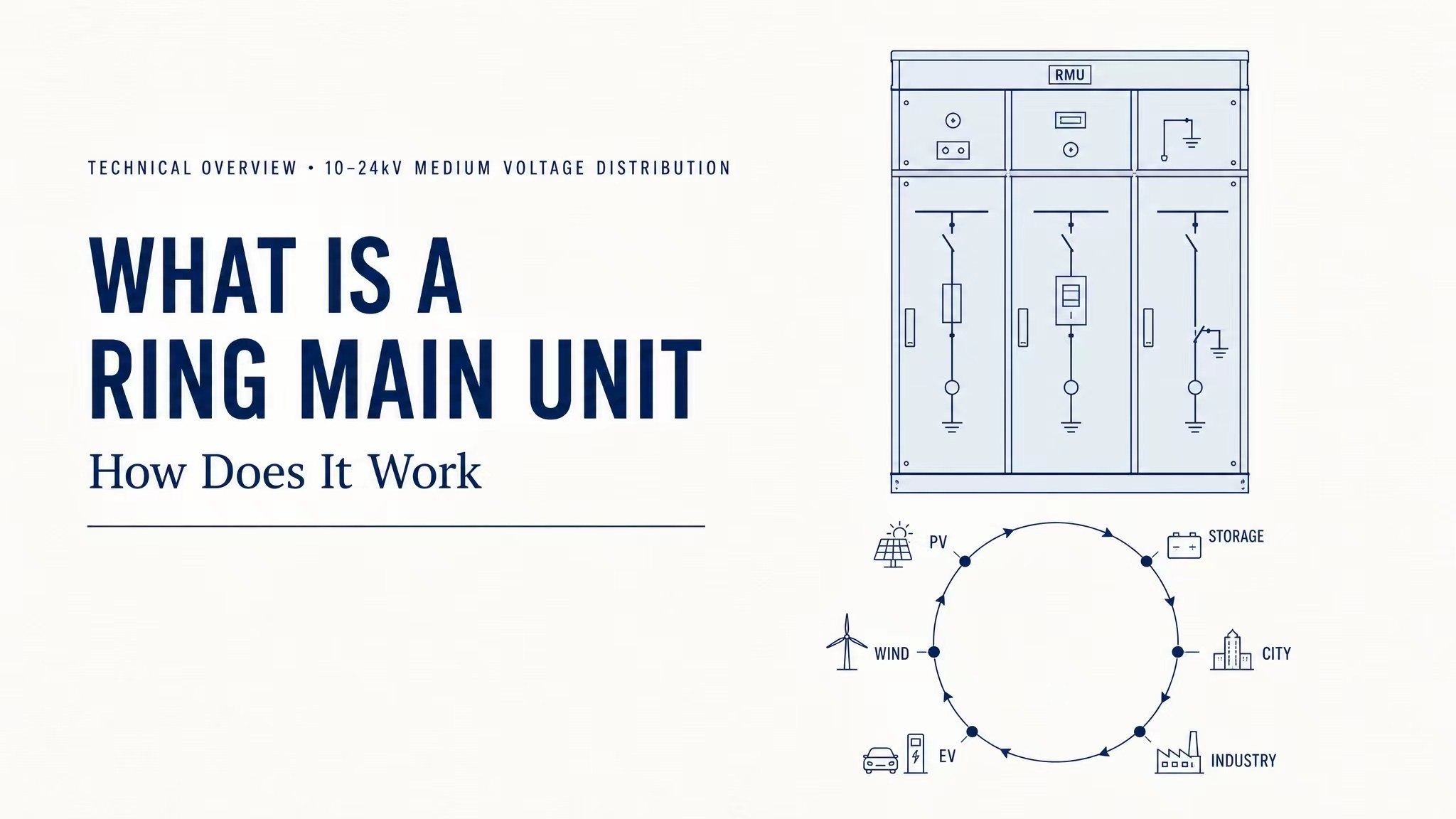
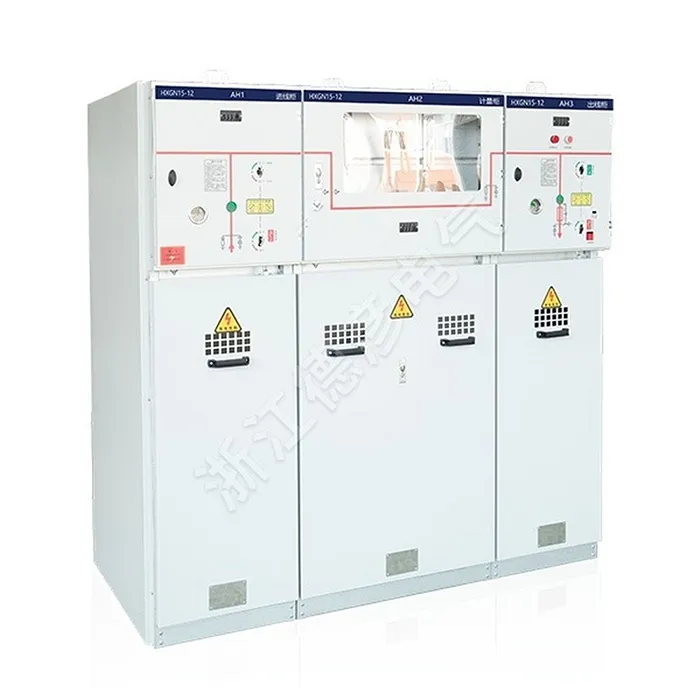
AC metal-enclosed ring main switchgear is a compact medium-voltage distribution solution designed to improve power continuity, operational safety, fault isolation, and installation efficiency. By combining switching, protection, isolation, and grounding functions inside a metal enclosure, this equipment is particularly suitable for urban distribution networks, industrial facilities, commercial buildings, infrastructure projects, and renewable energy applications. This guide explains its structure, operating principle, key technical parameters, safety features, application scenarios, and practical considerations for selecting the right configuration.
AC metal-enclosed ring main switchgear is a medium-voltage electrical distribution assembly designed to receive, distribute, switch, isolate, and protect electrical power within a ring or radial distribution network. It places the relevant switching and protection equipment inside a grounded metal enclosure, creating a compact and organized solution for medium-voltage applications.
Under IEC 62271-200, AC metal-enclosed switchgear and controlgear covers equipment with rated voltages above 1 kV and up to and including 52 kV. Ring main units are one practical form of this equipment and are widely associated with medium-voltage cable distribution systems.
The term “ring main” describes the network arrangement rather than simply the cabinet itself. In a typical ring network, power can reach a distribution point from two directions. If a cable section develops a fault, the affected section can be isolated while the remaining network continues to receive power through the alternative route.
For project owners, this architecture addresses one of the most important distribution challenges: maintaining electrical service while controlling equipment size, operating complexity, and safety risks.
Modern power networks must handle increasing loads while maintaining dependable service. Industrial plants, commercial complexes, hospitals, transportation facilities, data centers, and renewable-energy installations cannot always tolerate prolonged power interruptions.
A properly engineered ring main system provides several advantages:
These characteristics make ring main switchgear especially valuable where space is limited and continuity of electrical service is a major design priority.
Although configurations vary by manufacturer and voltage class, a typical AC metal-enclosed ring main switchgear assembly integrates several functional sections. Understanding these sections helps buyers evaluate technical proposals more accurately.
The switching section may incorporate load break switches, vacuum circuit breakers, fuse-switch combinations, disconnectors, and earthing switches. The appropriate arrangement depends on whether the equipment is primarily intended for feeder switching, transformer protection, fault interruption, or a combination of these functions.
A load break switch is generally intended for switching normal load current, while a circuit breaker provides more comprehensive fault-interruption capability. Where fuses are used, the switch-fuse combination can provide transformer and feeder protection within an appropriate application range.
For this reason, buyers should never evaluate the cabinet simply by its rated current. The complete protection philosophy must correspond to the transformer, feeder, cable, and upstream/downstream protection system.
The cable compartment provides the interface between the switchgear and the external medium-voltage network. Depending on the design, it may contain cable terminations, earthing switches, current transformers, voltage transformers, surge protection components, or other accessories.
Correct cable compatibility is essential. The required cable size, termination type, insulation level, phase spacing, and installation method should be confirmed before equipment production.
The metal enclosure separates energized components from the surrounding environment and creates a defined mechanical structure for the internal equipment. Proper compartmentalization can also help limit the consequences of internal faults.
Interlocking mechanisms are another important feature. Mechanical or electrical interlocks can help prevent unsafe operating sequences, such as closing an earthing switch while an energized circuit remains connected.
For higher-risk installations, internal arc classification and pressure-relief arrangements should be considered as part of the overall safety design. Some commercially available RMU systems specify internal arc performance according to defined test conditions, demonstrating why the exact classification should be verified rather than assumed.
The basic operating principle is straightforward. Several distribution points are connected through a looped medium-voltage network. Each ring main unit controls a section of the network and may provide a connection to a transformer or downstream load.
During normal operation, the network can operate with a defined open point or other utility-approved configuration. If a cable fault occurs, operators or an automated protection system can identify and isolate the affected section. The healthy portions of the network can then remain energized from the available supply path.
This arrangement does not mean that every ring automatically provides uninterrupted power. Actual continuity depends on network design, protection coordination, switching procedures, automation, redundancy, and utility operating requirements.
For this reason, the quality of the overall distribution scheme is just as important as the switchgear itself.
Choosing equipment based only on voltage and current can create serious project problems. A complete technical specification should consider electrical, mechanical, environmental, and safety parameters.
| Parameter | Why It Matters | Typical Buyer Concern |
|---|---|---|
| Rated voltage | Determines compatibility with the medium-voltage network. | Is the switchgear suitable for the actual system voltage and insulation requirements? |
| Rated current | Defines the continuous current carrying capability. | Can it safely handle the expected feeder or transformer load? |
| Short-time withstand current | Indicates the equipment's ability to withstand short-circuit stress for a specified duration. | Does it match the calculated fault level of the installation? |
| Peak withstand current | Addresses the electrodynamic forces produced by short-circuit current. | Is the mechanical design adequate for the network fault level? |
| Insulation level | Supports reliable operation against electrical stress. | Does the insulation coordination meet project requirements? |
| Internal arc classification | Helps evaluate personnel protection under specified internal-fault conditions. | Does the tested configuration match the intended installation? |
| Ingress protection | Controls protection against external solid objects and moisture. | Is the enclosure appropriate for indoor or outdoor conditions? |
| Altitude and temperature | Environmental conditions can influence insulation and equipment performance. | Will derating be required for the project location? |
IEC 62271-200 is particularly relevant because it establishes requirements for AC metal-enclosed switchgear and controlgear within its specified voltage range. Other standards may apply to individual components, including high-voltage switches, circuit breakers, switch-fuse combinations, disconnectors, and earthing switches.
Ring main switchgear is engineered to combine several distribution functions within a relatively compact arrangement. This is particularly useful in urban substations, commercial buildings, industrial plants, and infrastructure projects where floor space is expensive.
Multiple switching functions allow operators to isolate selected feeders, transformers, or cable sections according to the network operating plan. This can simplify maintenance and fault-management procedures.
Metal enclosures, grounding systems, interlocks, compartmentalization, and appropriate arc-performance classifications can create multiple layers of protection. However, these features must be verified against the actual product test documentation.
A properly configured RMU can integrate feeder switching and transformer protection in a standardized package. This can simplify engineering, transportation, installation, and commissioning compared with assembling multiple separate components.
The same basic architecture can support conventional utility distribution as well as industrial, commercial, renewable-energy, transportation, and other medium-voltage applications.
AC metal-enclosed ring main switchgear is suitable for a broad range of medium-voltage distribution environments.
Commercial and industrial projects often prioritize compact dimensions, reliable switching, straightforward maintenance, and clear protection coordination. Renewable-energy projects may place additional emphasis on remote operation, environmental resistance, monitoring, and automation.
Purchasing medium-voltage switchgear is a technical decision rather than simply a price comparison. Before placing an order, project engineers and procurement teams should prepare a detailed technical schedule.
A clear technical specification at the beginning of the project can significantly reduce quotation misunderstandings, redesign work, delivery delays, and commissioning issues.
Even well-designed switchgear requires correct installation and operation. Installation should follow the manufacturer's approved drawings and the applicable electrical regulations. Cable termination quality is especially important because poor termination can create localized electrical stress, overheating, or insulation failure.
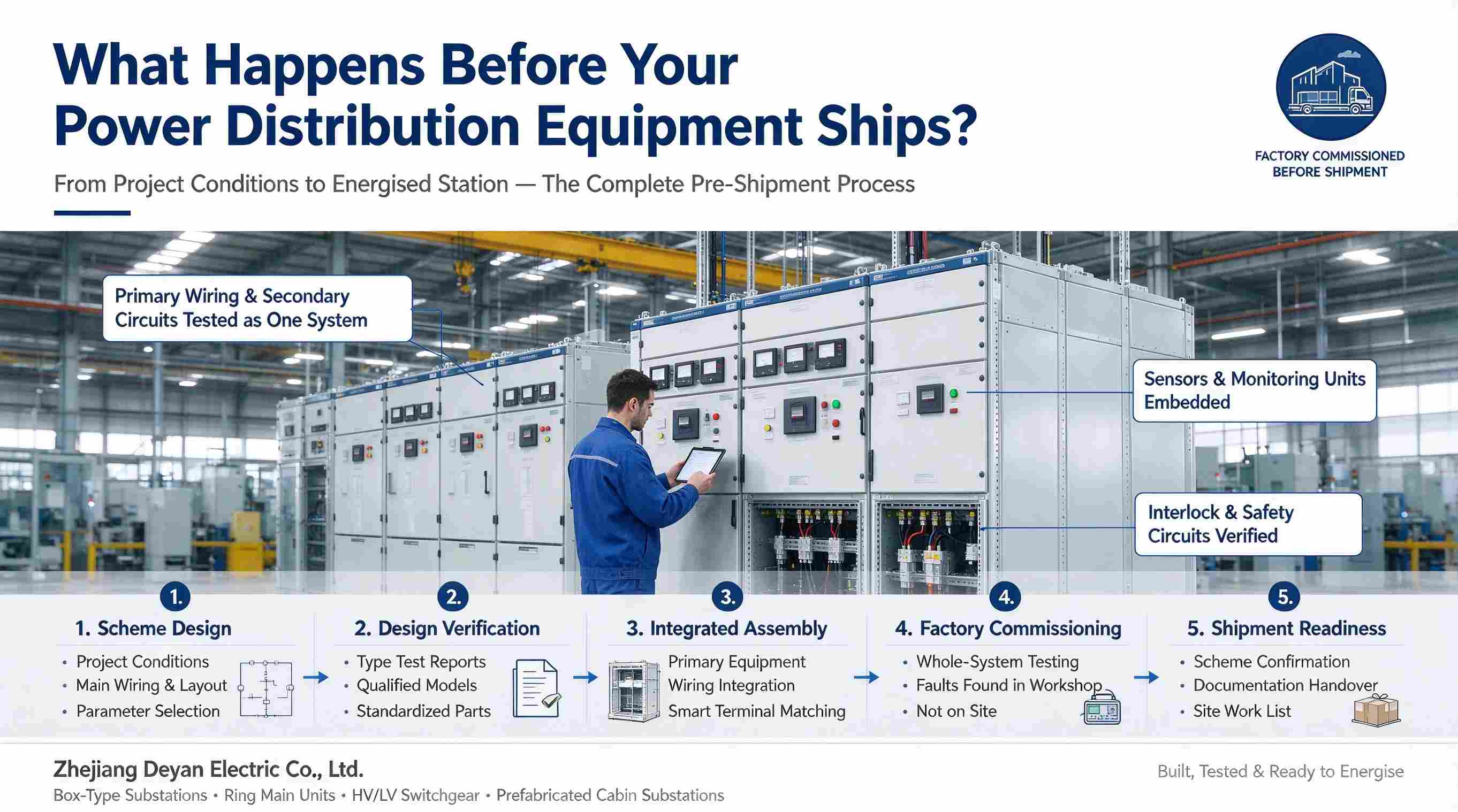
Before energization, project teams should verify mechanical operation, electrical interlocks, grounding continuity, cable connections, protection settings, auxiliary circuits, indication systems, and other relevant functions.
Routine maintenance should be based on the manufacturer's instructions and actual operating environment. Inspection intervals may need adjustment for heavily polluted locations, high humidity, frequent switching, or demanding industrial conditions.
For intelligent distribution systems, optional monitoring and remote-control functions can also be considered. These functions may improve operational visibility and support faster response to abnormal conditions when properly integrated with the site's control architecture.
Ring main switchgear can be designed around different insulation technologies. Air-insulated configurations use air as the primary insulating medium, while gas-insulated designs place critical components in an enclosed insulating environment. Solid-insulated solutions are also available in some product ranges.
| Feature | Air-Insulated | Gas-Insulated | Solid-Insulated |
|---|---|---|---|
| Space efficiency | Generally requires more internal space | Typically compact | Typically compact |
| Environmental sealing | Depends strongly on enclosure design | Strong protection of enclosed live parts | Solid insulation surrounds critical conductive parts |
| Maintenance approach | Depends on equipment construction | Often designed for low-maintenance operation | Generally designed for low-maintenance operation |
| Project consideration | Accessibility and installation space | Sealing, gas management, environmental requirements | Insulation technology and long-term material performance |
The best configuration depends on the project environment rather than a universal “best” technology. Buyers should evaluate space, maintenance philosophy, environmental requirements, lifecycle considerations, local regulations, and the manufacturer's available test evidence.
It is a medium-voltage switchgear assembly enclosed in a metal housing and designed primarily for switching, isolation, protection, and distribution within ring or radial power networks.
Many commercial RMU products are designed for medium-voltage networks such as 11 kV, 12 kV, or 24 kV systems, while other configurations can cover additional voltage classes. The correct rating must always be matched to the project network.
No equipment can eliminate every outage. A ring arrangement can, however, improve supply continuity by allowing a faulted section to be isolated while healthy sections may remain energized through an alternative supply path.
A load switch is primarily intended to switch normal load current within its specified capability. A circuit breaker is designed to interrupt fault currents as well as perform normal switching duties within its rated performance. The protection scheme should determine which device is appropriate.
IEC 62271-200 specifies requirements for AC metal-enclosed switchgear and controlgear for rated voltages above 1 kV and up to and including 52 kV. It provides an important reference for evaluating the construction, testing, and performance of applicable equipment.
Yes, outdoor versions can be designed with appropriate enclosure protection and environmental resistance. However, outdoor installation requires specific consideration of moisture, temperature, dust, corrosion, solar exposure, and site conditions.
Depending on the project, useful documentation can include a technical datasheet, single-line diagram, general arrangement drawing, wiring diagram, type-test documentation, routine-test records, installation manual, operation manual, and applicable certificates.
Start with the network voltage, continuous current, fault level, protection philosophy, cable configuration, insulation requirements, environmental conditions, installation space, safety requirements, and applicable standards. These parameters should then be matched with the manufacturer's tested product configuration.
AC metal-enclosed ring main switchgear plays an important role in modern medium-voltage distribution because it combines compact construction, controlled switching, fault isolation, grounding, and protection functions in an integrated assembly. Its value is particularly evident in networks where continuity of supply, limited installation space, operational safety, and simplified distribution architecture are important.
For engineers and procurement teams, the most reliable approach is to select equipment according to the complete electrical system rather than focusing on one specification such as rated current or cabinet size. Voltage level, fault current, insulation coordination, protection strategy, environmental conditions, internal arc performance, cable arrangement, interlocking, testing, and future expansion should all be considered together.
Zhejiang Deyan Electric Co.,Ltd. can support medium-voltage power distribution projects with professionally configured electrical equipment and project-oriented technical solutions. Whether the requirement involves urban distribution, industrial power supply, commercial infrastructure, or renewable-energy applications, selecting a properly matched switchgear configuration is the foundation for safe and dependable operation.
Need a suitable AC metal-enclosed ring main switchgear solution for your project? Share your voltage level, rated current, short-circuit requirement, installation environment, and network configuration with Zhejiang Deyan Electric Co.,Ltd. to discuss the appropriate technical solution. For product specifications, project consultation, and customized requirements, contact us and let our team help you build a reliable medium-voltage distribution system.
Address:No.60, Binhai South Second Road, Economic Development Zone, Yueqing City, Zhejiang Province, China
Copyright © 2025 Zhejiang Deyan Electric Co.,Ltd. All Rights Reserved. Links| Sitemap| RSS| XML| Privacy Policy