Blog

Ring Main Unit or Box-Type Substation: Which Does Your Project Need?

2026-09-18 0 Leave me a message

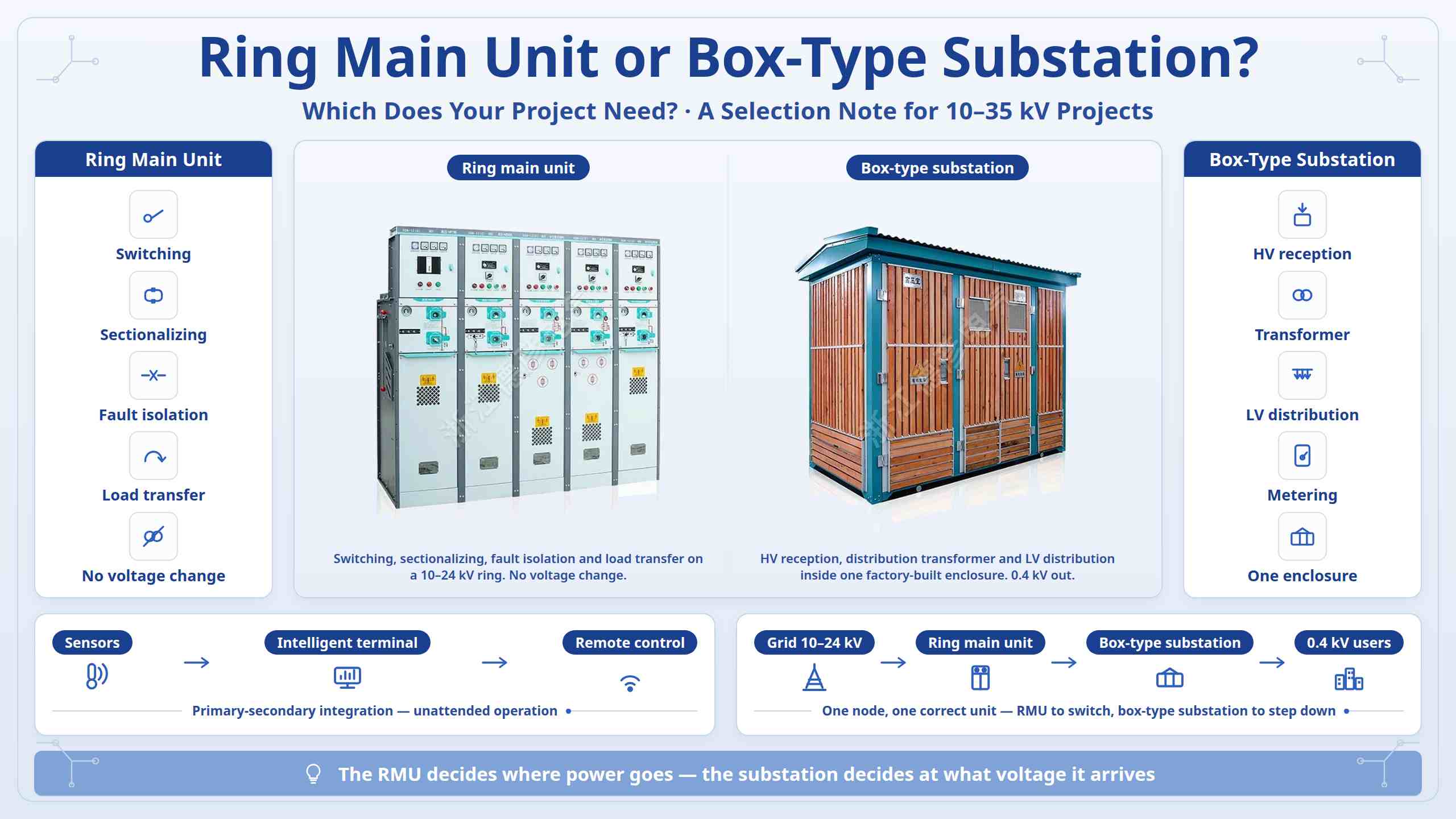
In 10-35kV distribution projects, the ring main unit (RMU) and the box-type substation are frequently mentioned in the same design review. Because both are compact and both are factory-built, they are sometimes treated as competing options. They are not. The decision comes down to one question about the node you are planning: does this point need to step voltage down and distribute low-voltage power, or does it only need to switch, sectionalize and connect lines? Zhejiang Deyan Electric Co., Ltd. (DEYAN ELECTRIC), which manufactures both product lines, sets out the practical boundary below.

I. Two Different Jobs

A ring main unit is metal-enclosed switchgear used in 10-24kV medium-voltage ring networks. Its internal components are load break switches, earthing switches and fuses. It performs switching, line sectionalizing, fault isolation and load transfer, so that a fault on one cable section can be cut off without interrupting supply to the rest of the ring. It does not change voltage.

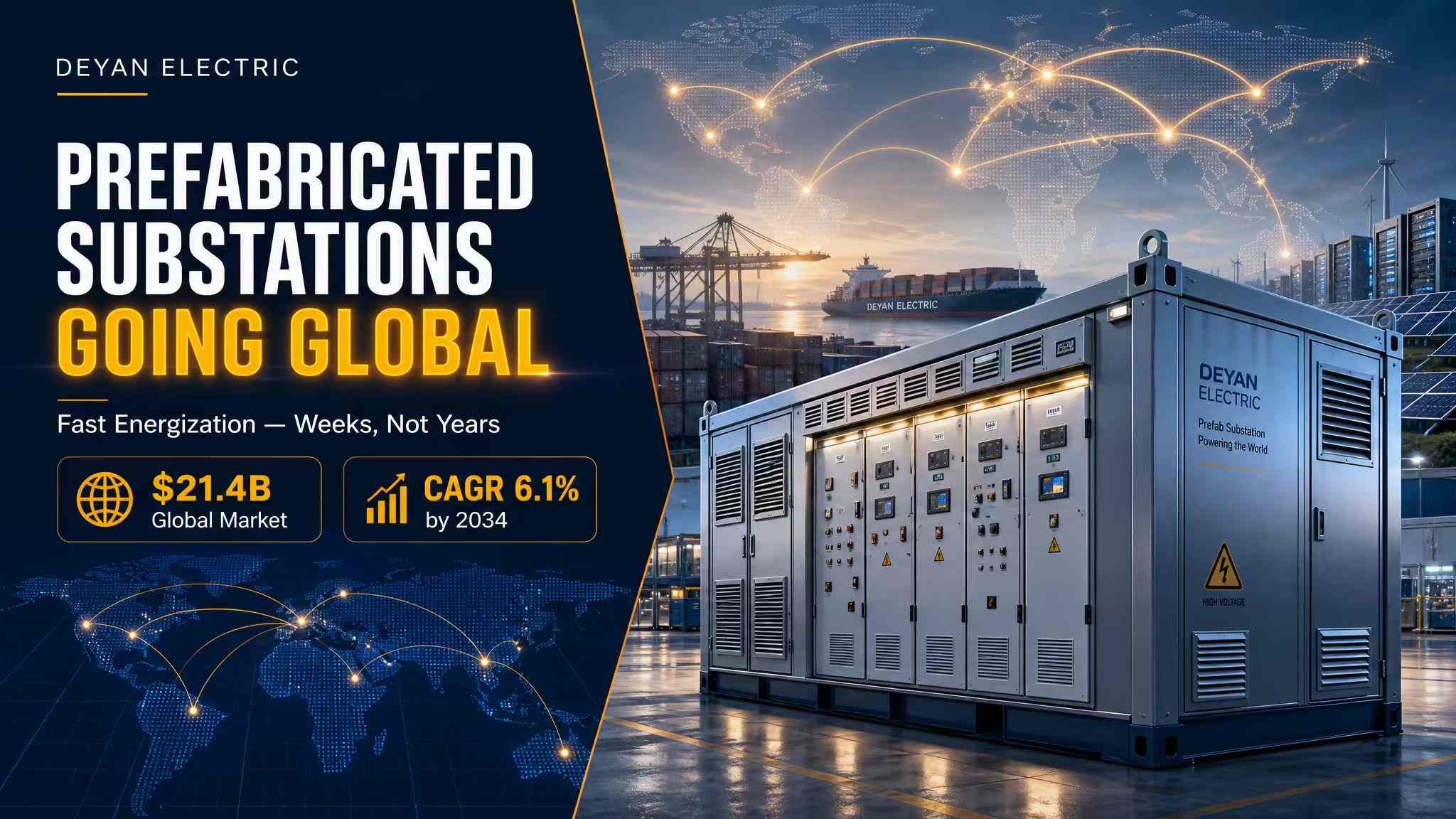
A box-type substation integrates high-voltage power reception, a distribution transformer and low-voltage power distribution — together with metering and enclosure — into one fully enclosed, movable steel structure. It is prefabricated in the factory, delivered as a whole unit, and its output is low-voltage power for end users.

In one line: an RMU decides where power goes; a box-type substation decides at what voltage it arrives and how it is distributed.

II. Matching the Model to Your Scenario

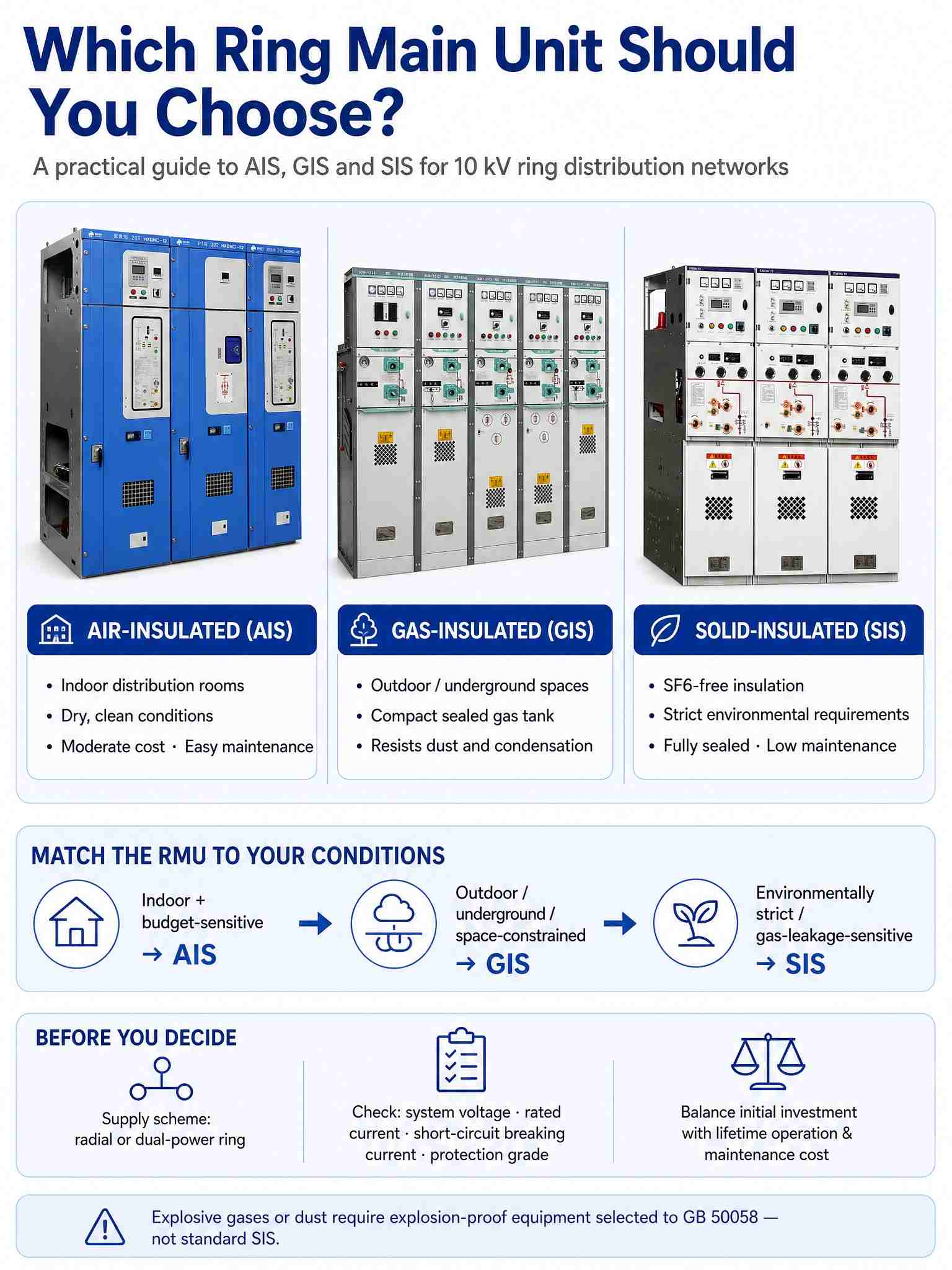
Urban cable renovation with dual-power ring supply and no local step-down calls for an RMU. Load points needing 0.4kV outgoing power — residential quarters, workshops, commercial zones, charging stations — call for a box-type substation. Outdoor, narrow, humid or dusty sites favor a gas-insulated RMU, whose sealed tank resists condensation, dust and salt fog with far less inspection. Photovoltaic, storage and charging-pile projects use both: step-up box substations and grid-connected cabinets handle conversion and grid connection, while gas-insulated RMUs handle collection and switching within a controlled footprint.

III. In Most Projects They Work Together

Inside many box-type substations, the high-voltage incoming and outgoing units are themselves ring main units with load break switches. The RMU is the switching component; the substation is the enclosure that adds transformation and low-voltage distribution around it. The boundary is therefore practical rather than competitive — if a node only switches and sectionalizes, specify an RMU; if it must also step down and distribute, specify a box-type substation; and if that station also forms part of a ring network, the two are specified together. The current mainstream direction for both is primary-secondary integration: sensors and monitoring units inside the cabinet, matched with an external intelligent distribution terminal, enabling real-time data upload, automatic fault location and isolation, remote switching control and unattended operation.

IV. What to Verify Before Confirming the Model

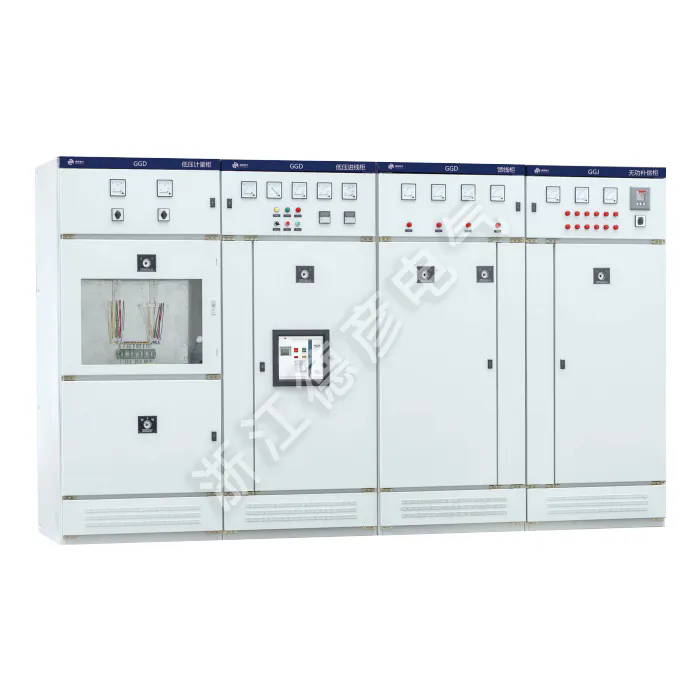
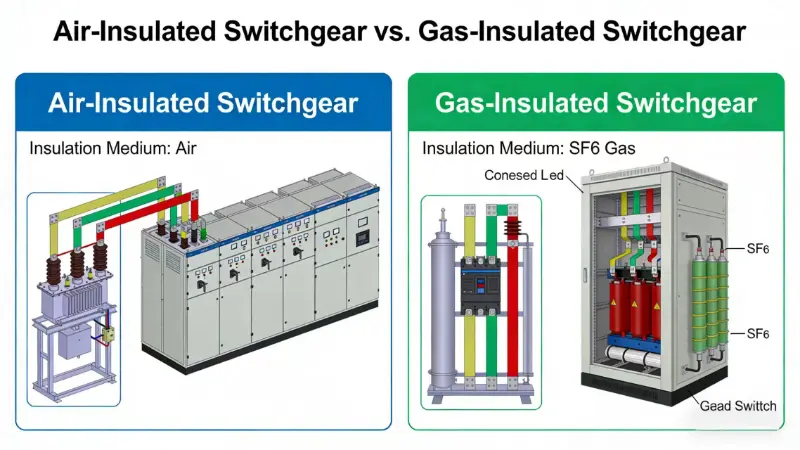
Establish first whether the network is radial or dual-power ring — this alone determines whether an RMU is needed. Then verify rated voltage (10/24/35kV), rated current and short-circuit breaking current with coordinated protection settings; site conditions including space, humidity, dust, salt fog and protection grade, with explosion-proof equipment per GB 50058 where required; and load requirements such as transformer capacity, outgoing circuits and possible relocation. Weigh first cost against life-cycle cost: air-insulated equipment suits dry indoor sites with dedicated maintenance staff, while gas-insulated equipment costs more upfront but reduces maintenance on outdoor or hard-to-inspect sites.

About Zhejiang Deyan Electric Co., Ltd.

Zhejiang Deyan Electric Co., Ltd., located in the Economic Development Zone of Yueqing City, Zhejiang Province, specializes in the R&D, production and service of industrial electrical appliances. Its core products include ring main units (air-insulated and gas-insulated), gas-insulated switchgears, box-type substations, high and low voltage switch cabinets, cable branch boxes and photovoltaic step-up box substations, serving urban grid upgrading, industrial park distribution, distributed PV stations, energy storage and municipal infrastructure. The company supports customized primary schemes, integrated assembly and factory commissioning. To define the scope between ring main units and box-type substations for your project, please contact Deyan Electric.

Related News
Leave me a message
X
We use cookies to offer you a better browsing experience, analyze site traffic and personalize content. By using this site, you agree to our use of cookies. Privacy Policy
RejectAccept