Abstract:Low voltage switchgear is a crucial component in modern electrical systems, designed to safely distribute power and protect equipment. This article provides a comprehensive overview of low voltage switchgear, including technical specifications, operational benefits, and answers to common questions. The guide aims to assist engineers, technicians, and facility managers in understanding the role of low voltage switchgear in ensuring reliable and efficient power distribution.
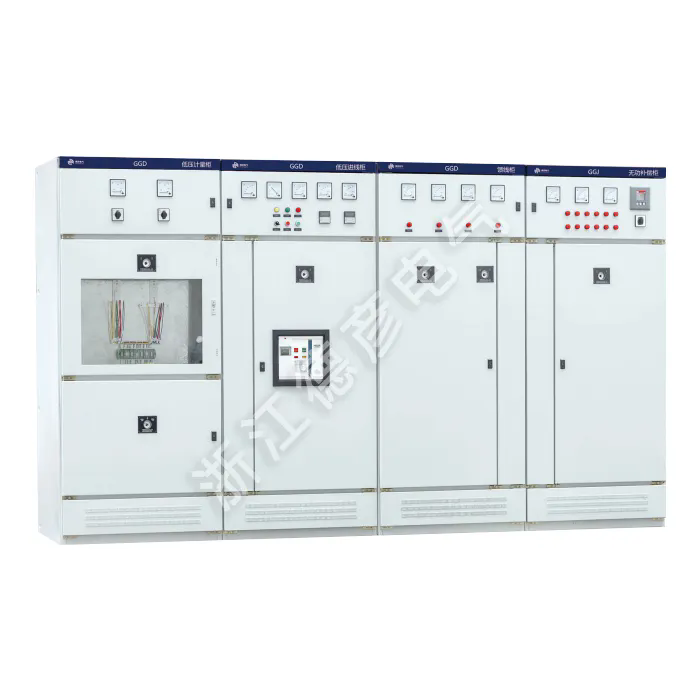
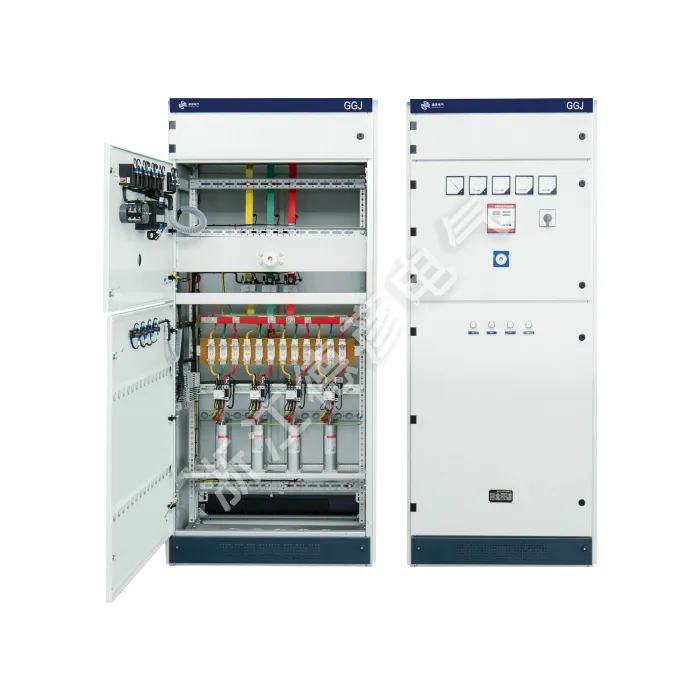
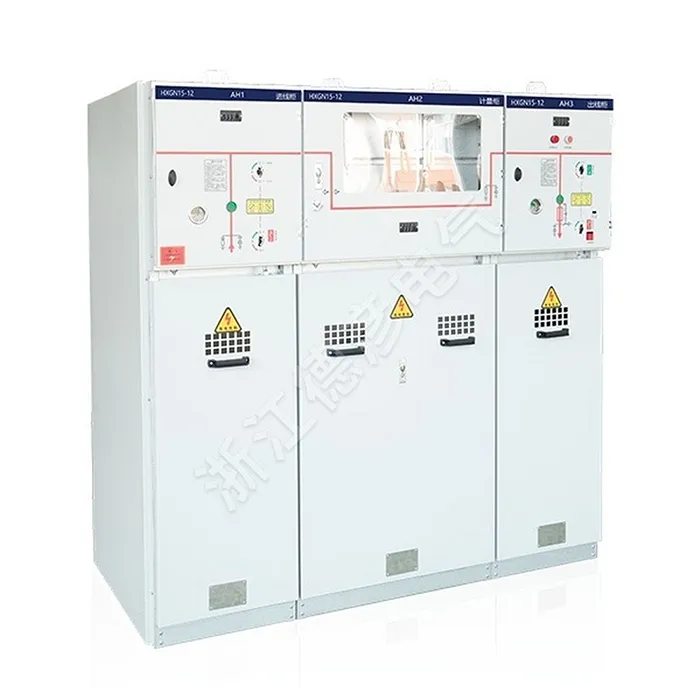
Low voltage switchgear (LV switchgear) is an electrical distribution system designed for voltages up to 1,000 volts AC or 1,500 volts DC. It provides a central point for power control, protection, and isolation in industrial, commercial, and residential facilities. By managing electrical circuits efficiently, LV switchgear minimizes downtime and prevents damage to electrical equipment caused by faults such as short circuits, overloads, or ground faults.
The primary focus of this article is to examine the specifications, operational considerations, and frequently asked questions about low voltage switchgear, while highlighting industry best practices for safe and efficient deployment.
2. Technical Specifications of Low Voltage Switchgear
Understanding the parameters of LV switchgear is essential for selecting the appropriate solution for specific electrical systems. Below is a detailed table outlining key specifications:
Parameter
Description
Typical Range / Value
Rated Voltage
Maximum operating voltage for safe operation
Up to 1,000 V AC / 1,500 V DC
Rated Current
Maximum continuous current the switchgear can handle
100 A – 6,300 A
Short-Circuit Withstand Rating
Maximum fault current that the equipment can safely interrupt
10 kA – 100 kA
Frequency
Operational frequency for AC systems
50 Hz / 60 Hz
Protection Features
Built-in devices to prevent electrical faults
Circuit breakers, fuses, relays
Construction Type
Design standards for enclosure and mounting
Metal-enclosed, cubicle, or modular type
Compliance Standards
Certifications and safety standards
IEC 61439, UL 508A
3. Common Questions About Low Voltage Switchgear
Q1: How does low voltage switchgear improve electrical safety?
A1: LV switchgear incorporates circuit breakers, fuses, and protective relays that isolate faulty circuits, preventing equipment damage and reducing fire hazards. By controlling the current flow, it ensures that overcurrent or short-circuit events do not propagate through the electrical system, maintaining safety for both personnel and equipment.
Q2: How should low voltage switchgear be maintained to ensure reliability?
A2: Regular maintenance includes visual inspections for signs of overheating, corrosion, or physical damage, testing of protective devices, lubrication of mechanical components, and cleaning of dust or debris. Adherence to manufacturer maintenance schedules and periodic thermal imaging assessments can significantly extend equipment lifespan and reliability.
Q3: How can low voltage switchgear be customized for different applications?
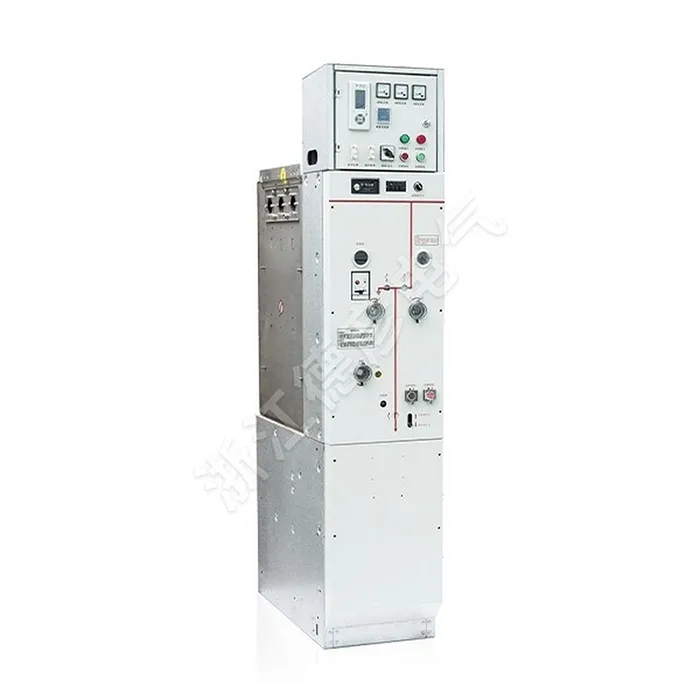
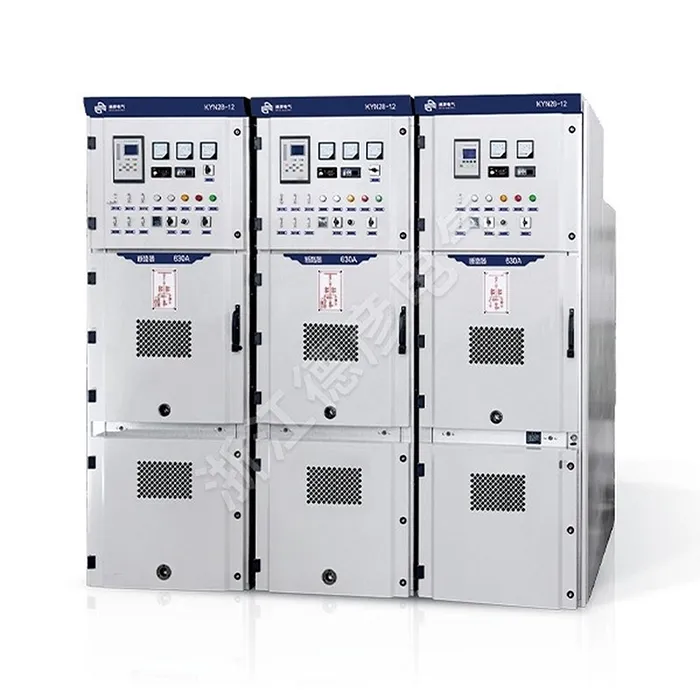
A3: LV switchgear can be tailored based on rated voltage, current capacity, number of outgoing feeders, type of protection devices, and integration with monitoring systems. Modular designs allow expansion, while specialized enclosures can meet environmental or regulatory requirements, ensuring compatibility with industrial, commercial, or utility-grade systems.
4. Applications and Industry Insights
Low voltage switchgear is widely deployed across multiple sectors due to its reliability, safety features, and flexibility. Key application areas include:
Industrial Facilities: Provides safe distribution of power for machinery, production lines, and automation systems.
Commercial Buildings: Ensures continuous electrical supply and protection for lighting, HVAC, and office equipment.
Renewable Energy Systems: Manages distribution and protection of power in solar farms and wind installations.
Utilities and Infrastructure: Centralized control for substations, airports, and transportation hubs.
Emerging trends in LV switchgear focus on digital integration, smart monitoring, and remote control. IoT-enabled switchgear allows operators to track load conditions, predict maintenance needs, and respond to faults instantly, enhancing operational efficiency.
5. Conclusion and Contact
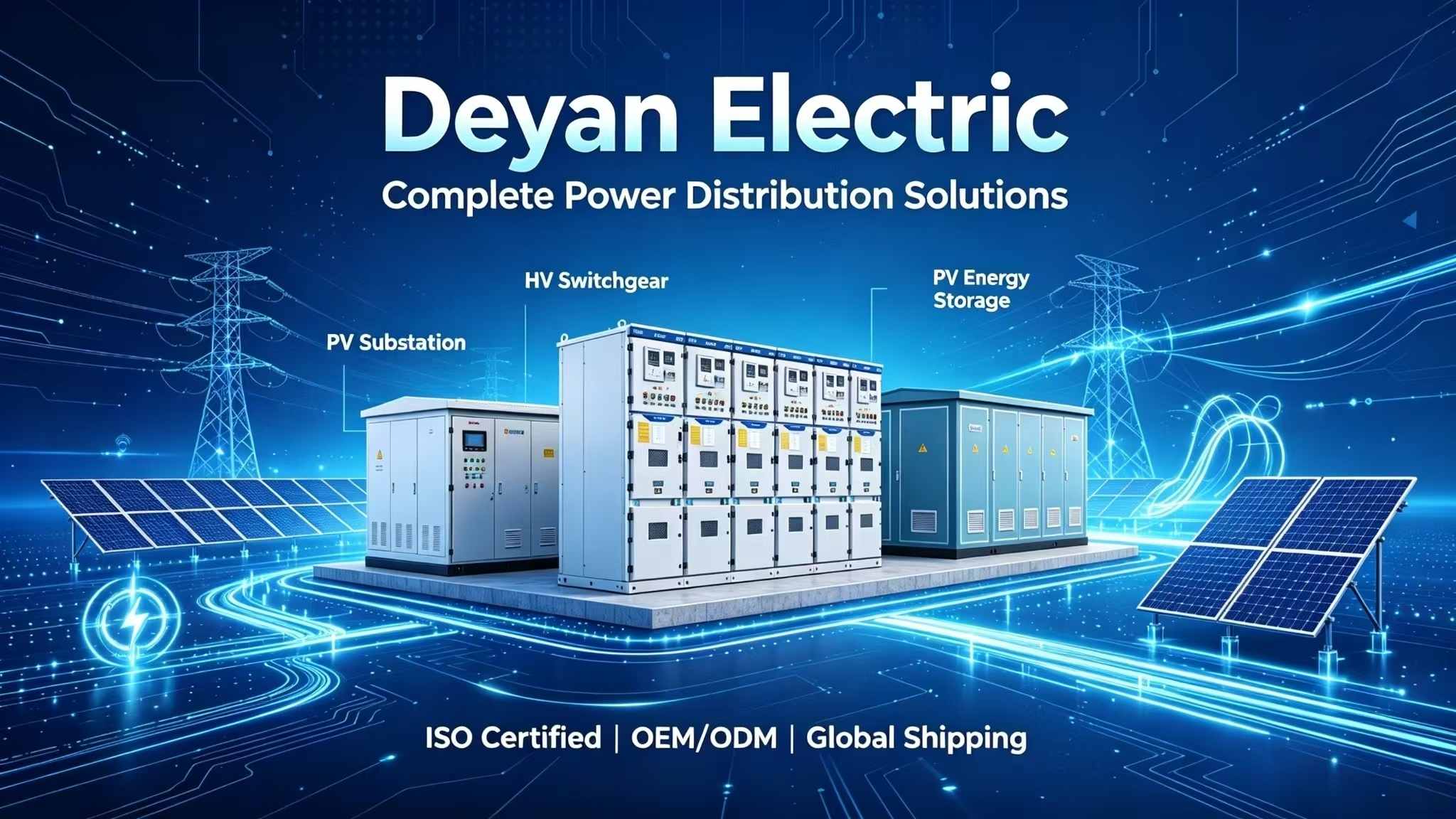
Low voltage switchgear plays a critical role in ensuring safe, reliable, and efficient electrical power distribution across various industries. Understanding its specifications, maintenance requirements, and applications is essential for optimizing system performance. Deyan Electric offers a full range of LV switchgear solutions designed to meet rigorous safety standards while providing flexibility for diverse operational needs. For inquiries or detailed consultation on suitable switchgear options, contact us today.
We use cookies to offer you a better browsing experience, analyze site traffic and personalize content. By using this site, you agree to our use of cookies. Privacy Policy