Blog

What Is High Voltage Switchgear?

2025-12-24 0 Leave me a message
What Is High Voltage Switchgear? A Comprehensive Guide

High voltage switchgear is essential electrical equipment used to control, protect, and isolate parts of a high-voltage power system. This detailed guide explores its definition, components, types, application scenarios, safety considerations, standards, and how to choose the best solution for your power project. We also include a robust FAQ section addressing common industry questions.

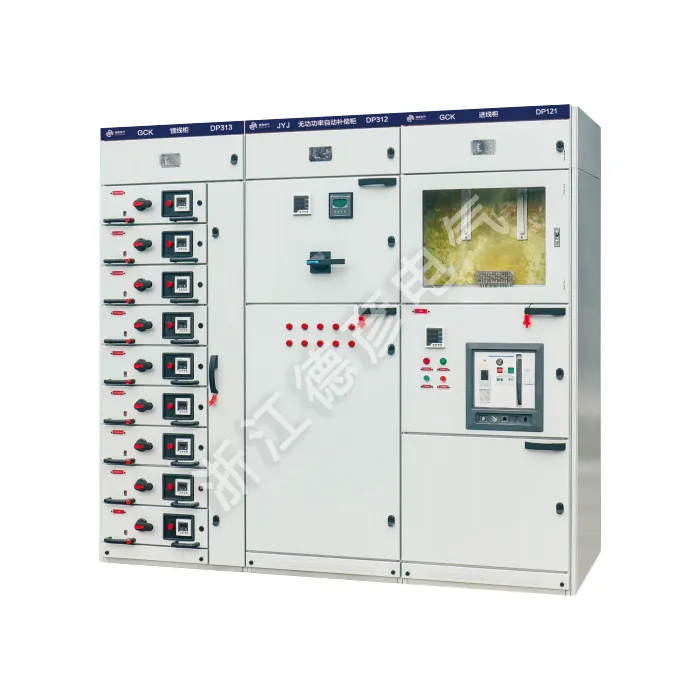
High voltage switchgear

Table of Contents

  1. What Is High Voltage Switchgear?
  2. How Does High Voltage Switchgear Work?
  3. What Are the Key Components?
  4. Which Types Are Used?
  5. Where Is High Voltage Switchgear Used?
  6. Why Is Safety Critical?
  7. How to Select the Right Switchgear?
  8. FAQ

What Is High Voltage Switchgear?

High voltage switchgear refers to electrical switchgear equipment designed to operate at voltages above 1,000 volts in AC systems (and above 1,500 V in DC systems). It plays a pivotal role in handling power distribution in large-scale electrical networks, particularly in substations, power plants, and major industrial installations. 

This equipment integrates protective relays, circuit breakers, isolators, disconnect switches, and other devices that together ensure that electrical power can be safely connected, disconnected, and controlled when needed.

How Does High Voltage Switchgear Work?

High voltage switchgear operates by rapidly interrupting electrical current to prevent equipment damage and ensure safety during faults such as overloads and short circuits. The system constantly monitors current and voltage; when abnormal conditions are detected, protective devices like circuit breakers open to cut off the current and isolate the issue. 

Switchgear also enables scheduled disconnections for maintenance without impacting the uninterrupted sections of the grid, improving system reliability and uptime.

What Are the Key Components of High Voltage Switchgear?

Component Function
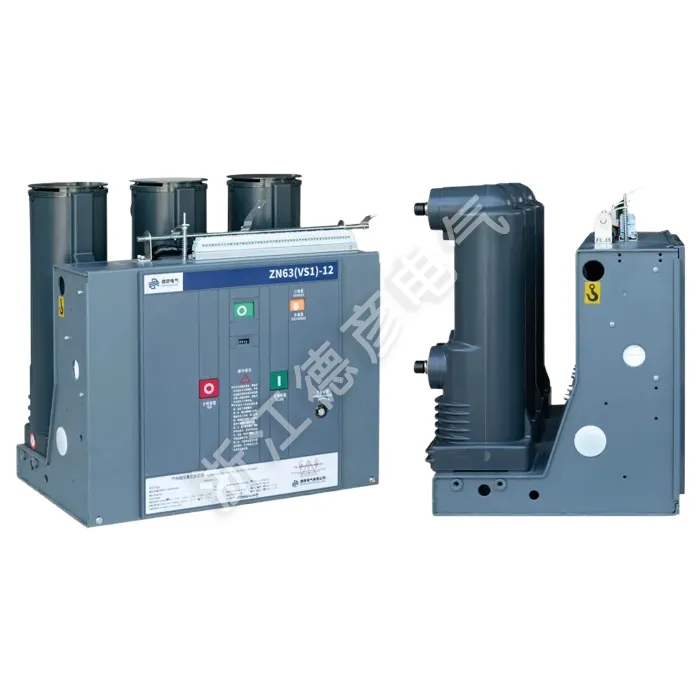
Circuit Breaker Interrupts current in fault conditions to protect equipment.
Disconnector (Isolator) Provides safe isolation for maintenance.
Protective Relay Detects abnormal electrical conditions and triggers breakers.
Busbars Distribute power within the switchgear assembly.
Transformers (Instrument Type) Measure voltage and current for monitoring and protection.

The combination of these components ensures comprehensive control, protection, and monitoring of power systems.

Which Types of High Voltage Switchgear Are Common?

High voltage switchgear can be categorized in several ways:

  • By Insulation Medium: Air‑Insulated Switchgear (AIS) and Gas‑Insulated Switchgear (GIS). 
  • By Installation Location: Indoor and Outdoor switchgear units.
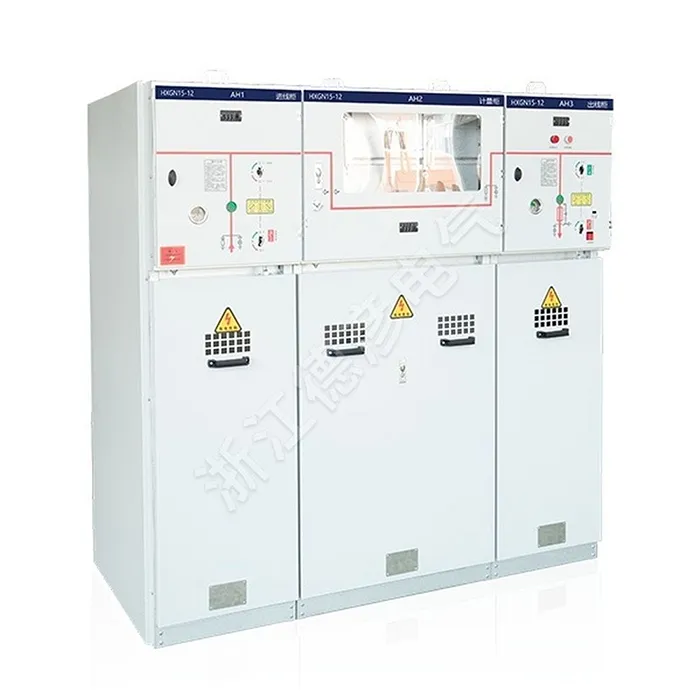
  • By Application Purpose: Transmission, Distribution, and Ring Main Units (RMU).

Each type has its advantages in terms of space, cost, safety, and environmental requirements. 

Where Is High Voltage Switchgear Used?

High voltage switchgear is essential across many sectors, including:

  • Electrical substations and transmission grids.
  • Power generation plants and renewable energy facilities.
  • Heavy industrial plants, manufacturing, and mining operations.
  • Infrastructure projects such as airports and rail systems.

Its role in stable power distribution and fault mitigation makes it indispensable in modern electrical systems.

Why Is Safety Critical With High Voltage Switchgear?

Working with high voltage systems entails serious safety risks, including arc flashes that can reach extreme temperatures and electrocution hazards. Strict safety protocols, protective equipment, and well‑trained operators are required to manage these risks effectively. 

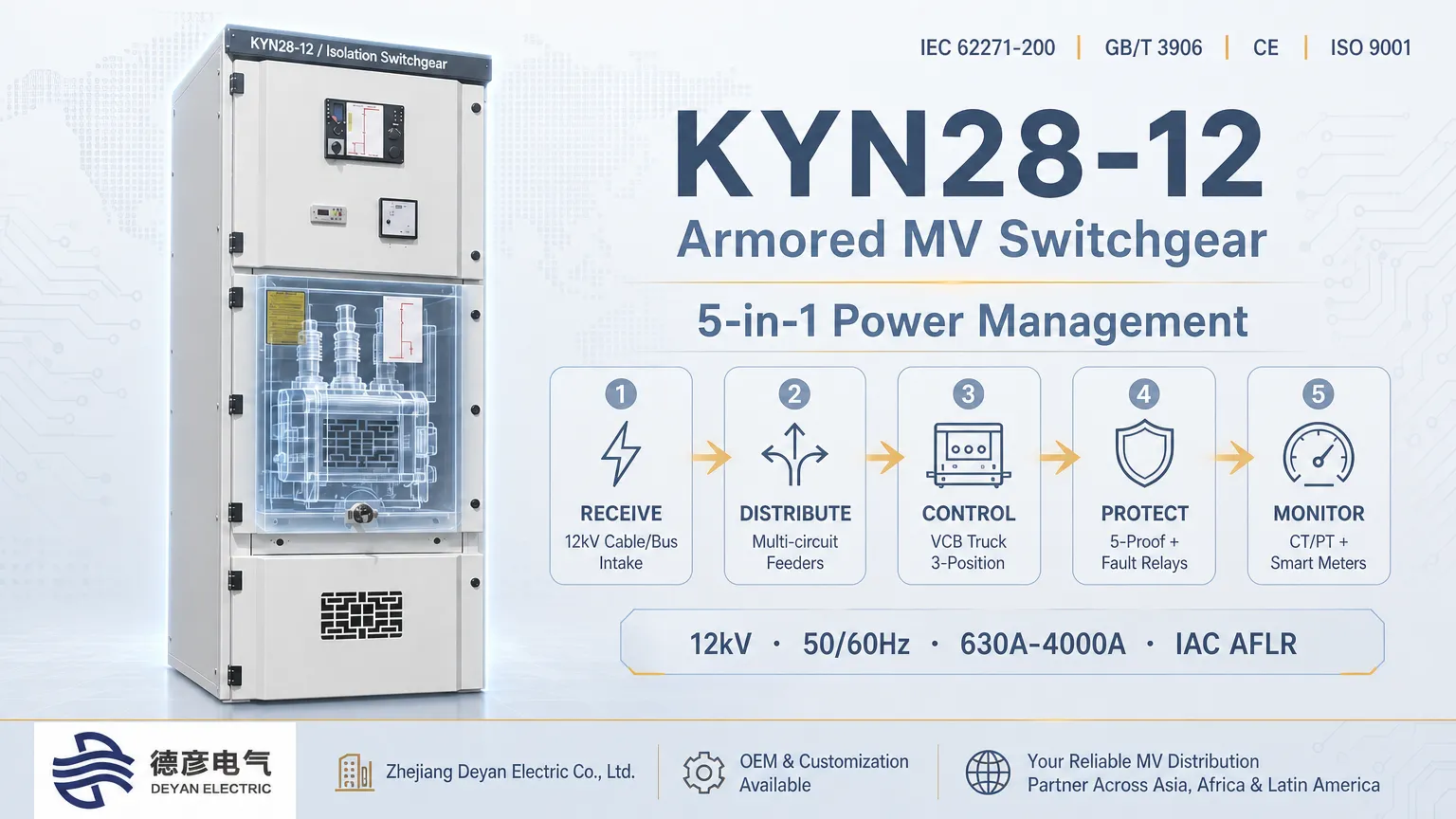
Well‑designed safety interlocks and five‑prevention features prevent operations like closing breakers under load or opening live compartments, safeguarding both personnel and equipment. 

How to Select the Right High Voltage Switchgear?

Choosing the correct system involves evaluating:

  • Required voltage and current levels.
  • Environmental conditions such as temperature and humidity.
  • Compliance with international standards like IEC 62271. 
  • Maintenance needs and lifecycle costs.

Working with experienced suppliers ensures the best match for performance and safety requirements. For high‑quality solutions, consider options from established manufacturers such as Zhejiang Deyan Electric Co.,Ltd., which specializes in reliable power distribution equipment including high voltage switchgear. 

Frequently Asked Questions

What is high voltage switchgear?

High voltage switchgear is electrical equipment designed to control, protect, and isolate parts of a high‑voltage power system, typically above 1,000 volts, ensuring safe operation and fault management. 

How does high voltage switchgear improve safety?

By interrupting current during overloads, isolating faulted sections, and preventing unsafe operations through interlocks, switchgear greatly reduces electrical hazards and protects personnel and equipment. 

What are the main components of high voltage switchgear?

The key components include circuit breakers, disconnectors, protective relays, busbars, and instrument transformers, each contributing to monitoring, control, and protection of electrical networks. 

Why is environmental condition important when selecting switchgear?

Temperature, humidity, and contaminants influence insulation performance and corrosion resistance, impacting longevity and reliability of switchgear.

Which standards govern high voltage switchgear design?

Standards such as the IEC 62271 series define requirements for the design, testing, and safe operation of high voltage switchgear to ensure quality and compliance.

Related News
Leave me a message
X
We use cookies to offer you a better browsing experience, analyze site traffic and personalize content. By using this site, you agree to our use of cookies. Privacy Policy
RejectAccept