Blog

What's the different between AIS and GIS switchgear?

2026-03-25 0 Leave me a message

In the world of high-voltage power distribution, the choice between Air Insulated Switchgear (AIS) and Gas Insulated Switchgear (GIS) is one of the most critical decisions for any substation project. As a professional manufacturer in the electrical industry, Deyan Electric Company understands that this choice impacts everything from land acquisition costs to long-term operational reliability. But what exactly sets these two technologies apart, and how do they align with different project needs?

The Fundamental Difference: Insulation Medium

The most basic distinction between AIS and GIS lies in the medium used to insulate the live electrical components. 

AIS (Air Insulated Switchgear): This traditional technology uses atmospheric air as the primary insulating medium [citation:cite]. To prevent electrical flashover, conductors must be separated by large air gaps. This results in equipment with a large physical footprint, where components are visibly exposed to the environment. 

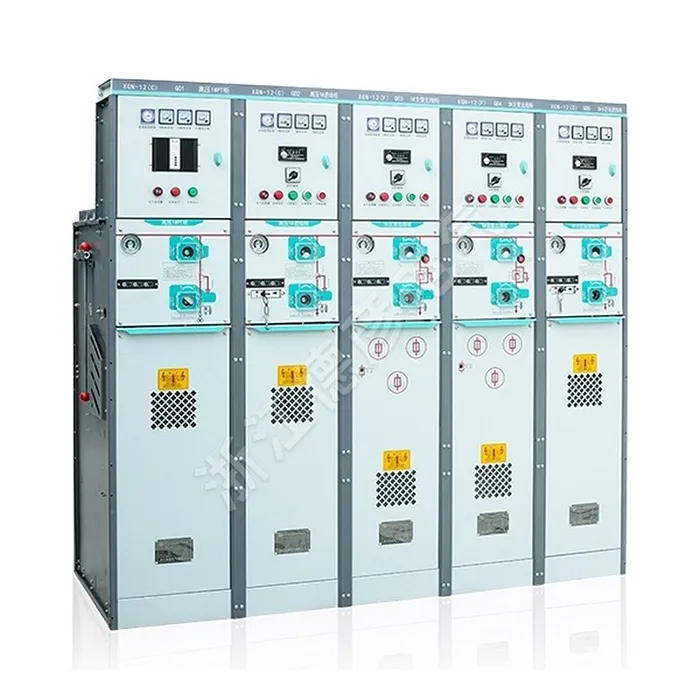
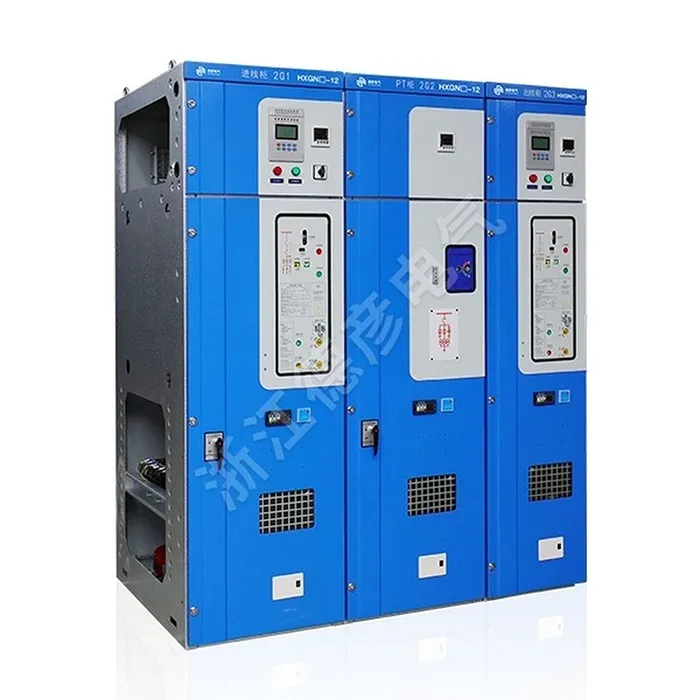
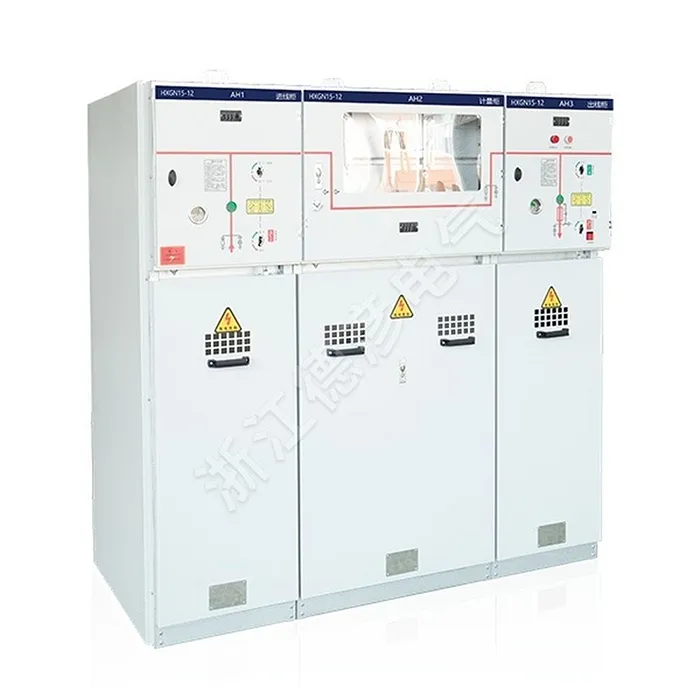
GIS (Gas Insulated Switchgear): GIS technology encloses all live parts within a grounded metal housing filled with a dielectric gas—most commonly sulfur hexafluoride (SF6) [citation:cite]. SF6 has insulating properties far superior to air, allowing internal components to be placed very close together, dramatically reducing the overall size of the switchgear.

Deyan Electric's Role in the Switchgear Landscape

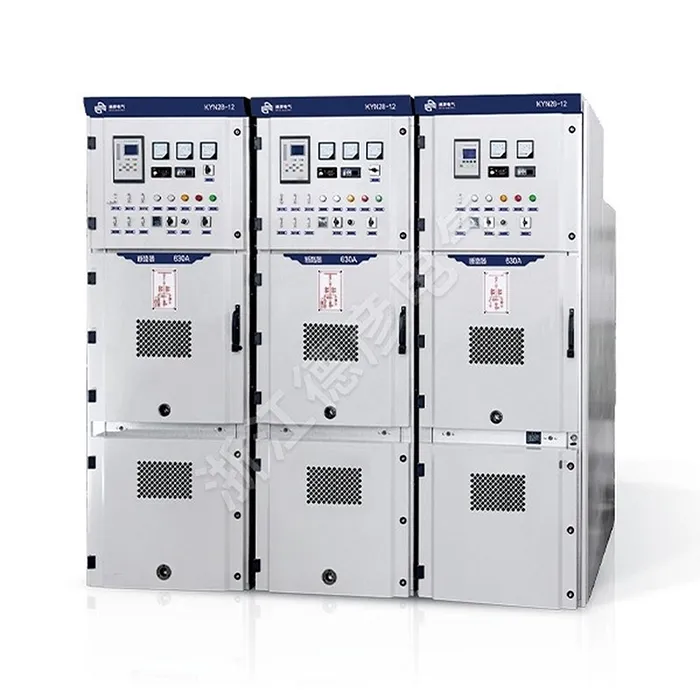
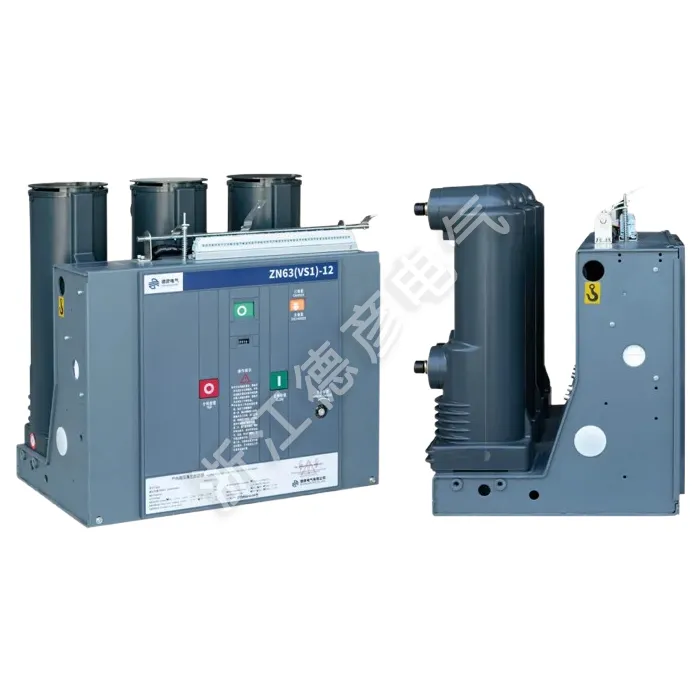
Zhejiang Deyan Electric Co., Ltd. , established in April 2020, operates within the electrical machinery and equipment manufacturing sector . The company is professionally engaged in the manufacturing of distribution switchgear control equipment, mechanical and electrical equipment, and power electronic components . This places Deyan Electric in a strategic position to offer solutions that cater to both AIS and GIS applications, depending on the specific demands of the project.

Key Differences at a Glance

The choice between AIS and GIS affects nearly every aspect of a substation project.


1. Footprint and Land UseThis is the most visible difference. Because of air's poor insulating properties, AIS requires vast open spaces.

AIS: Requires a very large footprint. A typical AIS substation can be 10 to 20 times larger than an equivalent GIS substation.

GIS: Offers a compact, modular design. For manufacturers like Deyan Electric, producing GIS means enabling projects in land-constrained locations such as urban centers, industrial plants, and indoor substations, where space is at a premium .

2. Cost ConsiderationsThe financial analysis involves both initial capital expenditure (CAPEX) and long-term operational expenditure (OPEX).

AIS: Typically has a lower initial procurement cost. The materials are simpler, and the civil works, while extensive, are less complex.

GIS: Carries a significantly higher upfront cost due to precision engineering and specialized components. As a manufacturer of electrical equipment, Deyan Electric focuses on delivering value by ensuring that the premium paid for GIS is offset by savings in land acquisition and long-term maintenance for the client .

3. Reliability and Environmental Adaptability

AIS: Performance is directly affected by the surrounding environment. Humidity, pollution, and contamination can degrade insulation performance, leading to potential flashovers.

GIS: The fully sealed enclosure isolates internal components from harsh environments like coastal salt fog, desert dust, and high pollution levels. This ensures consistent performance and high reliability—a key advantage for projects in challenging locations.

4. Maintenance and LifespanMaintenance strategies differ greatly between the two technologies.

AIS: Components are exposed and easily accessible, making visual inspection straightforward. However, exposure to the elements means AIS typically requires more frequent maintenance.

GIS: The sealed design means components are inaccessible without specialized procedures. The advantage is that maintenance is rarely needed. GIS offers long maintenance intervals and a longer overall lifespan, often exceeding 30 years.

Deyan Electric's Manufacturing Capabilities

As a company operating in the electrical machinery  industry, Deyan Electric is involved in the production of:

Distribution switchgear control equipment

Mechanical electrical equipment

Power electronic components

Plastic products and communication equipment

This diverse manufacturing background allows Deyan Electric to support both AIS and GIS technologies, providing components that meet the rigorous standards required for modern power distribution systems.

How to Choose: Which One is Right for Your Project?The decision between AIS and GIS is not about which is universally better, but which is more appropriate for the specific application.

Choose AIS when:

Land is readily available and affordable.

Initial capital cost is the primary constraint.

The environmental conditions are mild and not heavily polluted.

Future expansion is a key requirement.

Choose GIS when:

Space is limited or expensive (urban areas, indoor substations).

High reliability is critical, and the equipment must withstand harsh environmental conditions.

Long-term, low-maintenance operation is a priority over initial investment.

The project timeline is tight and requires rapid installation .

ConclusionBoth AIS and GIS will continue to be vital components of the global power grid. The trend toward urbanization and the need to retrofit existing substations is driving growth in GIS technology, while AIS remains a highly cost-effective workhorse for applications where space is not a premium.

For companies like Deyan Electric, the key to success lies in maintaining the manufacturing flexibility to produce high-quality components for both technologies. By understanding the specific needs of each project—whether it requires the robust simplicity of AIS or the compact efficiency of GIS—Deyan Electric is positioned to support the evolving demands of the electrical power industry


Related News
Leave me a message
X
We use cookies to offer you a better browsing experience, analyze site traffic and personalize content. By using this site, you agree to our use of cookies. Privacy Policy
RejectAccept