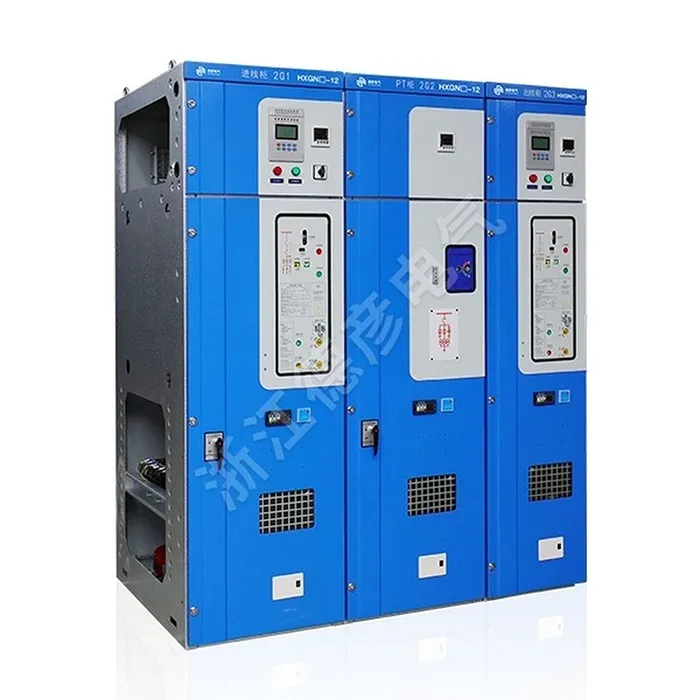
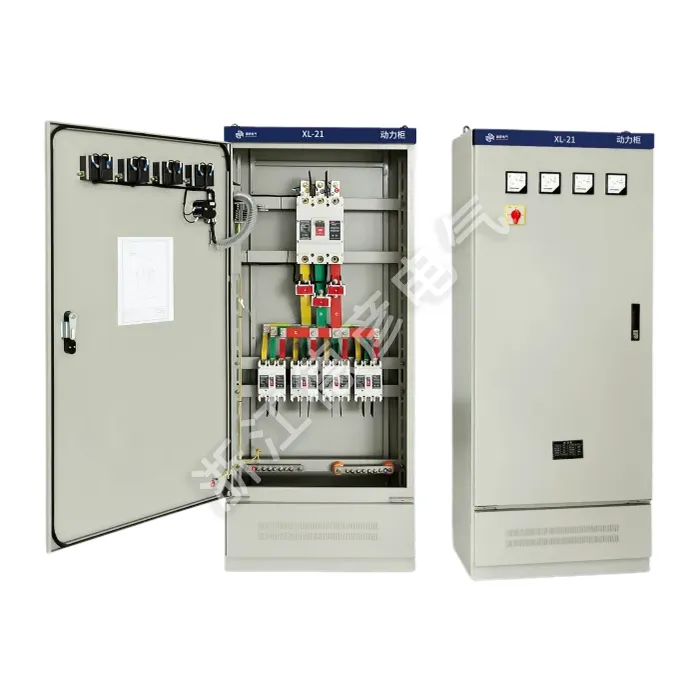
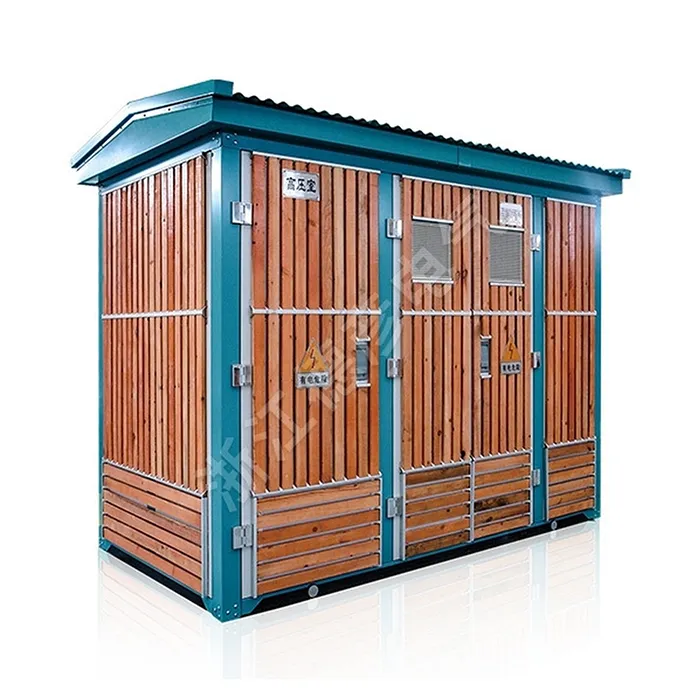
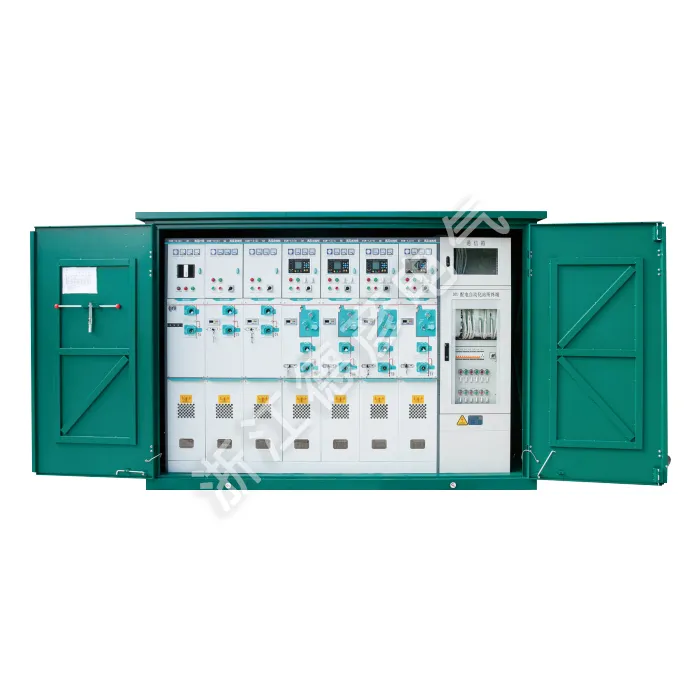
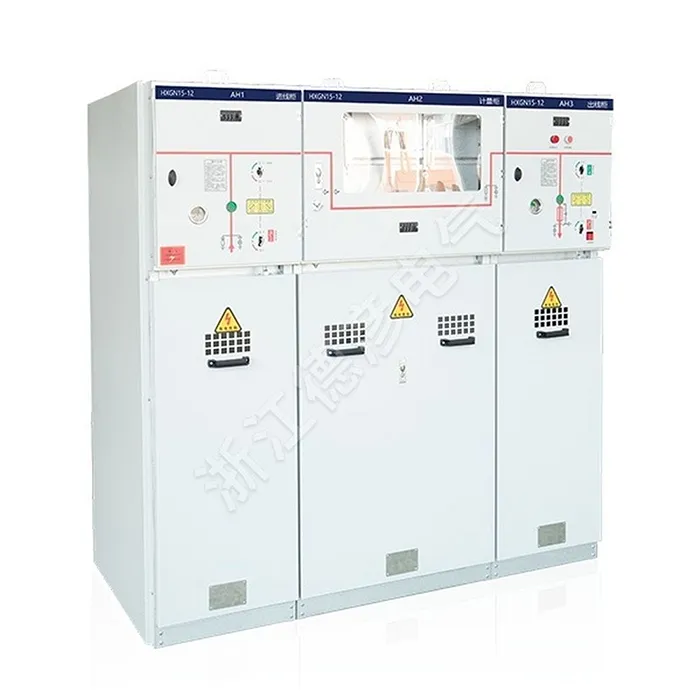
In the world of electrical power systems, switchgear stands as the critical sentinel, controlling, protecting, and isolating electrical equipment. But for a switchgear to function effectively, it needs a reliable and accurate "eye" to see what is happening within the high-voltage conductors. This is where the Current Transformer (CT) comes in. A current transformer is an essential type of instrument transformer designed to step down high primary currents to safe, measurable levels for metering and protection devices . Without CTs, the sophisticated protection and monitoring systems in modern power networks would be blind.
The Fundamental Purpose of a Current Transformer
At its core, a current transformer is a transducer. It produces a secondary current that is precisely proportional to the current flowing in its primary circuit . This serves two primary and indispensable functions:
Measurement and Standardization: CTs reduce high-magnitude currents (from hundreds to thousands of amperes) down to a standard output, typically 5 A or 1 A . This allows standard measuring instruments and meters to be safely connected to the power system.
Galvanic Isolation and Safety: By electrically isolating the secondary circuits (meters, relays) from the high primary voltage, CTs provide critical protection for both equipment and personnel .
How Does a Current Transformer Work?
The operating principle of a traditional CT is based on electromagnetic induction, much like a standard power transformer . However, there is a key difference in how they are applied.
A CT consists of a ferromagnetic iron core with a secondary winding wrapped around it. The primary winding can be a single straight bar or conductor passing through the core's window, or it can be a few turns of wire .
The primary current (IpIp) generates a magnetic field in the core, which induces a current (IsIs) in the secondary winding. The relationship between the primary and secondary current is determined by the turns ratio. For example, a CT with a ratio of 1000:5 will output 5 amperes on its secondary when 1000 amperes flow through the primary.
A critical rule for CT operation is that the secondary circuit must never be opened while current is flowing in the primary. If opened, the primary current acts as a magnetizing force, creating a dangerously high voltage peak across the open secondary, which can destroy the CT and pose a severe safety hazard.
The Vital Role of CTs in Switchgear
Within a switchgear assembly, CTs are the cornerstone of protection and monitoring. They provide the real-time current data that feeds protective relays and control mechanisms . This ensures the switchgear can respond instantly to abnormal conditions.
Fault Detection and System Protection: CTs detect overcurrents, short circuits, and ground faults. They send this information to protective relays, which then initiate a trip signal to the circuit breaker, isolating the faulty section and preventing damage to equipment like transformers, generators, and cables .
Precise Metering and Energy Management: For revenue metering and load monitoring, high-accuracy CTs (typically class 0.2 or 0.5) track energy consumption, allowing operators to balance loads, plan for future capacity, and ensure compliance with reporting requirements .
Power Quality and Digitalization: As power systems modernize, CTs supply accurate data to intelligent electronic devices (IEDs) and IoT-enabled monitoring platforms. This supports remote diagnostics, predictive maintenance, and integration with smart grid systems .
Type
Description
Typical Application
Window (Toroidal) CT
Has no primary winding of its own. The primary conductor (cable or busbar) passes through the center window .
Ring Main Units (RMUs), cable compartments in medium-voltage switchgear .
Bar-type CT
Features a straight, integral primary bar that is permanently installed as part of the transformer.
Busbar mounting in medium-voltage air-insulated switchgear .
Wound-type CT
The primary winding consists of multiple turns wound on the core along with the secondary winding.
Lower current applications where sufficient ampere-turns are needed .
Split-Core CT
Designed with a hinged or separable core, allowing it to be installed around an existing conductor without disconnecting it.
Retrofits and upgrades where breaking the primary circuit is difficult or costly .
Block-type CT
Cast in epoxy resin, these act as a support for the primary busbar and can include features like a built-in capacity divider for voltage indication .
Primary distribution switchgear like ABB's UniGear series .
Types of Current Transformers Used in Switchgear
CTs come in various designs to suit different switchgear constructions, voltage levels, and applications .
High-Voltage CT Construction
For transmission voltages (above 52 kV), CTs require significant primary insulation. They are often constructed with oil-impregnated paper insulation or, less commonly, SF6 gas . These are available in two main forms:
Live-tank: The core and secondary winding are located at the top, near the high-voltage conductor, with insulation provided by a porcelain insulator filled with oil or paper.
Dead-tank: The core and windings are housed at the bottom (earth potential), and the insulated primary conductor passes through them, often in a "hairpin" shape .
Key Selection Criteria and Accuracy
Choosing the right CT for a switchgear application involves several critical parameters :
Rated Primary Current: The current the CT is designed to measure under normal conditions.
Rated Secondary Current: Almost always standardized at 5A or 1A .
Accuracy Class: Defines the permissible percentage error.
Metering: Classes like 0.2, 0.5, 1.0 ensure high accuracy for revenue purposes .
Protection: Classes like 5P or 10P guarantee accuracy under fault conditions. The "P" stands for protection, and the number indicates the composite error limit at rated accuracy limit primary current .
Burden (VA): The maximum load (in Volt-Amperes) the CT can support on its secondary circuit (including wiring and connected devices) while maintaining its accuracy class .
Insulation Level: The voltage class the CT's primary insulation must withstand (e.g., 12kV, 24kV, 36kV, 52kV) .
Conclusion
The current transformer may be a small component within a vast switchgear assembly, but its role is monumental. It acts as the sensory organ of the power system, feeding vital information to meters for monitoring and to relays for protection . From the simple split-core CT used in a retrofit project to the complex oil-immersed CT in a high-voltage substation, these devices ensure that the switchgear can perform its ultimate duties: protecting life, safeguarding equipment, and maintaining a reliable supply of electrical power .
We use cookies to offer you a better browsing experience, analyze site traffic and personalize content. By using this site, you agree to our use of cookies. Privacy Policy