Blog

What is Switchgear? Function and Types

2026-03-06 0 Leave me a message

Most of the time, people don’t think about the invisible systems behind electricity. You flip a switch, the lights work, simple. But hidden in the background, there are devices making sure nothing dangerous happens. That thing, or rather that collection of things, is called switchgear. Now, if you ask ten different people what is switchgear, chances are most won’t give you a straight answer. Some might say “it’s the breaker box”, others might just shrug. But the truth is, switchgear is everywhere, from your house to a giant power plant. It’s like a bodyguard for electricity.

What is Switchgear?

So, let’s make it very simple. Switchgear is basically the kit of electrical equipment that looks after circuits. It can be switches, breakers, fuses, isolators, relays. They all fall under this umbrella. When something goes wrong in a system, it acts like a gatekeeper and blocks the problem from spreading. That’s why, if you ask what is switchgear in one line, you could say: it’s the safety armour of electrical power.

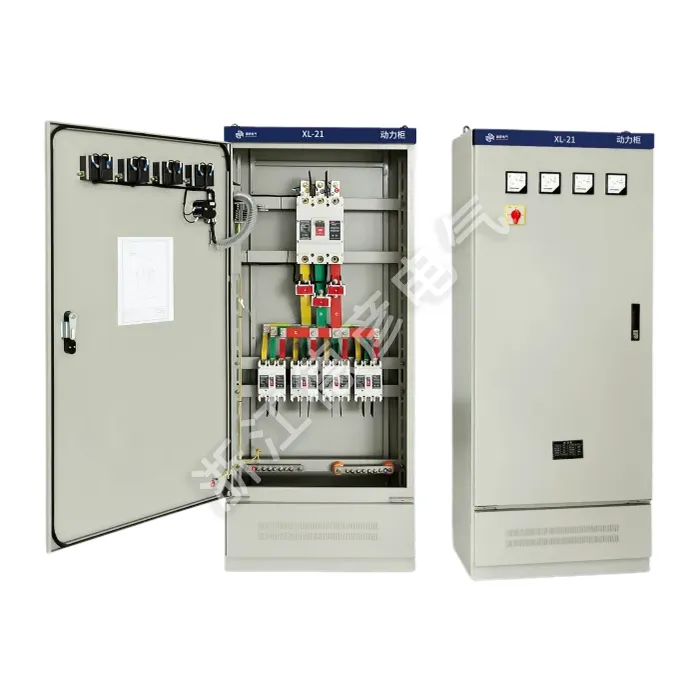
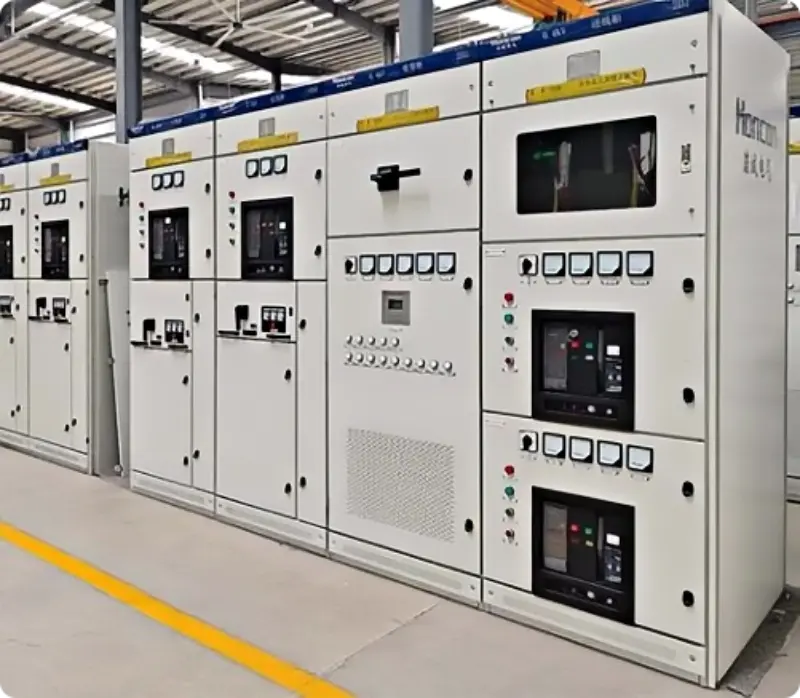
People sometimes use the phrase what is electrical switchgear instead, but it means the same thing. If you’ve seen those grey cabinets in a basement or substation, that’s electrical switchgear. Inside them are the parts that keep electricity safe to use. At home, it’s small. In a hospital or factory, it’s massive. But it’s all under the same idea.

You can’t separate the two words- switchgear and protection. They go hand in hand. Protection is the reason switchgear exists in the first place. If there’s an overload or a fault, protection kicks in instantly. Think of fire doors in a building: one area might have smoke or flames, but the doors stop it spreading. Switchgear is like that, just with electricity.

Switchgear

Switchgear Function Explained

Switchgear plays a central role in every electrical system by ensuring safe and efficient power distribution. Its primary purpose is to manage electricity so that it flows reliably without interruptions or risks. By combining control, protection, and isolation, switchgear keeps both equipment and people safe while maintaining smooth operations across residential, commercial, and industrial setups.

1. Control of Power Flow

The first and most visible role of switchgear is controlling power flow. It allows operators to turn circuits on and off safely, ensuring that electricity only flows when required. This control is crucial in both routine operations and emergency situations, helping maintain efficiency and smooth system performance.

2. Protection Against Faults

Switchgear provides protection by disconnecting circuits during faults such as overloads or short circuits. This prevents damage to equipment and reduces fire or shock hazards. Protective devices like circuit breakers and relays act instantly, ensuring the electrical system stays safe and operational even when unexpected issues arise.

3. Isolation for Maintenance

Another critical function is isolation. Switchgear allows certain sections of an electrical system to be safely disconnected so engineers can carry out inspections, testing, or repairs without contact with live wires. This isolation ensures both safety for workers and minimal disruption to the rest of the system.

4. Backbone of Electrical Safety

Together, control, protection, and isolation form the backbone of electrical safety. Without switchgear, reliable power distribution would not be possible. These functions keep systems stable, minimize risks, and ensure maintenance can be done without danger, making switchgear a vital part of any power network.

Switchgear

Switchgear Examples

There are countless switchgear examples. The breaker box in your house? That’s one. The big panel inside a shopping centre? Another. In industries, you’ll find medium voltage switchgear. On the transmission side, even bigger gear. The examples change, but the principle is always the same.

Types of Switchgear

Now, switchgear comes in many forms. Not one size fits all. The types of switchgear depend mostly on voltage and where they’re used. Each type has some unique features that make it suitable for one or the other use.

Low Voltage Switchgear

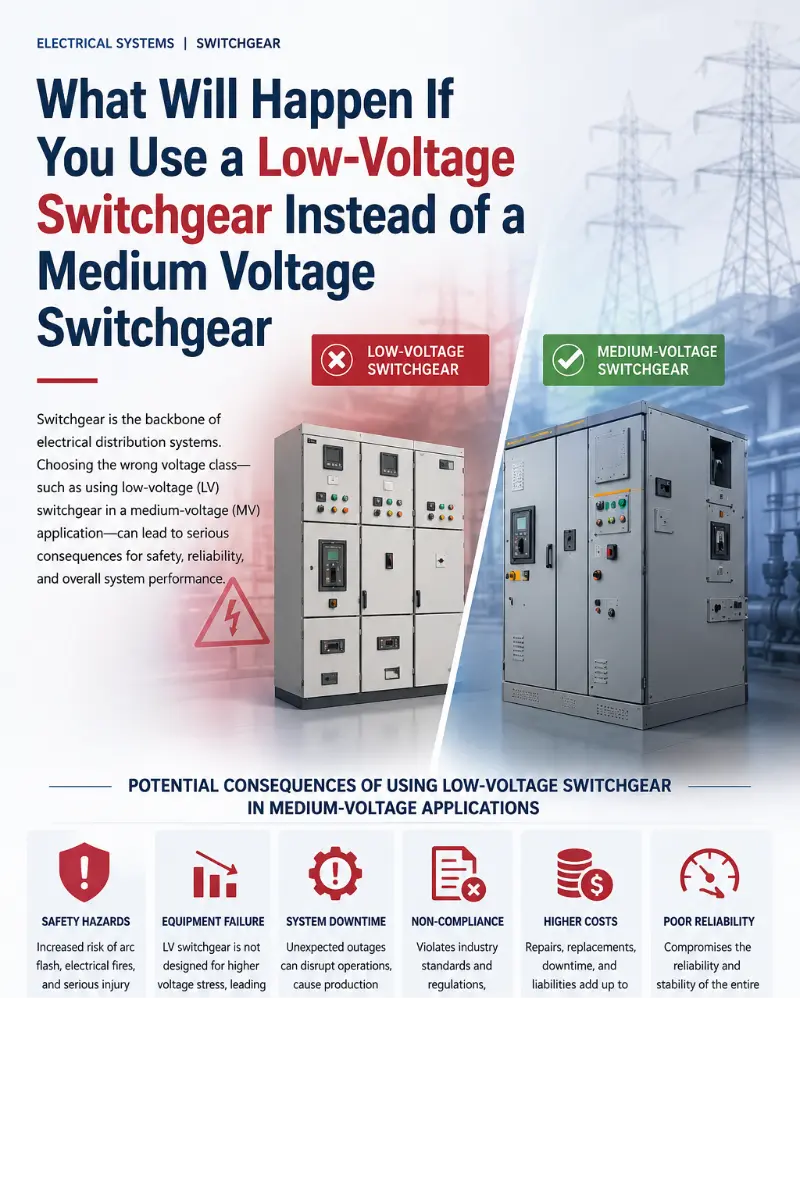
The most common is low voltage switchgear. Anything up to 400 volts fits here. Houses, offices, small shops- you name it. This is the gear protecting day-to-day life. Circuit breakers, fuses, and relays are packed into these units. You might not think about them until a breaker trips, but they’re always working quietly.

Medium Voltage Switchgear

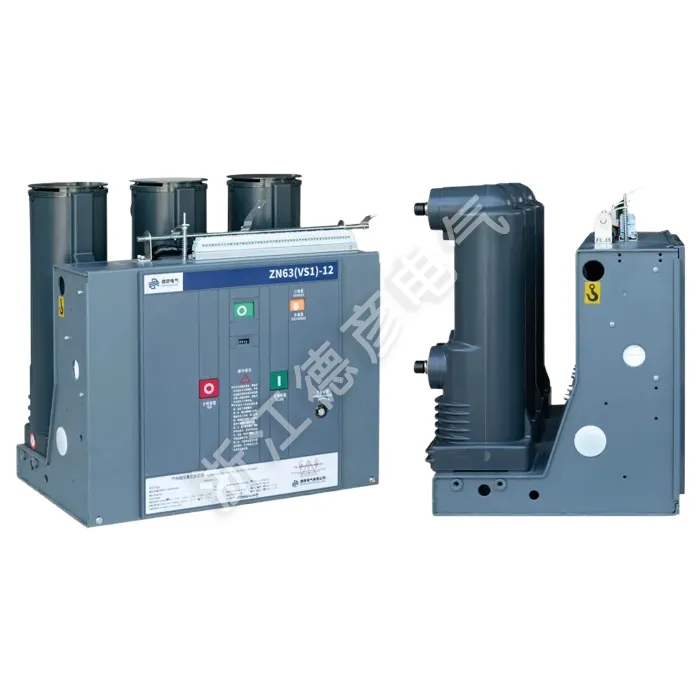
Next is medium voltage switchgear. This is between 1 kV and 35 kV. You’ll find it in industries, in hospitals, in substations that distribute electricity to thousands of homes. Medium voltage gear is heavier duty, built to handle larger loads. When stability is critical, like in an operating theatre, this gear makes sure power stays safe and steady.

High Voltage Switchgear

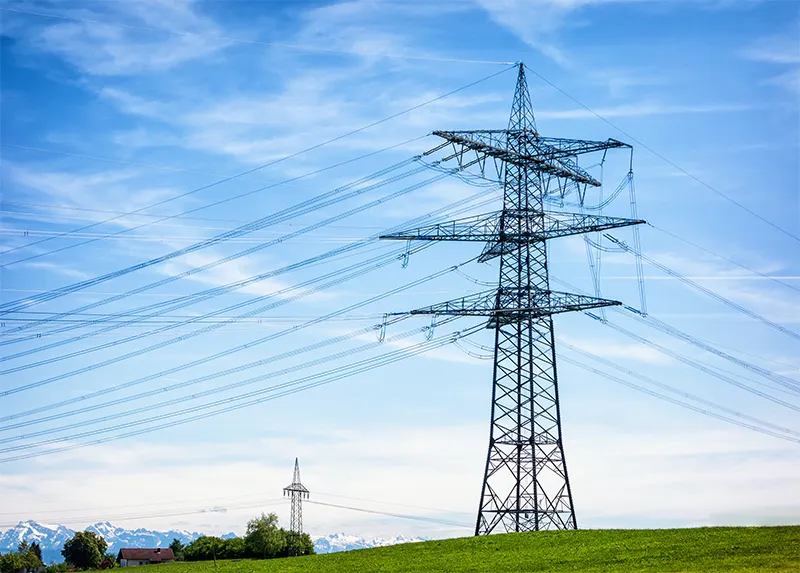
Then you have high voltage gear. This is the big stuff. The kind that sits on transmission lines and connects entire regions. Faults here are dangerous and costly. That’s why high voltage switchgear is designed with extreme insulation and very fast protective action. Same principle, bigger scale.

Indoor vs Outdoor

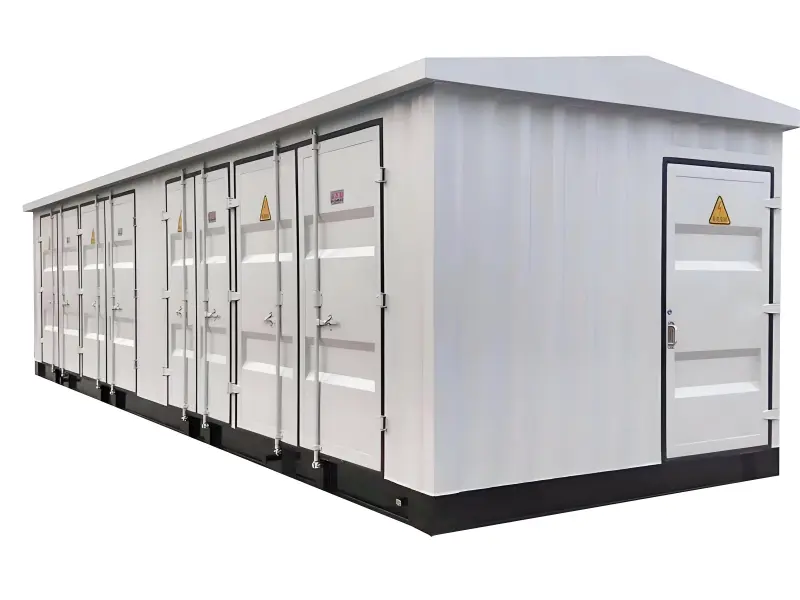
There are also types of switchgear based on where they’re installed. Indoor units are kept safe inside buildings, away from weather. Outdoor units are rugged, often in substations, built to survive rain, dust, and heat.

Air, Gas, Oil Insulated

Finally, another way to group them is by insulation. Air-insulated switchgear is cheap and widely used. Gas-insulated, often with SF6, is compact and reliable where space is tight. Oil-insulated gear is older but still around in some networks. All three are valid, depending on need.

Conclusion

So, What is switchgear? It’s the set of devices that keeps electricity safe, controlled, and reliable. From low voltage switchgear in houses to medium voltage switchgear in industries, all the way up to transmission systems, the role is the same. The switchgear function is to control, protect, and isolate. The working principle of switchgear is simple but effective: detect the fault, signal the breaker, cut it off, protect the rest. Look at the switchgear components, breakers, relays, fuses, isolators, and you’ll see how each one plays a part. Without them, electrical systems wouldn’t just be unsafe, they’d be impossible to run.

Related News
Leave me a message
X
We use cookies to offer you a better browsing experience, analyze site traffic and personalize content. By using this site, you agree to our use of cookies. Privacy Policy
RejectAccept