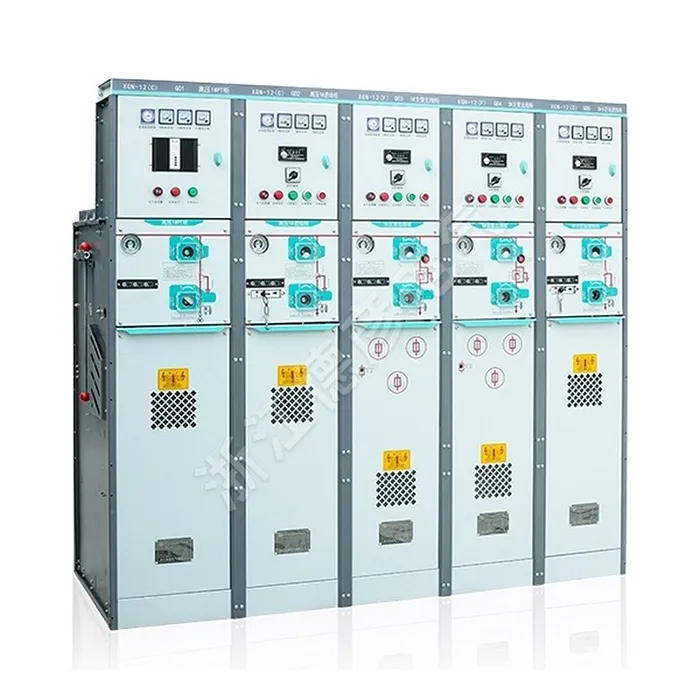
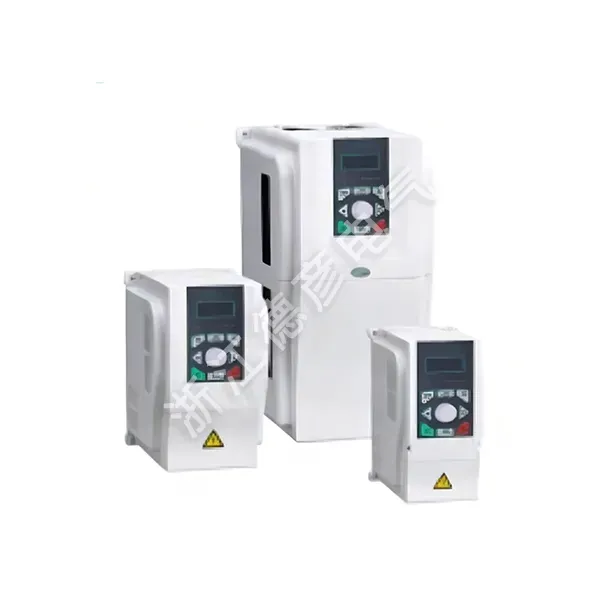
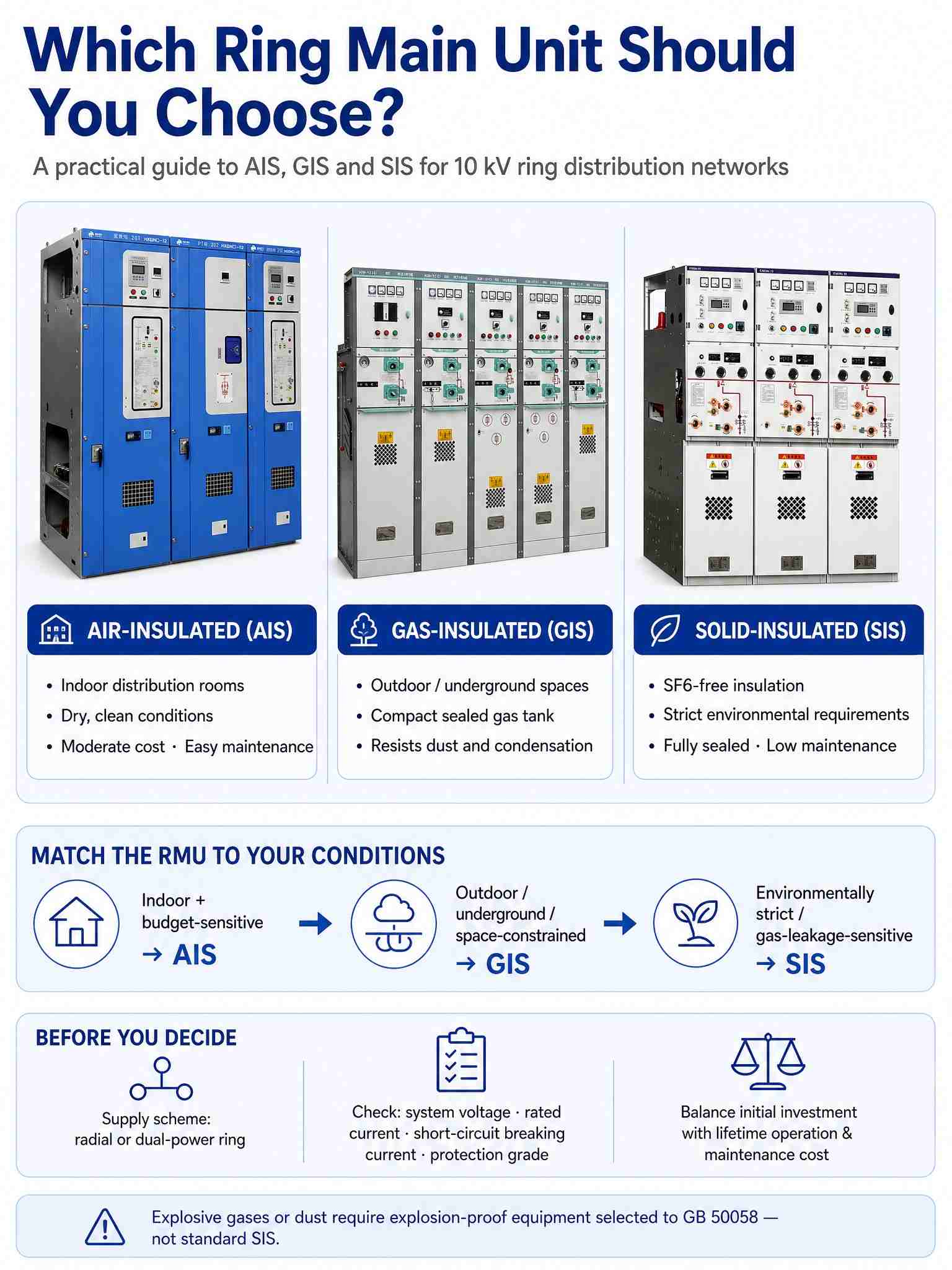
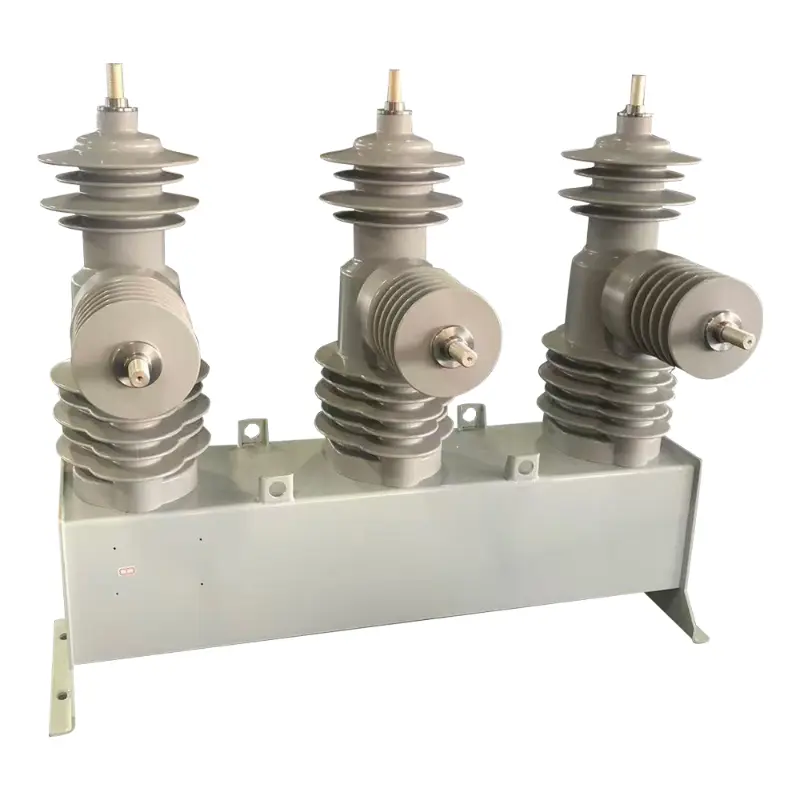
Essentially, choosing the type of switchgear is a decision-making process that goes from "defining requirements" to "matching parameters." To make the selection process clearer, I have broken it down into eight key dimensions. You can use this like a checklist, checking each item against your actual situation.
Three Core Dimensions for Switchgear Selection
Selection Dimension
Key Considerations
Selection Guidance
1. Voltage Level
Determine whether it is for a high-voltage system (e.g., 10kV, as incoming line/transformer primary side) or a low-voltage system (e.g., 380V/220V, as outgoing line/terminal distribution).
This is the most fundamental division, directly determining the equipment's insulation level and internal components.
2. Installation Environment
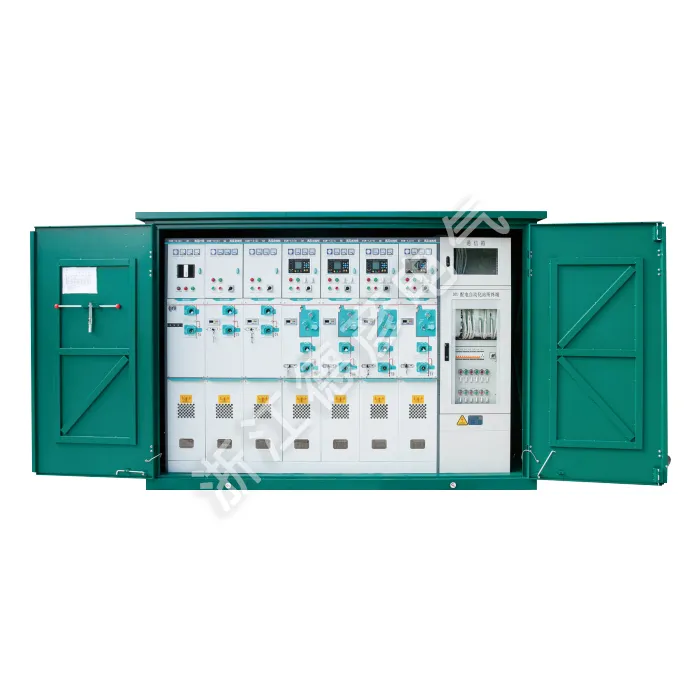
Assess whether it is for indoor or outdoor installation, and if there are special requirements such as waterproofing (IP rating), moisture resistance, corrosion resistance, or explosion protection. Outdoor use requires high ingress protection ratings (e.g., IP54 or higher) and stainless steel enclosures; humid/corrosive environments require fully enclosed equipment or special coating treatments.
3. Functional Purpose
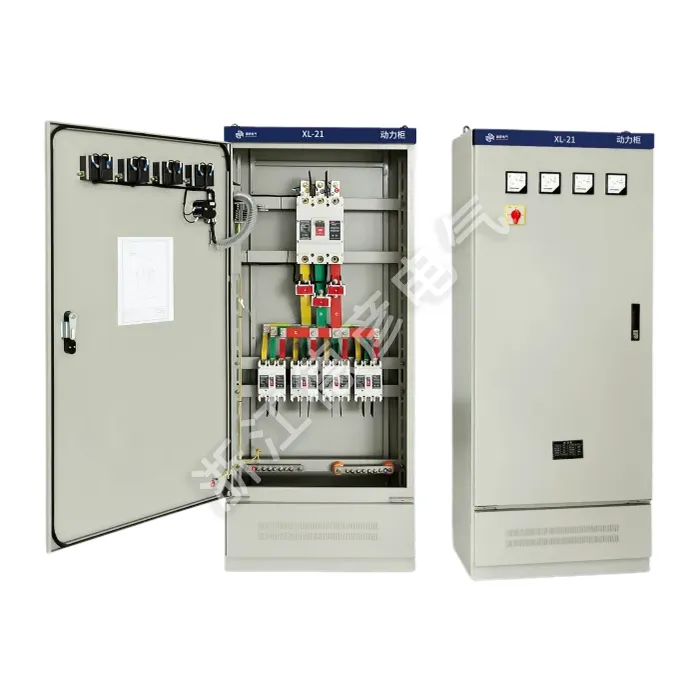
Clearly define the main purpose: lighting, power (e.g., motor control), power distribution, power factor correction (capacitor bank), or metering. Lighting distribution boxes have small loads and can be wall-mounted; power distribution boxes have large loads, are often floor-standing, and frequently require motor control units.
4. Structural Form
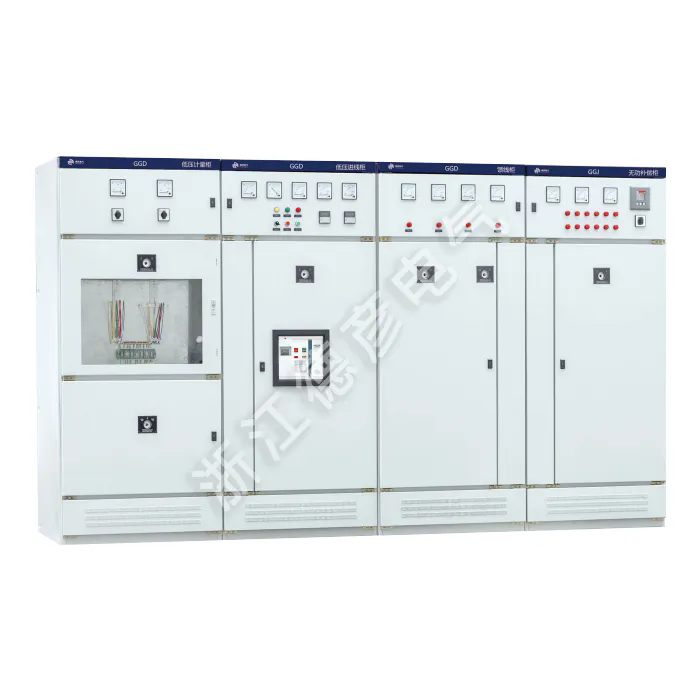
Choose between fixed type (e.g., GGD, economical) or draw-out type (e.g., GCK/GCS/MNS, easy maintenance, high reliability). Fixed type is suitable for situations with dispersed loads, few circuits, and limited budgets.
Draw-out type is suitable for situations with concentrated loads, many circuits, and high power supply reliability requirements (e.g., data centers, petrochemical industry).
5. Electrical Parameters
Verify the system's rated voltage, frequency, and calculated current. More importantly, ensure compliance with dynamic and thermal stability requirements under short-circuit conditions. The circuit breaker's breaking capacity must be greater than the maximum short-circuit current at the installation point. Parameter matching is fundamental for safe operation. It must be based on rigorous calculations, not just experience or estimation. 6. Project Nature
Is it a new construction project, a renovation project, or a capacity expansion project?
For new construction, prioritize high-quality, highly reliable new products. For renovation/expansion, reference the existing cabinet type for easier system integration.
7. Installation Space
Measure the length, width, and height of the electrical room, especially the width of the operating aisles in front of and behind the cabinets.
Space availability directly limits the cabinet dimensions and layout. For example, the rear aisle width must meet maintenance requirements, and rows of cabinets longer than 6m require two exit points.
8. Maintenance & Management Consider the technical skill level of the operating personnel and the requirements for maintenance convenience.
Draw-out cabinets offer good unit interchangeability; during maintenance, the faulty unit can be pulled out to quickly restore power supply, but the cost is higher.
Common Switchgear Models and Applicable Scenarios
After understanding the core dimensions, let's look at several common types of low-voltage switchgear on the market. This will help you match your abstract requirements with specific products.
GGD Fixed Economical and practical, simple circuitry, but requires power outage for maintenance.
Industrial and mining enterprises, construction sites with cost sensitivity, fewer circuits, and low requirements for power supply continuity.
GCK Draw-out
Composed of Motor Control Center (MCC) units. Isolated circuits offer good safety and reliability. Offers good value for money.
Power systems, industrial and mining enterprises, high-rise buildings requiring power conversion, distribution, and motor control. Currently a widely used type.
GCS Draw-out
Improved design based on GCK, flexible structure, good interchangeability of drawer units. Early versions had relatively lower protection levels. Distribution systems in large power plants, petrochemical facilities, etc., requiring high automation levels and interface capability with computers.
MNS Draw-out
Compact design, modular structure, excellent workmanship, high protection level, superior performance, but relatively higher cost (approx. twice that of GCS). Situations with extremely high demands for power supply reliability, safety, and space utilization, such as large data centers, upscale hotels, and precision manufacturing workshops.
> In short, from GGD to MNS, it can be seen as a progression in both performance and cost. For most conventional projects, GCK is often a prudent choice that balances economy and reliability.
We use cookies to offer you a better browsing experience, analyze site traffic and personalize content. By using this site, you agree to our use of cookies. Privacy Policy