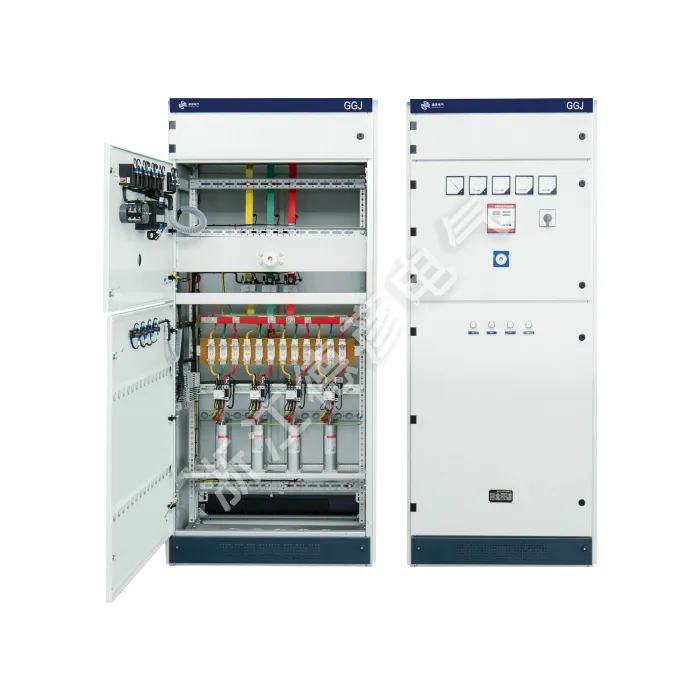
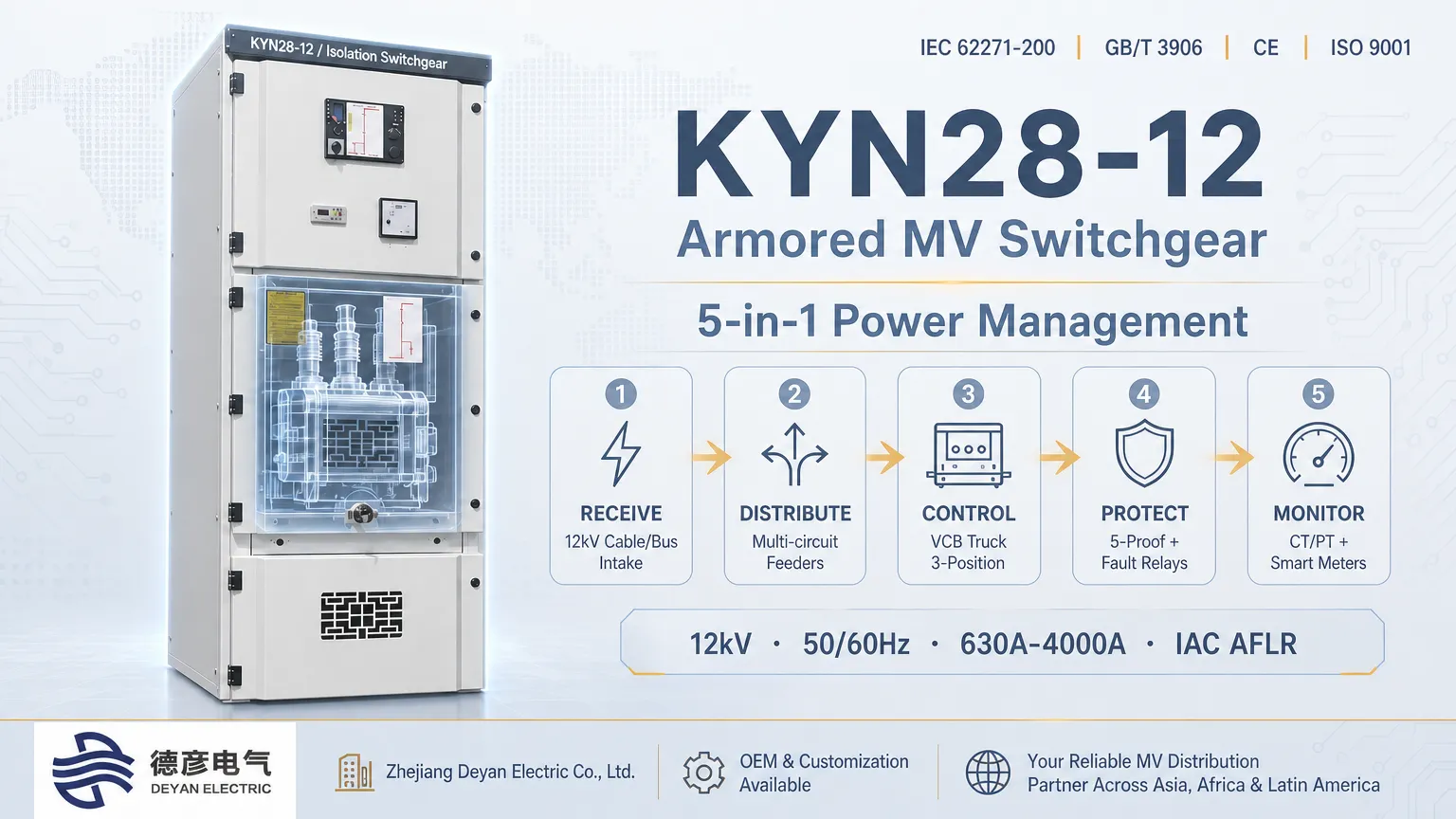
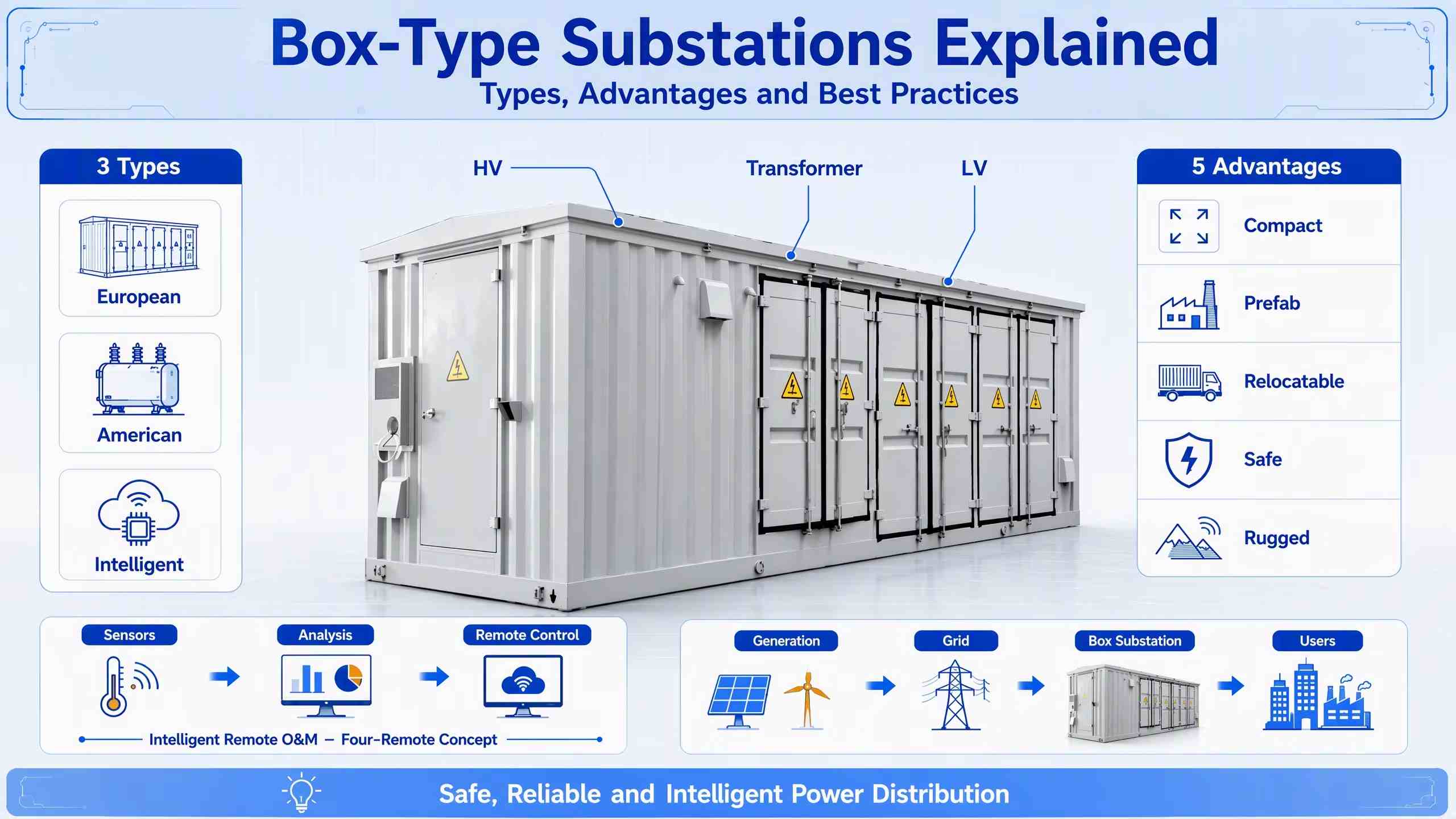
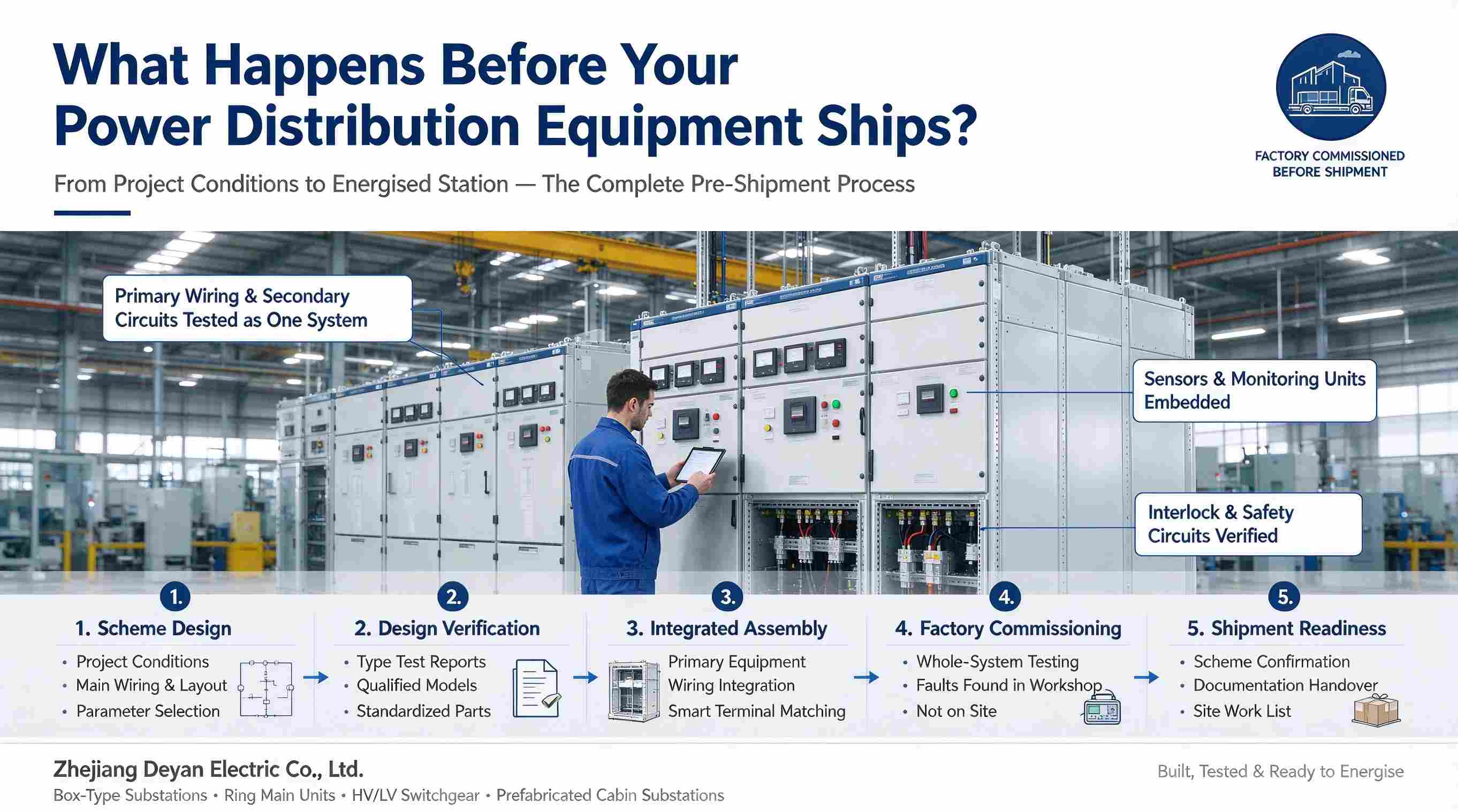
In electrical power systems, low-voltage (LV) switchgear and medium-voltage (MV) switchgear are designed for completely different voltage ranges, applications, and safety standards. LV switchgear typically operates at voltages up to 1,000V AC, while MV switchgear covers ranges from 3kV to 36kV (or up to 38kV in some standards). Using an LV switchgear in place of an MV switchgear is not just an error in specification — it is a dangerous violation of electrical engineering principles. Below is a detailed analysis of what would happen in such a scenario.
The most immediate and catastrophic consequence would be insulation breakdown. LV switchgear is designed with clearances (air gaps) and creepage distances suitable for only up to 1,000V. When subjected to medium voltage (e.g., 11kV or 33kV), the air between busbars, terminals, and the enclosure would ionize and flash over. The result is a violent internal arc flash, likely leading to an explosion of the switchgear.
2. Arc Flash and Fire Hazard
Medium-voltage faults release significantly higher energy than low-voltage faults. LV switchgear lacks the arc-quenching chambers, arc chutes, and pressure relief mechanisms found in MV switchgear (such as SF6 gas or vacuum interrupters). When an arc occurs in LV switchgear at MV levels, arc temperatures can exceed 10,000°C, vaporizing copper and steel. Pressure waves can blow doors off enclosures and injure nearby personnel. Molten metal and ionized gases can ignite surrounding materials. The result is a high-risk fire and explosion, often with fatal consequences for operators.
3. Complete Destruction of Circuit Breakers
LV circuit breakers (e.g., molded case or air circuit breakers) have a rated breaking capacity (Icu) for low-voltage faults, but they are not designed to interrupt medium-voltage fault currents. When an MV fault occurs, the breaker contacts may weld together due to insufficient contact pressure and arc interruption capability. The arc may not extinguish at natural current zero crossing, leading to sustained arcing. The breaker housing may shatter due to internal arc pressure. Consequently, the circuit breaker fails to clear the fault, and the upstream MV protection (e.g., a feeder breaker at the substation) must trip — but by then, the LV switchgear has already been destroyed.
4. Loss of Electrical Safety and Personnel Hazard
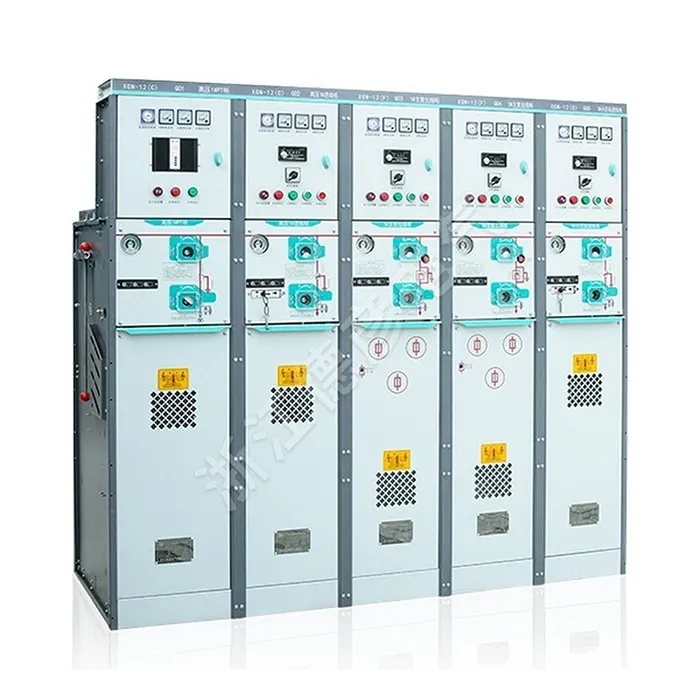
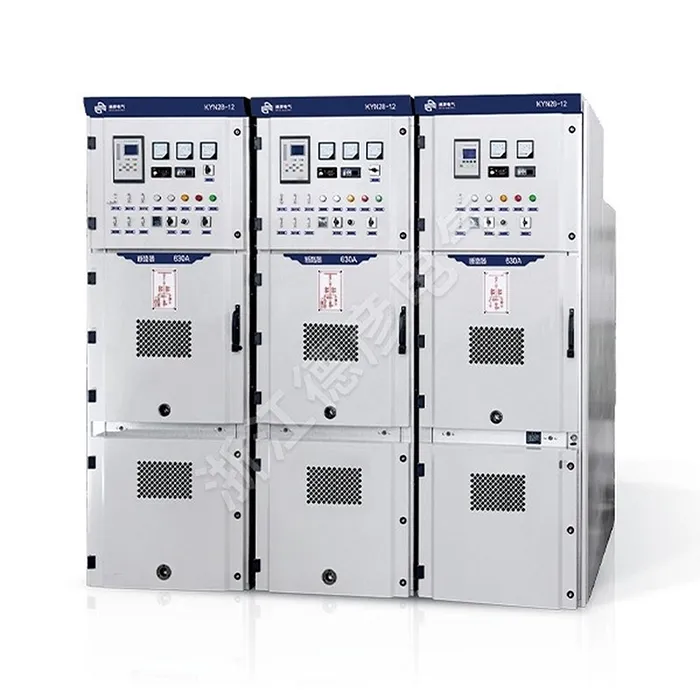
Medium-voltage switchgear incorporates mandatory safety features that LV switchgear does not have, including earthing switches for safe grounding of cables after isolation, voltage presence indicators and shutters over fixed contacts, interlocks to prevent access to live parts (such as Castell or solenoid interlocks), and remote racking with arc-flash mitigation systems. Without these features, operators attempting to maintain or isolate an MV circuit inside an LV panel face immediate danger from step and touch potentials, capacitive charges, and uncontained arc flash. The result is severe injury or death to electrical personnel.
5. Overheating and Thermal Runaway
MV switchgear is designed to handle higher continuous currents and short-time withstand currents (e.g., 25kA for 1 to 3 seconds). LV busbars and connections are smaller and have lower thermal mass. Under MV conditions, even normal load current may cause excessive heating due to undersized busbars. During a fault, the I²t energy would melt copper busbars and insulation almost instantly. This leads to insulation melting, phase-to-phase short circuits, and cascading failures.
6. Unreliable Protection Coordination
LV protective relays (often integrated into breakers) have simple trip curves and limited communication. MV systems require sophisticated protection relays with features such as differential protection, directional overcurrent, distance protection (impedance), and breaker failure protection. An LV switchgear connected to an MV source would have no way to discriminate between a minor overload and a major fault. The result is nuisance tripping — or worse, no tripping at all. Ultimately, the entire upstream substation breaker may trip, causing a widespread blackout.
7. Violation of Electrical Codes and Standards
Using LV switchgear on an MV circuit violates nearly every major electrical code, including IEC 61439 (LV assemblies) versus IEC 62271-200 (MV metal-enclosed switchgear), NEC (NFPA 70) Articles 240 and 490, and IEEE C37.20.2 for MV switchgear. This results in legal liability, insurance invalidation, and potential criminal negligence charges in case of an accident.
8. Damage to Downstream Equipment
Even if the LV switchgear survived for a short time — which is extremely unlikely — the voltage transformation would be wrong. MV systems often supply step-down transformers. Placing an LV switchgear upstream of an MV/LV transformer is physically impossible because the LV switchgear’s insulation would fail before reaching the transformer’s primary side, and the transformer’s inrush current would trip or destroy LV breakers. The result is loss of all downstream loads and potential transformer damage.
Conclusion – Why This Must Never Be Done
To summarize, low-voltage switchgear is rated for voltages up to 1kV, while medium-voltage switchgear is designed for 3kV to 36kV. LV switchgear relies on air quenching with limited arc interruption capability, whereas MV switchgear uses vacuum or SF6 for reliable arc extinction. The breaking capacity of LV breakers is insufficient for MV fault currents, leading to welded contacts and explosion. Safety features in LV switchgear are basic, while MV switchgear includes earthing switches, shutters, and interlocks to prevent fatal shock. Finally, LV switchgear complies with IEC 61439, whereas MV switchgear must meet IEC 62271-200 — a standard that LV equipment cannot satisfy.
Final answer: Using a low-voltage switchgear instead of a medium-voltage switchgear will result in immediate insulation failure, violent arc flash explosion, destruction of equipment, extreme risk of fatal injury to personnel, and complete violation of electrical safety codes. It is never permissible under any circumstances. If a medium-voltage switchgear is required, the only correct solution is to use properly rated MV switchgear designed, tested, and certified for that voltage class.
We use cookies to offer you a better browsing experience, analyze site traffic and personalize content. By using this site, you agree to our use of cookies. Privacy Policy