Blog

What are the applications and advantages of ring main units in power systems?

2026-05-13 0 Leave me a message

In modern power systems, the reliability and safety of power supply remain core priorities. As urbanization accelerates and power grid structures become increasingly complex, traditional power distribution equipment has gradually revealed limitations regarding flexibility, maintenance efficiency, and intelligent management. As a type of modular power distribution equipment, the Ring Main Unit (RMU)—distinguished by its unique structure and functionality—has gradually emerged as a vital component of modern power systems.

Basic Concepts and Working Principles of Ring Main Units

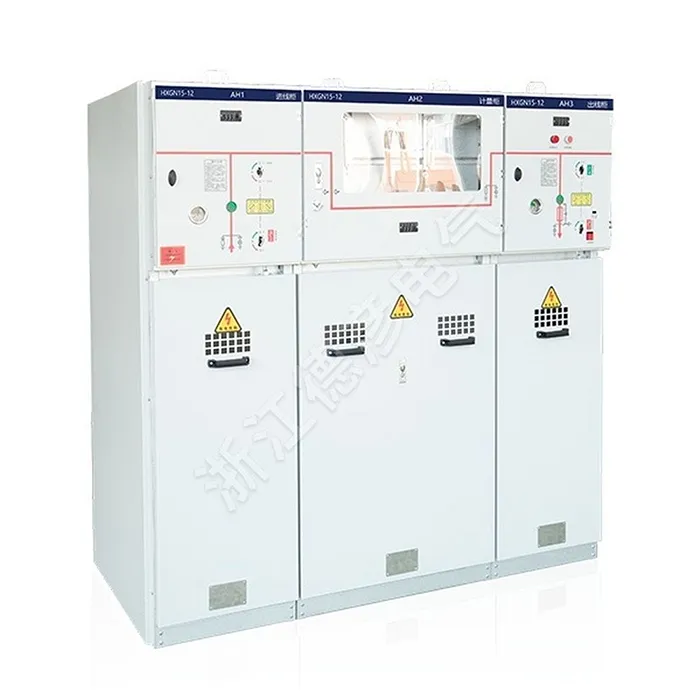
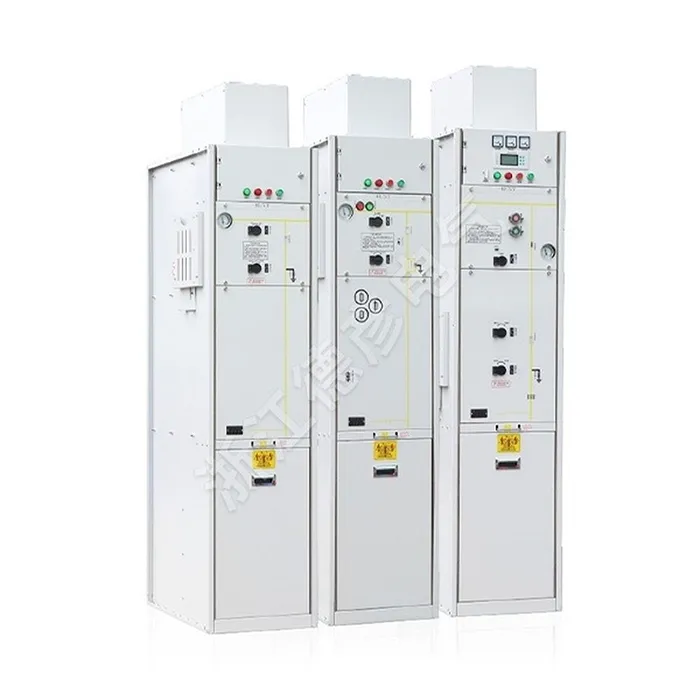
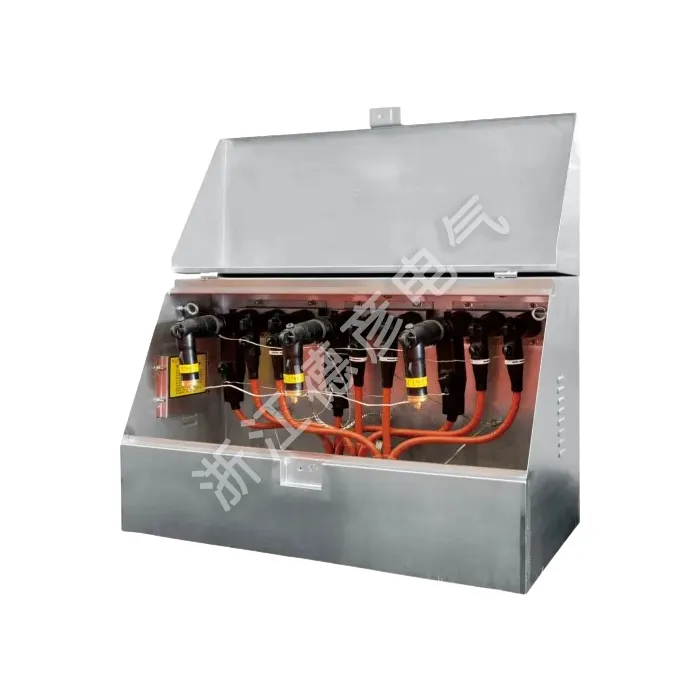
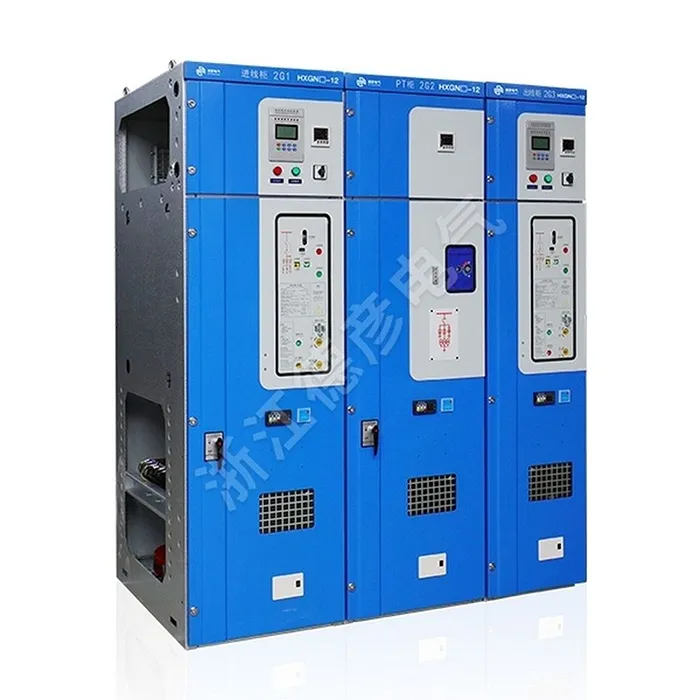
An RMU is a type of high-voltage switchgear utilized in power distribution systems, typically comprising multiple functional units such as load switches, circuit breakers, and disconnectors. Its core design philosophy involves interconnecting multiple distribution nodes via a ring network to form a closed loop. When a fault occurs at a specific node, the RMU can rapidly isolate the affected area and restore power supply through alternative paths, thereby significantly minimizing the scope of the outage.

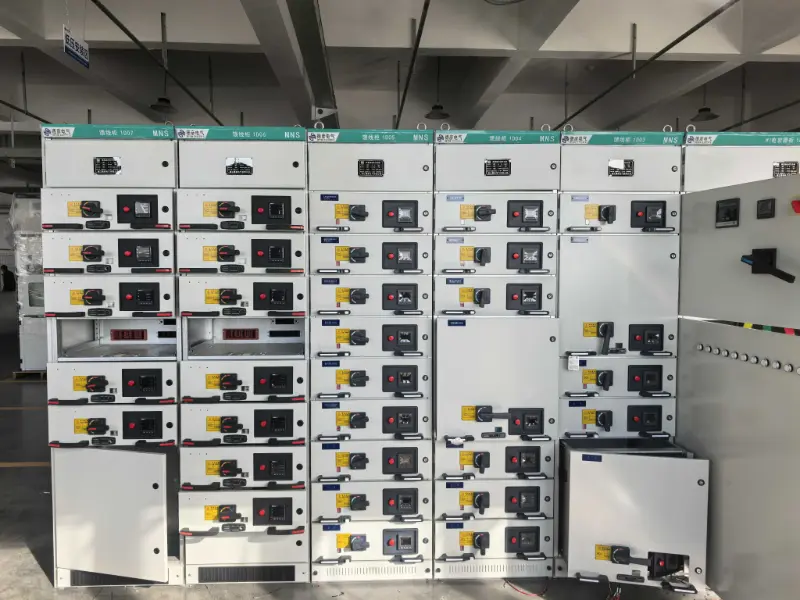
Compared to traditional distribution cabinets, the primary advantage of an RMU lies in its modularity and flexibility. For instance, in a radial power supply system, a fault in the main feeder line would result in a complete power outage for all downstream users; conversely, the RMU—through its ring topology—enables rapid switching of power supply paths in the event of a fault, thereby enhancing system redundancy. Deyan Electric’s DY-HW series RMUs feature a modular design wherein each unit is independently maintainable, ensuring the delivery of stable and reliable power supply even under high-load conditions.

Typical Application Scenarios for Ring Main Units

RMUs have a wide range of applications and can effectively address diverse power distribution requirements:

1. Urban Distribution Networks

In urban environments, power loads are dense, and the demand for power supply continuity is exceptionally high. RMUs can be flexibly deployed in locations such as residential complexes and commercial districts; by leveraging a ring network structure to facilitate multi-path power supply, they ensure that electricity supply is maintained via alternative lines even if a fault occurs on a specific feeder line.

2. Industrial Parks

Industrial operations demand extremely high levels of power stability, as a power outage can result in severe economic losses. The rapid fault isolation capability of RMUs minimizes downtime, while their compact design makes them well-suited for factory environments where space is often limited. Deyan Electric’s DFW-12 model RMU is particularly well-suited for industrial parks, allowing for rapid interconnection with transformers and distribution feeder lines to ensure a continuous and uninterrupted power supply for manufacturing facilities. 3. Integration of New Energy Sources

With the widespread adoption of distributed new energy sources—such as photovoltaic and wind power systems—power grids face increasingly stringent requirements for adaptability. Ring Main Units (RMUs) facilitate the convenient integration of distributed power sources; through intelligent control, they enable the rational allocation of current flow, thereby enhancing the grid's capacity to absorb new energy. The DY-HW series supports intelligent monitoring and remote operation, providing robust support for the integration of new energy sources.

Key Advantages of Ring Main Units:

Compared to traditional power distribution equipment, RMUs offer the following significant advantages:

1. High Power Supply Reliability: The ring topology ensures that power supply remains uninterrupted via alternative paths even in the event of a single-point failure, thereby drastically reducing the risk of power outages.

2. Convenient Maintenance: The modular design allows for the independent maintenance of individual units without requiring a complete system shutdown, thereby lowering operation and maintenance (O&M) costs.

3. Compact Footprint: RMUs feature a compact structure that occupies less space than traditional switching stations, making them ideal for urban areas or industrial sites where space is limited.

4. High Level of Intelligence: Equipped with intelligent monitoring systems, RMUs can collect real-time data on current and voltage levels, enabling rapid fault localization and resolution through remote control capabilities.

Comparison with Other Power Distribution Technologies:

• Traditional Switchgear: Suitable for radial power supply configurations but offers limited flexibility; RMUs, conversely, enhance reliability through their ring topology.

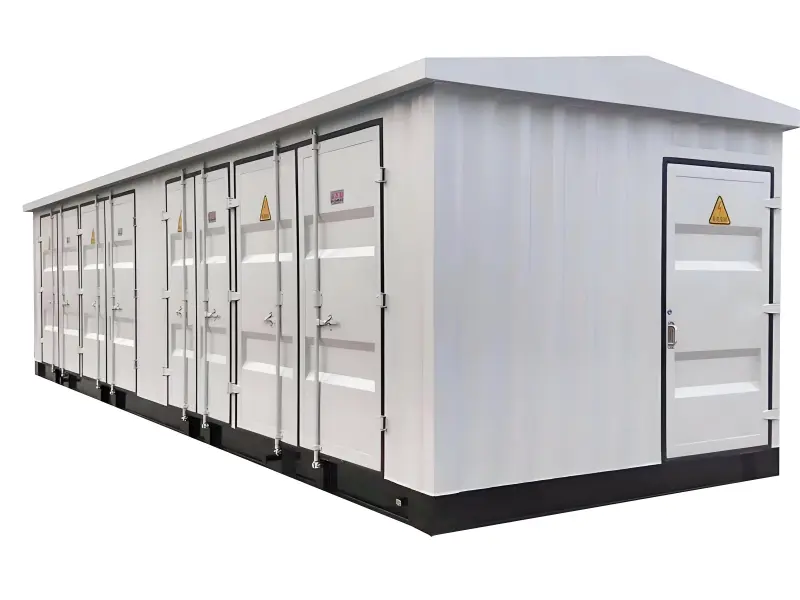
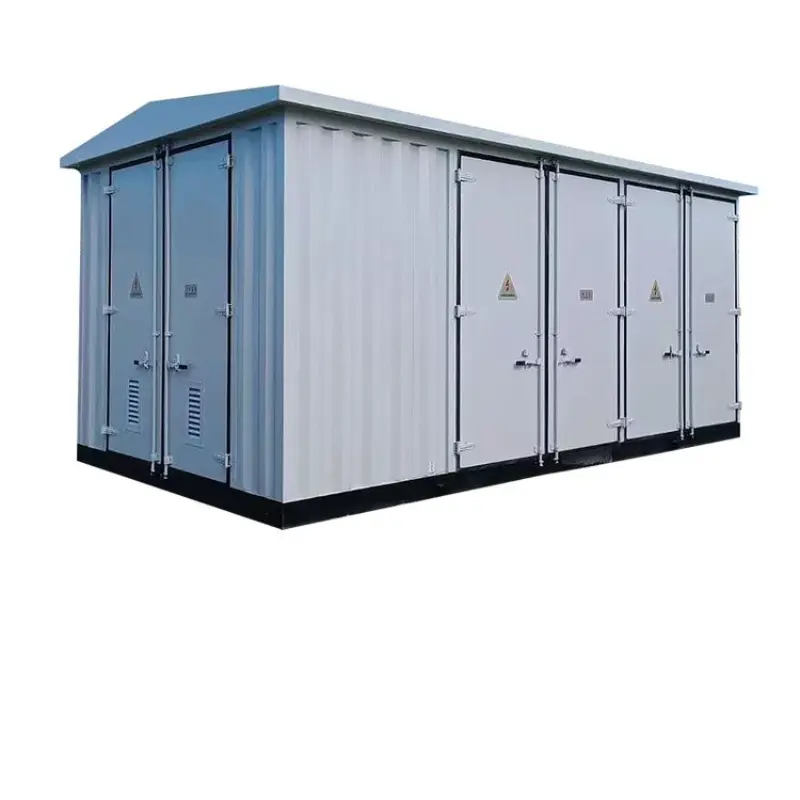
• Box-type Substations: Highly integrated systems that typically lack ring network functionality; RMUs are well-suited to serve as intermediate nodes for establishing multi-path interconnections.

• Automated Distribution Systems: RMUs can be seamlessly integrated with intelligent systems to enable remote monitoring and fault self-healing capabilities, thereby significantly improving response speeds.

Future Development Trends:

As the development of smart grids accelerates, RMU technology continues to evolve and upgrade:

• Enhanced Intelligence: Leveraging IoT technologies to enable precise monitoring and predictive maintenance capabilities.

• Broader Compatibility: Adapting to a wider range of voltage levels and facilitating the integration of diverse distributed new energy sources.

• Lower Life-Cycle Costs: While initial investment costs may be slightly higher, the long-term savings on O&M result in superior overall economic benefits.

Conclusion: With their high reliability, flexibility, and intelligent features, Ring Main Units have become an indispensable component of modern power systems. Whether deployed in urban grids, industrial parks, or new energy generation facilities, RMUs effectively enhance power supply quality and minimize losses caused by power outages. Deyan Electric’s product series—including the DY-HW and DFW-12—provide robust support to power systems through their advantages of stability, reliability, intelligent efficiency, and modular design, thereby driving the continuous evolution of modern power distribution technology toward greater intelligence and efficiency.

Related News
Leave me a message
X
We use cookies to offer you a better browsing experience, analyze site traffic and personalize content. By using this site, you agree to our use of cookies. Privacy Policy
RejectAccept