Blog

What is the function of a ring main unit?

2026-05-15 0 Leave me a message
In modern urban and industrial settings, the safety and stability of the power supply serve as the fundamental basis for ensuring daily production and living activities. The ring network distribution system—along with its core component, the Ring Main Unit (RMU)—has emerged as a vital element of efficient power supply infrastructure, becoming the preferred solution for a wide variety of small-to-medium capacity power distribution scenarios.

The Basic Concept of a Ring Network

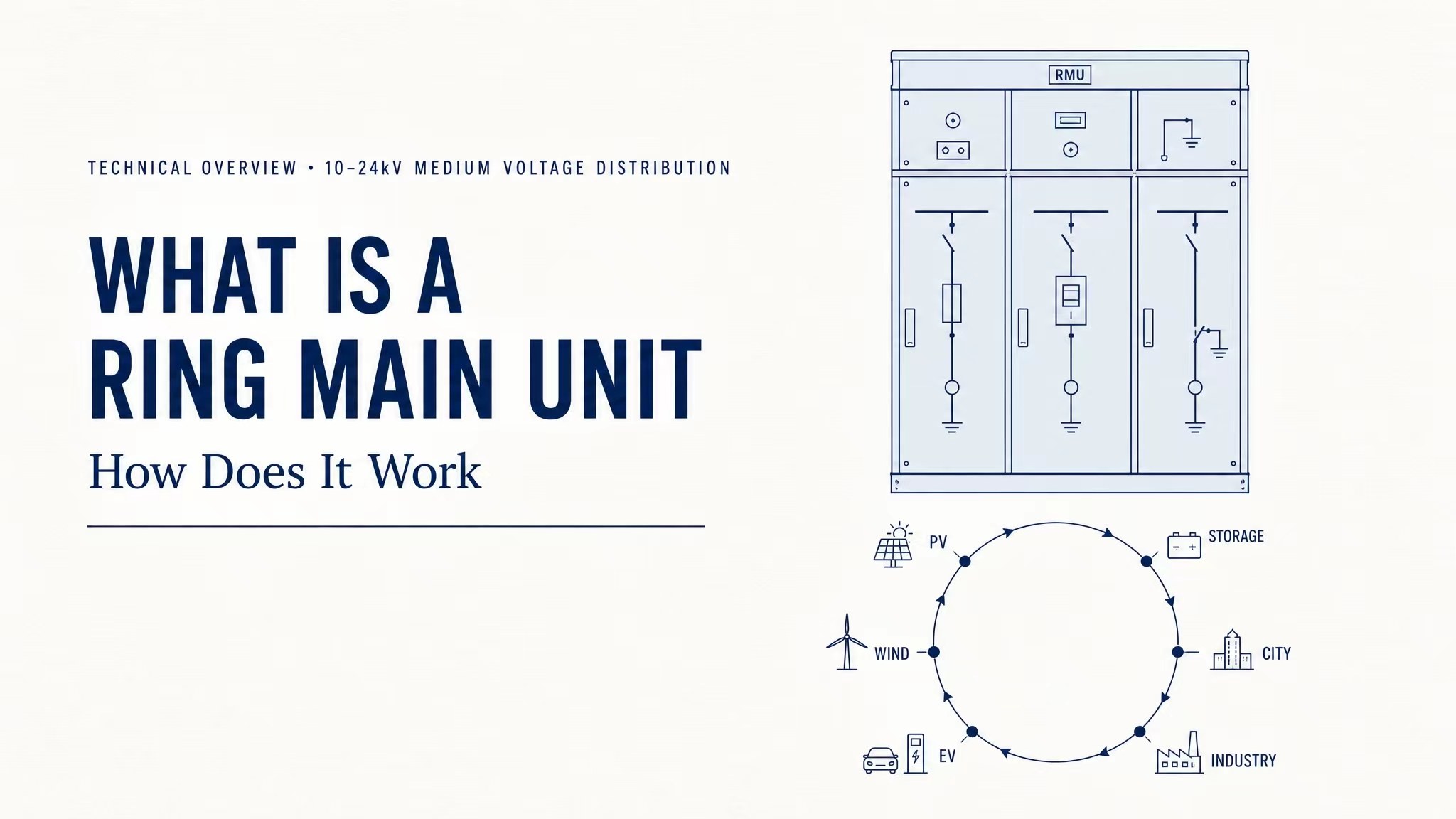
A "ring network"—also known as a ring-type distribution network—is a specialized electrical network topology. Its defining characteristic is that the main power supply lines form a closed loop; a power source feeds into this circular main line, and high-voltage switches are utilized to distribute electrical energy to various distribution branches. Consequently, each distribution branch is capable of drawing power from the main line on its left side as well as from the main line on its right side, thereby enabling automatic switching in the event of a fault. Although the overall power supply originates from a single source, each individual branch enjoys a level of reliability comparable to a dual-source supply, significantly enhancing the overall stability of the power distribution system.

The Design Philosophy Behind Ring Main Units

As a critical node within a ring network, the Ring Main Unit (RMU) is designed such that a dedicated switchgear cabinet is installed for each distribution branch, with the busbars housed within the cabinet simultaneously serving as an integral part of the main ring circuit. This implies that the entire main ring circuit is constructed by interconnecting the busbars of numerous outgoing feeder cabinets. Each outgoing feeder cabinet plays a pivotal role within the ring network, fulfilling the dual functions of both power distribution and system protection.

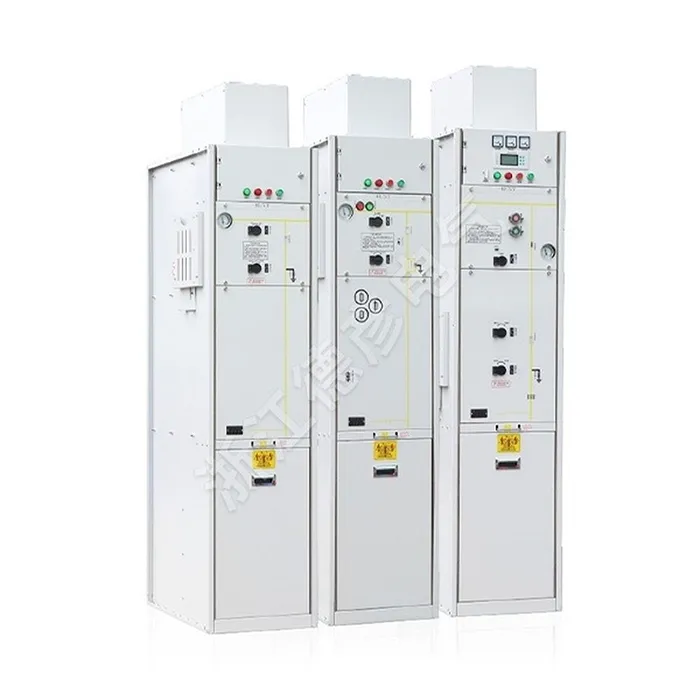
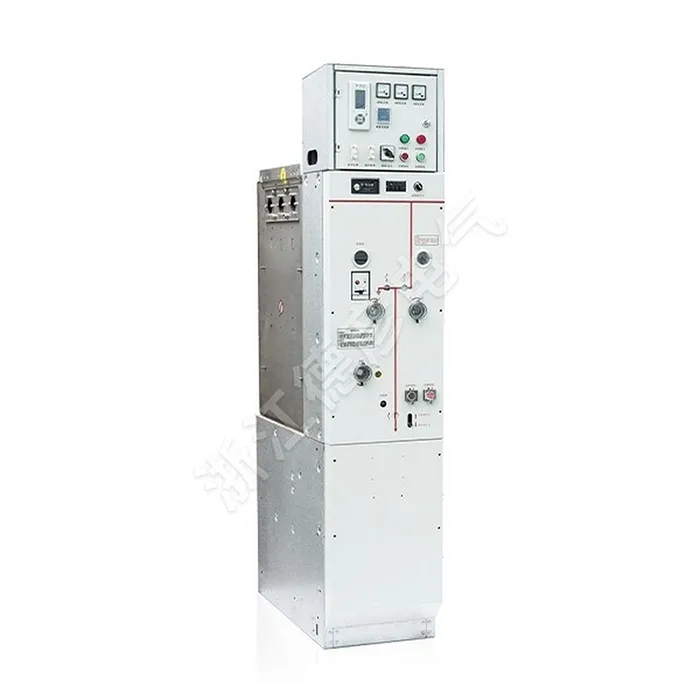
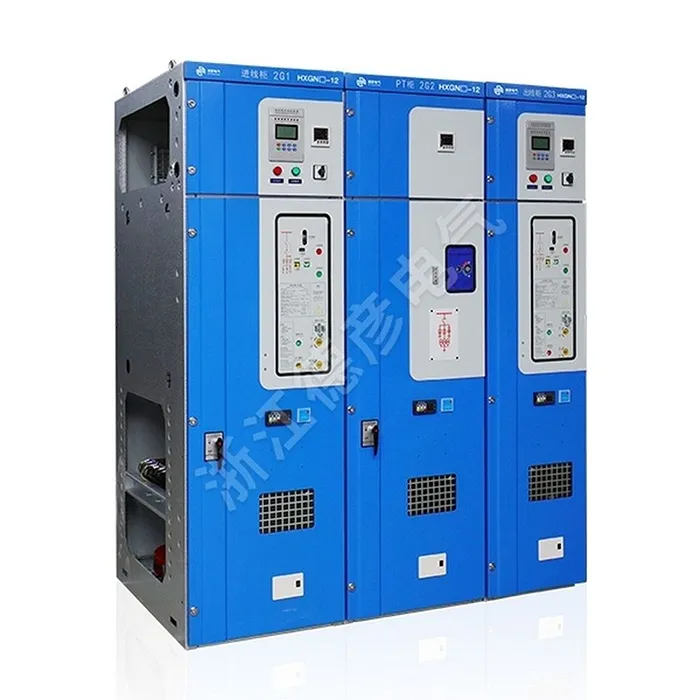
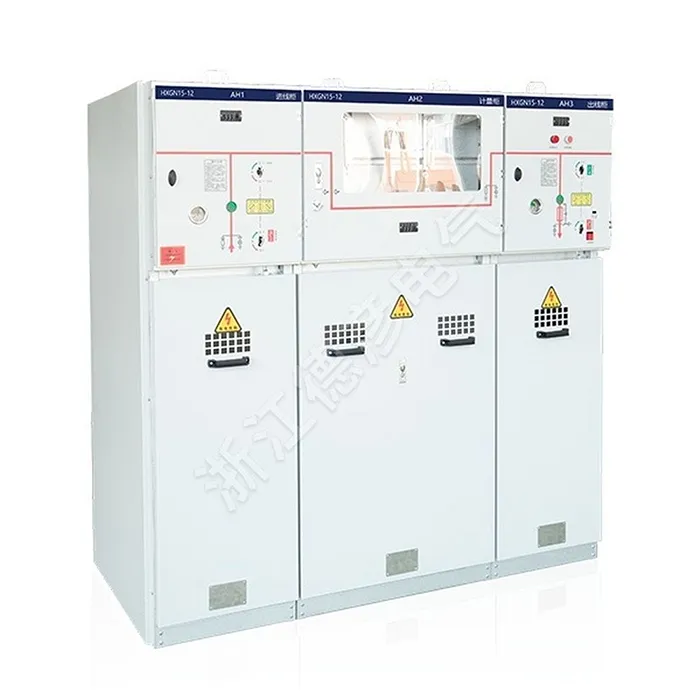
Deyan Electric’s DY-HW series of Ring Main Units fully embodies this design philosophy. Its compact, modular design not only offers the flexibility to adapt to the diverse power distribution requirements of various buildings and industrial facilities but also supports a combined configuration of load switches and high-voltage fuses, enabling the rapid and reliable isolation of faults.

Load Switches and Reliability

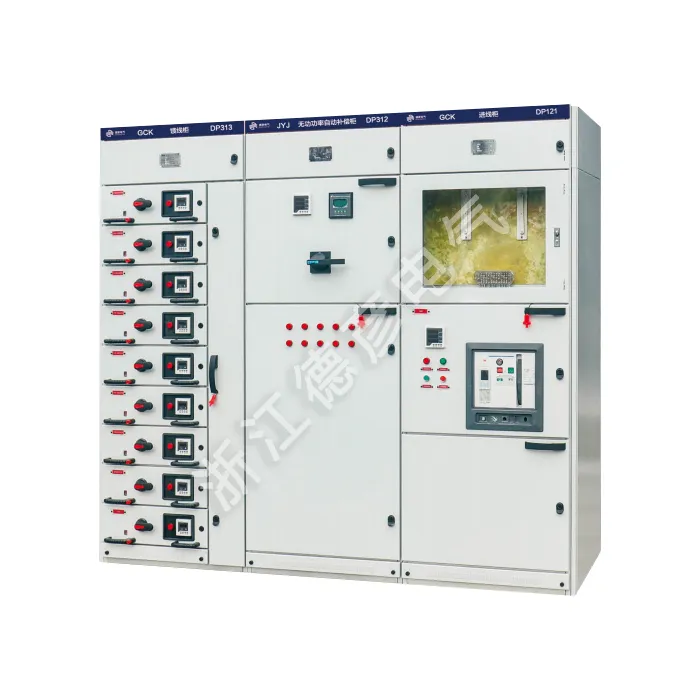
Given that the rated current requirements for Ring Main Units are typically relatively low, their high-voltage switching mechanisms predominantly utilize load switches—devices characterized by their simple structural design—which are paired with high-voltage fuses to interrupt short-circuit currents. This design ingeniously serves as an alternative to more complex circuit breakers, effectively protecting the system against short-circuit damage while fully meeting the demands of routine operational procedures. However, this specific configuration is best suited for capacity requirements falling within a certain defined range, making it particularly ideal for small-to-medium capacity users.

Applications and Development of Ring Main Units

As Ring Main Unit technology continues to mature, the scope of its practical applications is steadily expanding. Today, the term "Ring Main Unit" (RMU) is no longer strictly confined to ring-network topologies; rather, it has evolved into a general designation for high-voltage switchgear that utilizes a load switch as its primary switching device. It is widely deployed in new industrial enterprises, public institutions, and small-to-medium capacity building distribution systems—particularly in scenarios where the distribution transformer capacity typically does not exceed 1250 kVA, where high power supply reliability is paramount, and where switching operations occur infrequently.

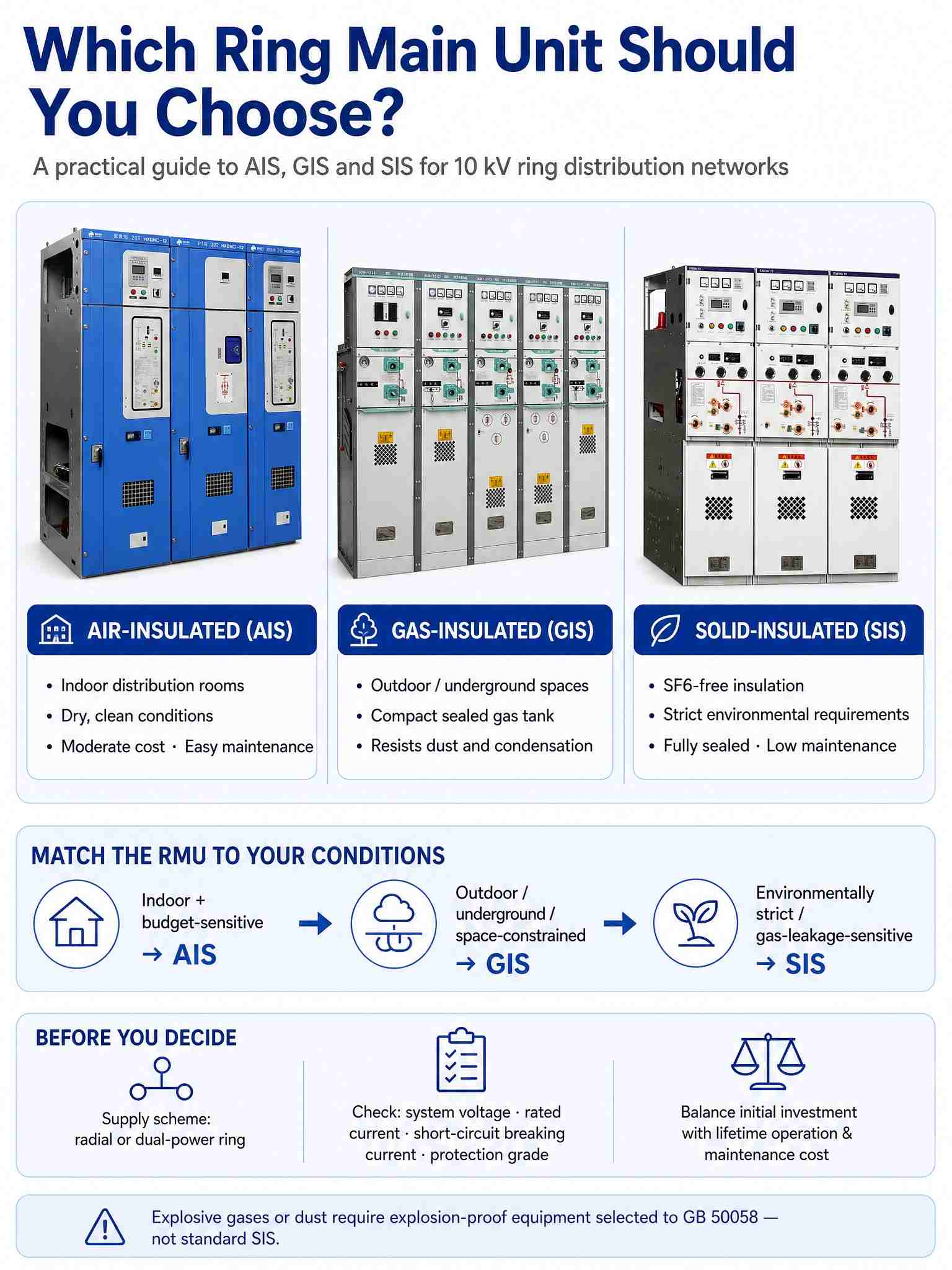
The growth of urban architecture has also created significant opportunities for the application of RMUs. With the proliferation of high-rise buildings and mixed-use complexes, power distribution substations are frequently situated within the lower levels of these structures. Consequently, the equipment must not only comply with fire safety regulations—specifically the requirement for "oil-free" operation—but also prioritize "compactness" to ensure the efficient utilization of space. Thanks to their simple structure, reliable operation, minimal maintenance requirements, and low operating costs, RMUs demonstrate distinct advantages when compared to traditional circuit-breaker switchgear.

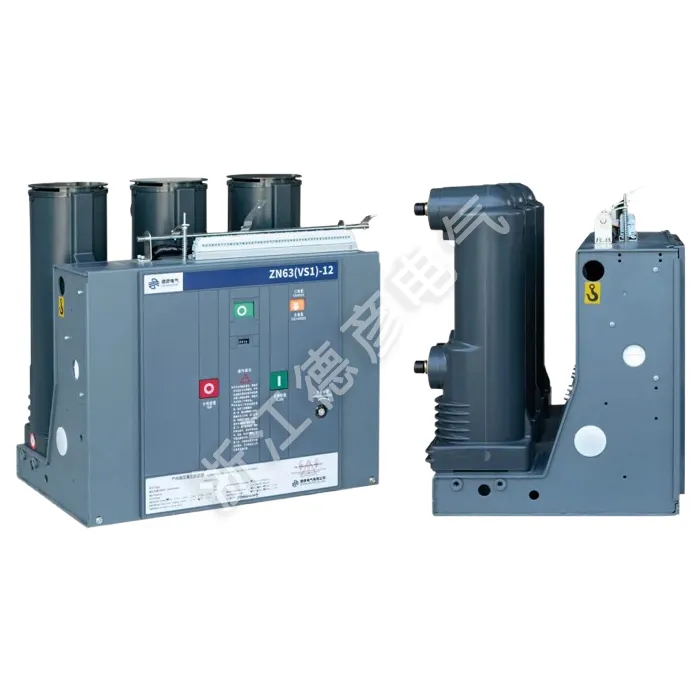
DeYan Electric’s DY-HW series RMU features not only a compact design but can also be seamlessly integrated with components such as vacuum circuit breakers, dry-type transformers, and dry-type instrument transformers to form a comprehensive power distribution solution for buildings. The introduction of advanced load switch technologies has further propelled the technical evolution of RMUs, enhancing their performance to an exceptional level. This advancement has led to the development of a standardized product series, suitable for widespread application across diverse settings—including factories, office buildings, and residential communities.

Technological Evolution and the Future

Driven by advancements in intelligent and digitized power distribution technologies, RMUs are evolving toward higher performance and greater operational flexibility. Features such as remote monitoring, data acquisition, and intelligent protection are gradually becoming standard configurations, offering users enhanced power supply reliability and reduced operational and maintenance costs. DeYan Electric is committed to positioning the DY-HW series RMU as the core component of intelligent power distribution systems, ensuring a stable, reliable, and scalable power supply that serves as a robust foundation for modern buildings and industrial enterprises.

Conclusion

With their unique design philosophy, reliable operational mechanisms, and high adaptability, Ring Main Units have emerged as the dependable guardians of modern small-to-medium capacity power distribution systems. Selecting products that offer exceptional performance, a compact footprint, and ease of maintenance not only safeguards daily power usage but also provides a stable electrical foundation for urban and industrial development. Through its mature technology, flexible configurations, and reliable performance, DeYan Electric’s DY-HW series RMU delivers professional power distribution solutions tailored to the specific needs of a wide range of buildings and enterprises.


Related News
Leave me a message
X
We use cookies to offer you a better browsing experience, analyze site traffic and personalize content. By using this site, you agree to our use of cookies. Privacy Policy
RejectAccept