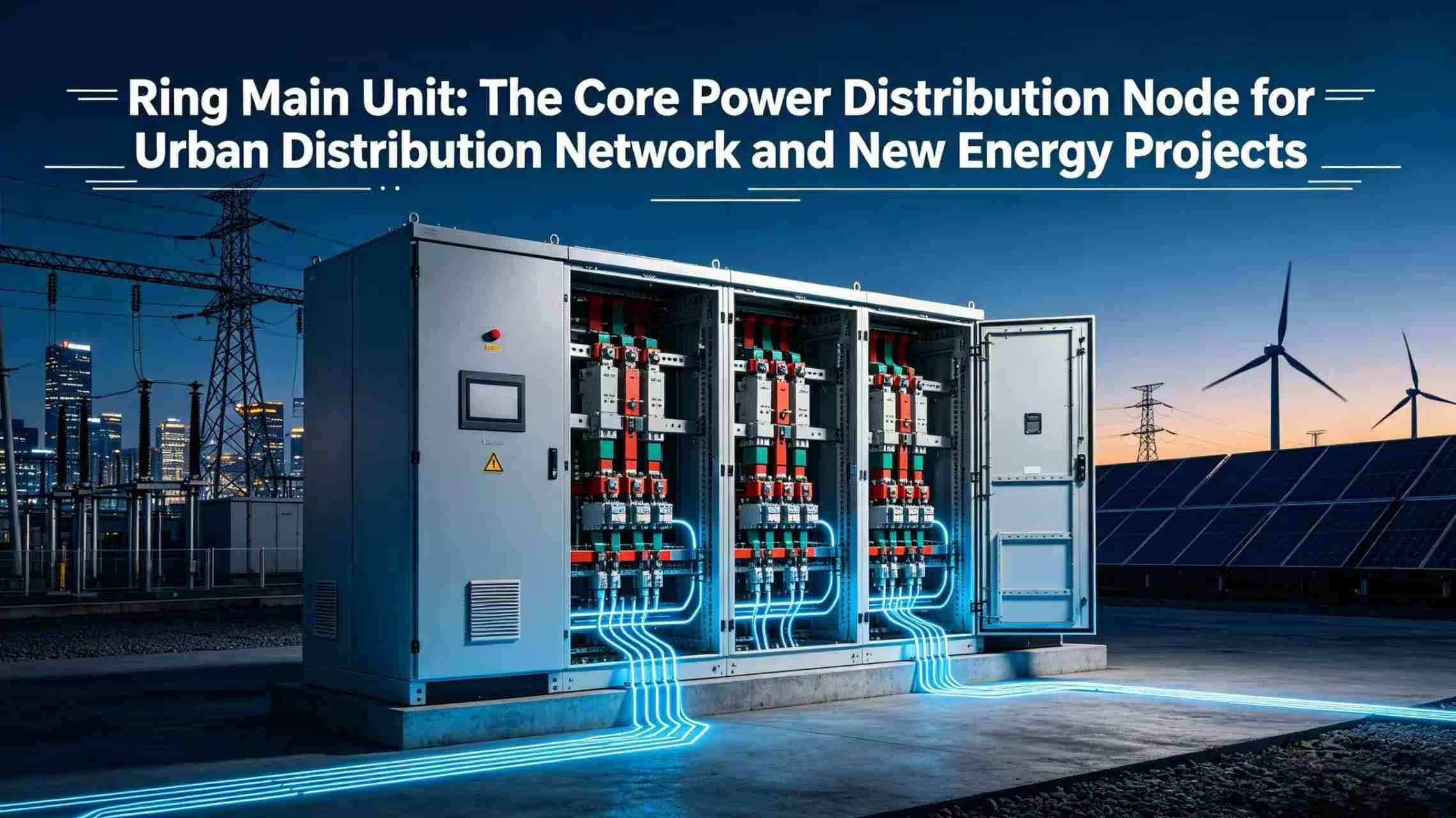
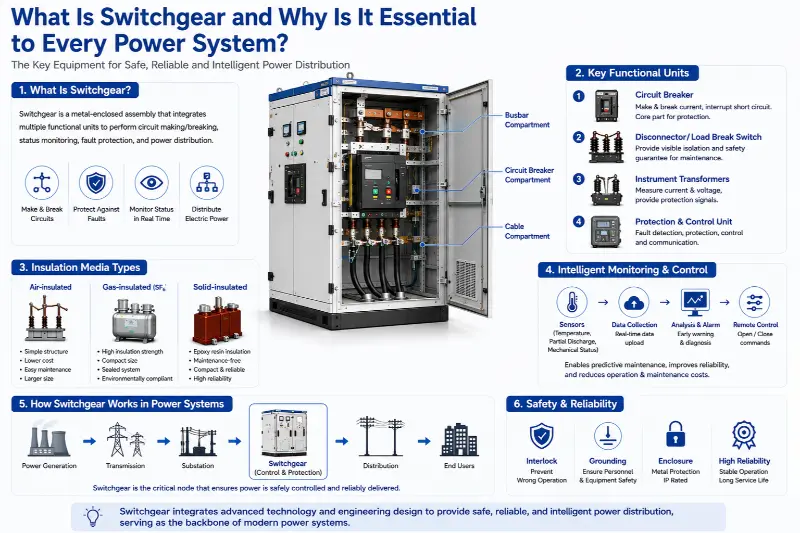
A ring main unit (RMU) is the core switchgear of \(10\mathrm{kV}\) ring distribution networks — but choosing the right one is far from simple. The answer depends less on the product itself than on your operating environment, power supply scheme, and functional needs. This article walks through the selection decision by insulation form, application scenario, and electrical parameters, so you can match the right RMU to your project.
Start with the insulation form — it determines footprint, environmental adaptability, and maintenance burden.
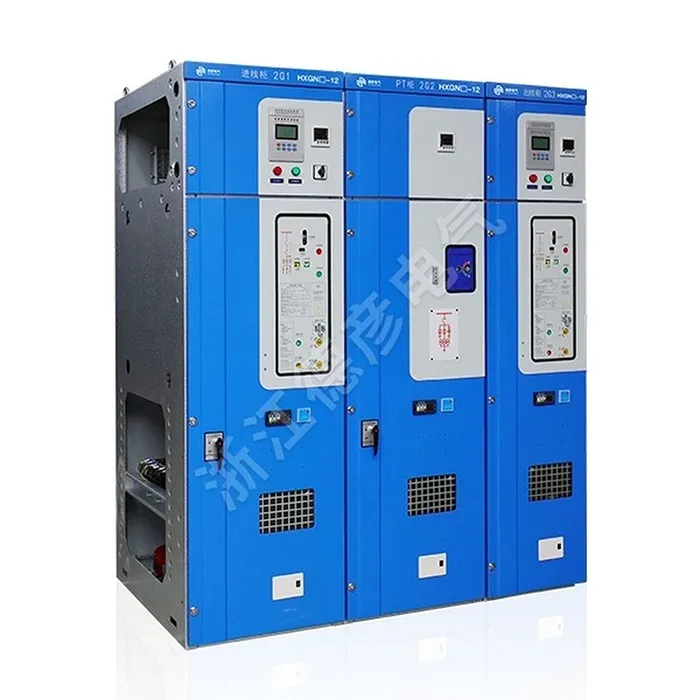
Air-insulated RMUs (AIS) suit indoor distribution rooms with dry, clean, and well-maintained conditions. They offer moderate cost, an intuitive structure, and easy maintenance, but the cabinets are larger and sensitive to humidity and dust.
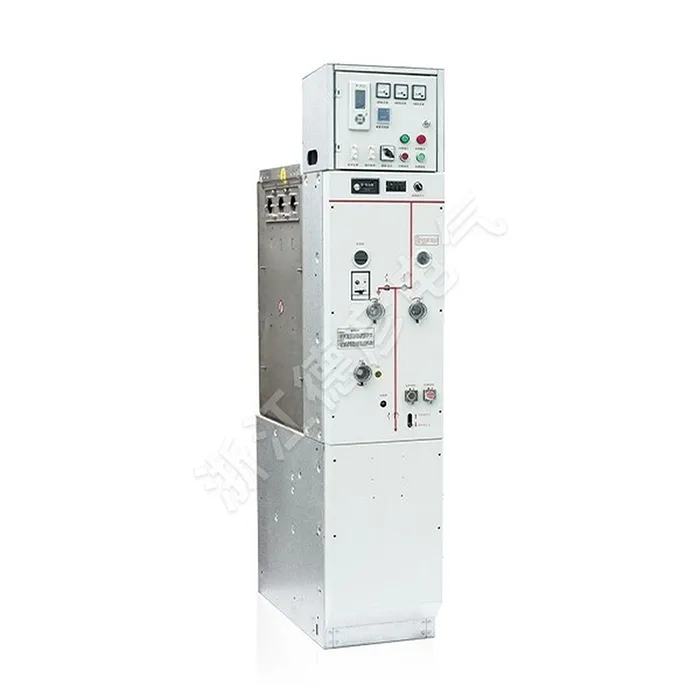
Gas-insulated RMUs (GIS) suit outdoor switching stations, underground pipe galleries, narrow distribution spaces, and photovoltaic projects. Their sealed gas tank delivers a compact size, small footprint, and strong resistance to dust and condensation — at a higher cost.
Solid-insulated RMUs (SIS) suit projects with strict environmental requirements — free of SF6, with no gas leakage or greenhouse effect risks — as well as scenarios sensitive to fire safety and gas leakage. Primary conductors are integrally encapsulated in epoxy resin without gas filling, delivering a fully sealed, low-maintenance design, though with higher processing requirements.
Note: for sites with explosive gases or dust, explosion- proof electrical equipment selected in accordance with GB 50058 (Code for Design of Electrical Installations in Explosive Atmospheres) must be used, rather than standard solid- insulated RMUs.
Then match the scenario.
In simple terms: indoor and budget- sensitive projects \(\rightarrow\) AIS; outdoor, underground, or space- constrained sites \(\rightarrow\) GIS; environmentally strict or gas- leakage- sensitive projects \(\rightarrow\) SIS (for genuinely explosive atmospheres, explosion- proof equipment per GB 50058 is required). For new energy box- type substations and smart distribution networks, gas- insulated units with primary- secondary integration are increasingly the mainstream choice, enabling remote monitoring, automatic fault alarming, and unattended operation.
Verify the power supply scheme and electrical parameters.
Beyond insulation form, confirm whether the network requires simple radial supply or dual- power ring supply, and check core parameters - system voltage, rated current, short- circuit breaking current, and protection grade. These must match the network configuration and load scale; otherwise, even the right insulation type cannot guarantee safe operation.
Balance first cost against lifetime cost.
Reasonable selection weighs initial investment against long- term operation and maintenance costs. A cheaper unit that requires frequent maintenance or fails to fit its environment can cost far more over its service life. Match the RMU to your conditions — not to the price tag.
Zhejiang Deyan Electric Co., Ltd. is a professional manufacturer of power distribution equipment, located in Yueqing Economic Development Zone, Wenzhou, Zhejiang Province. The company's product portfolio includes gas insulated switchgear, ring main units, box- type substations, high and low voltage switchgear, and photovoltaic grid- tie cabinets, widely used in urban grid renovation, industrial power distribution, and new energy power stations. As one of the company's core product lines, ring main units — including air- insulated and gas- insulated types — are provided with complete scheme design and technical support, helping customers build reliable and compliant ring distribution networks. Deyan Electric is committed to providing efficient and reliable power solutions for customers worldwide.
We use cookies to offer you a better browsing experience, analyze site traffic and personalize content. By using this site, you agree to our use of cookies. Privacy Policy