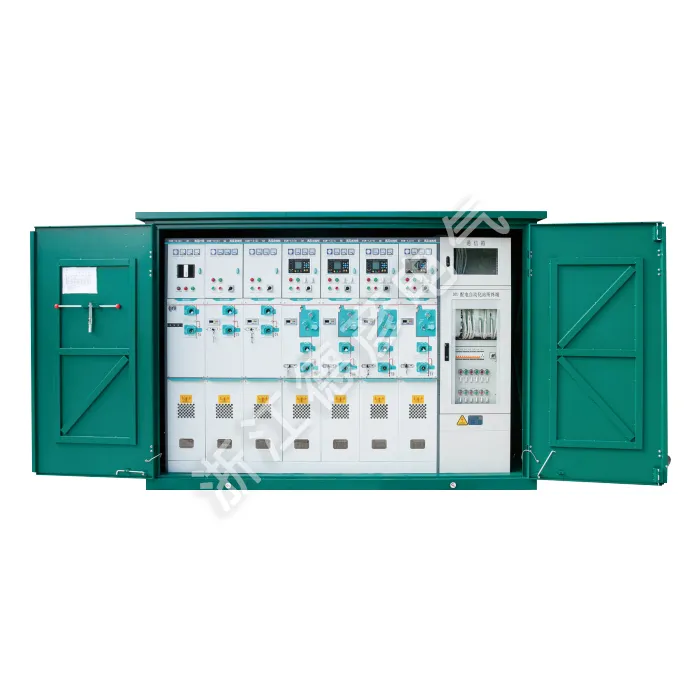
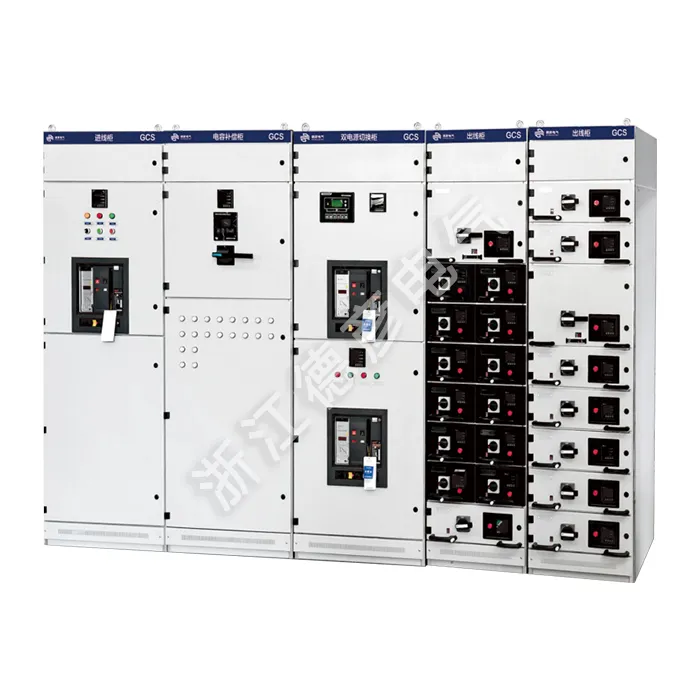
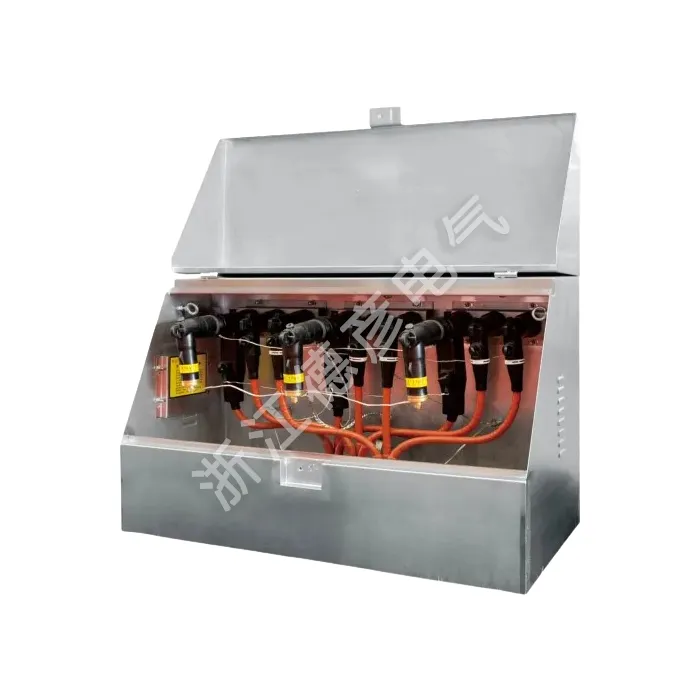
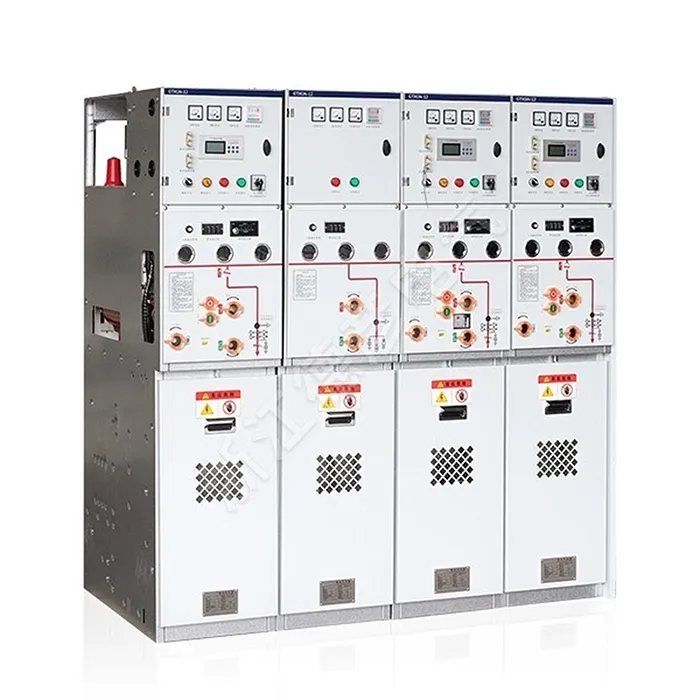
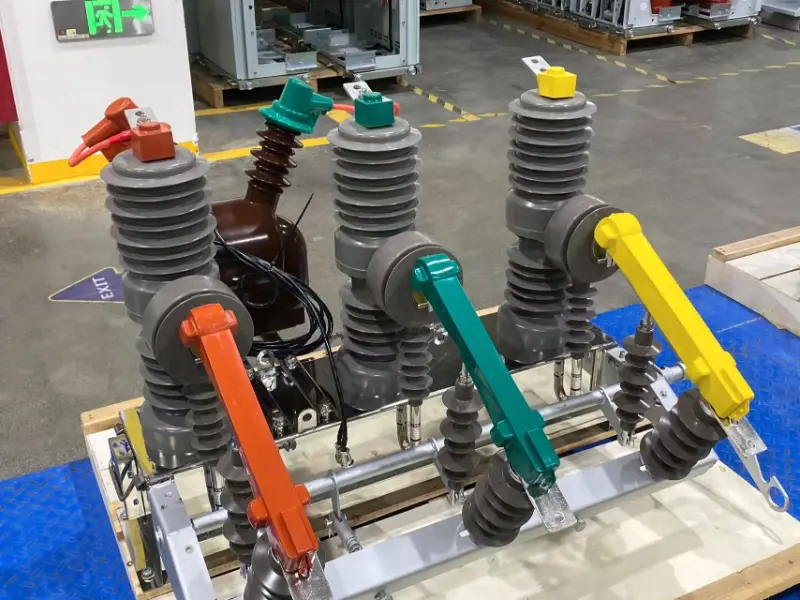
In the world of electrical distribution, the Automatic Circuit Recloser (ACR) is an unsung hero. These intelligent devices are crucial for maintaining grid stability by automatically interrupting and reclosing circuits to clear temporary faults—like a tree branch brushing against a line. But what about their own upkeep? How about the maintenance of the automatic recloser to ensure it operates flawlessly when a fault occurs?
Regular and thorough maintenance is non-negotiable for grid reliability. Neglecting an ACR can lead to extended outages, equipment damage, and safety hazards. This blog post provides a detailed look at the essential maintenance procedures required to keep these critical assets in top condition.
Why Maintenance Matters
Before diving into the "how," it is important to understand the "why." An unmaintained recloser can suffer from several issues that directly impact grid performance :
Delayed Fault Response: Mechanical wear or control calibration drift can slow down fault clearing, leading to longer customer outages.
Communication Failures: In smart grid applications, a malfunctioning communication module can blind operators, preventing remote monitoring and control.
Reduced Equipment Lifespan: Dirt, corrosion, and lack of lubrication accelerate wear, increasing the total cost of ownership and leading to premature failure.
A proactive maintenance strategy, therefore, is essential to minimize downtime and maximize return on investment .
The Core Maintenance Checklist
A comprehensive maintenance program for an automatic circuit recloser involves several key steps, from a simple visual check to detailed electrical testing.
1. Pre-Maintenance Inspection
The first step is always a thorough visual and mechanical inspection. Before any tools are connected, technicians should look for obvious signs of trouble :
External Appearance: Check the enclosure for cracks, corrosion, or damage. In coastal areas, look specifically for salt deposits which can accelerate deterioration.
Connections: Inspect all terminals, bushings, and cables for signs of overheating, looseness, or arcing. Loose connections are a primary source of failures.
Operating Mechanism: Ensure all moving parts are free of debris and that there are no signs of wear on gears, levers, or springs.
Environment: Note the ambient conditions. Excessive dust, moisture, or vegetation near the unit can all affect performance .
2. Cleaning
Dirt and contaminants are the enemies of insulation and mechanical operation. Regular cleaning should be performed to prevent flashovers and mechanical binding .
External Cleaning: Use a soft brush, cloth, or compressed air to remove dust from the enclosure and insulators. For stubborn grime, a mild detergent can be used, followed by a thorough rinse and dry.
Internal Cleaning: If the enclosure is opened (following strict safety protocols), use compressed air to gently remove dust from control boards, relays, and internal mechanisms.
3. Mechanical and Electrical Testing
This is the core of predictive maintenance, where component health is quantitatively assessed .
Contact Resistance Test: Using a micro-ohmmeter, measure the resistance across the main contacts. An increase in resistance indicates pitting or contamination, which leads to overheating .
Insulation Resistance Test: A megohmmeter is used to test the integrity of the insulation. Low readings can indicate moisture ingress or tracking paths on the insulation surface .
Operational Timing Tests: Simulate fault conditions to verify that the recloser opens and closes within the manufacturer's specified time limits. This tests the health of the trip and close coils and the mechanical actuator .
Vacuum Integrity (for vacuum interrupters): While often maintenance-free, the integrity of the vacuum bottle should be verified according to the manufacturer's recommendations, as it is critical for fault interruption .
4. Control and Communication Verification
Modern reclosers are sophisticated grid sensors. Their "brains" need just as much attention as their "muscles" .
Relay Calibration: The protection settings (time-current curves, pick-up/drop-off values) must be verified and calibrated to ensure they coordinate correctly with upstream and downstream devices .
SCADA Check: Verify that the communication link (e.g., DNP3.0, Modbus, IEC 61850) is active and that remote open/close commands function correctly.
Battery/Backup Supply: Test and, if necessary, replace batteries that power the control electronics and communication modules. A dead battery can render remote control impossible during an outage.
Firmware: Check with the manufacturer for firmware updates that may improve functionality or address known issues.
5. Reclosing Sequence Verification
The defining feature of an ACR is its ability to reclose. A specific test should simulate a permanent fault to ensure the device follows its programmed sequence (e.g., trip -- reclose -- trip -- reclose -- lockout) correctly .
6. Record Keeping
Maintenance is not complete without documentation. Keeping a detailed log is vital for asset management .
Maintenance Log: Record all inspection findings, tests performed, and corrective actions taken.
Test Data: Store all quantitative data (contact resistance, timing results) to establish a baseline and track degradation over time. This data is the foundation of condition-based maintenance.
Maintenance Frequency
How often should this happen? There is no single answer, as it depends heavily on the environment and technology .
Environment
Visual Inspection
Functional Testing
Full Overhaul
Normal (Urban)
Every 12 months
Every 24 months
Every 6 years
Harsh (Coastal/Industrial)
Every 6 months
Every 12 months
Every 4 years
Modern reclosers with solid dielectric insulation and magnetic actuators often allow for longer intervals, but these schedules provide a solid baseline .
Conclusion
So, how about the maintenance of the automatic recloser? It is a critical, multi-faceted process that blends physical inspection with digital verification. By adhering to a structured checklist—covering everything from visual checks and cleaning to rigorous electrical testing and communication verification—utilities can ensure these smart devices live up to their name. Proper maintenance not only extends the life of the equipment but, more importantly, guarantees the reliable power delivery that modern society depends on
We use cookies to offer you a better browsing experience, analyze site traffic and personalize content. By using this site, you agree to our use of cookies. Privacy Policy