Blog

A Complete Guide to PV Step-Up Substations and Key Selection Points

2026-08-31 0 Leave me a message
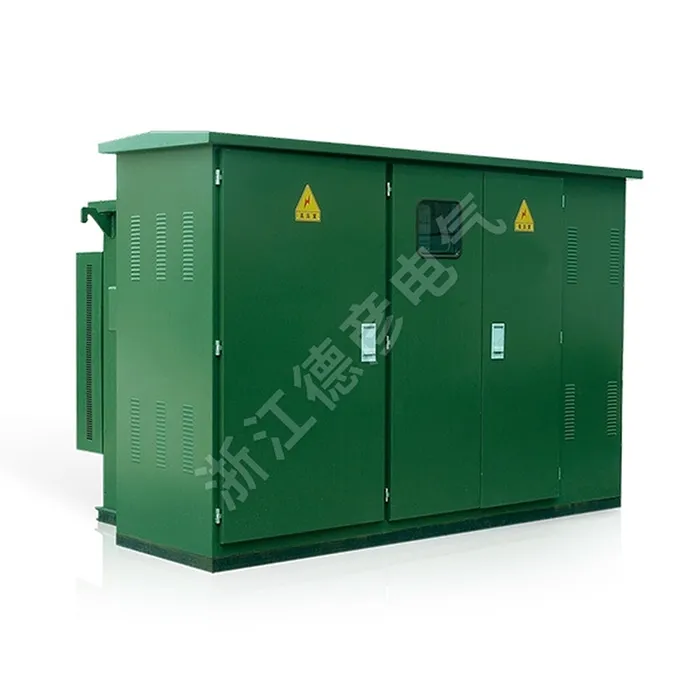
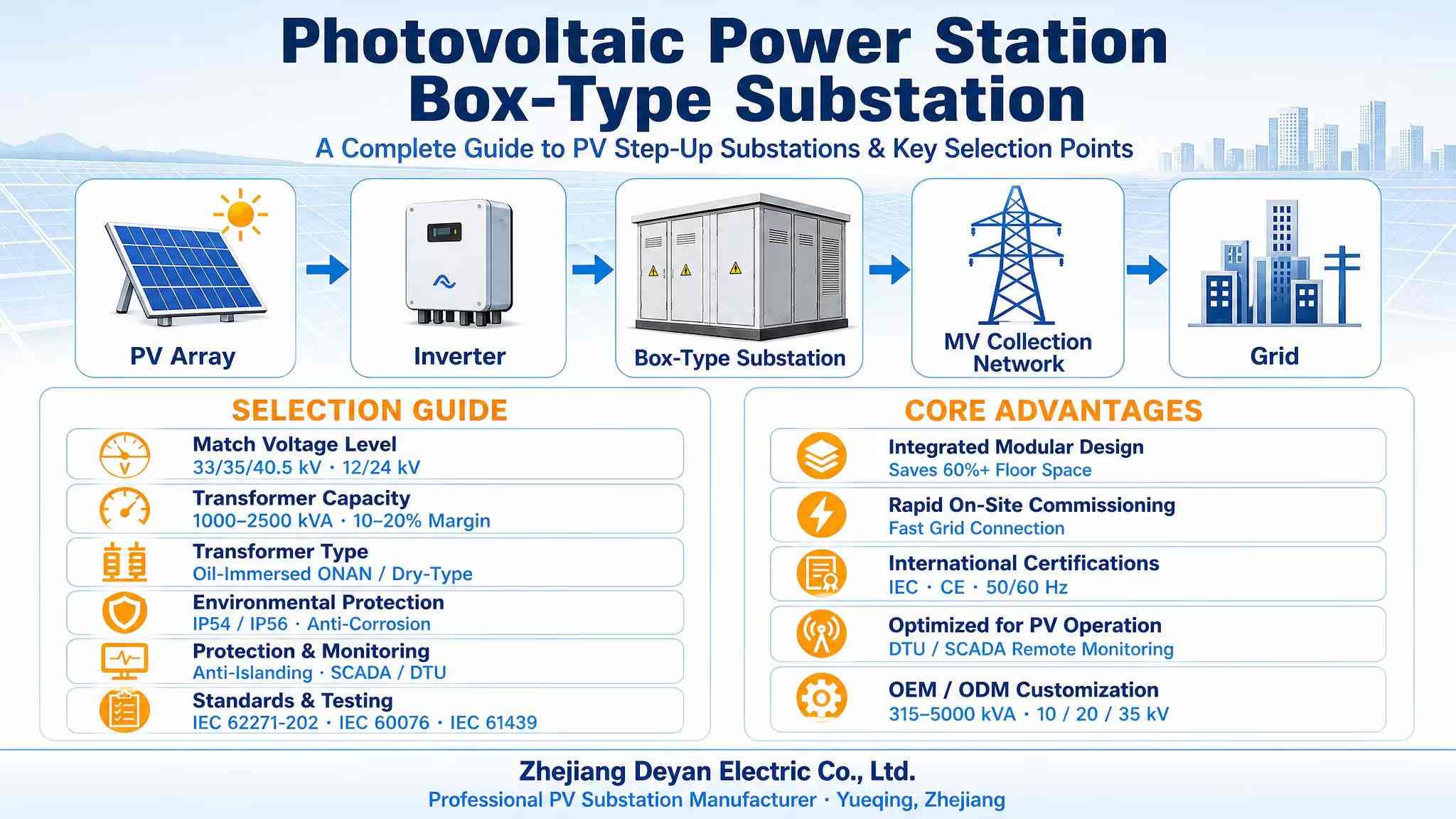
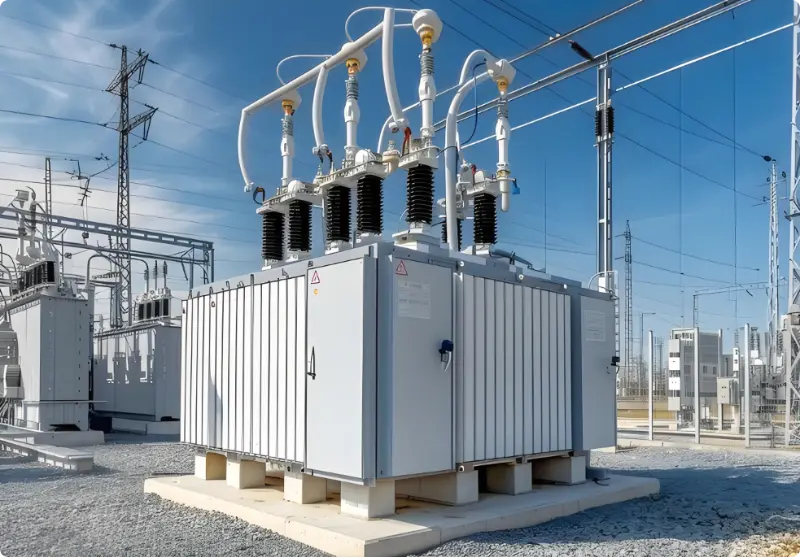
With the continuous expansion of photovoltaic (PV) power plant projects worldwide, overseas EPC contractors and PV developers urgently need power distribution equipment that offers high reliability and rapid deployment. However, PV power plants cannot directly connect to the grid on their own. The electrical energy collected by the PV module arrays needs to be stepped up from the inverter output voltage to the medium-voltage collection network, and then fed into the transmission and distribution grid---this is precisely the function of the box-type substation. The box-type substation for PV power plants (also called a photovoltaic prefabricated compact substation) has become a core grid-connection device for both centralized and distributed PV projects.

How to Select a Box-Type Substation for Your PV Project

1. Match the Collector Voltage Level: Confirm the medium-voltage collection voltage of the power station and the local grid standards. Large ground-mounted power plants commonly use 33kV, 35kV, or 40.5kV; distributed projects more often use 12kV or 24kV. The high-voltage components, transformer, and bushings of the substation must match the voltage level; mismatches can cause equipment failure.

2. Determine Transformer Capacity: The transformer capacity must cover the maximum output of the PV inverter array, with a 10-20% safety margin, while also considering high-temperature derating. Generally, a single PV array is equipped with one step-up transformer, commonly ranging from 1000kVA to 2500kVA. Excess capacity increases costs and losses, while insufficient capacity will limit the plant's power generation during high solar irradiance.

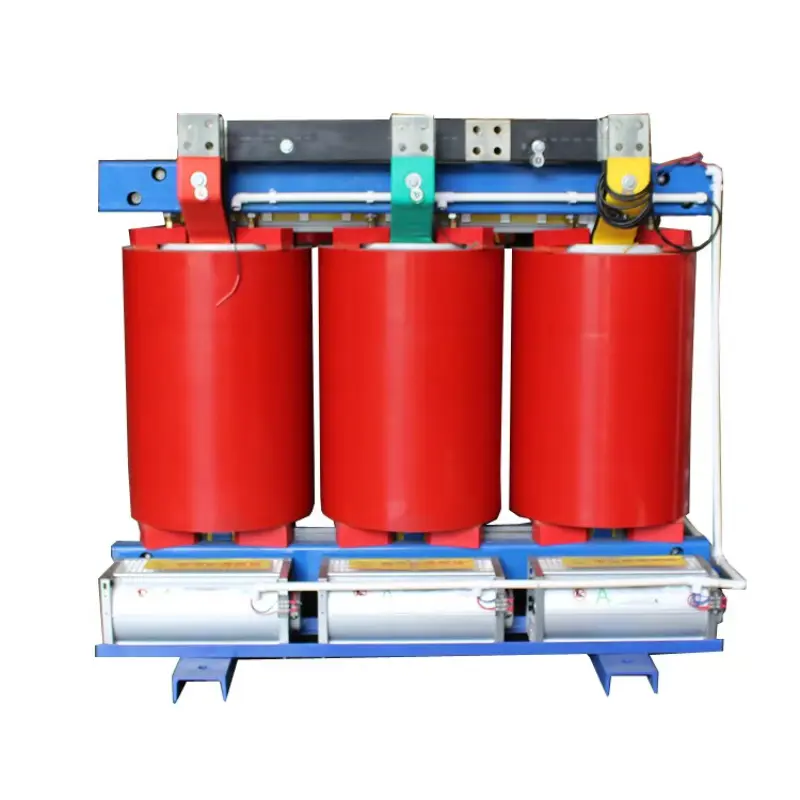
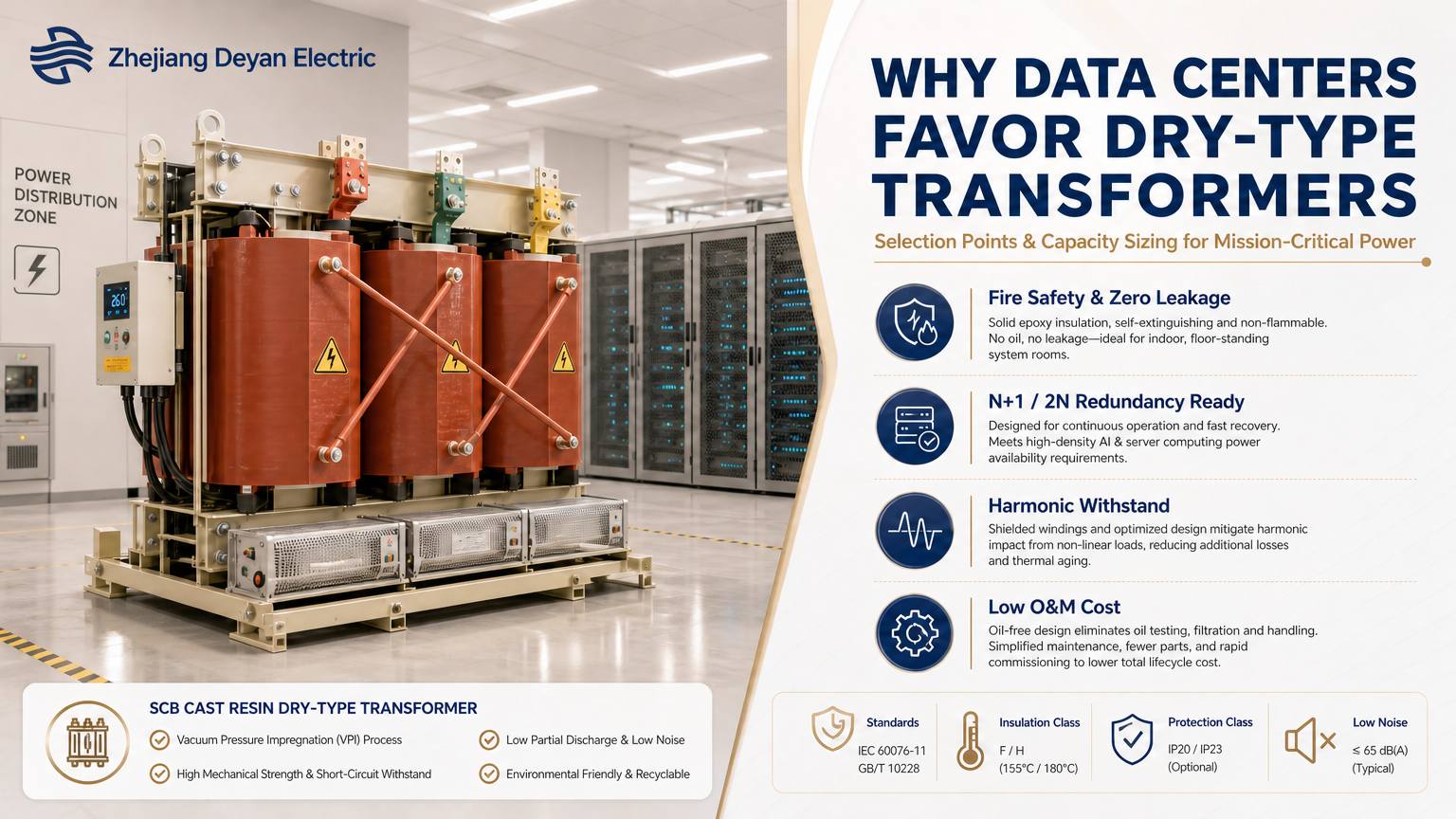
3. Choose the Transformer Type: Oil-immersed (ONAN) transformers offer high reliability and cost-effectiveness, making them suitable for outdoor ground-mounted and desert PV power plants. Dry-type transformers are suitable for indoor applications, projects with high fire protection requirements, and areas with strict environmental regulations.

4. Verify Environmental Protection Capabilities: For harsh conditions such as desert high temperatures, coastal salt fog, and high altitudes, verify the enclosure protection rating, anti-corrosion treatment, high-temperature derating parameters, and the ventilation/air conditioning cooling design for the transformer and low-voltage compartments. Cooling system design in hot regions is crucial.

5. Configure Protection and Monitoring Systems: The system must adapt to inverter harmonics, photovoltaic-storage bidirectional power flow, and meet grid connection requirements. Equip with overvoltage/undervoltage, frequency, overload, and optional anti-islanding protection, along with necessary instrument transformers and interlocking mechanisms. For large ground-mounted plants, confirm that the substation supports SCADA remote monitoring protocols.

6. Check Standards and Testing Requirements: Equipment must comply with IEC 62271-202, IEC 60076, and IEC 61439. For export projects, IEEE standards may also be required as applicable. Request type test reports, CE certificates, etc., when ordering. Specify Factory Acceptance Test (FAT) items (insulation, withstand voltage, contact resistance, mechanical and interlock tests) in the contract, and agree on delivery schedules and spare parts terms.

Core Advantages of Deyan PV Substations

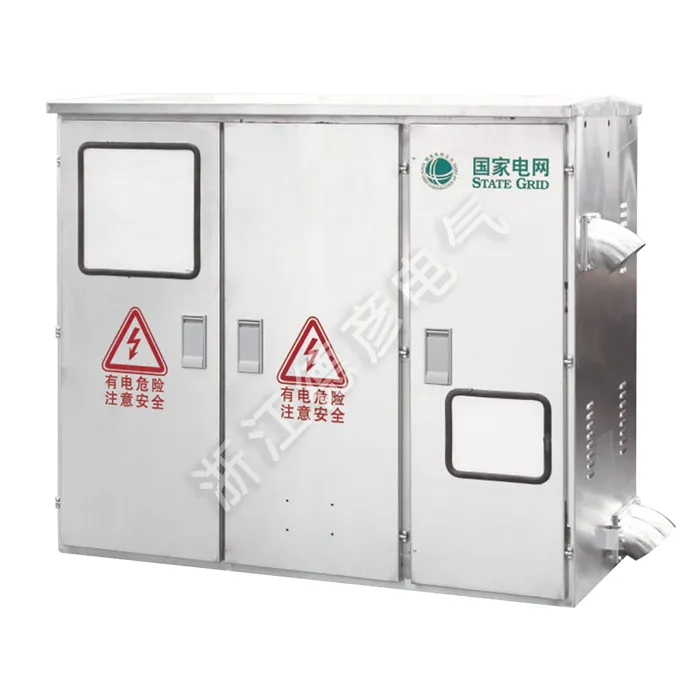
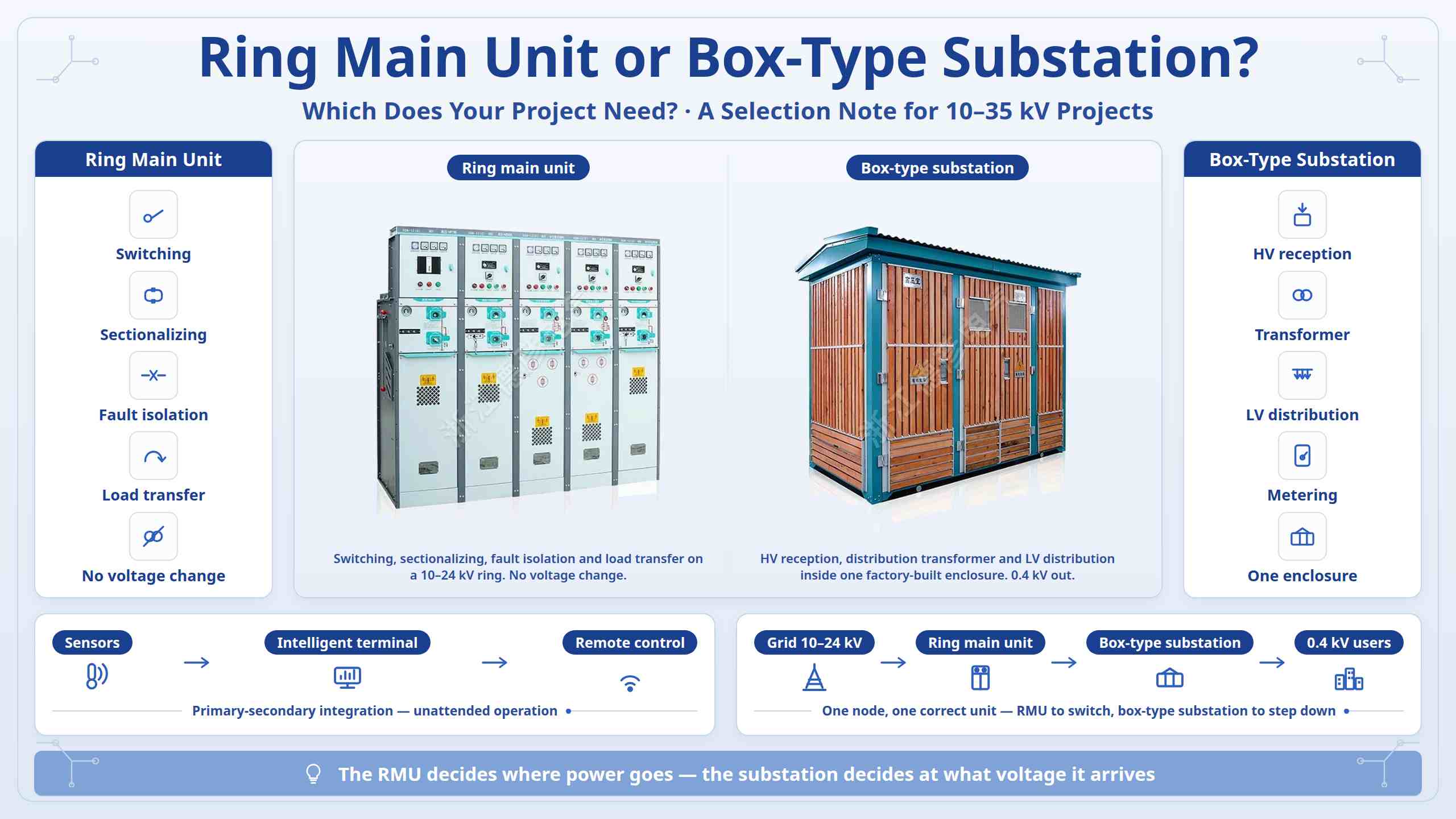
1. Highly Integrated Modular Structure: High-voltage switchgear, distribution transformer, low-voltage distribution unit, metering, and reactive power compensation devices are integrated into a sealed enclosure. Compared to traditional civil power distribution rooms, this saves over 60% of floor space, making it highly suitable for PV projects with limited land resources.

2. Rapid On-Site Commissioning, Shortened Project Timeline: All internal wiring, assembly, and factory tests are completed at the manufacturing facility. Upon arrival at the project site, the equipment only requires foundation placement and cable connection for energization, significantly reducing the project construction cycle and enabling fast grid-connection and power generation for PV projects.

3. Compliant with International Certification Standards: Products comply with IEC 62271-202 and meet CE certification requirements, with support for 50Hz/60Hz grid customization for different countries. Enclosure protection ratings can reach IP54 and IP56, providing resistance to sandstorms, salt spray corrosion, and high temperatures, suitable for harsh outdoor PV operating conditions like deserts, coastal areas, and high-humidity environments.

4. Optimized Electrical Performance for PV Operating Conditions: Designed for the intermittent output characteristics of PV power generation, equipped with comprehensive overvoltage, overcurrent, and anti-islanding protection. Supports DTU and SCADA remote monitoring, meeting the requirements for unattended PV plant operation. Transformers are available in oil-immersed or dry-type options to match project requirements.

5. Supports OEM/ODM Customization Services: Capacity ranges from 315kVA to 5000kVA, with voltage levels of 10kV/20kV/35kV. Enclosure dimensions, internal configurations, cooling solutions, and enclosure colors can be adjusted based on customer single-line diagrams. Small batch orders are accepted for project-based orders.

Why Choose Zhejiang Deyan Electric Co., Ltd.?

Zhejiang Deyan Electric Co., Ltd., located in Yueqing, Zhejiang, is a professional manufacturer of high and low voltage complete power equipment. Deyan Electric offers PV-specific solutions, including the 4300 kVA 40.5 kV Prefabricated Substation for Ground-Mounted Power Stations, the 2000 kVA European-Style Box-Type Substation for medium-sized PV parks, and modular compact substations for distribuated projects. All products are factory pre-assembled and fully tested before shipment, suitable for PV grid-connection needs in Europe, Southeast Asia, the Middle East, Africa, and other regions.

Entity Manufacturing Factory with Complete In-House Production and Testing Workshops

● Strict factory testing before shipment; full test reports and certification documents available.
● Capable of handling urgent PV EPC orders with controllable delivery schedules.
● One-stop service from drawing review and production to after-sales technical support.
● Extensive experience in exporting new energy projects.

Related News
Leave me a message
X
We use cookies to offer you a better browsing experience, analyze site traffic and personalize content. By using this site, you agree to our use of cookies. Privacy Policy
RejectAccept