Blog

Why Is Switchgear the Key Node in Modern Power Systems?

2026-06-10 0 Leave me a message

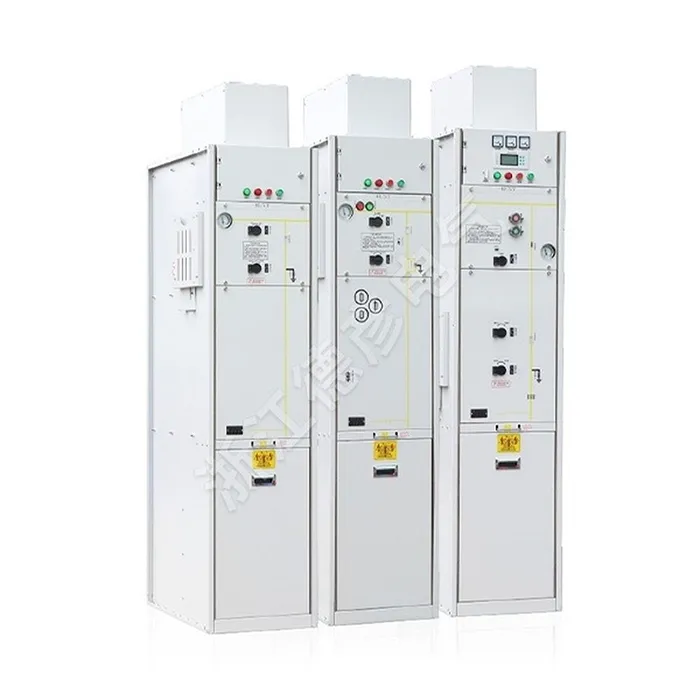
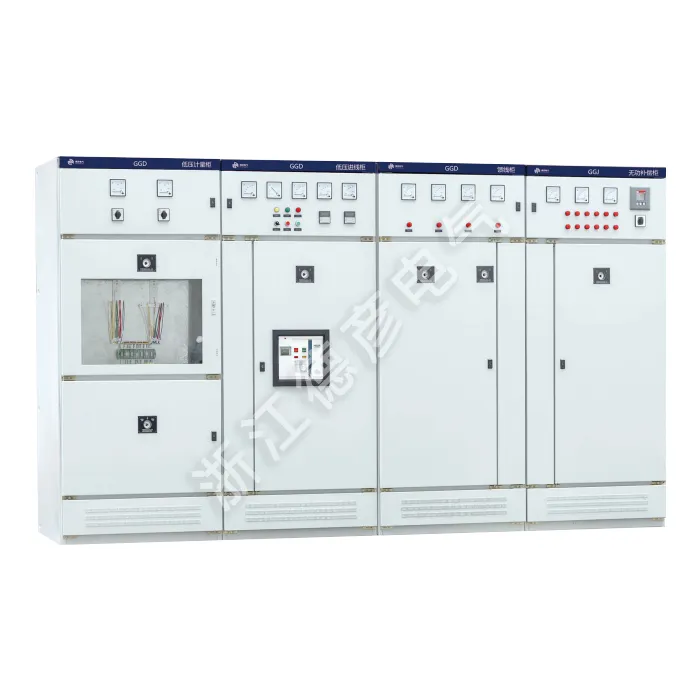
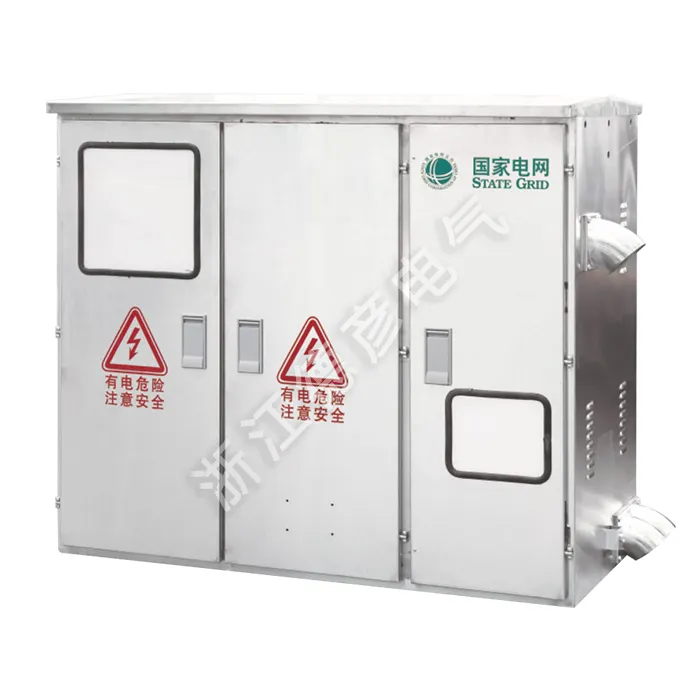
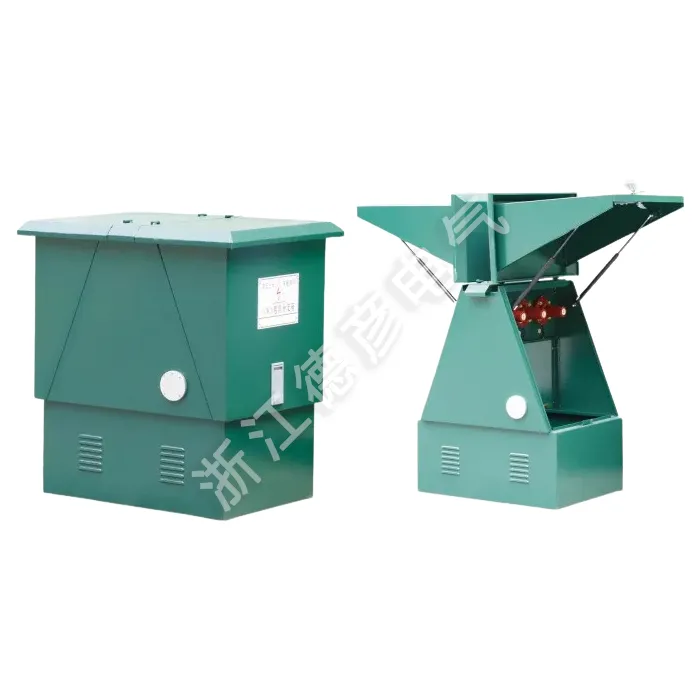
In an electrical power system, the transmission of electric energy from power plants to end-users involves a series of complex control, distribution, and protection stages. This process entails far more than simply connecting wires; it relies on a sophisticated, coordinated array of equipment. Switchgear, serving as a critical node in the power network, performs functions that extend well beyond the simple concept of "switching." Essentially, it is a metal-enclosed assembly integrating multiple functional units, tasked with core operations such as circuit making and breaking, status monitoring, fault protection, and power distribution. Understanding switchgear is key to comprehending how modern power systems achieve safe, reliable, and flexible power supply.


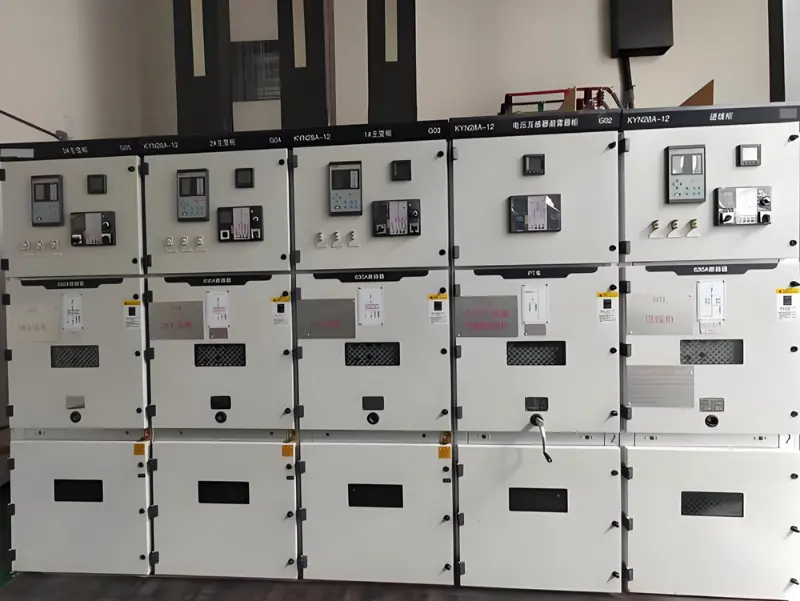
The core value of switchgear lies in its physical implementation of "isolation" and "control." Power systems must handle various operating conditions, including routine power transmission and outages, safe isolation during equipment maintenance, and rapid disconnection during faults. Through the mechanical combination and electrical interlocking of its internal functional units, switchgear standardizes and secures these operations. Its metal enclosure provides a robust protective barrier, physically separating live components from the external environment and personnel. Internally, partitions further divide the unit into independent compartments—such as the busbar chamber, circuit breaker chamber, and cable chamber. This design ensures that if a fault occurs in one compartment, its impact remains localized, preventing the incident from escalating. This modular, compartmentalized design philosophy forms the foundation of how switchgear ensures overall system stability.


In terms of functional composition, a typical switchgear unit is not merely a single piece of equipment but a miniature system. It comprises several key functional units working in concert:

1. Main circuit making and breaking unit: The core component here is the circuit breaker. It is capable of making and breaking circuits under normal load conditions; more importantly, in the event of a short circuit or severe overload, its internal tripping mechanism allows it to trip automatically within milliseconds, interrupting the fault current. Its breaking capacity directly determines the magnitude of short-circuit faults the switchgear can handle.

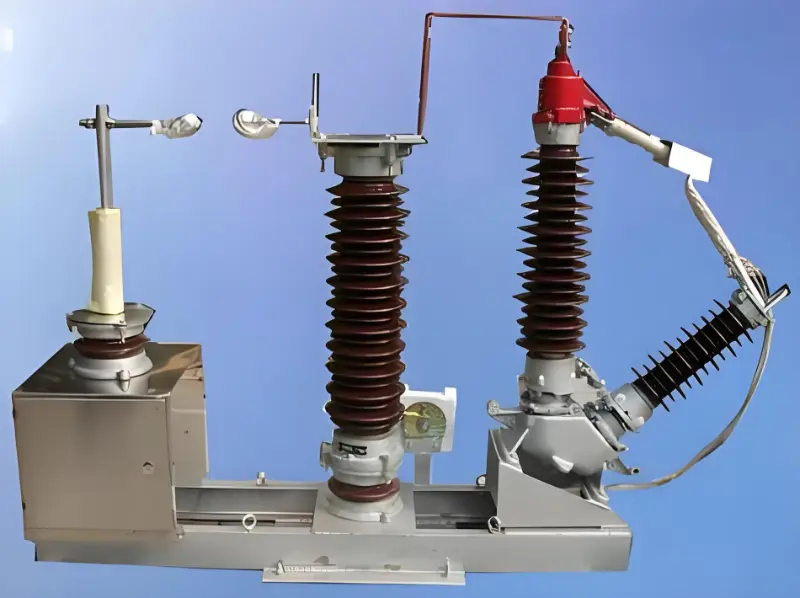
2. Safety isolation and visible break unit: This function is primarily performed by disconnectors (isolators) or load-break switches. Disconnectors are used after the circuit breaker has opened to create a clear, reliable air-insulated gap, providing a visible safety assurance for equipment maintenance. Load-break switches can be categorized as follows: 1. Air-insulated: These utilize air at atmospheric pressure as the primary insulating medium. Advantages include a straightforward structure, lower costs, and ease of maintenance. Disadvantages include bulky equipment size; because air has relatively low dielectric strength, large electrical clearances are required to ensure safety. Internal components are also susceptible to environmental factors such as humidity and dust.

3. Gas-insulated: Sulfur hexafluoride (SF6) gas is typically used as the insulating and arc-extinguishing medium. SF6 gas offers excellent insulation and arc-quenching capabilities, allowing switchgear utilizing this technology to be highly compact with a small footprint, while remaining immune to external environmental interference. However, the technology relies heavily on gas sealing techniques; furthermore, SF6 is a potent greenhouse gas, and its recovery and disposal are subject to strict environmental regulations.

4.Solid-insulated: Solid materials, such as epoxy resin, are used to cast or encapsulate primary circuit components (e.g., circuit breakers, disconnectors) into a single, integrated module. This technology completely eliminates the impact of the external environment and enables maintenance-free operation, with equipment size falling between that of air-insulated and gas-insulated types. The challenge lies in the extremely high requirements for material processing and heat dissipation design.

Modern switchgear design increasingly emphasizes state observability and intelligent operation and maintenance. Traditional periodic maintenance models are shifting toward condition-based predictive maintenance. This relies on various sensors installed within the cabinet: temperature sensors monitor heat generation at contacts and busbar connection points; partial discharge sensors detect early-stage internal insulation defects; and mechanical characteristic sensors record the opening and closing speeds and timings of circuit breakers. Collected data is uploaded to a backend system where big data analysis provides early warnings of potential faults, enabling targeted maintenance; this significantly enhances power supply reliability and reduces operation and maintenance costs.


Switchgear does not operate in isolation; its secondary control system serves as the neural interface for integration into modern smart grids. Through standard communication protocols, data regarding protection, measurement, and status can be transmitted to substation automation systems or higher-level dispatch centers. It can also receive remote control commands to execute remote opening and closing operations. This capability for bidirectional information exchange enables grid dispatchers to monitor the operational status of the network's edge in real time and facilitates rapid fault isolation and power restoration—fundamental elements in building a self-healing grid.


Regarding installation and long-term operation, the performance of switchgear is influenced by a multitude of factors. The levelness of the installation foundation, the tightening torque of busbar connections, and the reliability of the grounding network serve as initial conditions that determine its lifetime performance. During operation, internal components accumulate electrical and mechanical wear; connections may loosen due to thermal expansion/contraction or electromagnetic forces, leading to overheating; and insulation materials undergo gradual aging over time. Even the most advanced equipment requires professional inspections, temperature monitoring, and partial discharge testing to track changes in its condition.


As a critical node in the power system, switchgear embodies a design philosophy characterized by high integration, functional specialization, and a focus on safety redundancy. From its rugged external metal cladding to its intricate internal electrical logic, and from fundamental physical isolation principles to cutting-edge smart sensing technologies, every detail serves a core objective: establishing reliable control points and safety barriers amidst complex power flows. A deep understanding of switchgear reveals that a continuous, stable power supply cannot be taken for granted; rather, it relies on the rigorous engineering design and ongoing technological evolution behind countless pieces of such critical equipment. Capable of making and breaking circuits at rated current and withstanding specific short-circuit making currents, these units are often paired with fuses for specific applications. Mechanical or electrical interlocks between them and circuit breakers are crucial for preventing operational errors.

Related News
Leave me a message
X
We use cookies to offer you a better browsing experience, analyze site traffic and personalize content. By using this site, you agree to our use of cookies. Privacy Policy
RejectAccept