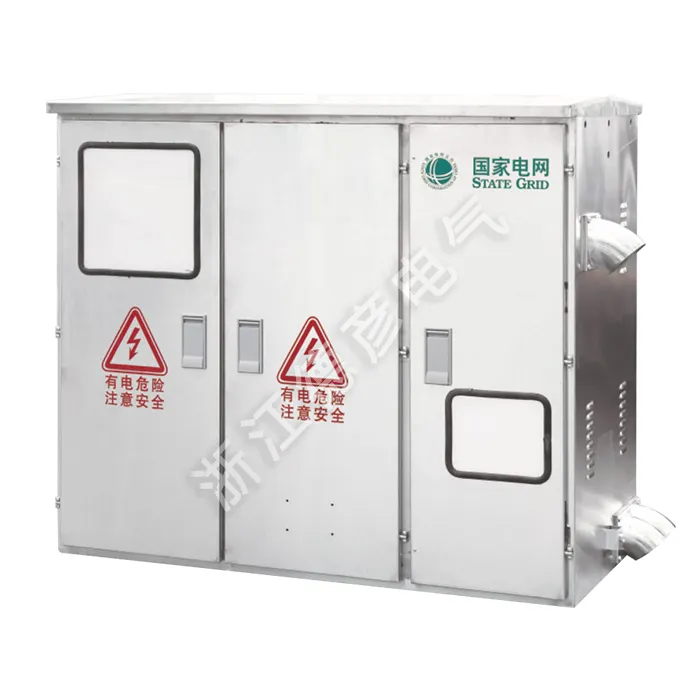
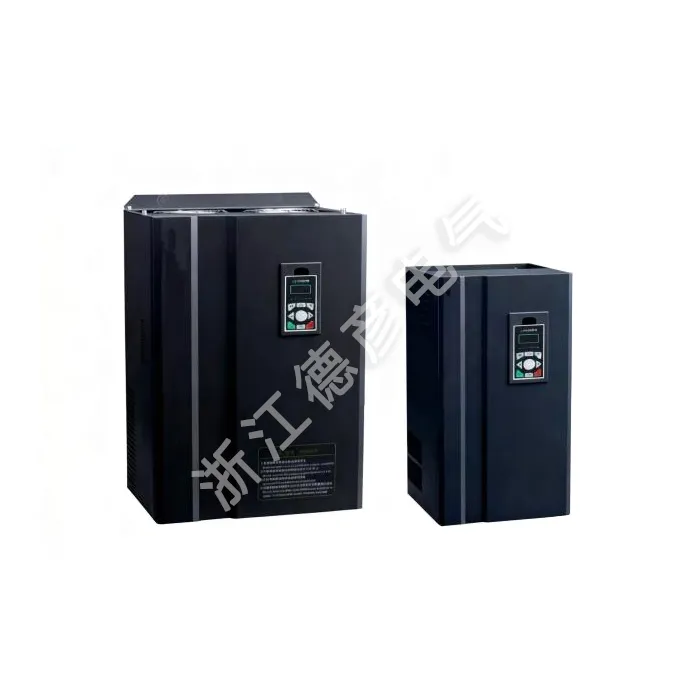
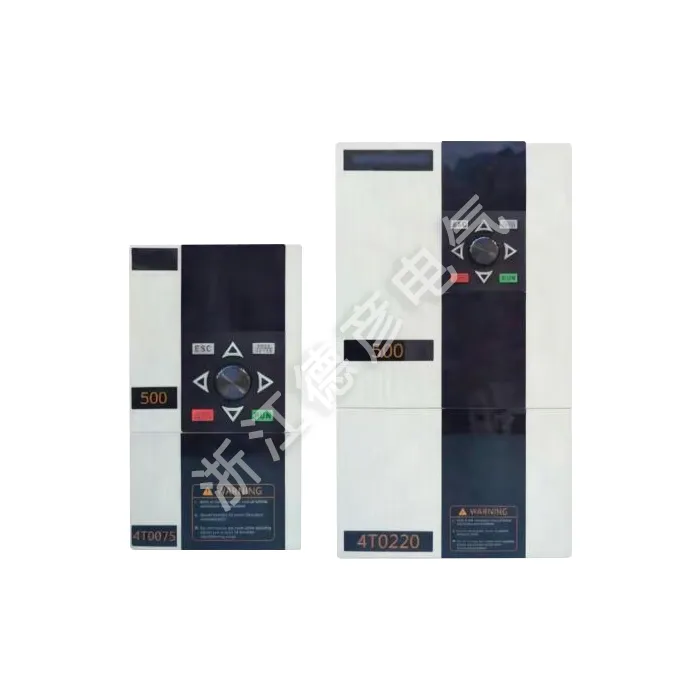
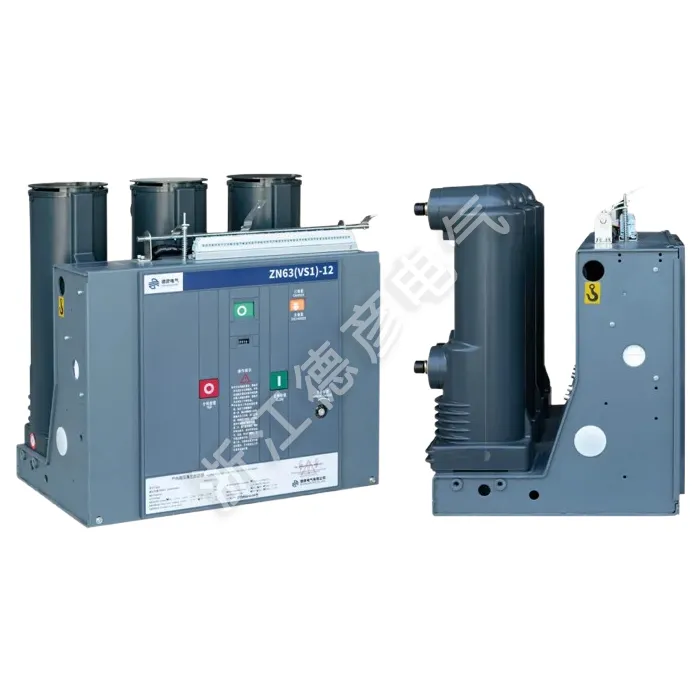
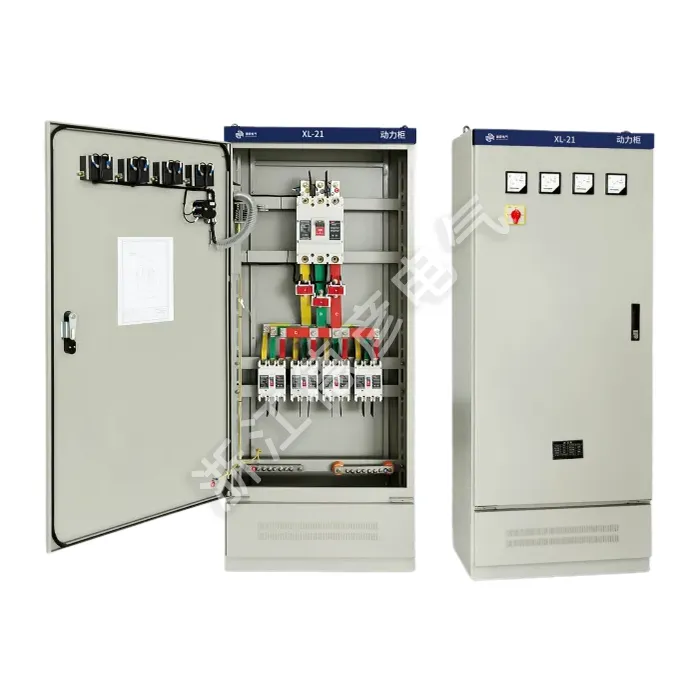
High voltage switchgear is one of the most critical components in modern electrical power systems. Whether used in utility substations, industrial plants, renewable energy projects, commercial facilities, or transmission networks, it plays a vital role in protecting electrical equipment, isolating faults, and ensuring continuous power delivery.
Many facility owners and project managers face challenges such as unexpected outages, equipment damage, operational safety risks, and increasing maintenance costs. Choosing the right high voltage switchgear can significantly reduce these risks while improving system performance and long-term reliability.
This article explains how high voltage switchgear works, its key components, advantages, applications, selection considerations, and maintenance practices to help you make informed decisions for your power infrastructure projects.
High voltage switchgear serves as the backbone of electrical protection systems by controlling, protecting, and isolating electrical equipment operating at high voltage levels. Modern switchgear solutions improve operational safety, minimize downtime, support efficient fault management, and help organizations maintain stable power distribution. Understanding its functionality and selection criteria is essential for maximizing system reliability and investment value.
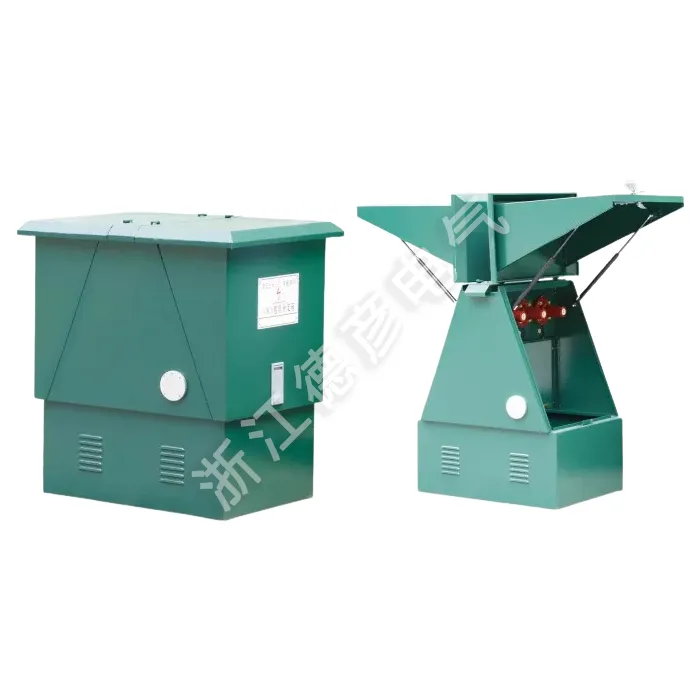
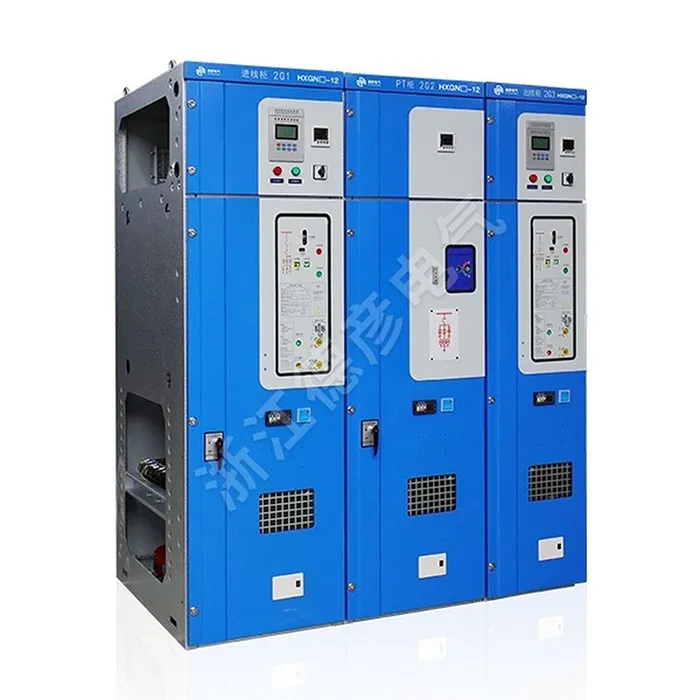
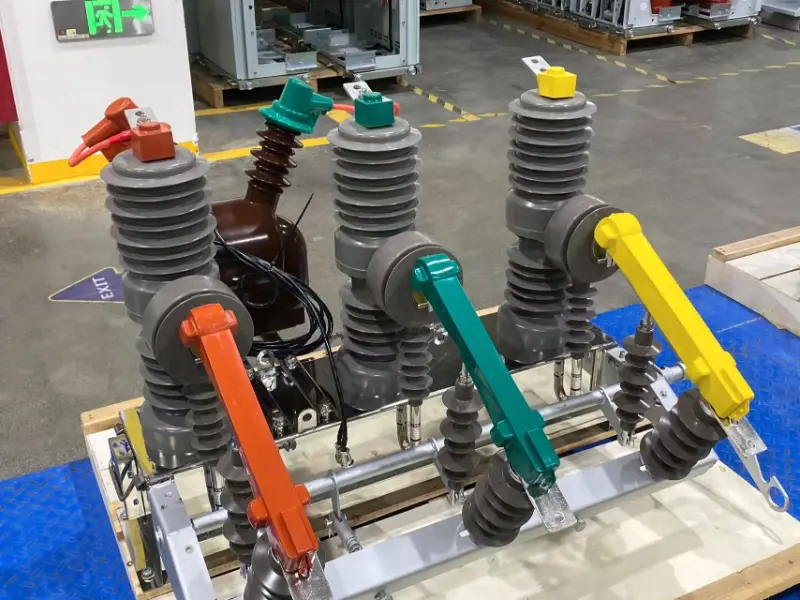
High voltage switchgear refers to a combination of electrical disconnect switches, circuit breakers, protection relays, busbars, instrument transformers, and control equipment designed to manage electrical systems operating at voltages generally above 1kV.
Its primary purpose is to safely control, protect, and isolate electrical equipment during normal operation and fault conditions. When abnormal events such as short circuits, overloads, or insulation failures occur, switchgear quickly detects the problem and disconnects the affected section before serious damage can spread throughout the network.
Without reliable switchgear, even a minor electrical fault could lead to costly downtime, equipment destruction, fire hazards, or personnel safety risks.
High voltage switchgear continuously monitors electrical parameters within the power system. Protective relays analyze current, voltage, frequency, and other operating conditions.
When an abnormal condition is detected, the relay sends a trip signal to the circuit breaker. The breaker then interrupts the fault current within milliseconds, preventing damage to transformers, cables, generators, and other equipment.
The process typically includes:
This fast response mechanism helps maintain power system stability while protecting both equipment and personnel.
| Component | Function |
|---|---|
| Circuit Breaker | Interrupts fault currents and protects equipment |
| Disconnect Switch | Provides visible isolation during maintenance |
| Protection Relay | Detects abnormal electrical conditions |
| Current Transformer | Measures system current |
| Voltage Transformer | Measures system voltage |
| Busbar System | Distributes electrical power between circuits |
| Control Unit | Supports monitoring and operation functions |
Each component contributes to overall system protection and operational reliability.
Organizations investing in modern switchgear systems gain several important advantages.
For industries where continuous power is critical, these benefits directly translate into higher productivity and reduced financial risk.
| Type | Characteristics | Typical Applications |
|---|---|---|
| Air Insulated Switchgear (AIS) | Uses air as insulation medium | Outdoor substations |
| Gas Insulated Switchgear (GIS) | Compact and highly reliable | Urban and space-limited areas |
| Hybrid Switchgear | Combines AIS and GIS benefits | Modern substations |
| Metal-Enclosed Switchgear | Enhanced protection and safety | Industrial facilities |
The optimal choice depends on installation environment, voltage level, maintenance strategy, and available space.
High voltage switchgear supports a wide range of critical infrastructures.
As electrical demand continues to grow worldwide, reliable switchgear remains essential for ensuring uninterrupted energy delivery.
Many organizations struggle with aging electrical infrastructure and increasing operational demands. Modern high voltage switchgear addresses several common challenges.
| Customer Challenge | Switchgear Solution |
|---|---|
| Frequent outages | Fast fault isolation |
| Safety concerns | Advanced protection mechanisms |
| Equipment failures | Comprehensive fault protection |
| Limited installation space | Compact GIS solutions |
| Rising maintenance costs | Smart monitoring technologies |
These improvements help organizations achieve greater operational efficiency while reducing long-term risks.
Selecting the appropriate switchgear requires careful evaluation of multiple factors.
A comprehensive engineering assessment helps ensure the selected solution delivers optimal performance throughout its service life.
Even the most advanced switchgear requires regular maintenance to achieve maximum reliability.
Proactive maintenance helps identify potential issues before they develop into major failures.
The power industry is rapidly evolving, and switchgear technology continues to advance alongside it.
These developments are helping utilities and industrial operators build more resilient and efficient electrical networks.
Q1: What voltage range is considered high voltage switchgear?
High voltage switchgear generally refers to equipment operating above 1kV, although specific classifications may vary according to regional standards and industry practices.
Q2: Why is switchgear important in electrical systems?
It protects equipment, isolates faults, improves safety, and ensures reliable power distribution.
Q3: What is the difference between AIS and GIS?
AIS uses air insulation and requires more installation space, while GIS uses gas insulation and offers a more compact design with excellent reliability.
Q4: How often should switchgear be maintained?
Maintenance schedules depend on equipment type, operating conditions, and manufacturer recommendations. Regular inspections are typically performed annually or according to operational requirements.
Q5: Can high voltage switchgear be integrated into smart grids?
Yes. Modern switchgear often includes digital monitoring, communication interfaces, and automation capabilities that support smart grid operations.
Q6: What industries benefit most from high voltage switchgear?
Utilities, renewable energy facilities, manufacturing plants, mining operations, transportation systems, data centers, and commercial infrastructure all rely heavily on high voltage switchgear.
High voltage switchgear is an essential element of modern electrical infrastructure, providing the protection, control, and reliability necessary for safe power system operation. From preventing costly equipment failures to improving personnel safety and supporting uninterrupted power delivery, high-quality switchgear delivers substantial long-term value across numerous industries.
As electrical networks become more complex and energy demands continue to increase, investing in reliable and technologically advanced switchgear solutions is a strategic decision that helps organizations improve operational performance while reducing risk.
Deyan Electric specializes in providing dependable high voltage switchgear solutions designed to meet the requirements of utilities, industrial facilities, renewable energy projects, and modern power distribution systems. If you are looking for a reliable partner for your next electrical infrastructure project, contact us today to discuss your requirements and discover how our professional team can help deliver safer, more efficient, and more reliable power solutions for your business.
Address:No.60, Binhai South Second Road, Economic Development Zone, Yueqing City, Zhejiang Province, China
Copyright © 2025 Zhejiang Deyan Electric Co.,Ltd. All Rights Reserved. Links| Sitemap| RSS| XML| Privacy Policy