In the complex ecosystem of a power plant—whether it is thermal, nuclear, hydro, or solar—the generation of electricity is only half the battle. Once electricity is produced, it must be controlled, protected, and distributed to the grid or to auxiliary systems within the plant itself. This critical function falls to switchgear.
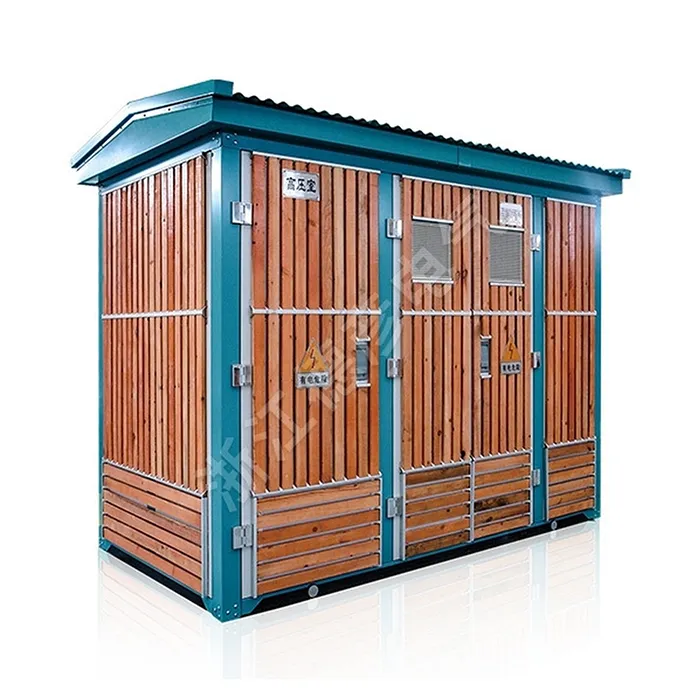
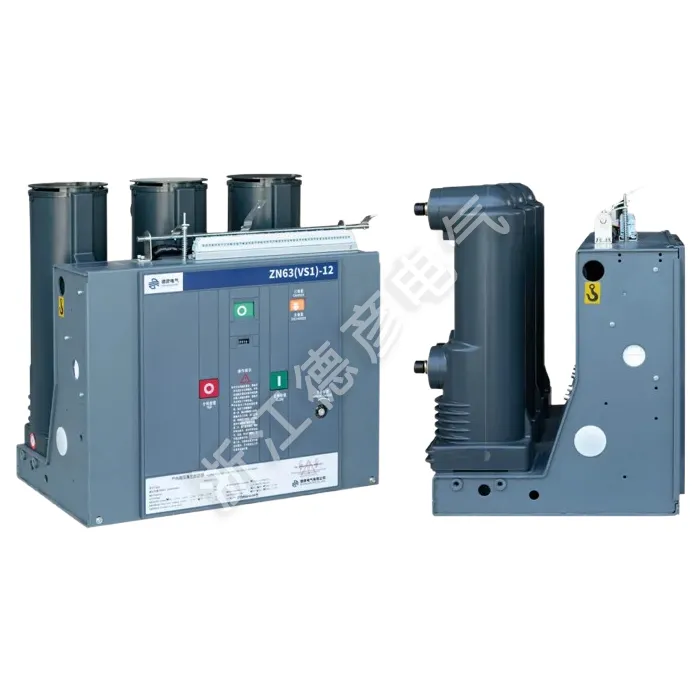
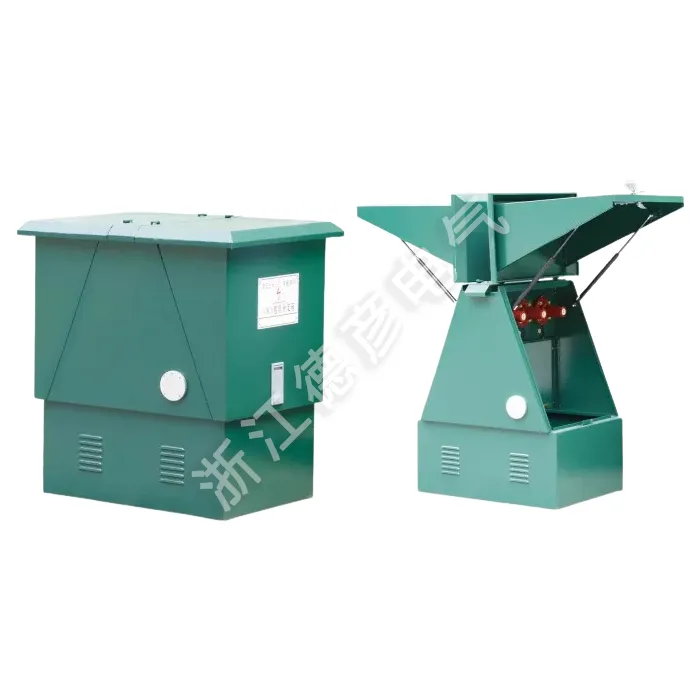
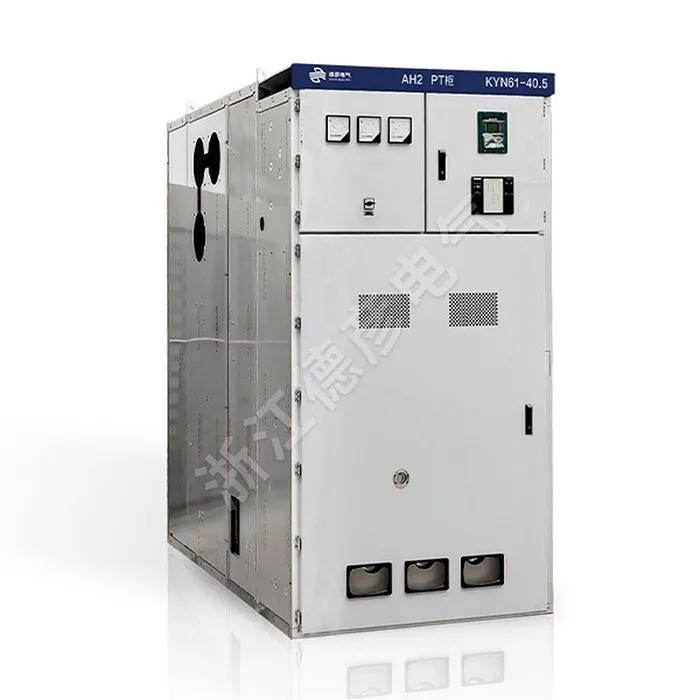
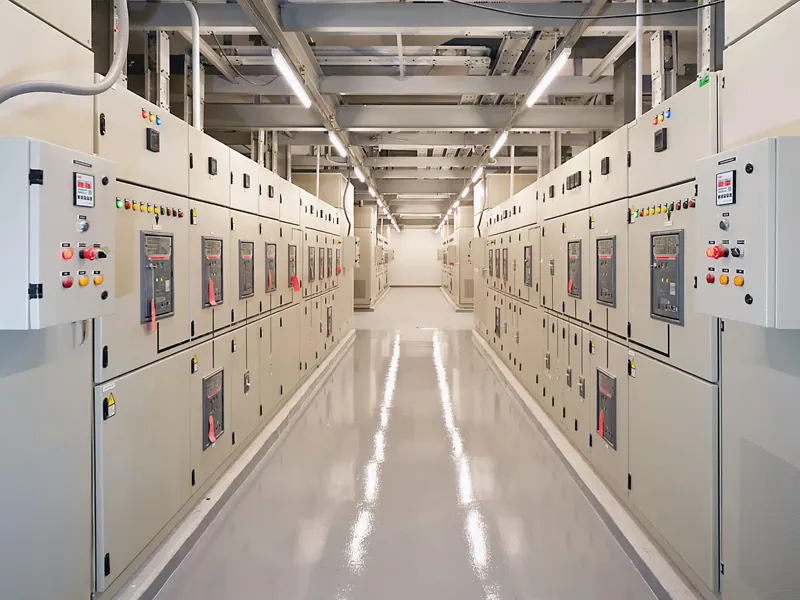
Switchgear is the collection of electrical disconnect switches, fuses, circuit breakers, and associated control equipment used to isolate, protect, and regulate electrical equipment. Without switchgear, a power plant would be unable to operate safely or reliably. It serves as the central nervous system and the primary safety mechanism for the plant’s electrical infrastructure.
Here are the primary uses of switchgear in a power plant.
1. Circuit Protection (Isolation)
The most fundamental role of switchgear is to protect the plant’s assets from damage caused by electrical faults. Power plants operate at immense voltages and currents. If a fault occurs—such as a short circuit, an overload, or a ground fault—the resulting electrical arc can cause catastrophic damage to generators, transformers, and cables within milliseconds.
Switchgear houses circuit breakers that are designed to detect these abnormal currents and interrupt the flow of electricity almost instantaneously. By isolating the faulty section of the grid or plant auxiliary system, switchgear prevents cascading failures that could destroy millions of dollars worth of equipment or cause a total plant blackout.
2. Operational Control and Switching
Power plants do not run at a constant state; they must ramp up, ramp down, and reconfigure their electrical layouts to accommodate maintenance or changing grid demands.
Switchgear provides the means for load shedding and switching. Operators use switchgear to:
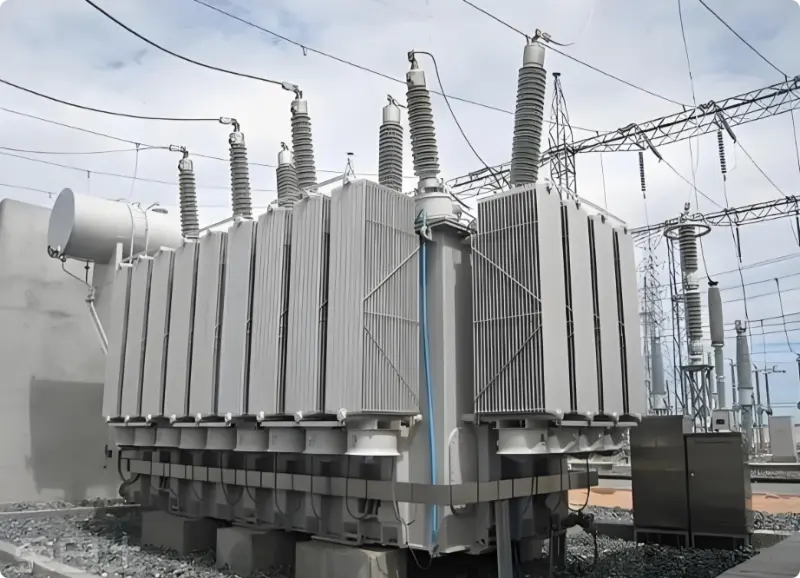
Connect generators to the step-up transformer for transmission to the grid.
Disconnect generators for maintenance or refueling.
Transfer auxiliary power loads from the main generator to a backup source (such as a startup transformer or diesel generator) during startup or shutdown procedures.
This ability to reconfigure the electrical network ensures that the plant can remain operational even during partial outages or routine servicing.
3. Isolation for Maintenance Safety
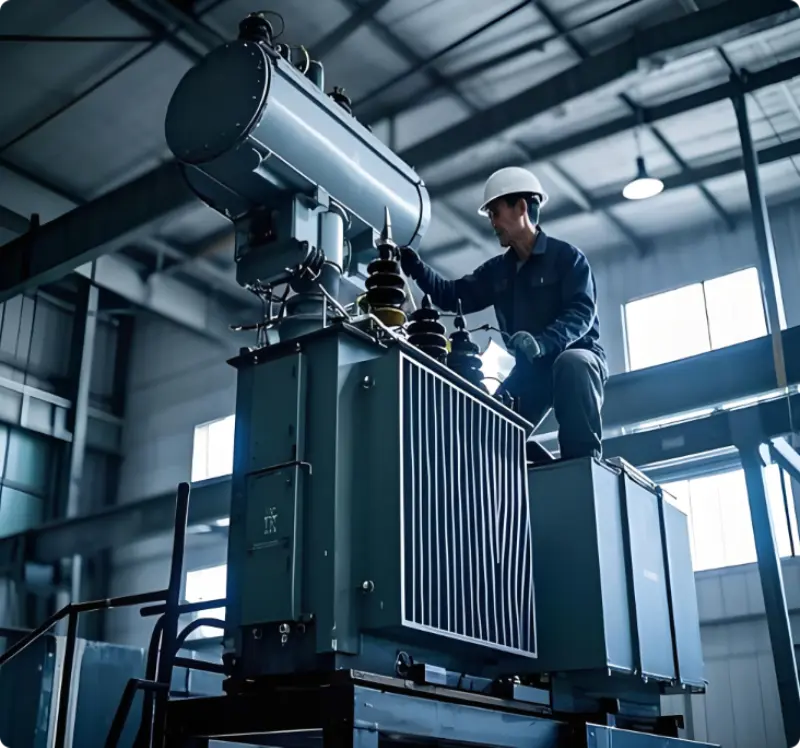
Power plants require constant maintenance to ensure reliability. For maintenance crews to work on high-voltage equipment, they must be certain that the equipment is de-energized and cannot be accidentally re-energized.
Switchgear facilitates safe isolation through features like earthing switches and visible break contacts. When a circuit breaker is racked out (disconnected) and the earthing switch is closed, it grounds the circuit, ensuring that any induced currents or accidental re-closures do not harm the personnel working on the equipment. This function is critical for adhering to strict occupational safety standards.
4. Synchronization
In a power plant, the generator must be precisely synchronized with the grid before it can be connected. If a generator is connected out of phase with the grid, it results in a violent mechanical shock that can snap turbine shafts and destroy the generator.
Switchgear panels often include or interface with synchronizing equipment. The switchgear provides the mechanism (the circuit breaker) that closes only when the generator’s voltage, frequency, and phase angle perfectly match the grid. This ensures a smooth connection without mechanical or electrical stress.
5. Auxiliary Power Distribution
A power plant is a massive consumer of electricity itself. It needs power to run boiler feed pumps, cooling water systems, fans, lighting, and control systems. This is known as auxiliary load.
Typically, the plant’s switchgear is divided into two categories:
Generator Switchgear: Handles the high-voltage output from the generator to the transmission system.
Auxiliary Switchgear: Distributes medium-voltage power (typically 3.3kV to 13.8kV) to the plant’s internal motors and large equipment.
During a black start scenario (restarting the plant without external grid power), switchgear manages the distribution of power from backup diesel generators to the essential auxiliaries needed to restart the main turbine and boiler.
6. Enhancing Grid Stability
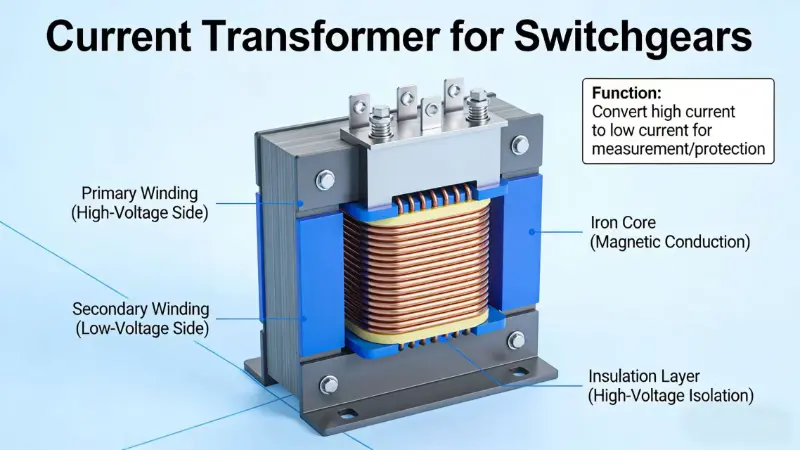
Modern switchgear is equipped with sophisticated protection relays. These relays are essentially computers that monitor current, voltage, and frequency in real-time. If the grid experiences a disturbance (such as a frequency drop), the switchgear can automatically trip the generator to protect it from damage, or conversely, trip non-essential loads to keep the plant online.
By reacting faster than any human operator could, switchgear contributes to the stability of the broader electrical grid, preventing localized faults from turning into widespread blackouts.
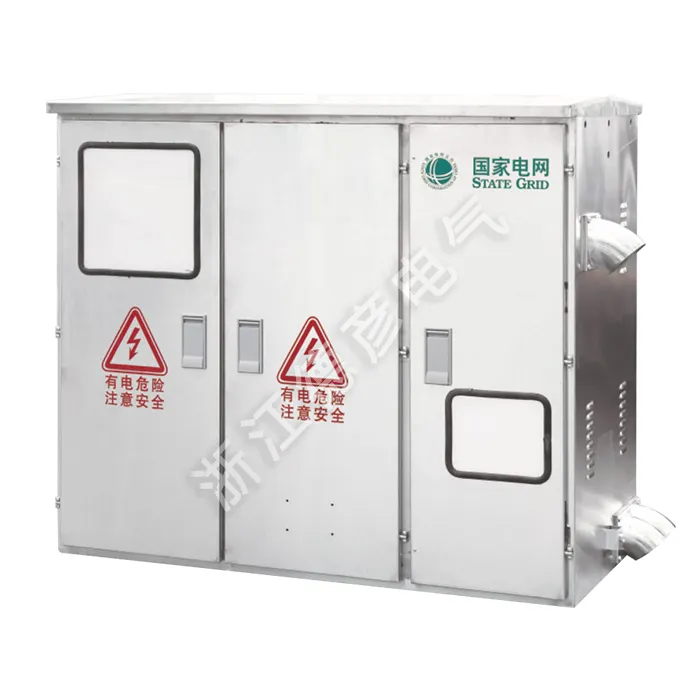
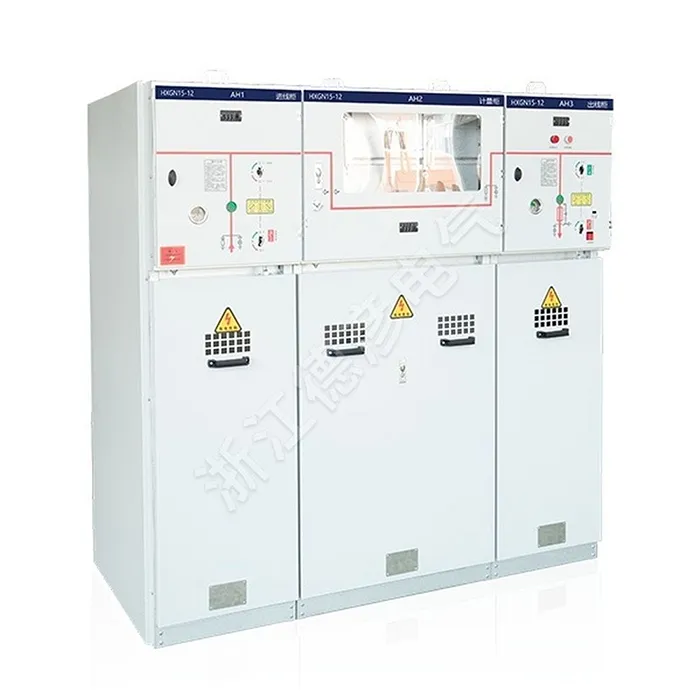
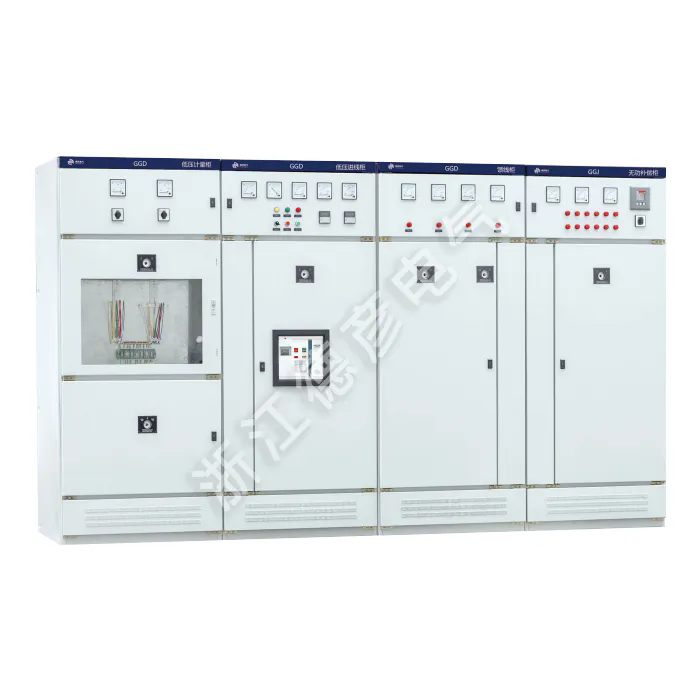
Types of Switchgear Used in Power Plants
The specific use of switchgear depends on the voltage level:
Low Voltage (LV) Switchgear: Used for lighting, small motors, and control power (typically below 1,000V).
Medium Voltage (MV) Switchgear: The workhorse of the plant, used for large motors (pumps, fans) and auxiliary transformers. This is often where the most critical protection occurs.
High Voltage (HV) Switchgear: Located in the switchyard, connecting the plant to the transmission grid. This is often Gas Insulated Switchgear (GIS) due to its compact size and reliability in harsh environments.
We use cookies to offer you a better browsing experience, analyze site traffic and personalize content. By using this site, you agree to our use of cookies. Privacy Policy