Price differences of up to 30% and vastly different after-sales service make choosing the right partner a critical step for successful sourcing in China.
In the global supply chain, China plays the role of the "world's factory." However, when searching for suppliers through platforms like Alibaba, Global Sources, or Made-in-China.com, have you ever been confused by names like "XX Group" or "XX Industrial"? Is the other party a real factory with production lines, or just a trading company acting as a middleman? This distinction not only affects product prices but also directly impacts quality control and after-sales service. This article will guide you on how to see through the surface and accurately distinguish between trading companies and factories in China.
To distinguish between the two, you first need to understand the essence of their business models.
Factory (Manufacturer): An enterprise that owns physical production facilities, procures raw materials, and transforms them into finished products using its own production equipment and workers. Factories usually focus on manufacturing products within a specific field and have direct control over production processes, material characteristics, and quality.
Trading Company (Middleman): A commercial enterprise that does not manufacture products itself but purchases goods from multiple factories for resale. They act as a bridge connecting manufacturers with buyers, providing value-added services such as product assortment, export services, and quality monitoring.
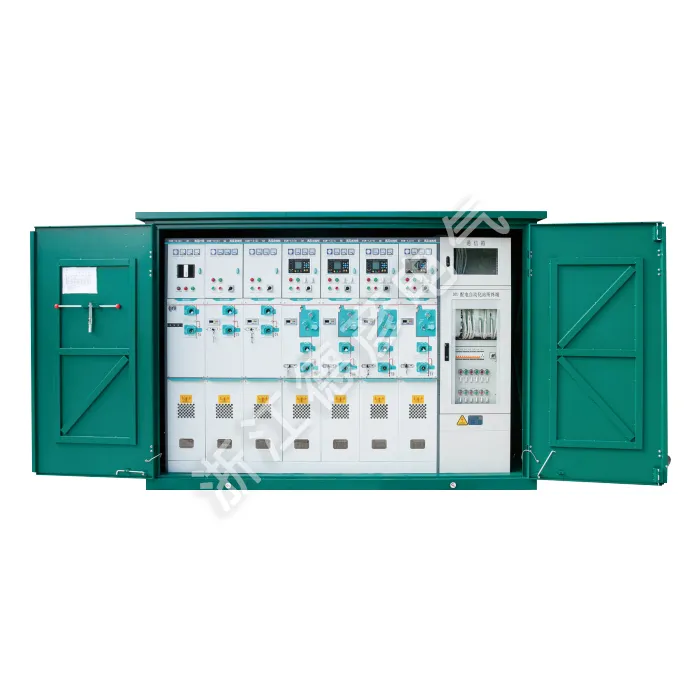
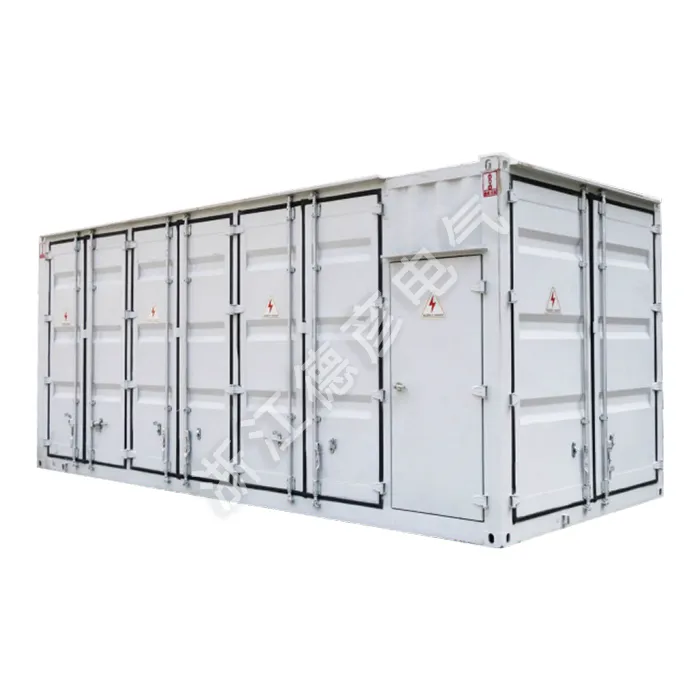
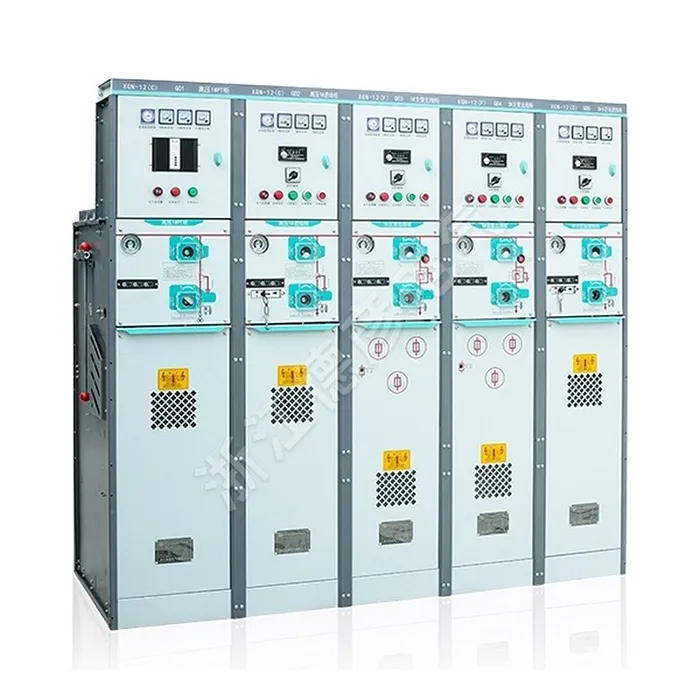
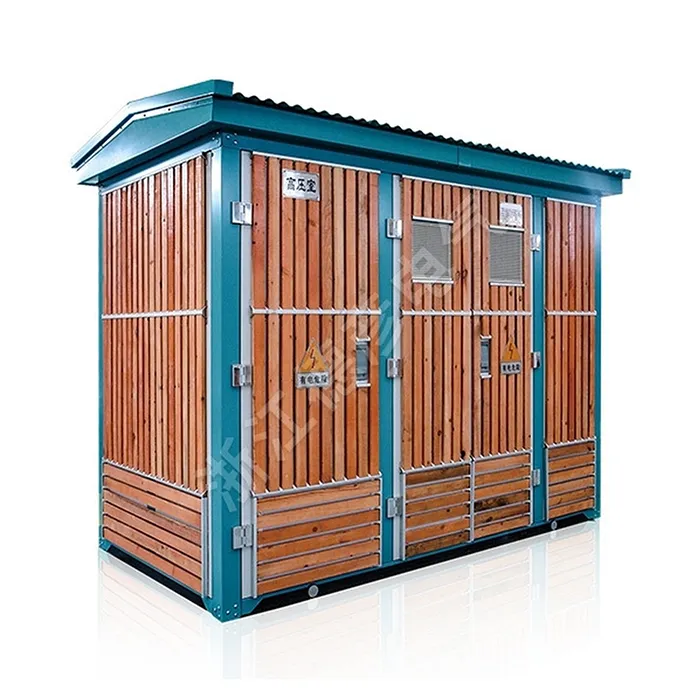
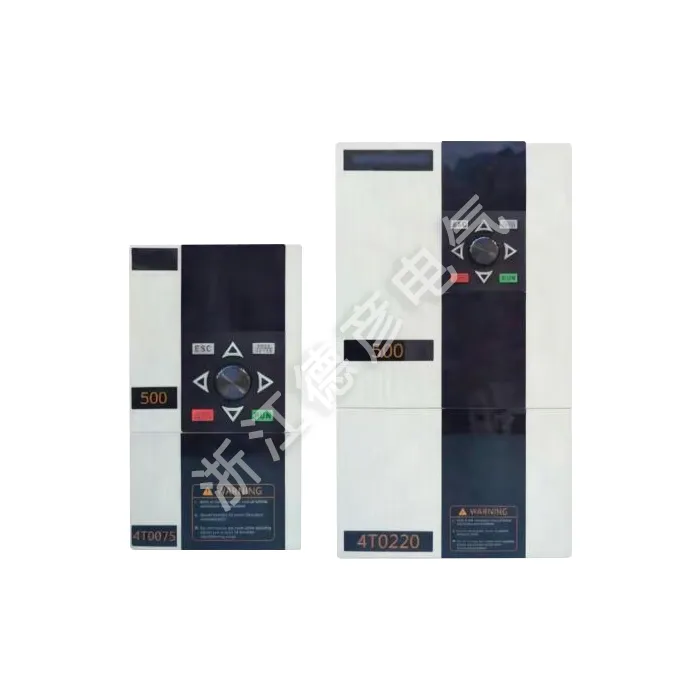
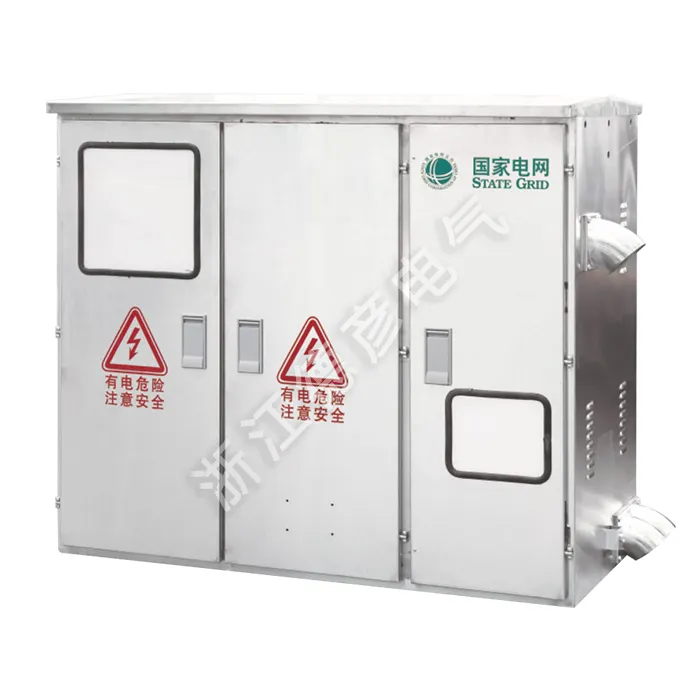
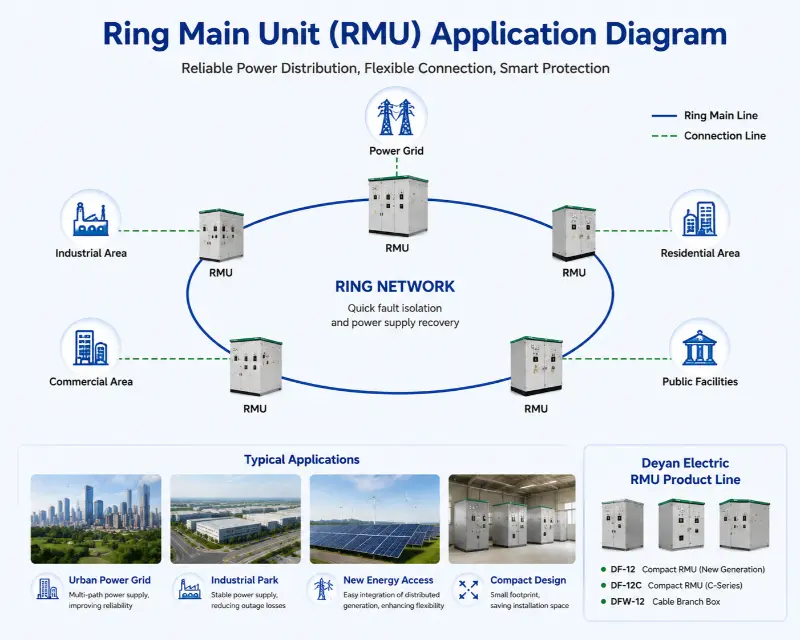
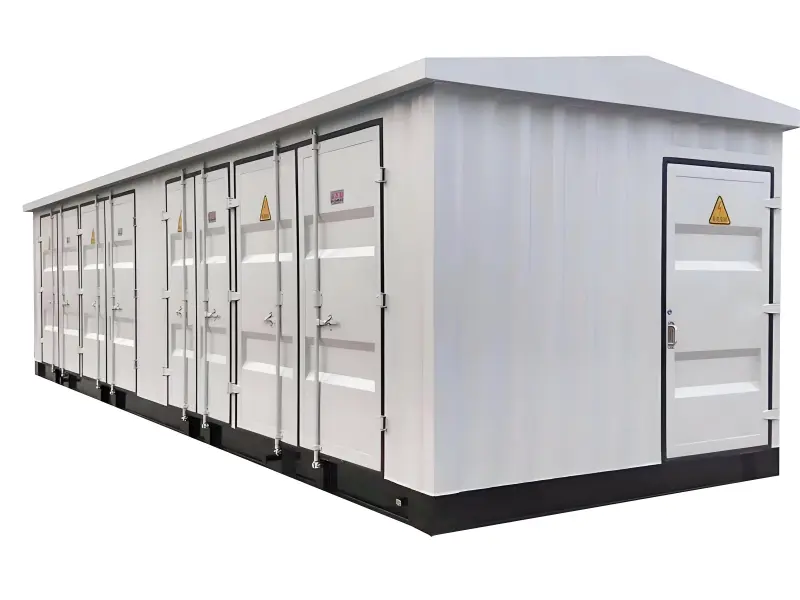
Deyan Electric, as a comprehensive enterprise specializing in the R&D, production, sales, and service of industrial electrical appliances, belongs to the typical factory type. The company researches, develops, produces, and sells power equipment such as gas-insulated switchgear, ring main units, box-type substations, and high/low voltage switchgear. This is different from a pure trading company.
1. Check the Business License
The most critical difference lies in the "Business Scope" on the license. Chinese business licenses clearly specify the scope of business activities an enterprise can engage in.
If the business scope includes words like "production," "manufacturing," or "processing," it is very likely a factory. If it only includes terms like "sales," "trade," "import/export," "wholesale," or "retail," it is basically a trading company.
Deyan Electric's business scope explicitly includes "R&D, production, and sales," indicating it possesses manufacturing capabilities while also being able to sell directly to the market. This represents a "front shop, back factory" model.
2. Observe the Location
Factories are typically located in industrial parks, industrial development zones, or areas far from city centers, as production requires large factory floorspace, warehouses, and power infrastructure.
Trading companies are more often concentrated in downtown office buildings, business centers, or mixed-use residential/commercial buildings for convenient business negotiations and client reception.
3. Analyze the Breadth of the Product Line
A factory's product line is usually relatively concentrated, focusing on one or several core product categories, as these products are manufactured on the same production lines or under the same technical system.
If a supplier offers thousands of completely unrelated products simultaneously (e.g., selling transformers alongside clothing and toys), it is likely a trading company.
Although Deyan Electric's product line is extensive, it is highly focused on the power equipment field: from box-type substations to various gas-insulated switchgear and various transformers. There is a close technical correlation between the products, all being power transmission and distribution equipment. This is a classic characteristic of a factory.
4. Examine Pricing and Minimum Order Quantities
Factory prices are usually more competitive due to the absence of intermediaries, but their Minimum Order Quantities (MOQs) might be higher because factories need to consider production line efficiency. Trading company prices include their own profit margins, but their MOQs are more flexible, allowing for consolidated shipments.
5. On-site Audits and Video Verification
The most direct method is to request a real-time video factory inspection or commission a third party for a physical audit.
A factory site should have production lines, production equipment, raw material inventory, semi-finished products, quality inspection equipment, etc. Providing only beautifully crafted brochures is insufficient, as the brochure might be from another factory.
| Dimension | Factory | Trading Company |
| Price Advantage | Lower prices, no intermediaries | Prices include intermediary profits |
| Technical Expertise | Deep understanding of production processes | Understands product applications, but depth is limited |
| Quality Control | Direct control over production processes | Relies on third-party factories, indirect control |
| Product Breadth | Focused on specific areas | Can integrate multiple product categories |
| MOQ Flexibility | Usually requires higher MOQs | Can consolidate orders, low MOQs |
| Communication & Service | Production-oriented, business communication may be weaker | Customer-oriented, strong service awareness |
The case of Deyan Electric demonstrates that an excellent factory can also possess the service awareness of a trading company. It not only manufactures products but has also established a sound quality assurance system and a comprehensive service system. Adhering to the philosophy of "people-oriented, innovation-driven, customer-first, win-win cooperation," it provides full-cycle services and communicates with customers through various channels such as phone, WeChat, and apps.
Based on the above criteria, Deyan Electric is a typical factory-based foreign trade enterprise, mainly reflected in the following aspects:
Company Nature: Explicitly labeled as an "enterprise specializing in the R&D, production, sales, and service of industrial electrical appliances," rather than a pure trading company.
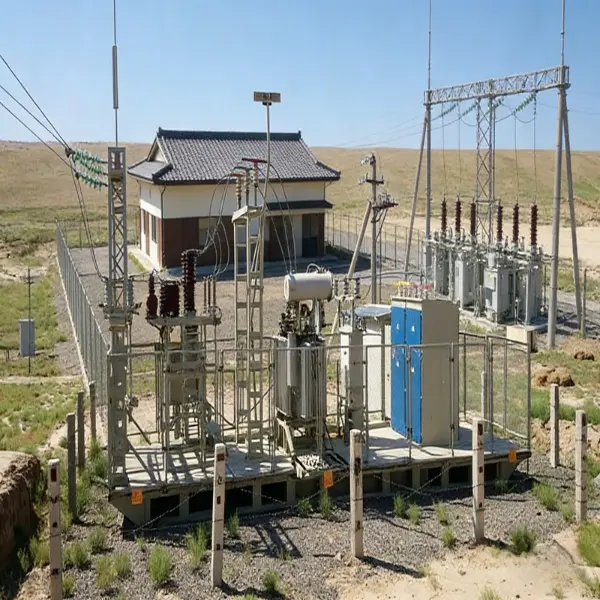
Product Specialization: Its product line covers multiple categories such as prefabricated cabin substations, gas-insulated switchgear, high and low voltage switchgear, and various transformers, but all are concentrated in the power equipment field.
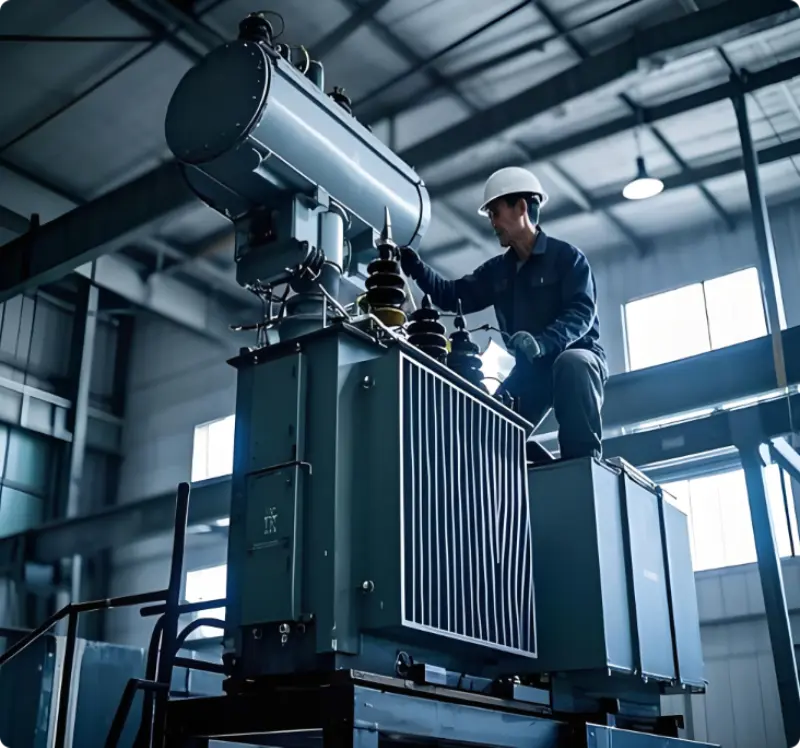
Technical Strength: The product catalog details the technical characteristics of various transformers, such as the S11 oil-immersed transformer's "core laminated with imported high-quality cold-rolled silicon steel sheets" and "high and low voltage windings wound with oxygen-free copper," and the SCB14 dry-type transformer's "NOMEX insulation material" and "Class H (180°C) insulation level." These professional technical details can only be mastered by enterprises engaged in manufacturing over the long term.
Production Scale: Services cover the whole country, with large-scale production capacity.
Corporate Philosophy: Adheres to the business philosophy of "taking science and technology as the guide, energy saving as the goal, innovation as the pursuit, quality as life, and service as the purpose," reflecting the importance a manufacturing enterprise places on technological innovation and product quality.
In actual procurement, there's no need to overly dwell on whether the other party is a factory or a trading company. The key is to find the partner that best suits your needs.
Choosing a Factory: If you have stable, high-volume needs, require in-depth technical cooperation, and wish to establish a long-term strategic partnership, working directly with a factory is more advantageous. Especially with manufacturers like Deyan Electric, which have deep technical accumulation in specific fields, they can provide better technical support and product customization.
Choosing a Trading Company: If you need small quantities of various products, want to simplify supply chain management, or require export financing or logistics support, an excellent trading company can act as an extension of your purchasing department.
Distinguishing between trading companies and factories in China is like identifying the trunk and branches of a tree: the factory is the "trunk" rooted in production, carrying core technology and processes; the trading company is the "branches" extending the market, connecting products and customers. In the case of Deyan Electric, we see a physical factory rooted in the power equipment manufacturing field. Through continuous technological innovation and quality control, it has built a complete industrial chain from R&D to production, while also embracing a customer-centric service philosophy, transforming from a manufacturer into a solution provider.
Whether choosing a factory or a trading company, understanding their essential differences allows you to find the truly suitable course for yourself in the vast ocean of international procurement.
Address:No.60, Binhai South Second Road, Economic Development Zone, Yueqing City, Zhejiang Province, China
Copyright © 2025 Zhejiang Deyan Electric Co.,Ltd. All Rights Reserved. Links| Sitemap| RSS| XML| Privacy Policy