Blog

The Differences Between Center-Mounted Switchgear and Ring Main Units

2026-05-06 0 Leave me a message

In modern power distribution systems, center-mounted switchgear and ring main units (RMUs) are two indispensable core components, hailed by the industry as the "Twin Stars" of power distribution. Each possesses a unique structure, protection mechanisms, and specific application scenarios; therefore, selecting the appropriate equipment is crucial—not only for ensuring power supply reliability but also for directly impacting investment costs. This article provides an in-depth analysis of the core differences between center-mounted switchgear and RMUs, while also introducing Deyan Electric's innovative product line in this field.

Comparison of Core Structures

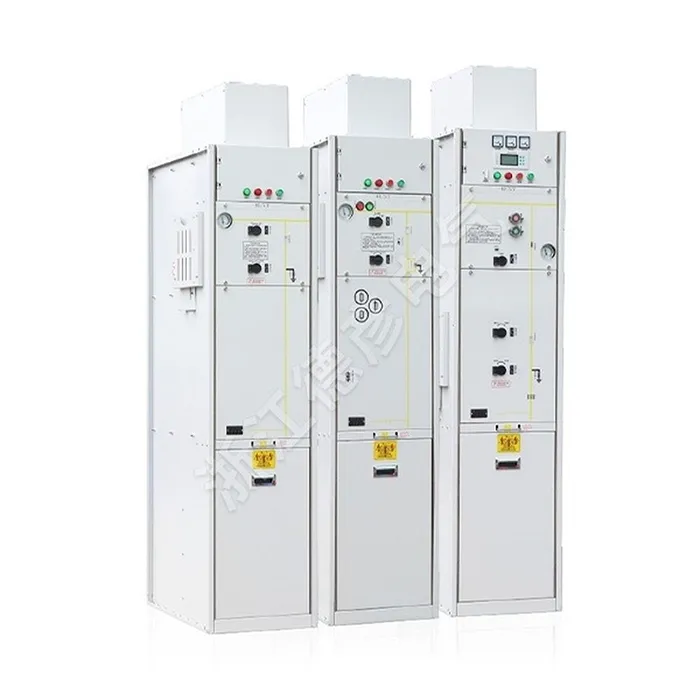
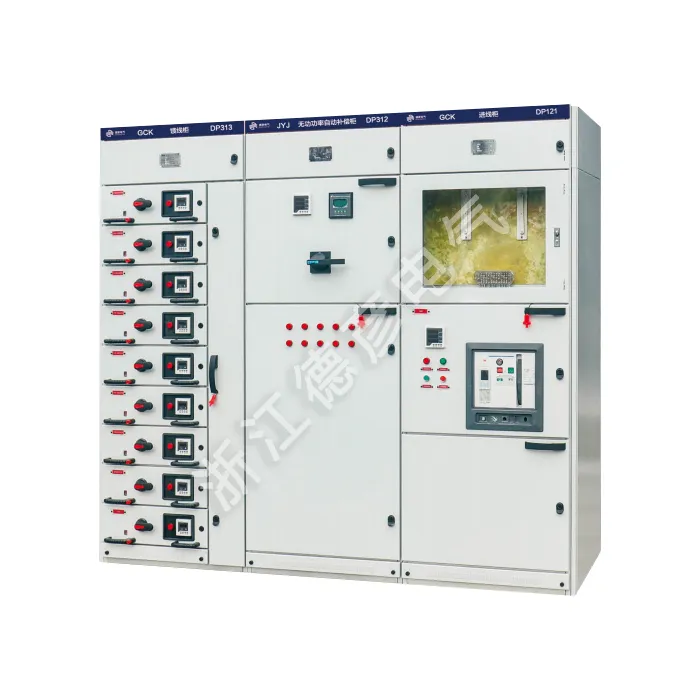
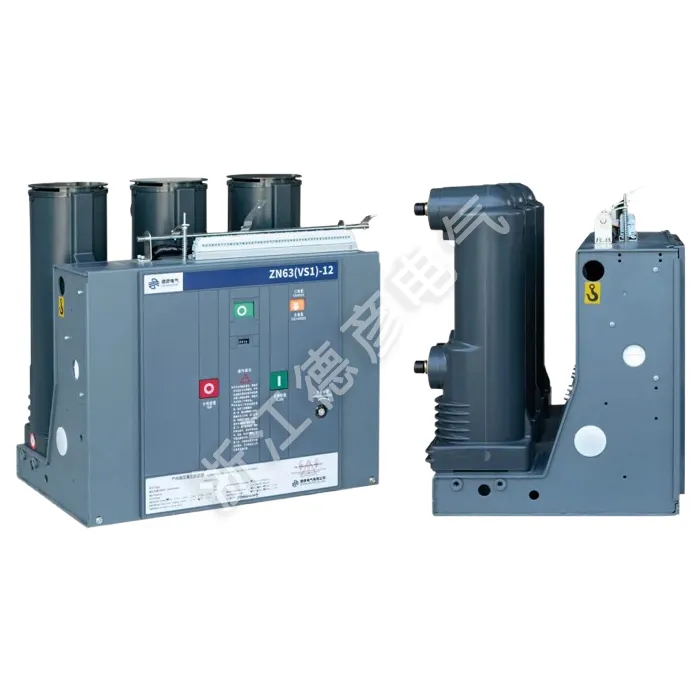
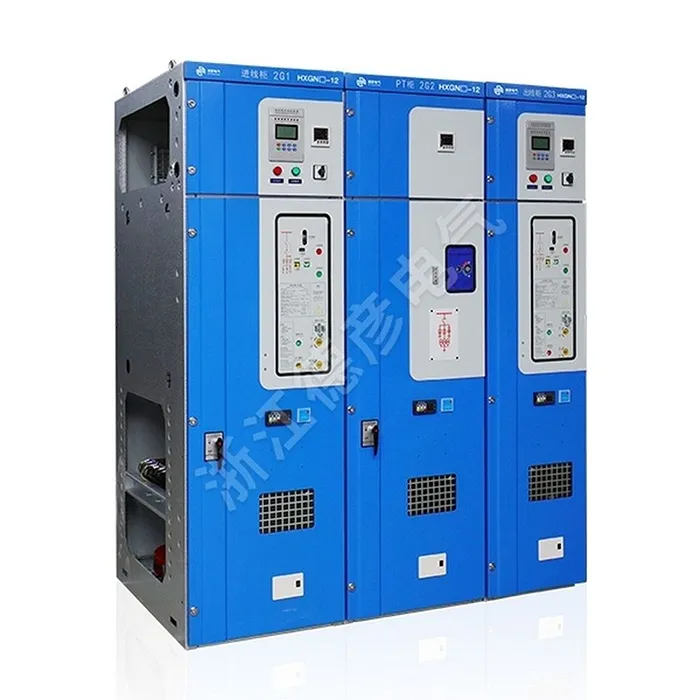
Center-mounted switchgear typically employs a three-tier structure: the top tier houses the busbar and instrumentation compartment; the middle tier contains the withdrawable vacuum circuit breaker; and the bottom tier serves as the cable compartment. This layered design endows center-mounted switchgear with a high degree of safety and flexibility during operation and maintenance. Deyan Electric's center-mounted switchgear products—such as the DY-MZ series—support modular expansion and can be retrofitted with differential protection and automation control modules to meet the rigorous demands of complex power grids.


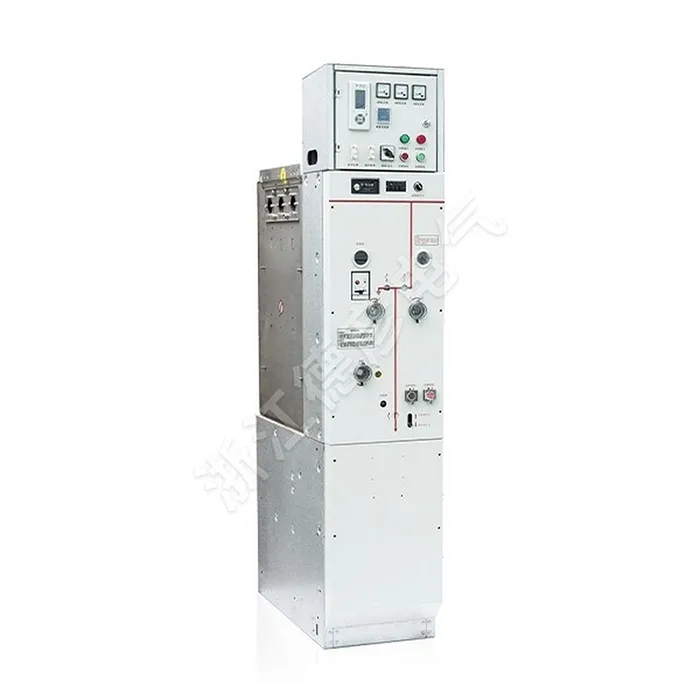
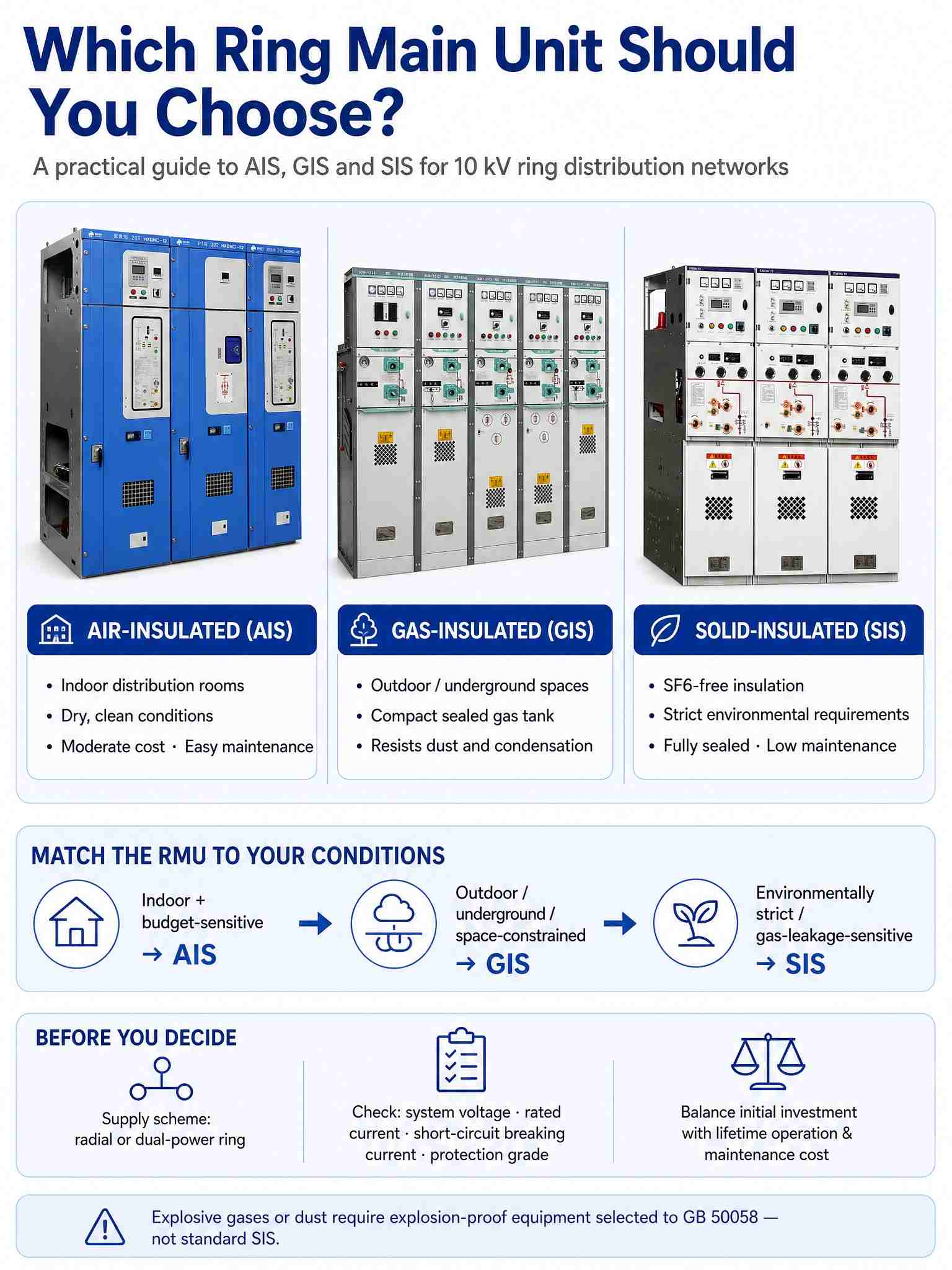
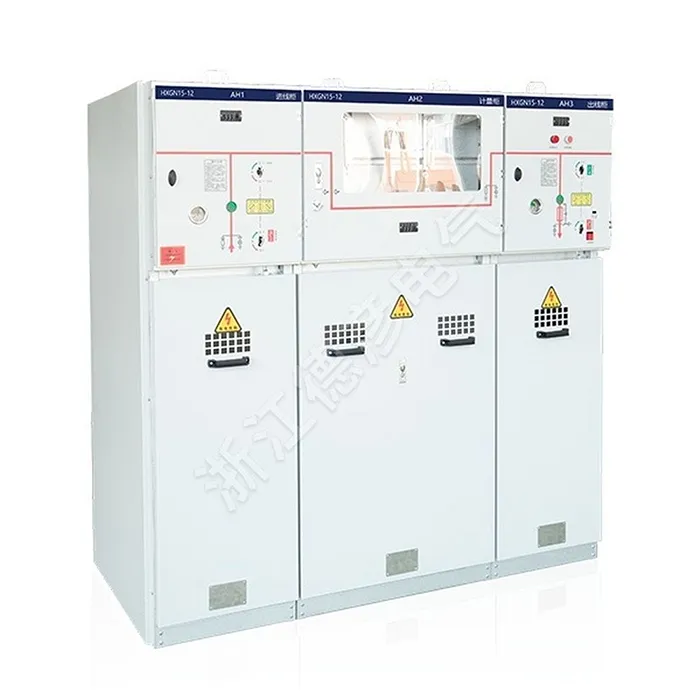
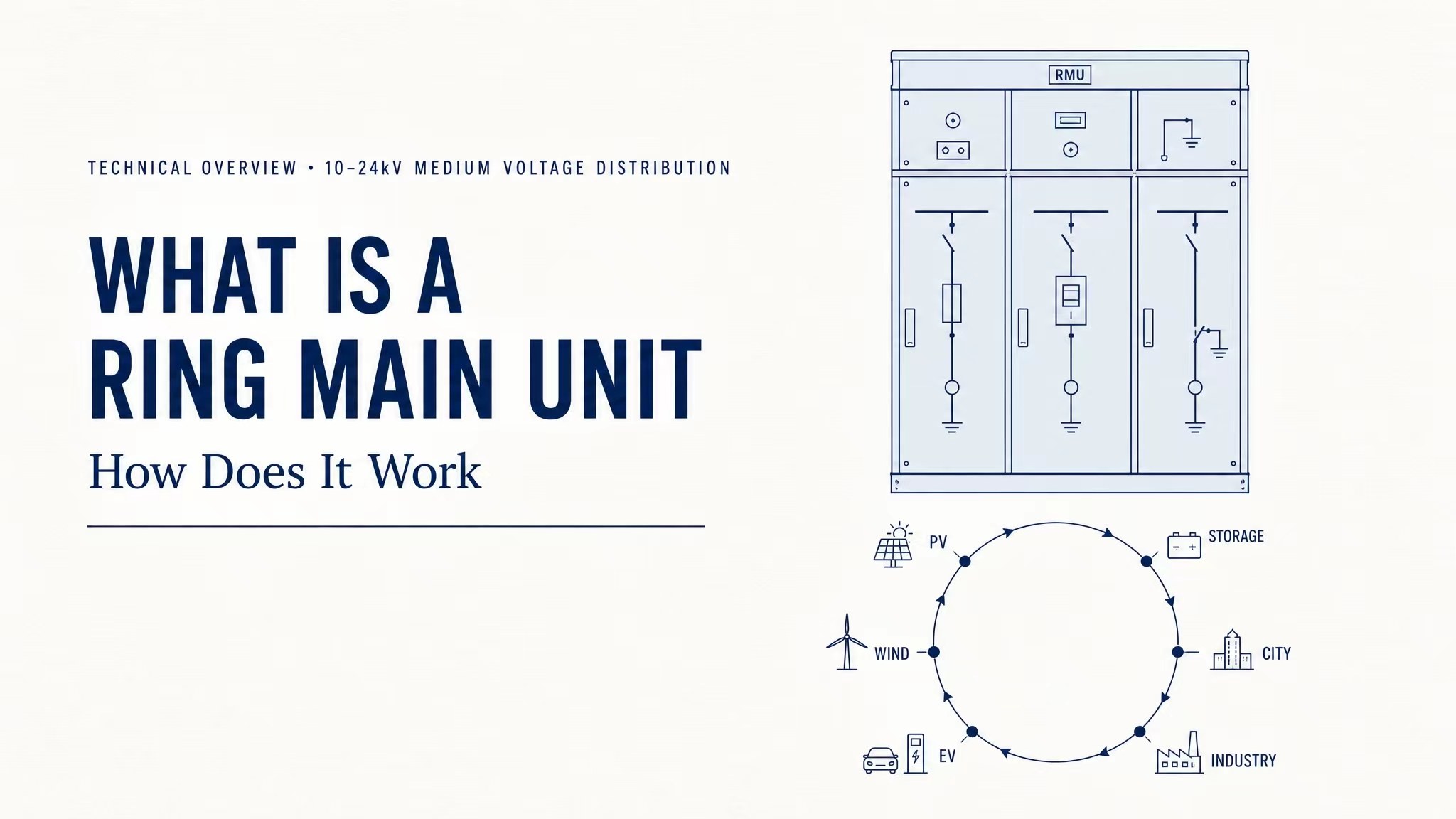
In contrast, ring main units feature a compact enclosure design, typically integrating a load switch and fuse combination to form a ring network unit comprising three to five compartments. Their compact structure allows for efficient deployment even in space-constrained distribution rooms or underground utility tunnels. Deyan Electric's DY-HW series RMUs prioritize both compactness and intelligence in their design, supporting remote monitoring and data acquisition to meet the requirements of modern smart power distribution systems.

Differences in Application Scenarios

Due to their high operational frequency and robust protection capabilities, center-mounted switchgear is ideally suited for applications such as substation outgoing feeder bays and factory distribution rooms. For instance, a large-scale manufacturing facility deployed Deyan Electric's DY-MZ center-mounted switchgear; after six months of high-load operation, the equipment experienced virtually zero failures, thereby fully demonstrating the reliability of center-mounted switchgear in high-frequency operating environments.


Conversely, ring main units are best suited for locations with relatively stable loads, such as residential community distribution rooms and commercial complex power supply nodes. Deyan Electric's DY-HW series RMUs are widely utilized in residential communities and commercial complexes. However, typical case studies also indicate that the improper application of RMUs—specifically, using them to handle loads characterized by high operational frequency or high short-circuit risk—can lead to frequent failures of the fuse links. For instance, a shopping mall initially equipped its dining area entirely with Ring Main Units (RMUs); however, within six months, fuse failures occurred three times. After switching to Metal-clad Switchgear (Mid-mounted Cabinets), operations stabilized—a result that validated the selection principle: "Suitability takes precedence over price."

Unveiling the Protection Mechanism

Metal-clad Switchgear is equipped with an intelligent relay protection system capable of interrupting short-circuit faults within 0.02 seconds—a reaction speed five times faster than a human blink. This capability enables it to provide rapid and reliable protection in environments with a high risk of short circuits. Deyan Electric’s DY-MZ series Metal-clad Switchgear not only supports intelligent protection but can also integrate with monitoring systems via communication interfaces to facilitate remote alarming and fault analysis.


Ring Main Units rely on fuses for passive protection, which entails a certain time delay in fault clearance. Although they offer lower costs, they may not be sufficient to guarantee power supply safety in high-risk scenarios. The design of Deyan Electric’s DY-HW series RMUs features enhanced corrosion resistance and insulation properties, making them particularly suitable for space-constrained environments such as basements and subway stations.

Comparison: Size and Cost

Metal-clad Switchgear typically stands approximately 2 meters tall, with a unit cost exceeding 100,000 RMB; in contrast, RMUs stand about 1.6 meters tall and are priced at only half the cost of their metal-clad counterparts. Deyan Electric’s product line carefully balances cost-effectiveness with situational suitability; the DY-HW series, in particular, offers a variety of size options to accommodate both spatial and budgetary constraints.

Maintenance and Expandability

Metal-clad Switchgear requires quarterly maintenance—including circuit breaker lubrication and spring inspections—whereas RMUs typically require only a semi-annual inspection of their fuse tubes. A case study involving a coastal factory revealed that short circuits in RMUs caused by salt-mist corrosion were completely resolved after the units were replaced with Metal-clad Switchgear. Furthermore, Metal-clad Switchgear supports the installation of additional intelligent modules. While the expandability of standard RMUs is relatively limited, Deyan Electric’s intelligent RMUs are currently undergoing upgrades—integrating primary and secondary equipment—to enable advanced remote monitoring and data analysis capabilities.

The Three Golden Rules of Equipment Selection

  For scenarios involving high-frequency switching operations: Choose Metal-clad Switchgear.

  For scenarios with a high risk of short circuits: You must choose Metal-clad Switchgear.

  For scenarios with limited space or budget constraints: Choose Ring Main Units.

Conclusion: Collaborating to Build a Secure Power Grid

Metal-clad Switchgear acts like a specialized emergency response team, while Ring Main Units serve as local community fire stations; together, they collaborate to construct a secure and reliable power grid ecosystem. Through its DY-MZ central-mounted switchgear and DY-HW ring main unit product lines, Deyan Electric delivers efficient, safe, and intelligent solutions for a wide range of power distribution scenarios. When making product selections, it is crucial to prioritize a thorough comparison of technical parameters—rather than relying solely on product names—to ensure a win-win outcome in terms of both return on investment and operational stability.

Related News
Leave me a message
X
We use cookies to offer you a better browsing experience, analyze site traffic and personalize content. By using this site, you agree to our use of cookies. Privacy Policy
RejectAccept