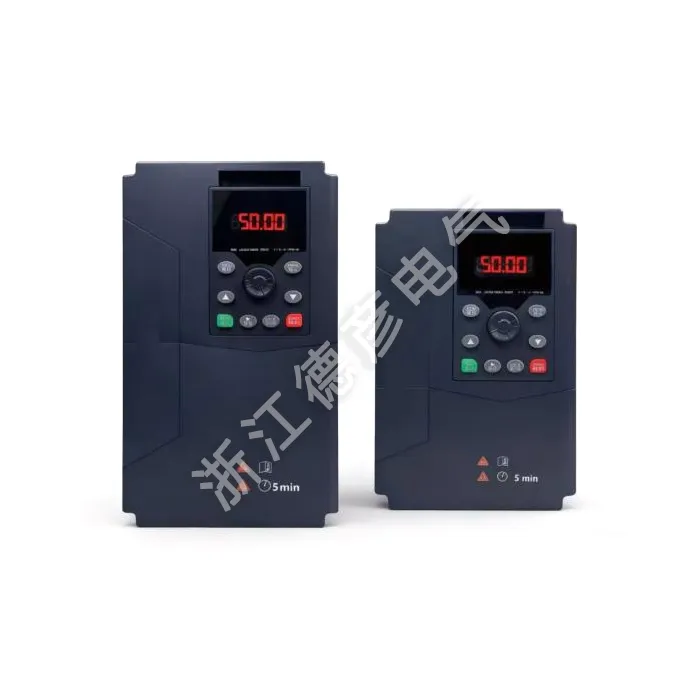
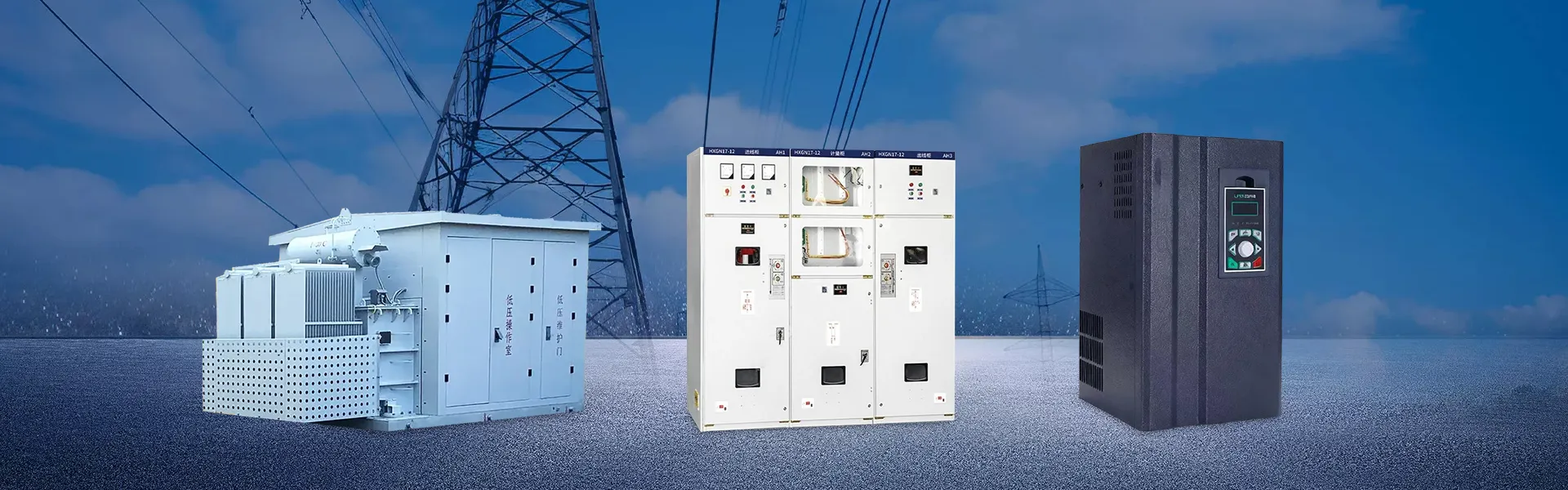
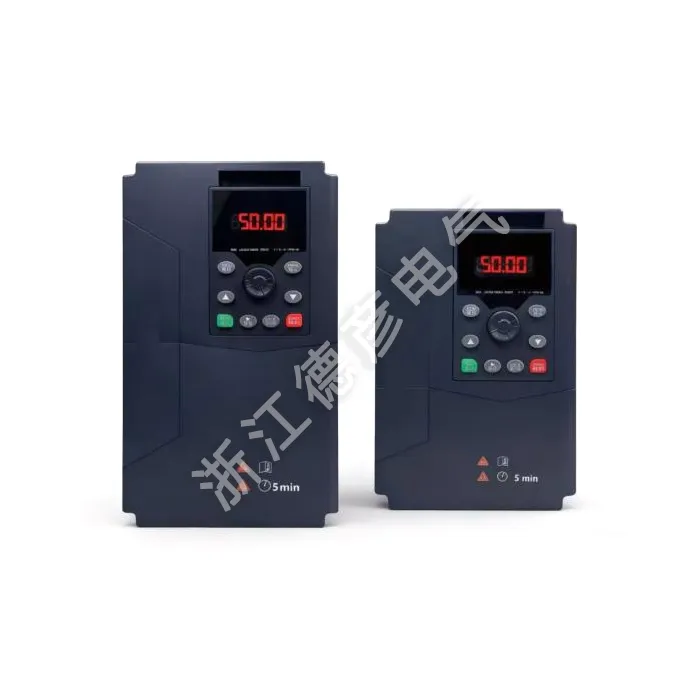
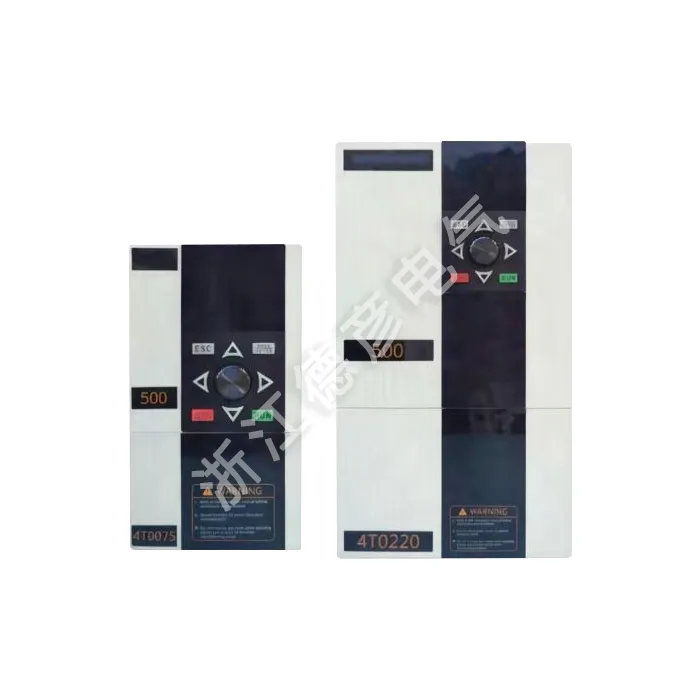
Deyan Electric, a certified high‑tech electrical manufacturer based in Yueqing, Zhejiang, specializes in R&D, production and sales of industrial frequency conversion and power distribution equipment. Its Variable Frequency Inverter for Wire Drawing Machine is a customized frequency conversion drive solution exclusively developed for the wire drawing industry, perfectly adapting to the continuous and high‑precision operation requirements of metal wire, plastic wire and cable processing production lines. Different from general industrial inverters sold on the open market, this dedicated unit is built around real‑world wire‑drawing production conditions, rather than generic industrial motor control scenarios. Factories that deploy universal inverters for wire drawing equipment often face frequent wire breakage, fluctuating wire diameter, complicated parameter debugging and high energy consumption. With built‑in professional industry algorithms and multi‑dimensional protection mechanisms, this model effectively solves common production failures such as wire breakage, uneven wire thickness and equipment overload in traditional wire drawing machine operation. Many overseas wire‑processing factories across Southeast Asia, Europe and Latin America have replaced general‑purpose inverters with this dedicated unit to cut downtime and raise finished‑product yield in daily shift‑based production.
Core Value
Wire drawing production puts forward extremely strict requirements on speed stability and tension consistency, and frequency converter performance directly determines product yield, scrap rate and overall production cost. Many factory operators encounter frequent wire breakage, inconsistent wire diameter and excessive power consumption when adopting universal drive products. Minor tension fluctuations during high‑speed running will generate large batches of defective wire products, bringing heavy economic losses to processing enterprises. This drive targets these real‑world pain points of wire processing enterprises, realizing precise control and intelligent operation throughout the whole production workflow from feeding, drawing to winding and unwinding.
● Stable tension output: Equipped with high‑performance vector control technology, it maintains constant tension during high‑speed wire drawing, effectively reducing wire breakage rate and improving finished product qualification rate. Even when roll diameter changes gradually in winding process, tension will not drift obviously.
● Significant energy‑saving effect: Supports DC bus sharing for winding and unwinding systems, reduces redundant power loss, and cuts long‑term operational power consumption for factories. Regenerative energy generated by unwinding side can be reused by drawing host, lowering overall power consumption of the whole production line.
● Strong environmental adaptability: Features wide voltage input and momentary power loss non‑stop function, adapting to unstable grid environments in industrial production areas. It avoids sudden shutdown caused by grid voltage swing which may lead to wire sticking and equipment damage.
● Lower maintenance workload: Multiple built‑in hardware and software protection functions reduce unexpected shutdowns caused by load mutation in wire drawing procedures. Fault codes can be displayed on local panel for quick troubleshooting by on‑site technicians.
To sum up, this variable frequency inverter focuses on tangible production value rather than redundant fancy functions. It helps wire drawing enterprises stabilize production quality, lower energy expenditure and reduce unexpected equipment downtime, bringing measurable benefits for continuous‑shift manufacturing workshops. For project investors, stable drive performance also means longer service life of mechanical components of wire drawing machine, further reducing equipment replacement cost in long‑term operation.
Product Attributes
This Variable Frequency Inverter for Wire Drawing Machine adopts professional wire‑drawing‑dedicated control logic, covering multi‑power models to satisfy demands ranging from small‑scale test machines all the way to large‑size automated wire drawing production lines. General‑purpose inverters lack pre‑configured tension‑winding mathematical models, requiring heavy secondary programming work from on‑site engineers; this product comes with all core algorithm modules pre‑loaded out‑of‑the‑box, greatly lowering technical threshold for end‑users. Whether customers are upgrading old wire‑drawing lines or building brand‑new automated workshops, this series can provide matched drive configuration.
Tension Control Capabilities
The core competitiveness lies in its mature tension processing logic, which has been optimized for countless actual wire‑drawing site conditions. Users can freely switch working modes according to encoder installation status and production precision requirements.
1. Dual‑mode tension control: Supports both open‑loop and closed‑loop tension control, users can select corresponding mode according to encoder configuration and actual production conditions. Open‑loop mode suits simple reconstruction projects without encoder installation; closed‑loop mode delivers higher precision for fine‑wire high‑speed drawing.
2. Automatic roll‑diameter calculation: Built‑in tension winding mathematical model, no extra auxiliary controller needed for real‑time roll diameter tracking. The drive continuously calculates coil diameter during winding process and dynamically adjusts output torque to keep constant tension.
Hardware & Interface Configuration
Hardware configuration fully considers the actual transformation and new‑building demands of overseas customers, reserving abundant expansion capacity without bringing unnecessary cost waste.
● Embedded RS485 communication interface complies with Modbus protocol, enabling seamless connection with factory‑level intelligent control systems. Operators can realize remote parameter reading, speed adjustment and fault monitoring in central control room.
● Braking unit comes as standard for models 22 kW and below, handling frequent tension‑changing conditions during winding‑unwinding cycles.
● For higher‑power specifications, external braking unit can be configured according to actual load demand.
All above‑mentioned attributes are oriented toward actual on‑site deployment. Field technicians can finish parameter debugging within a short period without complicated secondary development work, shortening the whole equipment commissioning cycle for new production lines. Deyan Electric also provides complete parameter reference documents for wire‑drawing working conditions, helping technical staff finish setting work faster during equipment renovation projects.
Main Technical Parameters
Below‑listed technical parameters cover core specifications of this series, helping buyers complete quick model selection for wire‑drawing projects.
|
Item
|
Specification
|
|
Rated power range
|
0.75kW ~ 400kW
|
|
Rated input voltage
|
220V single‑phase / 380V three‑phase, ±15% tolerance
|
|
Max output frequency
|
0 ~ 500Hz
|
|
Overload capacity
|
150% rated current for 1 minute
|
|
Tension control mode
|
Open‑loop tension / Closed‑loop tension
|
|
Supported encoder
|
ABZ incremental, UVW incremental, resolver
|
|
Communication
|
RS485 Modbus
|
|
Built‑in function
|
Auto roll‑diameter calculation, inertia compensation, DC bus sharing
|
|
Protection functions
|
Over‑voltage, under‑voltage, over‑current, overload, over‑heat, phase loss
|
|
Working environment
|
‑10℃ ~ +50℃, indoor industrial site
|
Note: For special power grade and voltage requirements, please contact our sales team for customized quotation. All parameters are subject to official product manual.
Applicable Scenarios
Manufacturers in wire‑related industries run diverse production lines with different raw materials, line speeds and finished‑product specifications. One single drive solution cannot cover all working conditions. Some production lines focus on coarse‑diameter metal wire drawing, while others produce ultra‑fine copper wire for cable industry, and plastic monofilament processing also puts forward special requirements for tension stability. This Variable Frequency Inverter for Wire Drawing Machine is engineered to fit multiple typical working conditions within wire and cable processing sectors.
Main Application Fields
It is widely deployed across multiple processing segments, covering metal material, cable supporting facilities and synthetic material processing. Each scenario has its own unique load characteristics, and the drive can adapt through internal parameter adjustment.
1. Metal wire drawing processing: Suitable for copper wire, aluminum wire and steel wire drawing equipment, covering coarse drawing, intermediate drawing and fine drawing processes. It works well for both low‑speed heavy‑load coarse‑wire drawing and high‑speed ultra‑fine wire manufacturing.
2. Wire‑and‑cable manufacturing lines: Matches cable‑making supporting equipment for winding and unwinding of various cable raw materials. It can cooperate with host drawing machine to complete continuous wire take‑up procedure for cable production.
3. Plastic wire drawing production: Applies to plastic monofilament drawing equipment which also requires stable constant‑tension operation. It avoids uneven thickness and fracture issues caused by tension fluctuation during plastic wire forming.
4. Metal foil winding‑unwinding stations: Works for foil‑processing equipment that demands smooth speed transition and inertia compensation. Automatic inertia compensation function effectively offsets mechanical inertia during start‑stop and speed adjustment.
5. Old‑line renovation projects: Perfect for replacing aging drives on existing wire drawing machines, no large‑scale mechanical modification required in most cases.
It fits both medium‑and‑small‑size processing workshops and large automated wire‑drawing bases, and can sustain 24‑hour continuous heavy‑duty industrial operation. When selecting models, buyers only need to match motor power and actual load requirements to get proper configuration. For overseas purchasers, different local grid conditions can also be covered by 220V single‑phase and 380V three‑phase models inside this product series.
Quality Guarantee
Industrial inverters running under long‑term continuous load require reliable quality assurance. Frequent startup‑stop, load mutation and long‑time full‑load operation are normal states for wire‑drawing workshop. Poor‑quality frequency converters will face over‑heat alarm, abnormal shutdown and internal component aging in short service cycle, bringing huge hidden troubles for continuous production. Every unit goes through multi‑item aging testing and performance inspection inside the factory workshop before delivery.
● Complete protection setup: Integrated over‑voltage, over‑current, overload, over‑heat, phase loss protection and other functions to defend against common industrial‑site faults. When abnormal working status occurs, the drive will trigger corresponding protection action and output fault reminder instead of direct hardware damage.
● Reliable overload capacity: 150 % rated output‑current capacity for one minute, coping with transient load shocks occurring during wire‑drawing startup and wire‑break moments. This index matches the instantaneous impact characteristics of wire‑drawing mechanical equipment.
● Standardized factory testing: Every finished unit passes power‑on aging test, communication‑function test and tension‑logic simulation test before packing. Key components adopt qualified industrial‑grade devices to guarantee long‑time stable operation.
● Compliant production standards: Manufactured referring to IEC international industrial‑electrical standards for overseas‑market adaptability. Production workshops follow standardized process flow from component incoming inspection to finished‑product delivery.
Strict quality control reduces after‑sales risks for bulk‑order clients. Buyers can get consistent performance across batch‑produced units, avoiding uneven performance that often appears from non‑standard generic‑drive alternatives. Every batch of products keeps complete production records for traceability, providing solid foundation for after‑sales technical support.
Order‑Related Support
Global B2B purchasers care not only about product performance, but also about sample support, delivery cycle, packaging details and technical documentation. Many overseas customers need to finish equipment verification, customs clearance and project construction according to fixed project schedules. If supplier cannot provide complete supporting services, even high‑quality products will delay the whole project progress. Deyan Electric has accumulated rich experience serving overseas bulk buyers for this series of industrial drives.
Procurement Service Items
From pre‑order evaluation to goods arrival, we provide a full set of supporting services oriented to cross‑border B2B customers.
1. Sample‑testing service: Supports sample ordering for performance verification before large‑volume procurement for project evaluation purposes. Customers can run real‑machine test on their existing wire‑drawing equipment to verify tension control effect and running stability.
2. Packaging solution: Adopts shock‑absorbing inner foam plus export‑grade wooden case packaging to avoid damage during long‑distance sea or land logistics. Outer package is marked with international shipping marks for convenient cross‑border transportation.
3. Delivery arrangement: Standard delivery window ranges from 10‑25 working days, adjusted according to order quantity and model specification. Sales team will inform customers of production progress regularly for large‑volume orders.
4. Document provision: Can provide corresponding product‑related documents required for import customs clearance for overseas customers, including product specification sheets, parameter manuals and other technical files.
All order‑support work follows standardized business flows. Sales‑technical teams offer clear feedback on lead‑time and document requirements so purchasers can make overall project scheduling in advance. For large‑scale turn‑key wire‑drawing line projects, we can also provide targeted model‑selection suggestion according to customer’s mechanical parameters and production requirements.
On‑site Debug Guidance
Even with good hardware performance, improper parameter setting will also lead to unsatisfactory operation result. Many end‑users lack rich experience in debugging tension‑control inverters for wire‑drawing machines. Improper parameter value may cause wire jitter, unstable tension or frequent alarm, which makes customers mistakenly think there is product quality problem. We provide systematic technical support for customers in equipment commissioning phase.
● Technical document supply: Deliver detailed operation manual containing parameter explanation specially for wire‑drawing working condition, marking key parameters for tension control, roll‑diameter calculation and inertia compensation.
● Remote debugging support: Professional electrical engineers offer remote guidance via online communication tools, helping field staff complete key parameter setting and fault elimination.
● Parameter reference template: Provide preset parameter groups for typical wire‑drawing scenarios, users can load and fine‑tune on site to shorten commissioning time greatly.
● Regular fault‑shooting reference: Summarize common abnormal phenomena in wire‑drawing application, helping maintenance personnel locate problems quickly.
Our technical team keeps accumulating practical experience from global project cases. When customers encounter special working‑condition requirements, we can also give targeted adjustment suggestions for reference, helping the drive achieve ideal operating state under complex production conditions.
FAQ
Q1: Is this variable frequency inverter suitable for high‑speed wire drawing production lines?
A: Yes. This Variable Frequency Inverter for Wire Drawing Machine supports a maximum output frequency of 500 Hz, with a speed stabilization accuracy of ±0.02 % under closed‑loop control. It can sustain ultra‑stable long‑time running and fully meets the production demands of high‑speed precision wire‑drawing lines.
Q2: Can it adapt to unstable industrial grid voltage?
A: Absolutely. The equipment adopts wide‑voltage input design with ±15 % voltage fluctuation tolerance, and matches built‑in automatic voltage regulation function. It can maintain stable operation under poor‑quality power‑supply environment and prevent unexpected shutdown caused by grid fluctuation.
Q3: What encoder types are compatible?
A: It supports ABZ incremental encoder, UVW incremental encoder and resolver. Buyers can select matched encoder hardware according to their existing wire‑drawing machine configuration to realize closed‑loop tension control.
Q4: Do I need an extra external controller for tension‑winding logic?
A: No extra external controller is needed. Tension‑winding mathematical model and automatic roll‑diameter calculation functions are built‑in. Field‑site staff only need to finish basic parameter setting on panel or via terminal signals.