Variable Frequency Inverter for Lifting Equipment Control
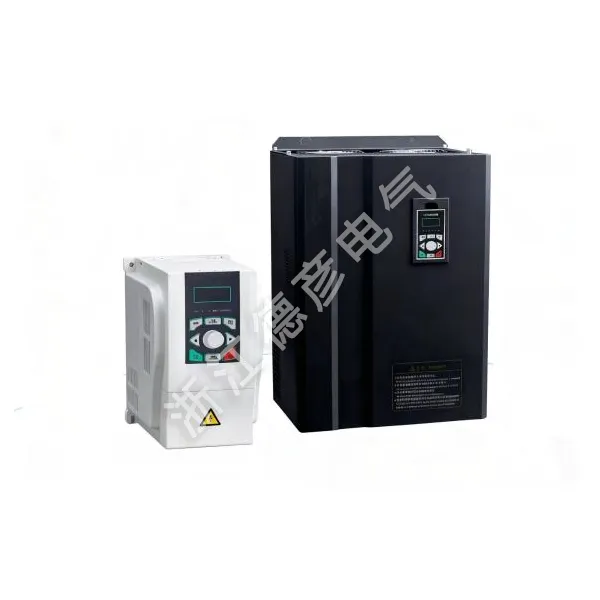
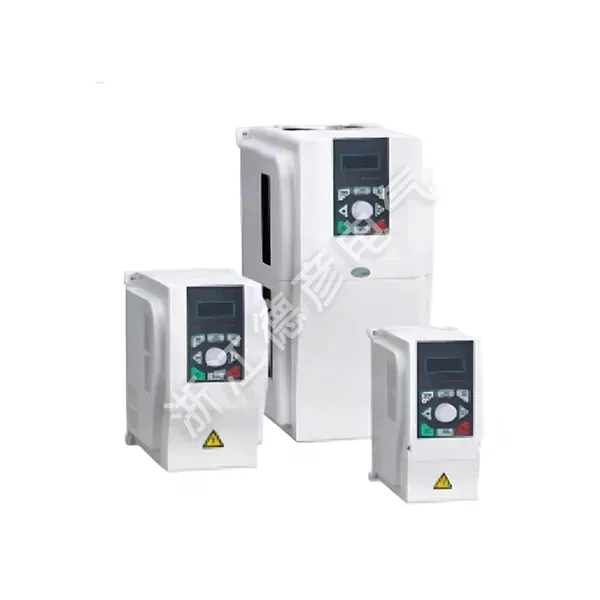
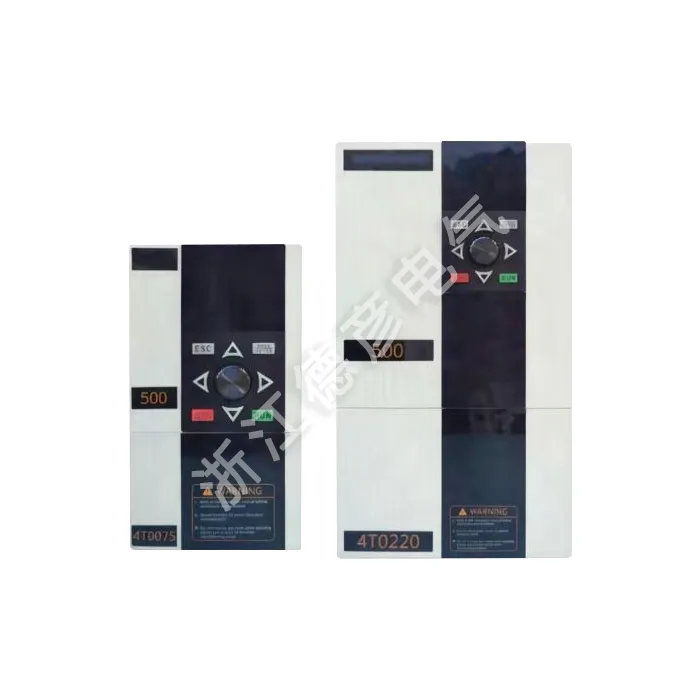
Deyan Electric is a China manufacturer providing reliable motor control solutions for lifting machinery and industrial automation equipment. The Variable Frequency Inverter for Lifting Equipment Control is developed for applications that require smooth lifting movement, accurate speed adjustment, and stable operation under changing loads. Based on LNC860S series technology, it integrates vector control, torque compensation, PLC functions, RS485 communication, and multiple protection systems. With a wide power range from 0.75KW to 750KW, it helps equipment manufacturers improve lifting performance and system reliability.
Smoother Lifting Operation
Lifting equipment has higher requirements than ordinary motor applications because every acceleration, deceleration, and stop directly affects operating safety, mechanical wear, and working efficiency. In cranes, hoists, and other lifting systems, unstable speed changes may create vibration, load shaking, and unnecessary stress on mechanical components.
Deyan Electric designs inverter solutions based on these practical challenges. The Variable Frequency Inverter for Lifting Equipment Control helps lifting systems achieve controlled acceleration, stable speed regulation, and smoother stopping performance by adjusting motor output according to actual operating conditions.
Designed Around Lifting Challenges
Compared with simple motor speed control methods, lifting applications require stronger torque response and better adaptability when handling different loads. The LNC860S series provides functions that support demanding working conditions.
1. Improve starting performance when lifting heavy loads through torque compensation technology.
2. Reduce sudden speed changes during operation through adjustable acceleration and deceleration settings.
3. Maintain stable motor control when load conditions change during lifting and lowering processes.
Control Performance For Heavy Loads
The working environment of lifting equipment is usually characterized by frequent starts, stops, and direction changes. Motors need sufficient torque output at low speed while maintaining accurate control during movement. The inverter provides multiple control modes including open-loop vector control (SVC), closed-loop vector control (FVC), and V/F control to meet different equipment requirements.
For lifting machinery manufacturers, selecting suitable control equipment is not only about motor operation but also about improving the overall machine experience. Stable speed adjustment can help reduce mechanical impact, improve positioning accuracy, and support smoother daily operation.
Low-Speed Torque Capability
The inverter supports automatic torque boost, with starting torque reaching up to 150% at 0.5Hz. This feature helps motors generate stronger output capability during low-speed starting conditions, which is important for lifting systems that frequently handle heavy loads.
Automatic slip compensation further improves speed accuracy by adjusting motor performance according to load changes. This allows lifting equipment to maintain more consistent movement during different operating conditions.
Reduce Equipment Stress
In lifting applications, sudden acceleration or braking may increase stress on mechanical structures, wire ropes, gears, and transmission components. A suitable inverter control system helps equipment operate in a more controlled way.
Acceleration And Deceleration Management
The LNC860S series supports linear and S-curve acceleration and deceleration modes. By adjusting acceleration and braking parameters according to equipment requirements, engineers can optimize movement processes and reduce unnecessary mechanical impact.
The system also supports DC braking functions and flexible parameter adjustment, allowing users to configure operation behavior according to different lifting conditions.
For applications with temporary power fluctuations, the momentary power failure ride-through function helps maintain short-term operation stability and reduce the possibility of unexpected interruptions.
Lifting Application Compatibility
Lifting equipment is widely used in factories, warehouses, construction-related machinery, and automated production environments. Different lifting systems have different requirements for motor control, load handling, and operation frequency. A suitable inverter solution needs to provide not only speed adjustment but also stable control performance during repeated lifting cycles.
The Variable Frequency Inverter for Lifting Equipment Control is suitable for lifting-related applications that require reliable motor regulation and flexible control functions. Based on the LNC860S series platform, it can support equipment manufacturers and system integrators in developing lifting solutions with better operating consistency.
Typical Equipment Applications
The inverter can be applied in equipment scenarios including:
1. Industrial lifting machinery requiring smooth start and stop control.
2. Material handling equipment requiring frequent forward and reverse operation.
3. Automated production systems requiring communication between motor control equipment and control systems.
4. Heavy-duty machinery requiring stable torque output under changing loads.
Functions That Support Daily Operation
For lifting equipment manufacturers, long-term reliability depends on how well the control system adapts to real working conditions. The LNC860S series provides multiple functions to simplify equipment adjustment and improve application flexibility.
Multiple Control Methods
The inverter supports various frequency adjustment methods, allowing engineers to select suitable control strategies according to different lifting equipment designs. Available methods include digital setting, analog setting, PID setting, multi-speed setting, simple PLC setting, pulse setting, and RS485 communication setting.
This flexibility allows the same inverter platform to be adapted for different machine configurations, reducing complexity during system development and maintenance.
Built-in PLC Function For Flexible Sequences
Lifting systems often require different operating speeds during starting, moving, positioning, and stopping processes. The built-in PLC function supports up to 16-speed operation, allowing users to create different operating sequences according to equipment requirements.
The built-in PLC reduces dependence on additional control devices in some applications and provides a more convenient way for equipment manufacturers to configure movement processes.
Safety Protection Design
During lifting operation, abnormal conditions such as excessive current, overload, or overheating may affect equipment stability. Deyan Electric integrates multiple protection functions into the inverter design to help improve system reliability.
Protection Functions For Industrial Use
The inverter includes protection functions covering common operating risks:
1. Overvoltage and overcurrent protection to reduce abnormal electrical conditions.
2. Overload and overheating protection to support continuous operation.
3. Short-circuit protection, undervoltage protection, and phase-loss protection for safer equipment operation.
4. Configurable overvoltage and overcurrent stall prevention functions to reduce unnecessary shutdown caused by operating conditions.
Technical Specification Reference
The following parameters are based on the LNC860S series product information provided by Deyan Electric. They can help customers evaluate compatibility when selecting inverter solutions for lifting applications.
|
Parameter
|
Specification
|
|
Power Range
|
0.75KW~5.5KW (220V); 0.75KW~750KW (380V)
|
|
Output Frequency
|
0-500HZ
|
|
Control Mode
|
Open-loop vector control (SVC), V/F control, Closed-loop vector control (FVC)
|
|
Starting Torque
|
Up to 150% at 0.5Hz
|
|
Overload Capacity
|
150% of rated output current for one minute
|
|
Communication
|
Built-in RS485 communication interface with Modbus protocol support
|
|
PLC Function
|
Built-in PLC supporting up to 16-speed operation
|
|
Carrier Frequency
|
0.8kHz~12KHz
|
|
Working Environment
|
Indoor installation, altitude less than 1000m, humidity less than 95%RH without condensation
|
Selection Support
Selecting inverter equipment for lifting machinery requires consideration of multiple factors, including motor power, load characteristics, lifting frequency, control accuracy, and communication requirements. Choosing a suitable model helps ensure better compatibility between the inverter and the complete machine system.
Deyan Electric provides technical communication support for customers during product selection. According to different application requirements, engineers can evaluate suitable control modes, parameter settings, and functional configurations.
Before Choosing An Inverter
Customers are recommended to confirm:
1. Motor voltage and power requirements.
2. Actual lifting load characteristics and operation frequency.
3. Required speed control accuracy and communication method.
4. Installation environment and protection requirements.
Deyan Electric Service Support
For lifting equipment manufacturers and industrial users, choosing an inverter supplier means more than selecting a product. Stable technical communication, reliable product supply, and professional application support are also important factors during long-term cooperation.
Deyan Electric focuses on inverter and industrial automation solutions, providing products developed for different application requirements. Through continuous improvement of product design and manufacturing processes, the company supports customers in building more stable motor control systems.
The Variable Frequency Inverter for Lifting Equipment Control is designed to provide practical control solutions for lifting applications, helping users improve equipment operation smoothness, reduce unnecessary mechanical impact, and achieve more flexible system adjustment.
Support During Application Development
For machine builders and engineering companies, inverter selection often involves matching motor characteristics with the complete mechanical system. Deyan Electric can assist customers with product communication, parameter understanding, and application evaluation to help improve project efficiency.
Whether used for new equipment development or control system upgrades, selecting a suitable inverter configuration helps create a more reliable lifting solution.
FAQ About Lifting Inverter Applications
Q: Why does lifting equipment need a dedicated inverter control solution?
A: Lifting equipment usually works with variable loads and frequent starting, stopping, and speed changes. Compared with ordinary motor applications, lifting systems require better torque response and smoother speed control. A suitable inverter helps optimize acceleration, deceleration, and motor operation stability.
Q: Can this inverter support heavy load lifting applications?
A: The inverter supports vector control technology, torque compensation, and overload capability of 150% of rated output current for one minute. These functions help the motor maintain stable operation under changing load conditions.
Q: Does this inverter support communication with PLC systems?
A: Yes. The inverter includes an RS485 communication interface with Modbus protocol support. It can be connected with industrial control systems according to application requirements, helping users achieve more convenient automation management.
Q: What control methods can be used with this inverter?
A: The inverter supports multiple control methods, including open-loop vector control (SVC), closed-loop vector control (FVC), and V/F control. Users can select suitable control modes according to motor type and application requirements.
Q: Is this inverter suitable for different lifting equipment designs?
A: Yes. Because the inverter supports various frequency setting methods, PLC functions, communication functions, and flexible parameter adjustment, it can be applied to different lifting-related equipment designs and industrial automation systems.
Q: What information should customers provide when selecting a model?
A: Customers should provide motor power, voltage, load characteristics, operating frequency, control requirements, and installation environment information. These details help determine the suitable inverter configuration for the specific lifting application.
Final Recommendation
Stable movement, accurate speed adjustment, and reliable protection are key requirements for modern lifting equipment. Deyan Electric develops inverter products according to real industrial application needs, helping equipment manufacturers and users improve motor control performance.
The Variable Frequency Inverter for Lifting Equipment Control combines vector control technology, flexible frequency adjustment, PLC operation support, RS485 communication, and multiple protection functions. It provides a practical solution for lifting systems that require smoother operation, better load adaptability, and reliable long-term performance.