China Vector Control Inverter for Metal Wire Drawing Manufacturer, Supplier, Factory
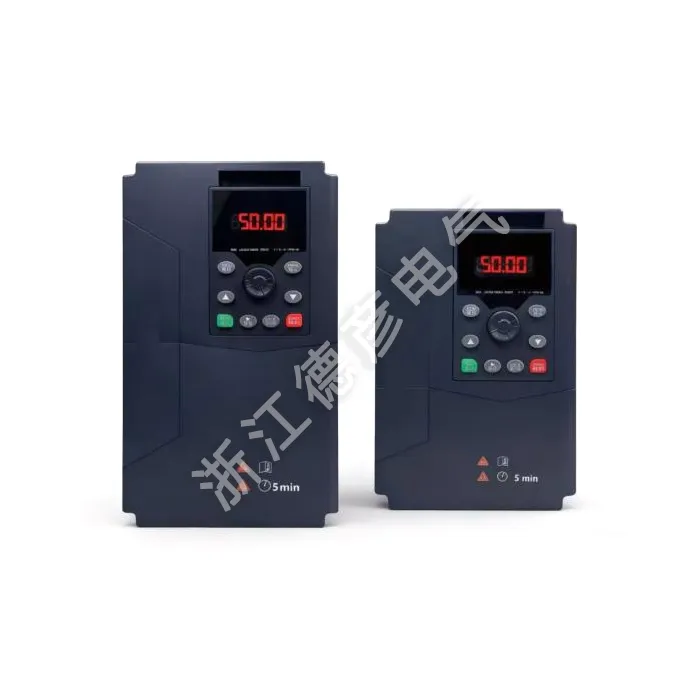
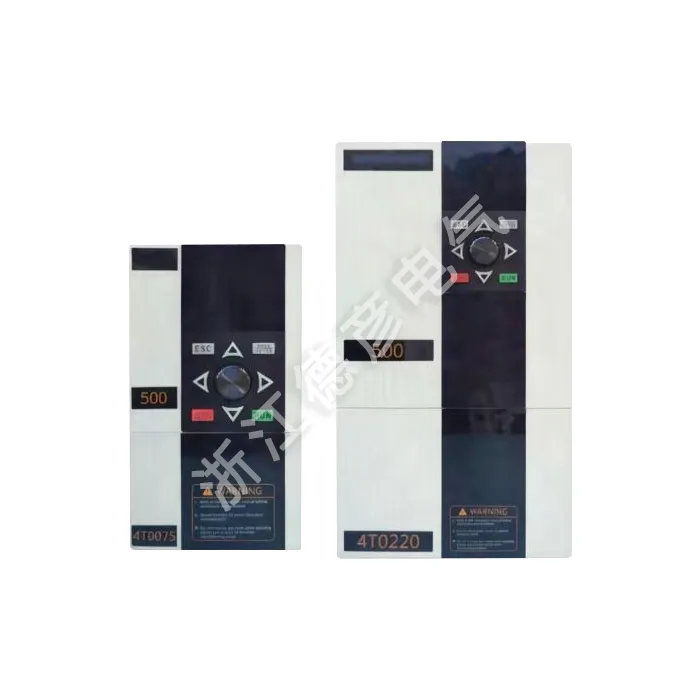
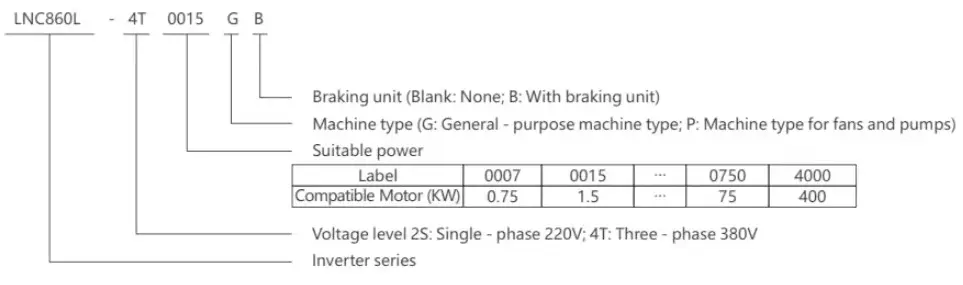
Deyan Electric is a professional manufacturer and supplier of industrial automation products, providing reliable drive solutions for metal processing equipment. The Vector Control Inverter for Metal Wire Drawing is developed for wire drawing machines that require stable torque output, accurate speed regulation, and continuous operating performance. Based on the LNC860L series platform, it supports 0.75kW-400kW power range and helps manufacturers improve production stability, reduce machine adjustment time, and achieve consistent wire processing results.
Reliable Motor Control For Metal Wire Drawing Applications
Metal wire drawing is a continuous production process where motor performance directly affects product quality and machine efficiency. During operation, the equipment needs to maintain stable pulling force while dealing with different material conditions, processing speeds, and mechanical loads.
A traditional speed control method may not provide enough response when the load changes suddenly. This can lead to unstable operation, uneven wire processing, or additional adjustment requirements from operators. The Vector Control Inverter for Metal Wire Drawing uses advanced motor control technology to improve torque response and provide smoother operation for demanding industrial environments.
Deyan Electric designs the LNC860L series according to practical manufacturing requirements. Instead of focusing only on frequency adjustment, the system considers the complete working process of metal wire drawing equipment, including motor starting performance, speed stability, load changes, and long-term reliability.
Why Vector Control Matters In Wire Drawing
For metal wire drawing machines, stable motor control is one of the key factors affecting production efficiency. The motor needs to provide enough torque at different speeds while maintaining smooth operation during acceleration, deceleration, and continuous running.
Vector control technology improves the relationship between motor torque and speed by analyzing motor operating conditions. Compared with basic frequency conversion methods, it provides more accurate control performance, especially for applications with changing loads and strict process requirements.
Main Production Challenges Solved
1. Insufficient low-speed torque: During some wire drawing processes, the motor needs strong output capability at low speed. Poor torque performance may affect pulling stability and production consistency.
2. Speed fluctuation during operation: Changes in material conditions or mechanical resistance can influence motor speed. Stable speed control helps maintain more consistent processing results.
3. Frequent manual adjustment: When the drive system cannot adapt quickly to production changes, operators may need to adjust parameters repeatedly. A suitable vector control inverter reduces unnecessary intervention.
Product Advantages For Industrial Users
The Vector Control Inverter is designed to support equipment manufacturers and end users who need reliable performance for continuous production.
● Stable torque output: Provides strong motor control capability for wire drawing applications requiring continuous pulling force.
● Accurate speed regulation: Helps maintain stable machine operation during different production stages.
● Flexible control modes: Supports V/F control, open-loop vector control (SVC), and closed-loop vector control (FVC) to match different equipment requirements.
● Wide power selection: The 0.75kW-400kW range allows customers to select suitable models according to motor specifications.
Vector Control Inverter Compared With Standard Frequency Converter
When selecting a drive system for metal wire drawing equipment, customers usually consider more than the initial purchase cost. Motor response, production stability, maintenance requirements, and future equipment upgrades are also important factors.
|
Comparison Item
|
Standard Frequency Converter
|
Vector Control Inverter for Metal Wire Drawing
|
|
Motor Control Principle
|
Mainly uses basic V/F control for general speed adjustment
|
Uses vector control technology for more accurate torque and speed management
|
|
Low Speed Performance
|
Torque output may decrease during low frequency operation
|
Provides stronger low-frequency torque performance for demanding processes
|
|
Load Change Response
|
Response capability may be limited under changing production conditions
|
Adjusts motor control more effectively when load conditions change
|
|
Wire Drawing Stability
|
Suitable for simple applications with lower requirements
|
Designed for continuous metal processing equipment requiring stable operation
|
|
Commissioning Difficulty
|
May require additional manual adjustment for specific applications
|
Provides multiple control functions for easier system adjustment
|
|
Industrial Application
|
General machinery and basic speed control systems
|
Metal wire drawing machines and other precision industrial equipment
|
Improving Production Efficiency Through Better Control
For metal wire manufacturers, production efficiency depends not only on machine speed but also on process stability. Frequent stops, unstable operation, and inconsistent product quality can increase manufacturing costs.
By improving motor response and control accuracy, the Vector Control Inverter for Metal Wire Drawing helps manufacturers build a more reliable production process. It supports smoother machine operation and reduces the impact caused by changing working conditions.
1. More consistent production: Stable motor performance helps reduce quality variations caused by speed fluctuations.
2. Lower maintenance pressure: Reliable operation reduces unnecessary troubleshooting caused by unstable drive performance.
3. Better equipment adaptability: Multiple control functions allow the inverter to match different wire drawing machine designs.
Technical Specifications For Metal Wire Drawing Equipment
Selecting the correct inverter model is an important decision for wire drawing machine manufacturers. The drive system needs to match the motor characteristics, production speed, and working environment to achieve stable performance. The LNC860L series provides flexible specifications to meet different industrial requirements.
The Vector Control Inverter supports a wide power range from 0.75kW to 400kW. It combines vector control technology, multiple protection functions, communication capability, and flexible parameter settings to support continuous industrial production.
|
Item
|
Specification
|
|
Power Range
|
0.75kW-400kW
|
|
Input Voltage
|
Three-phase AC380V 50Hz/60Hz
|
|
Output Frequency
|
0-500Hz
|
|
Control Mode
|
V/F control, Open-loop vector control (SVC), Closed-loop vector control (FVC)
|
|
Starting Torque
|
Up to 150% torque at 0.5Hz with torque compensation
|
|
Torque Control Accuracy
|
±5% under FVC mode
|
|
Speed Regulation Range
|
1:100 for SVC, 1:1000 for FVC
|
|
Speed Stabilization Accuracy
|
±0.5% for SVC, ±0.02% for FVC
|
|
Overload Capacity
|
150% of rated output current for one minute
|
|
Communication Interface
|
RS485 communication interface with Modbus protocol support
|
|
Encoder Support
|
ABZ incremental encoder, U incremental encoder, resolver and other feedback options
|
|
Protection Functions
|
Over-voltage, over-current, overload, over-temperature, under-voltage, short circuit and other protections
|
Advanced Control Functions For Stable Operation
Metal wire drawing machines often operate under heavy mechanical loads and continuous production conditions. The inverter must provide stable motor control while responding quickly to changes during operation.
The LNC860L series integrates multiple control functions to improve equipment performance and simplify system adjustment. These functions help manufacturers achieve smoother operation and reduce problems caused by unstable motor output.
Key Functions
1. High-performance vector control: The inverter calculates motor operating conditions and provides more accurate torque and speed control compared with traditional control methods.
2. Strong low-frequency torque: With torque compensation and slip compensation functions, the inverter can provide reliable starting performance for heavy-load applications.
3. Encoder feedback support: The system can use encoder signals to improve control accuracy and achieve better speed stability in applications requiring higher precision.
4. PID control function: Built-in PID adjustment helps maintain stable process control and improves system response during operation.
5. Multi-step speed control: Supports up to 16-step speed control through built-in PLC functions or control terminals, allowing flexible production settings.
6. Automatic voltage regulation: Helps maintain stable output performance when power supply conditions change.
Application Areas
The requirements of metal processing equipment vary according to material type, production speed, and machine structure. A suitable inverter solution should provide reliable performance in different working conditions.
The Vector Control Inverter for Metal Wire Drawing is suitable for industrial equipment where stable torque output and accurate speed control are required.
Typical Applications
● Metal wire drawing machines: Provides stable motor control for continuous wire processing and helps maintain consistent drawing performance.
● Steel wire production equipment: Supports applications requiring strong torque output and reliable operation under heavy loads.
● Cable manufacturing equipment: Helps improve speed stability during continuous material transportation and processing.
● Winding and unwinding systems: Supports coordinated motor operation where accurate speed and process control are needed.
● Industrial automation equipment: Can be integrated into machinery requiring flexible motor control and communication functions.
Why Manufacturers Choose Vector Control Technology
For equipment manufacturers, the inverter is not only a power conversion device but also an important part of the complete machine control system. A suitable drive solution can influence machine efficiency, product quality, and maintenance requirements.
|
Customer Concern
|
Traditional Solution Limitation
|
Vector Control Solution Benefit
|
|
Maintaining stable pulling force
|
Motor output may change when load conditions vary
|
Improves torque control and supports smoother operation
|
|
Reducing production adjustment
|
Operators may need frequent manual correction
|
Provides automatic control functions for better adaptability
|
|
Improving product consistency
|
Speed fluctuation may influence processing quality
|
Provides more accurate speed regulation
|
|
Supporting different machine designs
|
Limited control options for complex applications
|
Multiple control modes provide flexible configuration
|
|
Long-term equipment reliability
|
Basic protection may not meet industrial requirements
|
Multiple protection functions improve operation safety
|
Selection Guide Before Purchase
Choosing the correct inverter requires understanding the actual working conditions of the wire drawing machine. Before confirming the model, manufacturers should evaluate several important factors.
1. Motor power and voltage: Confirm the motor specifications to select a suitable inverter capacity.
2. Production requirements: Consider drawing speed, load changes, and required control accuracy.
3. Control method: Select suitable V/F control, SVC, or FVC mode according to machine requirements.
4. Communication requirements: Check whether RS485 Modbus communication is needed for integration with PLC or industrial control systems.
5. Working environment: Consider installation conditions, temperature, and protection requirements to ensure stable operation.
Reliable Solution From Deyan Electric
For metal wire drawing machine manufacturers, choosing the right inverter supplier is not only about product specifications. Long-term equipment stability, technical compatibility, and application support are also important considerations.
Deyan Electric focuses on industrial automation products and provides drive solutions designed for manufacturing equipment. The LNC860L series combines motor control technology, flexible configuration, and protection functions to support different industrial applications.
The Vector Control Inverter for Metal Wire Drawing is developed based on actual equipment requirements. It helps manufacturers improve motor control performance while reducing difficulties during machine operation and maintenance.
Advantages For Equipment Manufacturers
1. Application-oriented design: The inverter is designed for industrial equipment where stable torque output and accurate speed control are important.
2. Flexible integration: Multiple control modes, encoder support, and communication functions allow easier connection with different machine systems.
3. Reliable operation: Protection functions help reduce risks caused by abnormal voltage, current, temperature, or overload conditions.
4. Wide model selection: The 0.75kW-400kW power range provides suitable options for different motor capacities.
Maintenance And Operation Considerations
In industrial production, reducing downtime is an important goal for every manufacturer. A stable inverter system can help operators maintain continuous production and reduce unnecessary troubleshooting.
The LNC860L series provides practical functions that support easier operation and maintenance. Proper parameter setting and installation can help achieve better performance during long-term use.
Important Maintenance Points
● Regular parameter checking: Confirm that inverter parameters match motor specifications and machine requirements.
● Stable operating environment: Keep the installation area suitable for industrial equipment operation and avoid conditions that may affect inverter performance.
● Correct motor matching: Select the appropriate inverter model according to motor power, voltage, and application requirements.
● Communication monitoring: Use RS485 Modbus communication when integration with PLC or control systems is required.
Frequently Asked Questions
Q: What is the difference between a vector control inverter and a standard frequency converter?
A: A standard frequency converter mainly focuses on basic speed adjustment, while a vector control inverter provides more accurate control of motor torque and speed. This makes it more suitable for applications such as metal wire drawing where load changes and stable operation are important.
Q: Why does a metal wire drawing machine need vector control?
A: During wire drawing, the motor needs to maintain stable pulling force under different working conditions. Vector control technology helps improve torque response and speed stability, reducing the influence of load changes on production performance.
Q: What power range does this inverter support?
A: The LNC860L series supports a power range from 0.75kW to 400kW, allowing customers to select suitable models according to different motor requirements.
Q: Which control modes are available?
A: The inverter supports V/F control, open-loop vector control (SVC), and closed-loop vector control (FVC). Customers can choose the appropriate mode according to machine requirements.
Q: Can this inverter support encoder feedback?
A: Yes. The LNC860L series supports multiple encoder types, including ABZ incremental encoder, U incremental encoder, and resolver, helping improve control accuracy.
Q: Is this product suitable for continuous industrial production?
A: Yes. The inverter is designed for industrial applications requiring stable operation, accurate motor control, and reliable performance during continuous production processes.
Q: Does the inverter support communication with PLC systems?
A: Yes. The product provides an RS485 communication interface and supports Modbus protocol, allowing integration with industrial control systems.
Product Image
Conclusion
For metal wire drawing manufacturers, stable motor control is essential for improving production efficiency and maintaining consistent product quality. The Vector Control Inverter for Metal Wire Drawing provides accurate speed regulation, strong torque performance, flexible control modes, and reliable protection functions.
With LNC860L series technology, Deyan Electric offers a practical drive solution for industrial users who need better equipment performance, easier system integration, and long-term operating stability.