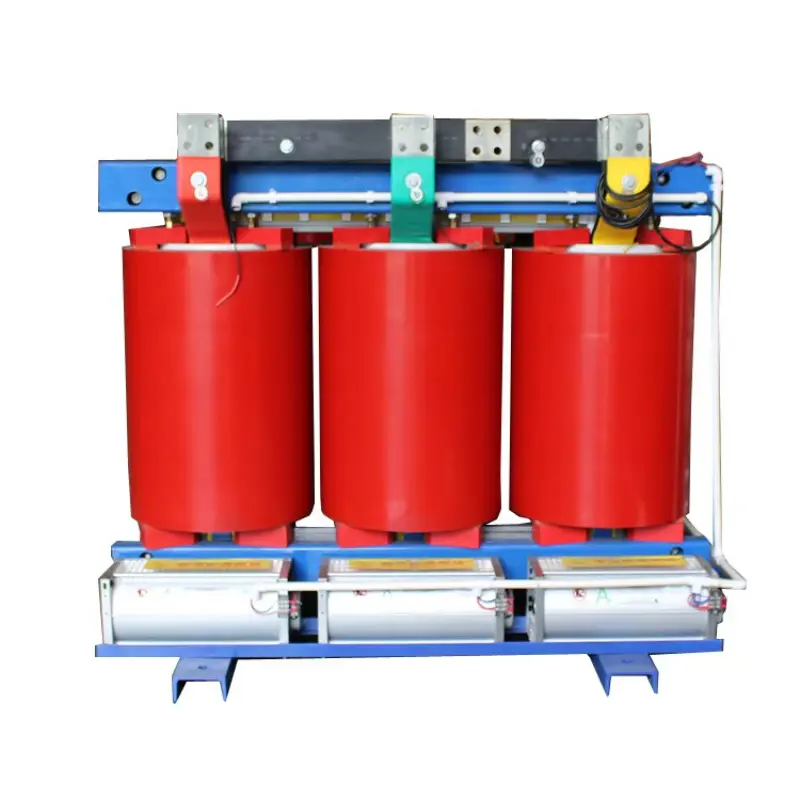
Transformers are common and critical equipment in power systems, used to alter the magnitude of alternating voltage for the transmission and distribution of electrical energy in power transmission, distribution, and other applications. Dry-type transformers and oil-immersed transformers are two prevalent types, exhibiting significant differences in insulation media, heat dissipation methods, and environmental adaptability. This article explores the distinctions between dry-type and oil-immersed transformers and provides recommendations for selecting the appropriate transformer type.
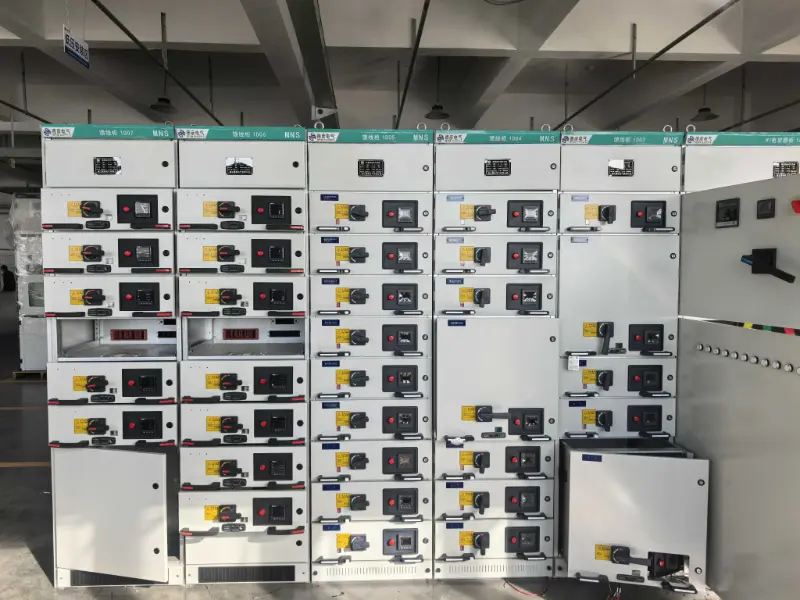
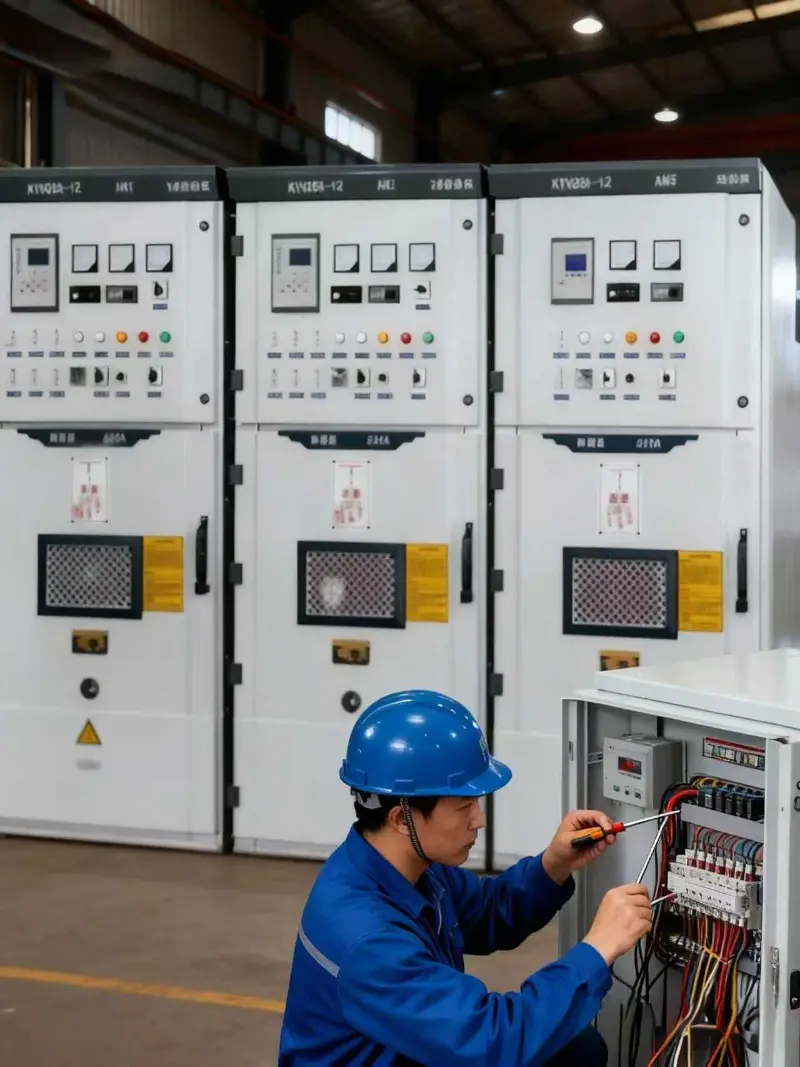
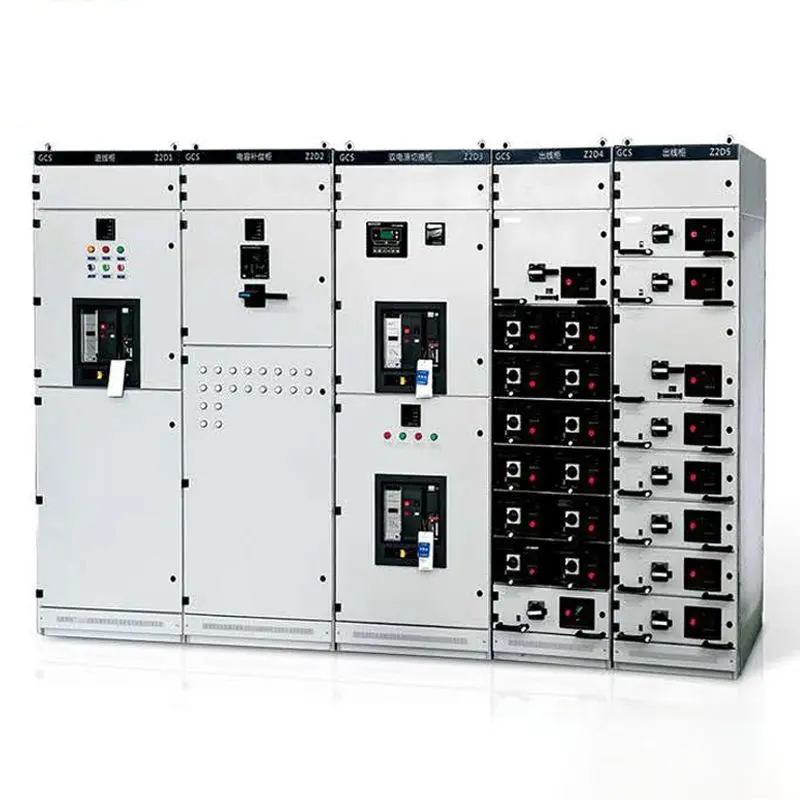
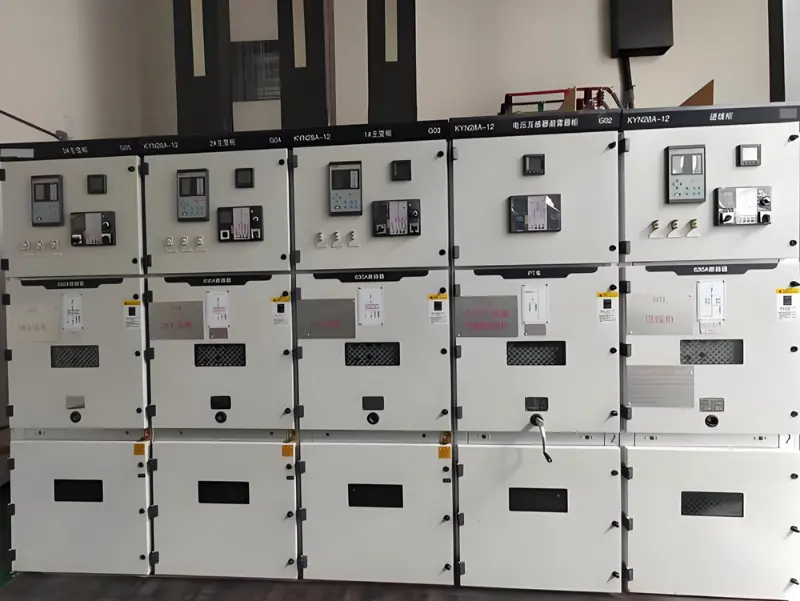
Switchgear is a complete power distribution unit assembled by integrating primary and secondary equipment according to specific electrical wiring schemes. It primarily controls, protects, monitors, and distributes electrical energy to power lines and electrical equipment. Based on structural form, switchgear can be categorized into fixed-type and draw-out-type; by voltage level, it includes high-voltage switchgear (both fixed and draw-out types) and low-voltage switchgear (commonly fixed or drawer-type).
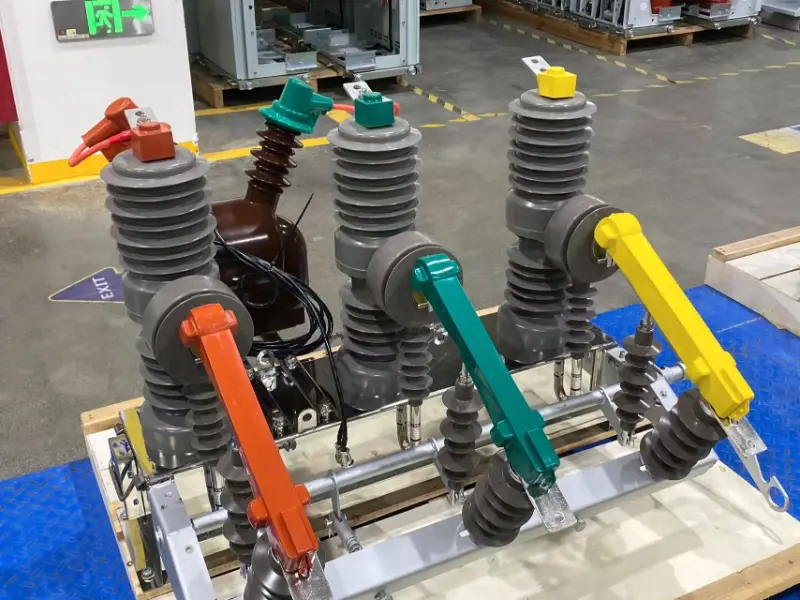
In the world of electrical distribution, the Automatic Circuit Recloser (ACR) is an unsung hero. These intelligent devices are crucial for maintaining grid stability by automatically interrupting and reclosing circuits to clear temporary faults—like a tree branch brushing against a line. But what about their own upkeep? How about the maintenance of the automatic recloser to ensure it operates flawlessly when a fault occurs?
In the world of high-voltage electrical engineering, Sulphur Hexafluoride (SF₆) is often hailed as a wonder material. Since its commercialization in the mid-20th century, this colorless, odorless, and inert gas has revolutionized the industry. Its exceptional dielectric strength—roughly 2.5 to 3 times that of air—and unparalleled arc-quenching capabilities make it the ideal medium for Gas-Insulated Switchgear (GIS) and Gas-Insulated Transmission Lines (GIL). These devices have enabled the construction of compact substations in crowded urban centers, a feat previously unimaginable with conventional air-insulated equipment.
Most of the time, people don’t think about the invisible systems behind electricity. You flip a switch, the lights work, simple. But hidden in the background, there are devices making sure nothing dangerous happens. That thing, or rather that collection of things, is called switchgear. Now, if you ask ten different people what is switchgear, chances are most won’t give you a straight answer. Some might say “it’s the breaker box”, others might just shrug. But the truth is, switchgear is everywhere, from your house to a giant power plant. It’s like a bodyguard for electricity.
Essentially, choosing the type of switchgear is a decision-making process that goes from "defining requirements" to "matching parameters." To make the selection process clearer, I have broken it down into eight key dimensions. You can use this like a checklist, checking each item against your actual situation.
We use cookies to offer you a better browsing experience, analyze site traffic and personalize content. By using this site, you agree to our use of cookies. Privacy Policy