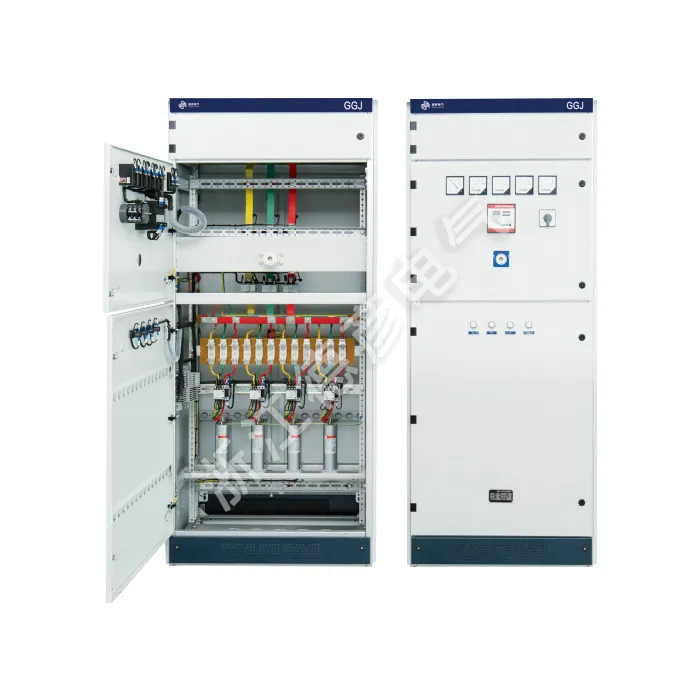
China DIN 47636 Standard Cable Junction Box Equipment Manufacturer, Supplier, Factory
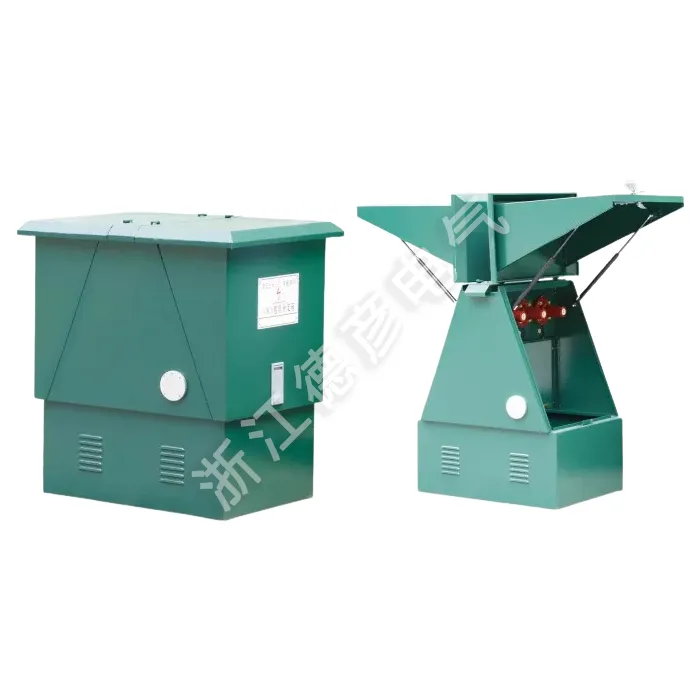
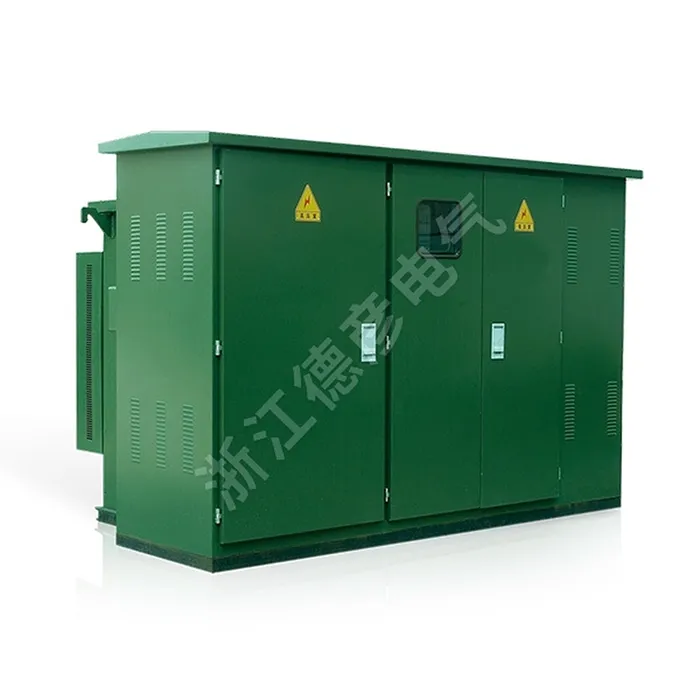
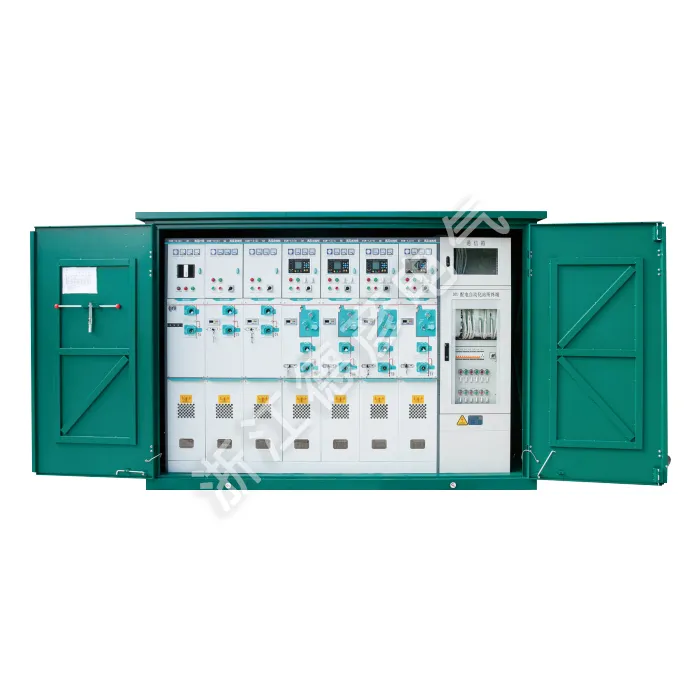
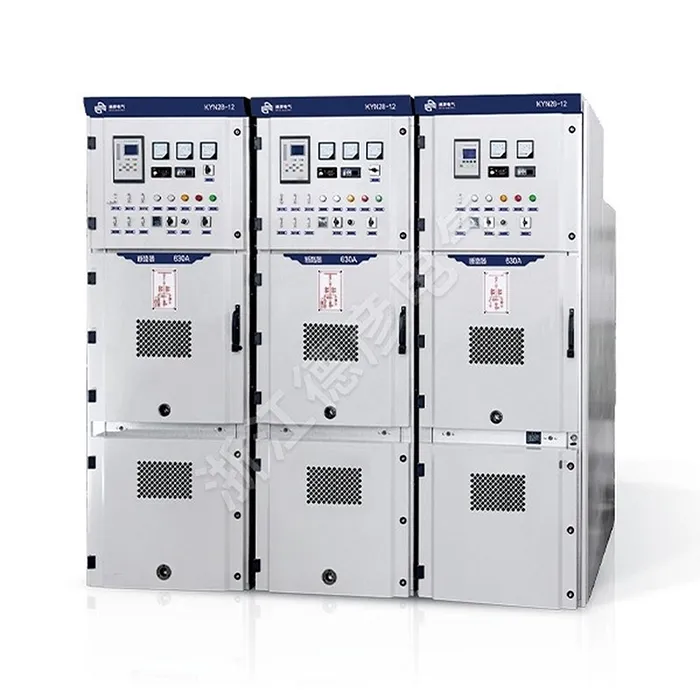
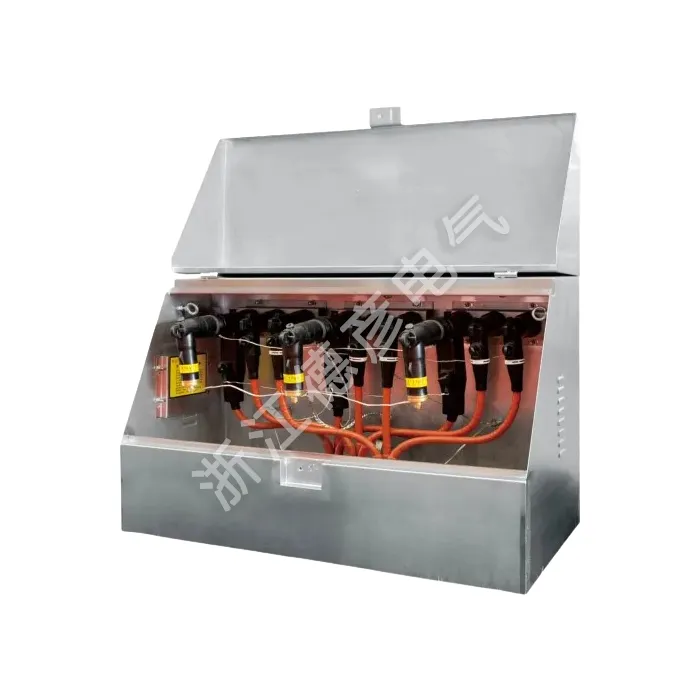
DIN 47636 Standard Cable Junction Box Equipment from Deyan Electric is a China manufacturer solution for medium-voltage cable connection and distribution applications. The equipment is rated at 12kV and 630A, with cable joints designed to comply with DIN 47636 requirements. It is intended for cable-based power distribution layouts where connection standards, cable organization, electrical ratings, and installation conditions need to be considered together.
When a cable junction point is added to a distribution network, the main concern is usually not the enclosure alone. Engineers also need to determine whether the connection arrangement is compatible with the cable system, whether the electrical ratings are sufficient, whether the installation space is practical, and whether the selected joint standard matches the project requirements. Deyan Electric provides the equipment and related technical information for these considerations.
Start with the Standard
DIN 47636 Standard Cable Junction Box Equipment is particularly relevant when the project specification includes DIN 47636 as a requirement for cable joints. A defined standard gives the technical team a clear starting point for reviewing the connection arrangement instead of selecting a junction box only according to its external appearance.
For a medium-voltage cable distribution project, several details should normally be checked together:
● Connection standard: Confirm whether the cable joint arrangement specified for the project follows DIN 47636 or another applicable standard.
● Electrical rating: Check the required system voltage and current against the equipment specification.
● Cable arrangement: Review how the incoming and outgoing cables are positioned and where the connection point will be installed.
● Joint configuration: Confirm the required cable joint and connector arrangement before production.
● Installation conditions: Check the available working space, cable route, access area, and surrounding equipment.
The purpose of these checks is straightforward: the connection equipment should fit the electrical design before it reaches the installation stage. This becomes especially important when the cable route has already been constructed and there is limited room for changes at the site.
What the Configuration Includes
The equipment brings several requirements into one cable connection arrangement. Instead of evaluating each component separately, the following comparison shows how the published configuration relates to common project requirements.
|
Project Requirement
|
Published Configuration
|
Technical Consideration
|
|
Cable connection
|
Butt-welded sleeve connectors
|
Provides a defined connection arrangement for the cable distribution system
|
|
Cable joint standard
|
DIN 47636
|
Provides a reference for technical evaluation
|
|
Rated current
|
630A
|
Should be compared with the circuit requirement
|
|
Rated voltage
|
12kV
|
Provides the primary voltage reference for selection
|
|
Enclosure protection
|
IP33
|
Should be reviewed against the installation environment
|
|
Access arrangement
|
Dual-opening door structure
|
Provides access to the connection area
|
The combination of these elements makes the equipment easier to evaluate during project planning. The electrical rating, joint standard, connection arrangement, enclosure, and access requirements can be reviewed as one configuration rather than as unrelated product characteristics.
Why DIN 47636 Matters
For cable distribution projects, a reference standard can make technical communication more precise. When DIN 47636 is included in the project specification, the connection requirements have a defined reference that can be discussed between the electrical designer, equipment manufacturer, installation team, and other parties involved in the project.
The cable joints used with this equipment are stated to comply with DIN 47636. The supplied product information also identifies bolted cable joints rated at 630A as a typical configuration. These details give engineering teams two useful points to confirm before final selection: the applicable joint standard and the current level required by the network.
The standard itself should not be considered a substitute for checking the complete cable system. Cable construction, conductor arrangement, current requirement, installation method, and project drawings still need to be reviewed. A joint standard is one part of the complete connection system, not the only selection criterion.
Standardized Design vs. Existing Installation
Some projects are developed from a standardized electrical design, while others are built around existing cable infrastructure. In the first situation, the equipment can be evaluated directly against the project specification. In the second, existing cable routes, connection positions, and available dimensions become equally important.
This is why it is useful to provide the manufacturer with actual project information rather than only the requested product name. Technical information received at an early stage can help determine whether the standard configuration is suitable or whether a customized arrangement needs to be discussed.
Checking the 630A Rating
The rated current is one of the first figures engineers should compare when reviewing a cable connection product. The published rating for this equipment is 630A, while the project electrical design determines whether that rating is appropriate for the intended circuit.
A preliminary technical review can be organized as follows:
|
Check Item
|
Published Value
|
What to Confirm
|
|
Rated voltage
|
12kV
|
Whether it corresponds to the project system voltage
|
|
Rated current
|
630A
|
Whether the circuit requirement is within the published rating
|
|
Dynamic stability current
|
50kA/0.3s
|
Whether the network conditions match the specified value
|
|
Thermal stability current
|
20KA/3S
|
Whether the short-time thermal requirement is compatible
|
|
Lightning impulse withstand voltage
|
105kV
|
Whether the insulation coordination requirements are satisfied
|
The important point is that a 630A rating should not automatically be treated as suitable for every 630A application. The electrical design still needs to be checked. Cable size, system configuration, protection arrangement, and installation conditions can affect the final equipment selection.
For engineering teams, this comparison is useful before requesting a quotation because it identifies the basic technical information that should be confirmed first. It can also prevent a situation where the mechanical configuration is discussed before the electrical requirements are clear.
Connection Options Compared
When different cable connection arrangements are being considered, the practical question is usually which configuration fits the required electrical function. A direct cable connection, load switch, fuse combination, or vacuum circuit breaker arrangement serves a different purpose within the distribution system.
|
Comparison Point
|
Direct Cable Connection
|
Load Switch
|
Load Switch-Fuse
|
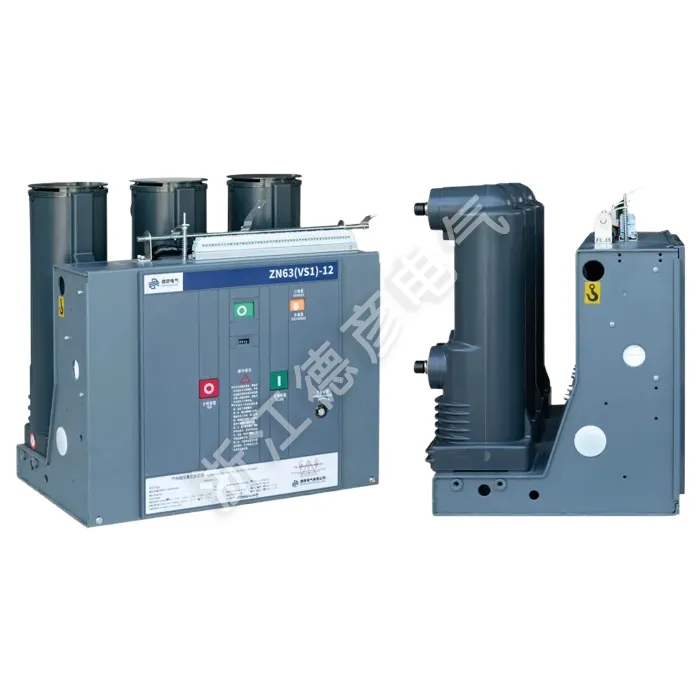
Vacuum Circuit Breaker
|
|
Main function
|
Direct cable connection
|
Load switching
|
Load switching with fuse arrangement
|
Circuit switching through vacuum circuit breaker
|
|
Listed configuration
|
D unit
|
C unit
|
F unit
|
V unit
|
|
Grounding option
|
De unit with grounding switch
|
According to project design
|
According to project design
|
According to project design
|
|
Selection basis
|
Cable connection requirement
|
Load switching requirement
|
Switching and fuse arrangement
|
Vacuum circuit breaker requirement
|
This comparison helps separate the cable connection function from the switching function. If the requirement is mainly cable connection, the direct connection configuration can be evaluated. Where switching or additional protection functions are required, the corresponding unit configuration should be reviewed instead.
The final selection should always follow the approved electrical design. The comparison is intended to support preliminary technical communication and does not replace project-specific engineering review.
Published Electrical Data
The complete specification provides a more detailed reference for engineering teams checking the equipment against a medium-voltage distribution network.
|
Rated voltage
|
12kV
|
|
Rated current
|
630A
|
|
Dynamic Stability Current
|
50kA/0.3s
|
|
Thermal stability current
|
20KA/3S
|
|
1-minute power frequency withstand voltage
|
42kV
|
|
15-minute DC withstand voltage test
|
52kV
|
|
Lightning impulse withstand voltage
|
105kV
|
|
Enclosure Protection Rating
|
IP33
|
DIN 47636 Standard Cable Junction Box Equipment has a published rated voltage of 12kV and rated current of 630A. The listed withstand-voltage data includes 42kV for the 1-minute power-frequency test, 52kV for the 15-minute DC withstand-voltage test, and 105kV for lightning impulse withstand voltage.
These values should be reviewed as a complete technical set rather than as isolated figures. During selection, the project team can compare voltage, current, stability current, withstand-voltage values, and enclosure protection requirements with the electrical design.
Before Installation
A significant amount of installation difficulty can be avoided before production begins. For a cable junction point, the most useful information is usually related to the existing cable route, connection position, and available installation space.
01 — Cable route: Confirm where incoming and outgoing cables originate and where they need to continue after the connection point. A single-line diagram or marked-up site drawing can make the arrangement easier to understand.
02 — Working clearance: Measure the available installation area and surrounding clearance. The door-opening direction and working space should be reviewed together with nearby walls, switchgear, cable trenches, and other equipment.
03 — Cable information: Provide the cable type, quantity, arrangement, and available connection information. These details help determine whether the standard configuration can be used directly.
04 — Electrical requirements: Confirm the system voltage, rated current, short-time requirements, and relevant insulation requirements before final selection.
05 — Applicable standard: If DIN 47636 is specified in the project documentation, it should be clearly identified during technical confirmation so that the joint arrangement can be reviewed accordingly.
06 — Existing equipment: For replacement or extension projects, provide available dimensions and connection information from the existing installation. This can reduce the possibility of dimensional conflicts after delivery.
Where It Can Be Used
The equipment is intended for cable-based power distribution environments rather than one single building type. The suitable application depends mainly on the electrical network and connection arrangement required at the site.
Compact secondary substations
These sites can involve concentrated cable connection arrangements where the available space and cable direction need to be considered during layout planning.
Industrial and mining facilities
Small industrial and mining enterprises are included in the supplied application information. Cable routing, installation location, and site conditions should be reviewed before the equipment is specified.
Wind power plants
Wind power plants are also listed among the application sites. The equipment selection should follow the electrical design and cable connection requirements of the specific distribution system.
Commercial buildings
Hotels, shopping malls, office buildings, and commercial centers are included in the stated application range. The installation position should be coordinated with the existing distribution layout.
Residential complexes
Residential power distribution can also include cable branching and connection points. The selected configuration should be matched with the network voltage, current, cable arrangement, and project design.
DIN 47636 Standard Cable Junction Box Equipment can therefore be considered across several types of cable-based power distribution projects. The final application should be determined according to the actual electrical system rather than simply by the name of the site.
What to Send for Customization
Not every project requires a completely new product design. In many cases, the first step is to determine whether the standard configuration can fit the existing cable route, installation area, and electrical requirements.
DIN 47636 Standard Cable Junction Box Equipment can be discussed with Deyan Electric according to actual project dimensions and technical conditions. The company's official information states that equipment can be designed according to customer dimensions and that OEM is acceptable.
For a technical inquiry, the following information can be prepared:
1. Electrical data: System voltage, rated current, and relevant electrical requirements.
2. Connection drawing: A single-line diagram or cable connection drawing showing the intended arrangement.
3. Installation dimensions: Available width, height, depth, and surrounding clearance where possible.
4. Cable details: Cable quantity, entry direction, cable arrangement, and known joint requirements.
5. Applicable standards: DIN 47636 or other standards specified by the project documents.
6. Site information: Installation location, environmental conditions, and relationship with existing electrical equipment.
Deyan Electric's official FAQ states that design options can be provided within 1–3 days. The actual design schedule depends on the completeness and complexity of the technical information supplied for the project.
Technical Support
Deyan Electric is based in Yueqing, Zhejiang Province, and its official company information states that the company was established in 2020. The company focuses on the research, development, manufacturing, and sales of power distribution equipment.
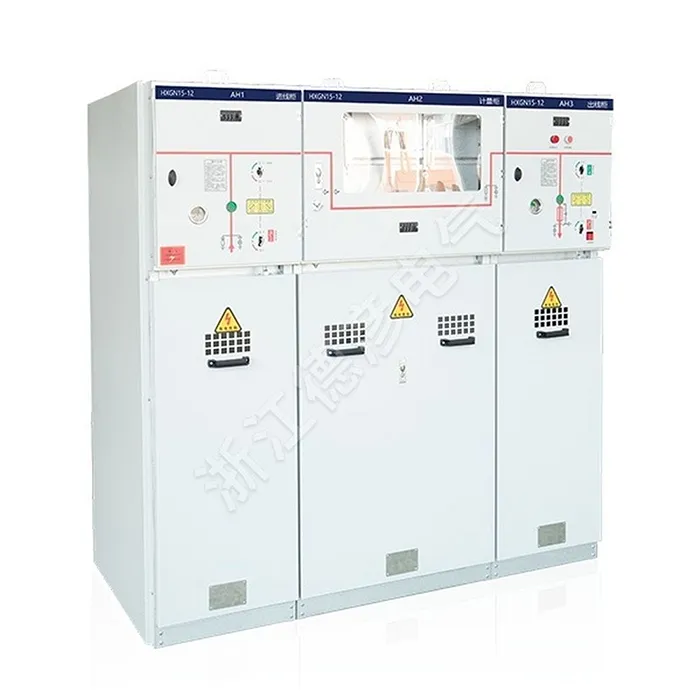
The company's product range includes ring main units, air-insulated switchgear cabinets, transformers, and other power distribution equipment. This broader product background is relevant when cable connection equipment needs to be considered as part of a wider power distribution arrangement.
Deyan Electric states that its quality management system is ISO9001 certified and that its products meet CE and other international standards. The company also states that products undergo rigorous testing before delivery.
Installation Documents
Detailed installation manuals are available according to the company's official information. Having the installation documentation available before site work begins allows the installation team to review the relevant procedures in advance.
The company also states that operation and maintenance training can be provided remotely or on site. The applicable training arrangement can be discussed according to project requirements.
Spare Parts and Follow-Up
The company's official FAQ states that spare parts can be purchased separately when required. The exact spare parts should be confirmed according to the equipment configuration supplied for the project.
Order Planning
Once the technical requirements have been confirmed, the remaining process usually involves configuration confirmation, drawing approval, production, inspection, packaging, and shipment. Keeping these steps connected helps avoid changes after production has started.
Deyan Electric's official FAQ states that the MOQ is 1 piece and that samples are available with charge. This provides an option for projects that require a single unit for evaluation or an initial installation.
The company also states that the delivery period is 10–25 days depending on order quantity. For customized configurations, the actual schedule should be confirmed after the technical requirements and final design have been approved.
According to the company's official information, equipment is packed in a wooden case with foam for transportation. The final packaging and shipping arrangement should be confirmed according to the equipment configuration and destination.
For an international project, the technical specification, approved drawing, payment arrangement, packaging, delivery schedule, and shipping information should be confirmed before production begins.
FAQ
Q: What does DIN 47636 refer to in this product?
A: DIN 47636 is the stated standard reference for the cable joints used with this equipment. The project team should confirm that this standard matches the requirements specified in the electrical design.
Q: What are the main electrical ratings?
A: The published specification gives a rated voltage of 12kV and a rated current of 630A. It also lists a dynamic stability current of 50kA/0.3s and a thermal stability current of 20KA/3S.
Q: What cable joint arrangement is specified?
A: The supplied product information identifies butt-welded sleeves as busbar connectors. It also states that the cable joints comply with DIN 47636 and that bolted cable joints rated at 630A are typically employed.
Q: What is the enclosure protection rating?
A: The published specification gives an enclosure protection rating of IP33. The installation environment should be reviewed against the equipment specification before final selection.
Q: Which applications are listed?
A: The supplied application information includes compact secondary substations, small industrial and mining enterprises, wind power plants, hotels, shopping malls, office buildings, commercial centers, and residential complexes.
Q: Which unit configurations are listed?
A: The supplied information lists C-load switch, D-direct cable connection, De-direct cable connection with grounding switch, F-load switch-fuse combination, and V-vacuum circuit breaker configurations.
Q: Can the equipment be customized according to project dimensions?
A: Yes. Deyan Electric's official information states that equipment can be designed according to customer dimensions. OEM is also stated to be acceptable. The actual configuration should be confirmed through technical drawings and project requirements.
Q: How quickly can a design option be provided?
A: Deyan Electric's official FAQ states that design options can be provided within 1–3 days. The actual design time depends on the completeness and complexity of the technical information.
Q: What is the minimum order quantity?
A: Deyan Electric's official FAQ lists an MOQ of 1 piece. Samples are also available with charge.
Q: What is the stated delivery time?
A: The official FAQ states a delivery period of 10–25 days depending on order quantity. The final delivery schedule should be confirmed after the product configuration and technical requirements are finalized.
Q: Are installation manuals available?
A: Yes. Deyan Electric states that detailed installation manuals are available. The company also states that operation and maintenance training can be provided remotely or on site.
Q: Can spare parts be purchased separately?
A: Yes. The official company information states that spare parts can be purchased separately. The exact part should be confirmed according to the equipment configuration.
Final Technical Check
Before placing an order, the project team can use the following checklist to confirm the basic information:
□ System voltage confirmed
□ Rated current confirmed
□ Cable quantity and route confirmed
□ Cable joint standard confirmed
□ Installation dimensions checked
□ Connection configuration selected
□ Applicable electrical drawings available
□ Environmental conditions reviewed
□ Technical documentation requirements confirmed
When DIN 47636 Standard Cable Junction Box Equipment is being evaluated, starting with the actual cable system is more useful than selecting the enclosure in isolation. Once the voltage, current, cable route, connection standard, installation dimensions, and required unit function are clear, the equipment configuration can be determined with greater accuracy.
Deyan Electric can review project dimensions and technical requirements for customized configurations. The final selection should be based on the approved electrical design, applicable standards, cable connection requirements, installation conditions, and confirmed technical documentation.