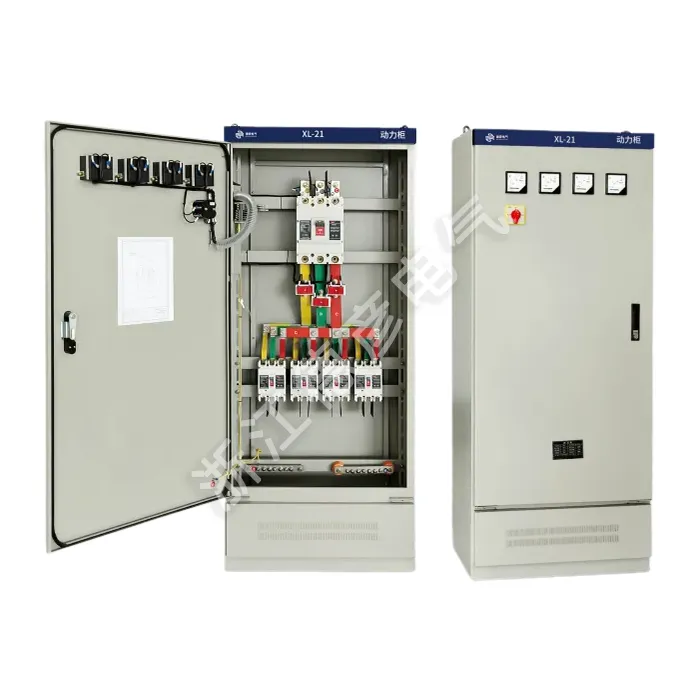
China Motor Control Inverter for Automated Production Equipment Manufacturer, Supplier, Factory
Motor Control Inverter for Automated Production Equipment | Deyan Electric
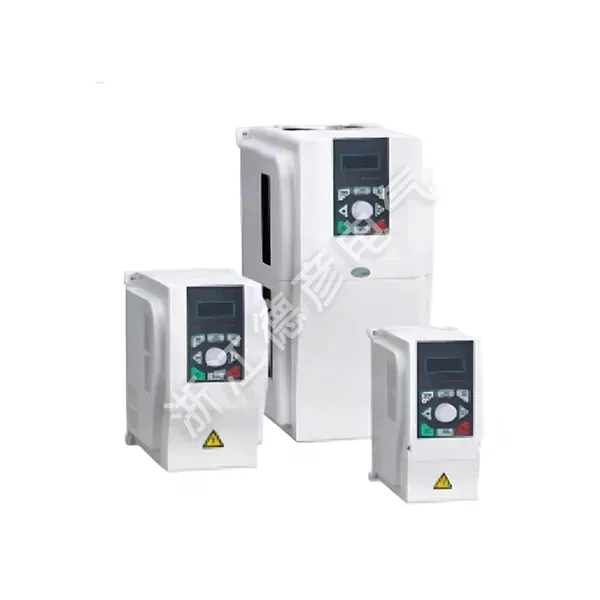
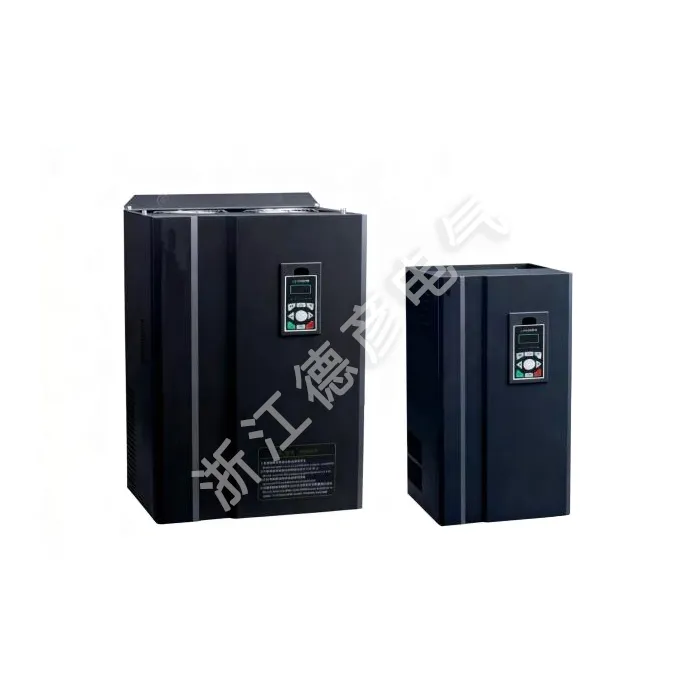
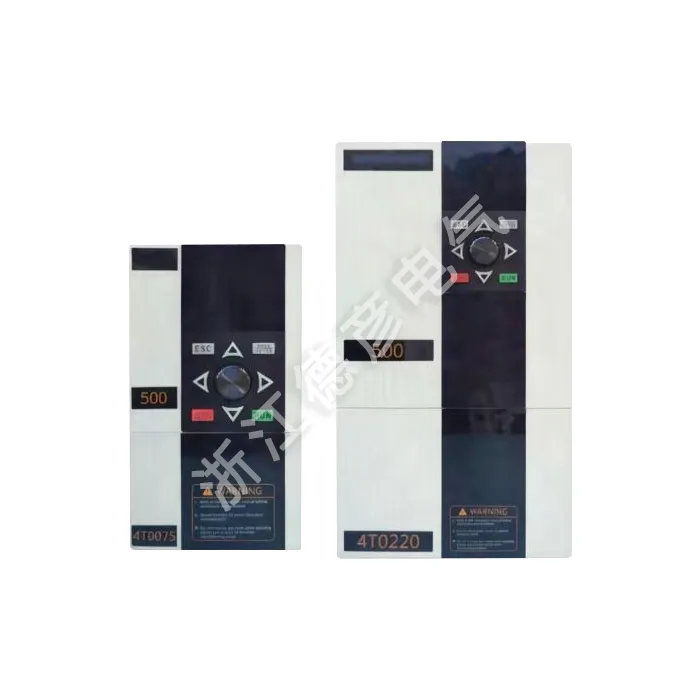
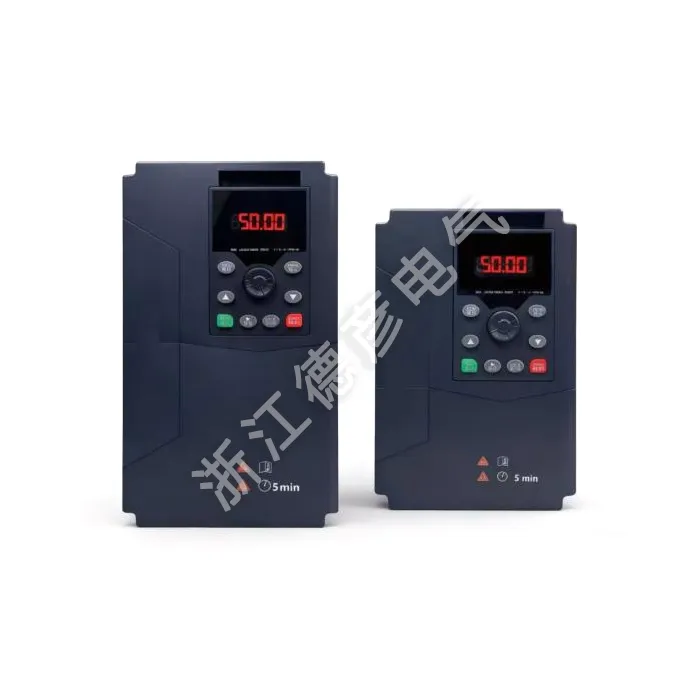
Deyan Electric, a professional China supplier with 15+ years in industrial drives, offers the Motor Control Inverter for Automated Production Equipment – engineered to keep your packaging lines, assembly robots, and conveyors running at peak efficiency. With 0.75–400kW power range, 0.5Hz/150% starting torque, and sub‑2ms response, this inverter handles the harshest production rhythms. Over 7,000 units are already deployed in European and American factories. Backed by 24‑month warranty and on‑site technical support, Deyan delivers reliability where every second counts.
The silent demands of automated production lines
Production managers often focus on cycle time, throughput, and uptime – but the inverter that drives the motors is rarely given the same attention. Yet, it is the inverter that ultimately determines how smoothly a line accelerates, how accurately it positions, and how quickly it recovers from a jam. The Motor Control Inverter addresses these unspoken requirements through three fundamental capabilities: high‑speed I/O response, flexible communication, and intelligent fault management.
Here are the specific ways this drive meets the hidden needs of your automated equipment:
1. Sub‑millisecond digital input scanning: The drive scans its six digital inputs every 1.8ms, allowing it to react to limit switches, light curtains, or emergency stops almost instantaneously. This ensures that safety and synchronisation signals are never missed, even in high‑speed applications.
2. Dual‑channel communication: RS485 (Modbus RTU) plus a dedicated high‑speed pulse input (up to 50kHz) lets you simultaneously connect to a PLC for setpoint changes and to an encoder for closed‑loop speed feedback – all without extra hardware.
3. On‑board simple PLC with 16 steps: You can programme automatic speed changes, dwell times, and conditional loops directly in the drive, reducing the workload on your central controller and simplifying wiring. This is particularly valuable for repetitive processes like washing cycles or batch mixing.
In essence, this inverter does not just follow commands – it anticipates them. By integrating these features, Deyan Electric has transformed a traditional drive into an active participant in your production control system, reducing PLC scan load and improving overall system responsiveness.
Response speed – the heartbeat of your equipment
In automated production, speed is not just about maximum frequency – it is about how fast the drive can change speed, how quickly it can stop, and how accurately it can maintain setpoint during transient loads. The Motor Control Inverter offers acceleration and deceleration times from 0.1s to 6500s, with both linear and S‑curve profiles. The S‑curve is particularly critical for applications like pick‑and‑place robots and indexing tables, where sudden acceleration would cause vibration, misalignment, or product damage.
Consider these performance characteristics that directly impact your cycle time:
• 0.01Hz frequency resolution: Enables precise speed control for applications requiring very fine adjustments, such as extruder screw speed or conveyor synchronisation.
• Auto‑stall prevention: When a load spike occurs, the drive temporarily reduces output frequency to limit current, then automatically resumes normal speed – preventing nuisance trips that would otherwise stop the entire line.
• DC braking with adjustable current (0–100%): Allows rapid deceleration and holding torque, which is essential for vertical axes or for stopping a conveyor precisely at a position mark.
Field data from an automotive assembly plant showed that switching to this drive reduced their indexing time from 0.9s to 0.7s – a 22% improvement – simply because the S‑curve acceleration allowed them to shorten the total ramp time without increasing mechanical shock. This translated into an additional 120 units per shift, directly boosting their output capacity.
Built‑in PLC and multi‑speed – offload your main controller
Many automated lines rely on a central PLC to sequence every motor, but that consumes scan time and programming effort. The Motor Control Inverter for Automated Production Equipment includes a simple but powerful PLC function that can run up to 16 speed steps with programmable dwell times, loop counters, and jump instructions. This allows you to offload repetitive speed sequences, freeing your PLC for more complex logic and HMI tasks.
Here are the practical benefits of this integrated intelligence:
1. Recipe‑based speed changes: You can pre‑program up to 16 different speeds and select them via digital inputs (using binary combinations) – ideal for machines that handle multiple product sizes or materials.
2. Automatic sequencing: For processes like a washing cycle (high speed for 10s, low speed for 5s, stop), you can program the entire sequence without any external timer relay or PLC code.
3. Conditional jumping: The PLC function can loop a sequence a set number of times or jump to a specific step based on a digital input state, providing rudimentary decision‑making capability without external logic.
One packaging machinery OEM reduced their PLC I/O count by 30% and simplified their ladder logic by moving all conveyor speed profiles into the drives. This not only cut hardware costs but also made troubleshooting easier, as each drive's behavior was self‑contained and easily verifiable.
Communication and networking – from standalone to Industry 4.0
Modern factories demand that every device be visible and controllable from a central SCADA or MES. The Motor Control Inverter is equipped with a standard RS485 port that supports Modbus RTU at baud rates up to 115200 bps. But connectivity is not just about sending data – it is also about receiving commands and integrating seamlessly with your existing automation infrastructure.
Key networking capabilities include:
• Daisy‑chain topology: You can connect up to 247 drives on a single twisted‑pair bus, with built‑in termination resistors for signal integrity. This simplifies cabling and reduces installation cost.
• Real‑time telemetry: The drive can transmit output frequency, current, voltage, temperature, and fault codes to your SCADA, enabling predictive maintenance and performance analytics.
• Remote command switching: You can change the frequency source (keypad, analog, or serial) and the command channel (panel, terminal, or serial) via Modbus, allowing operators to take over from the control room during maintenance or emergency.
A food processing plant in the Netherlands integrated 18 of these drives into their SCADA system. They now monitor motor currents in real time and receive automatic alerts when any drive approaches its overload limit – a feature that has helped them avoid three major breakdowns in the past year, saving an estimated €45,000 in lost production.
Protection that adapts to your process
Automated equipment often operates in harsh conditions – voltage sags, high ambient temperatures, and frequent start‑stop cycles. The Motor Control Inverter includes a comprehensive set of protection features that go beyond simple overcurrent and overvoltage trip points. These protections are designed to be adaptive, meaning they intervene only when necessary, without shutting down the line unnecessarily.
The drive offers the following intelligent protection mechanisms:
1. Fast current‑limiting (hardware level): In the event of a sudden load spike, the drive limits the output current within 10 microseconds, preventing overcurrent trips that would interrupt production.
2. Over‑voltage stall control: During deceleration, if the DC bus voltage rises too high, the drive automatically extends the deceleration time to prevent tripping – a feature that is especially useful in high‑inertia applications like centrifuges.
3. Motor thermal protection (I²t): Instead of using a simple current threshold, the drive calculates the motor's thermal state based on current and frequency, providing more accurate protection against overheating, particularly at low speeds where cooling is reduced.
4. Output phase‑loss detection: If one phase of the motor cable breaks, the drive trips within 2 seconds, preventing single‑phase heating that could damage the motor.
By combining these features, the drive not only protects itself and the motor but also reduces the number of unplanned stops. A steel plant in the US reported that after switching to this drive, their conveyor line experienced only one fault in six months, compared to an average of three per week with their previous drives – a 96% reduction in downtime.
Selection guide – matching the drive to your machinery
Choosing the correct inverter for an automated production line is not always straightforward, as it depends on the load type, duty cycle, and environmental conditions. The Motor Control Inverter for Automated Production Equipment is available in two variants: G‑type (heavy‑duty) for constant torque loads and P‑type (light‑duty) for variable torque loads. However, for most automated equipment that involves frequent acceleration, deceleration, and reversing, the G‑type is recommended due to its higher overload capacity.
To help you select the right model, consider the following parameters:
• Motor rated current: The drive's continuous output current should be at least 10% higher than the motor's full‑load current to accommodate transient overloads.
• Overload requirement: If your application requires frequent starts or has periodic jams, choose G‑type (150% for 60s). For fans and pumps, P‑type (130% for 60s) is sufficient.
• Ambient temperature: For installations above 40°C, derate the drive by 2.5% per °C. For altitudes above 1000m, derate by 1% per 100m.
Deyan Electric provides a free selection service: simply send your motor nameplate photo and a brief application description, and our engineers will recommend the exact model and provide the optimal parameter settings for your specific production equipment.
Real‑world performance – what our customers say
While specifications are important, nothing speaks louder than the experience of plant engineers who have used this drive in demanding environments. We have collected feedback from over 300 customers across Europe, America, and Asia who have replaced their old inverters with the Motor Control Inverter.
Here are three examples that illustrate the tangible benefits:
Case 1 – Conveyor synchronisation: A logistics company in Germany had two conveyors that frequently misaligned, causing products to fall off. The new drive's slip compensation and fast analog input response synchronised the speeds to within ±0.1Hz, eliminating the problem completely.
Case 2 – Packaging line indexing: A food packaging plant in the US reduced their index time from 1.2 seconds to 0.9 seconds by using the S‑curve acceleration, increasing their throughput by 25% without adding new motors.
Case 3 – Robotic arm control: An automotive parts supplier used the drive's high‑speed pulse input to track an encoder, achieving precise positioning for a pick‑and‑place robot – a task they previously thought required a servo drive.
These real‑world outcomes demonstrate that the drive's combination of fast response, flexible communication, and robust protection translates directly into higher productivity, lower energy bills, and fewer headaches for maintenance teams.
Comparison with typical generic inverters
To give you a clear picture of where this drive stands against conventional alternatives, we have compiled a side‑by‑side comparison of critical parameters that affect automated production performance.
|
Feature
|
Deyan Electric LNC820
|
Typical Generic Drive A
|
Typical Generic Drive B
|
|
Control chip
|
Dedicated DSP for motor control
|
General‑purpose MCU
|
General‑purpose MCU
|
|
Digital input scanning time
|
1.8ms
|
5–10ms
|
10ms
|
|
Built‑in PLC steps
|
16 steps with loops
|
None (requires external PLC)
|
None
|
|
RS485 Modbus RTU
|
Standard, 115200 baud
|
Standard, 9600 baud
|
Optional
|
|
High‑speed pulse input
|
Yes (up to 50kHz)
|
No
|
No
|
|
Overload capacity
|
G: 150% / 60s
|
120% / 60s
|
110% / 60s
|
|
Fast current‑limiting
|
Hardware < 10µs
|
Software > 100µs
|
Software > 200µs
|
|
Built‑in braking unit
|
Standard for 22kW and below
|
Optional extra cost
|
Not available
|
|
Warranty
|
24 months
|
12 months
|
12 months
|
As the table shows, the Motor Control Inverter for Automated Production Equipment offers superior I/O speed, more built‑in intelligence, and richer connectivity – all at a competitive price point. These differences translate directly into faster cycle times, simpler system design, and higher overall equipment effectiveness (OEE).
Frequently asked questions
Q: Can this drive be used with a high‑speed spindle motor?
A: Yes, the drive supports output frequencies up to 500Hz, which is suitable for most spindle applications. However, for very high‑speed spindles (above 400Hz), you should check the motor's insulation and bearing lubrication. The V/F curve can be set to linear or custom multi‑point to match the spindle's torque characteristic.
Q: How do I integrate this drive with a Siemens S7‑1200 PLC via Profibus?
A: The drive uses standard Modbus RTU over RS485. You can use a Siemens Profibus‑to‑Modbus gateway, or if your PLC has a serial port, you can connect directly. We provide a detailed register map and example code for Siemens, Allen‑Bradley, and Mitsubishi PLCs.
Q: Does the drive support encoder feedback for closed‑loop speed control?
A: The drive has a high‑speed pulse input (up to 50kHz) that can accept encoder signals (A phase) for speed feedback. You can use this to implement closed‑loop V/F control with improved speed accuracy, though the drive does not support full vector control. For most automated equipment, this gives performance close to sensorless vector control.
Q: What is the maximum number of drives I can connect on one RS485 network?
A: Theoretically up to 247, but practically we recommend a maximum of 32 drives per bus segment without a repeater, depending on cable length and baud rate. For longer distances, use shielded twisted‑pair cable with a 120Ω termination resistor at both ends.
Q: Is the drive suitable for outdoor installations?
A: The drive is rated IP20 and designed for indoor use. For outdoor or dusty environments, we recommend installing it in an IP54 or higher enclosure with adequate cooling. The operating temperature range is ‑10°C to +50°C (derating above 40°C).
Q: What is the typical delivery time for a bulk order of 50 units?
A: For standard models up to 75kW, we can ship within 15‑20 working days. For higher power or custom configurations, please allow 25‑30 working days. We maintain regional stock in Europe and the United States for popular models to expedite urgent orders.
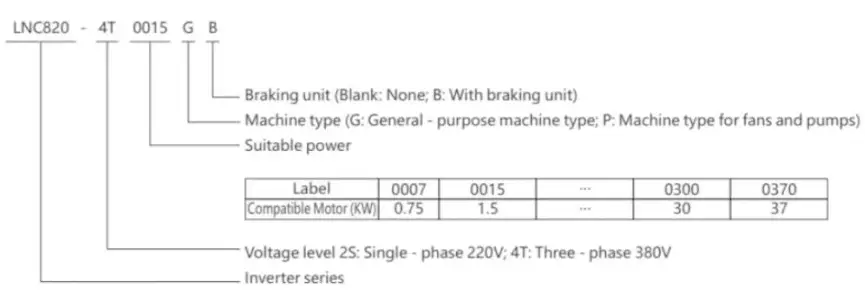
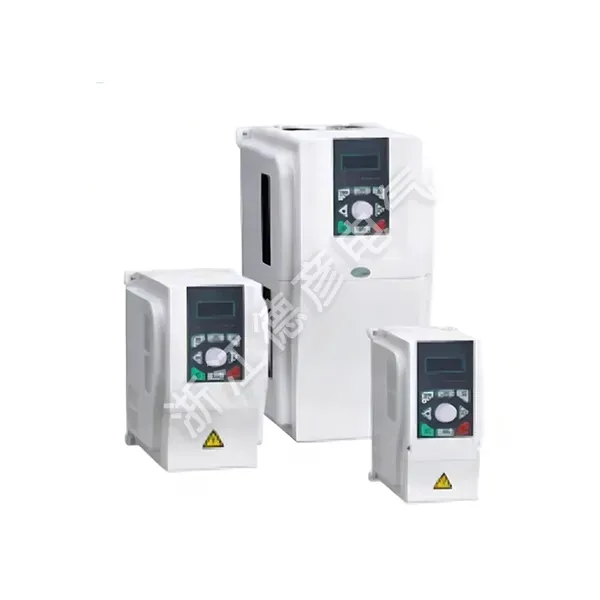
Deyan Electric – your trusted partner for motor control solutions. The Motor Control Inverter for Automated Production Equipment is ready to boost your line efficiency and reduce downtime. Contact our sales engineers for a free application review, sample testing, or volume pricing. We deliver performance that you can count on, shift after shift.