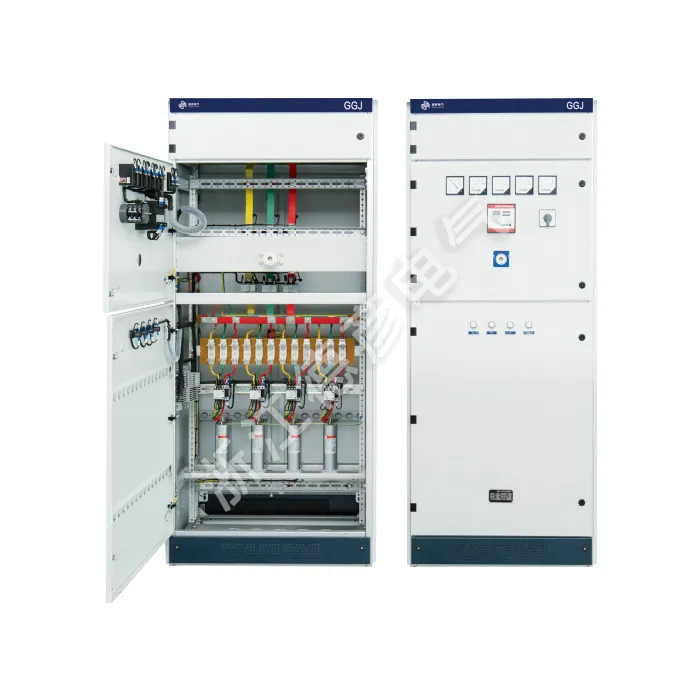
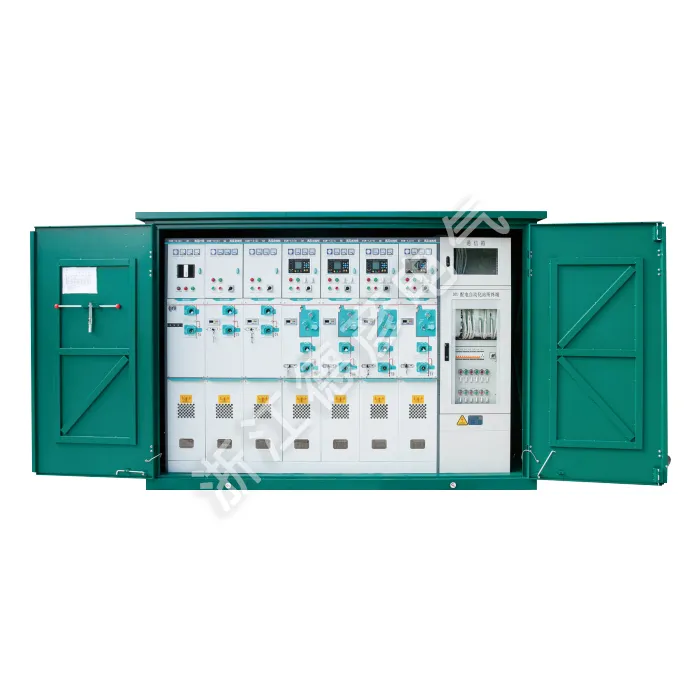
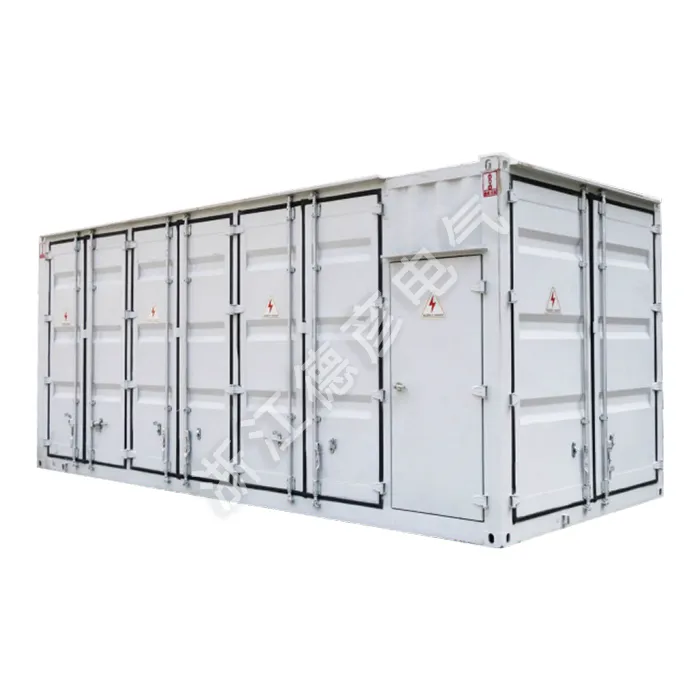
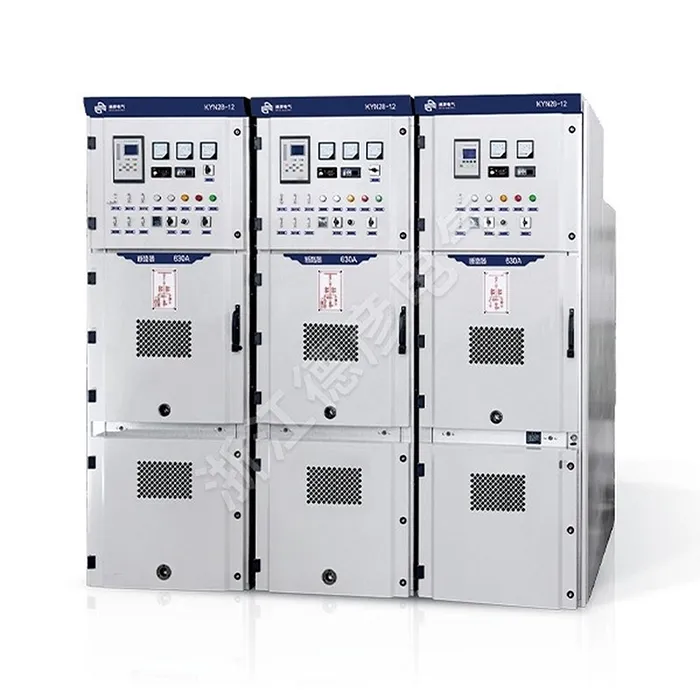
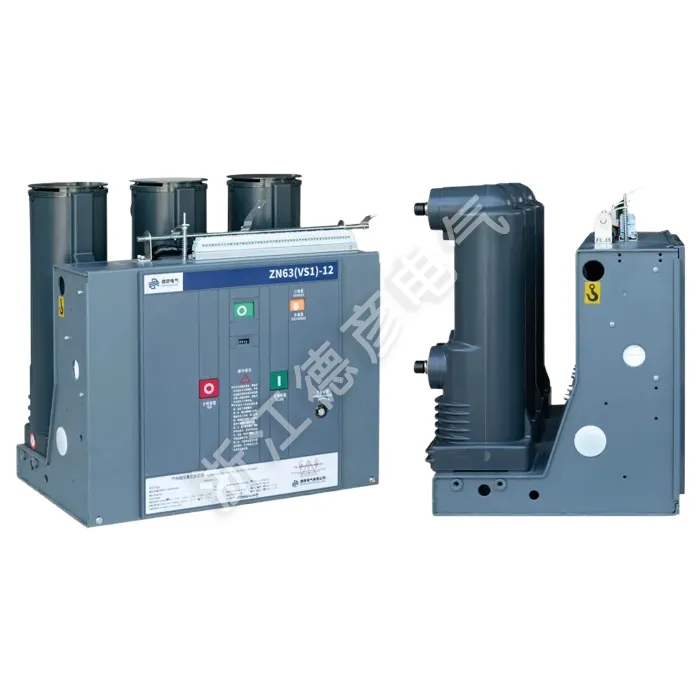
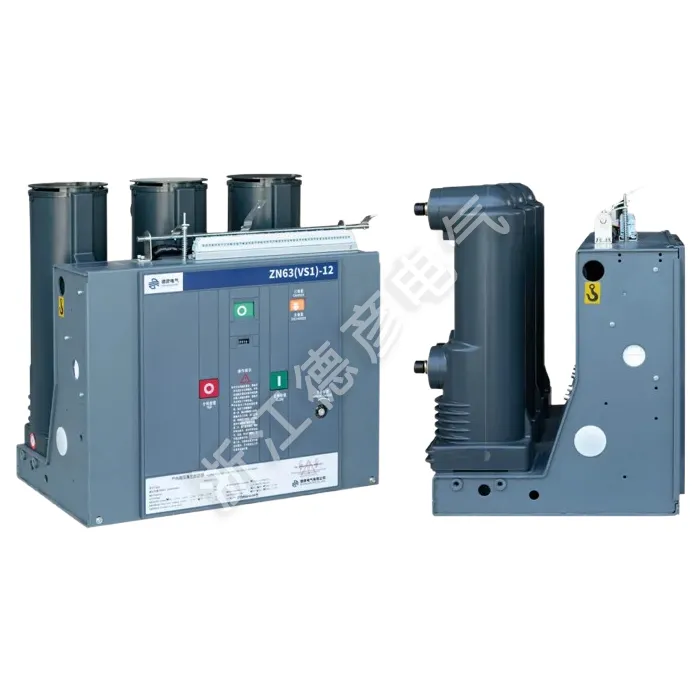
China Cable Branching Connection Junction Box for Utility Networks Manufacturer, Supplier, Factory
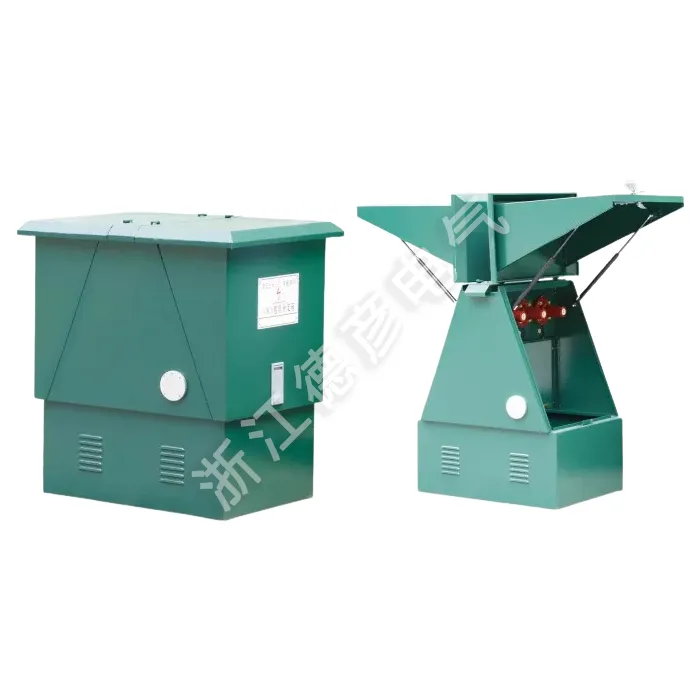
For utility network operators seeking dependable cable branching and connection, Deyan Electric offers the Cable Branching Connection Junction Box for Utility Networks. As a manufacturer with integrated R&D, production and service, we design this equipment to meet DIN 47636 standards, using butt-welded sleeve connectors and dual-opening door structures. The result is a compact, corrosion-resistant solution that simplifies cable arrangements and eliminates large-span crossings of three-core cables. This box supports safe, long-term operation in compact secondary substations, wind power plants, commercial centers, and industrial sites. With bolted cable joints rated at 630A, it provides a practical answer to modern distribution challenges.
Overview
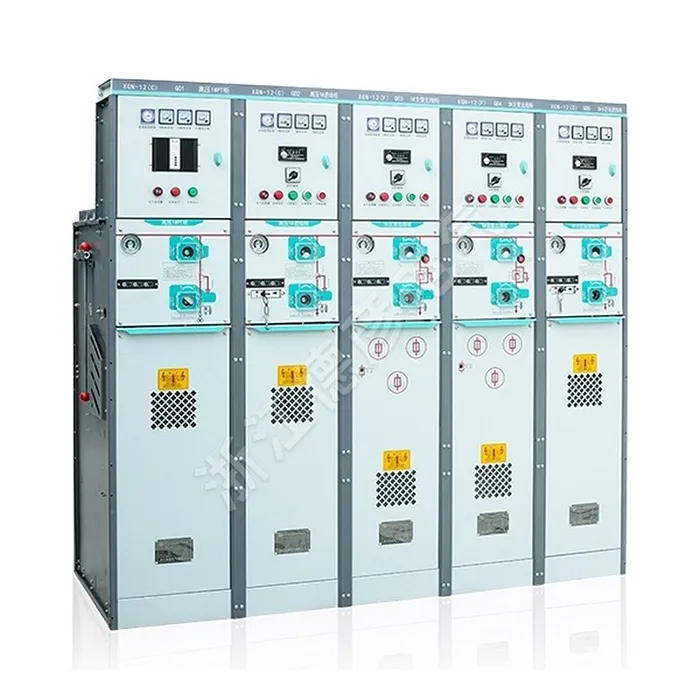
Utility networks depend on stable branching points to distribute power without unnecessary complexity. This Cable Branching Connection Junction Box for Utility Networks is engineered for exactly that purpose. It combines a high-impact resistance housing with a corrosion-resistant construction, making it suitable for indoor and outdoor cable-based projects. The unit protects cable joints from moisture, dust, and mechanical stress while keeping cable routing clear and organized. Because it uses a modular approach, it can be adapted to different connection units, including load switch, direct cable connection, and vacuum circuit breaker configurations.
In practical terms, the box acts as a controlled environment for cable joints. Instead of leaving joints exposed or relying on temporary site-built enclosures, it provides a fixed, repeatable structure that supports consistent installation quality. This matters in utility networks where downtime is costly and maintenance access is often limited. The design also helps reduce the risk of human error during assembly, because cables follow defined paths and connection points are protected by a sealed enclosure.
Whether you are upgrading an existing distribution network or building a new cable-based project, this junction box offers a reliable way to manage branching and connection. Its compact size makes it suitable for crowded substations and commercial buildings, while its weather-resistant construction supports outdoor use in wind plants and industrial yards.
Design Advantages
The design of the Cable Branching Connection Junction Box for Utility Networks focuses on practical benefits that matter to installers, engineers, and maintenance teams. The dual-opening door structure allows quick access from both sides, which speeds up inspection and service. The compact length saves space in crowded substations and commercial buildings. By using butt-welded sleeve connectors as busbar connectors, the box avoids the need for large-span crossings of three-core cables, simplifying layout and reducing material use.
These advantages are not just cosmetic. In cable-based projects, poor routing can lead to bending stress, difficulty in future expansion, and longer installation time. A compact, well-organized junction box helps crews work faster and reduces the chance of mistakes during assembly. The corrosion-resistant housing also means the box can handle humid, coastal, and industrial environments without rapid deterioration.
Main advantages include:
● Compact footprint: Fits tight spaces without compromising cable bending radius.
● Dual-opening doors: Improves access for installation and maintenance.
● Corrosion resistance: Suitable for humid, industrial, and coastal environments.
● Weather resistance: Withstands outdoor conditions when properly installed.
● Maintenance-free operation: Reduces long-term service costs.
● Quick installation: Saves labor time on site.
These features make the unit a reliable choice for utility networks that need consistent performance without frequent intervention. For project managers, the reduction in installation time and maintenance requirements translates directly into lower total cost of ownership.
Technical Specifications
The following parameters are based on standard configurations. They help engineers match the box to system requirements and confirm compatibility with existing network equipment. The data below comes from the product specification and should be used as a reference during selection. For projects with special requirements, please contact Deyan Electric to confirm the final configuration.
|
Rated voltage
|
12kV
|
|
Rated current
|
630A
|
|
Dynamic Stability Current
|
50kA/0.3s
|
|
Thermal stability current
|
20KA/3S
|
|
1-minute power frequency withstand voltage
|
42kV
|
|
15-minute DC withstand voltage test
|
52kV
|
|
Lightning impulse withstand voltage
|
105kV
|
|
Enclosure Protection Rating
|
IP33
|
These ratings support use in 12kV distribution systems where 630A cable joints are common. The IP33 enclosure rating indicates protection against solid objects and water spray, which is suitable for many utility and industrial installations. Engineers should still confirm site conditions, cable type, and joint compatibility before finalizing the model. The dynamic and thermal stability figures show the box can handle short-circuit events without losing structural integrity, which is critical for network safety.
Application Fields
This Cable Branching Connection Junction Box for Utility Networks is designed for places where reliable cable branching and connection are essential. It has been widely adopted in cable-based projects for power distribution networks. Its compact size and clear cable arrangement make it useful in both new installations and upgrades.
Compact secondary substations: Space-saving branching for urban and industrial distribution. The box helps fit more connections into limited space without sacrificing safety.
Small industrial and mining enterprises: Durable protection in demanding environments. The corrosion-resistant housing handles dust and moisture better than exposed joints.
Wind power plants: Reliable connections for renewable energy collection systems. The maintenance-free design reduces visits to remote sites.
Commercial buildings: Hotels, shopping malls, office buildings, and commercial centers. The box keeps cable joints organized and protected in public-facing electrical rooms.
Connection units: C-load switch unit, D-direct cable connection unit, De-direct cable connection unit with grounding switch, F-load switch-fuse combination unit, and V-vacuum circuit breaker unit. This flexibility allows engineers to use the same enclosure across different network layouts.
In these settings, the box helps maintain a tidy cable layout and reduces the risk of connection faults caused by poor routing or environmental exposure. It is also useful where future expansion may require additional cable branches, because the modular structure supports organized changes. For utility planners, choosing a standard junction box simplifies spare parts management and training for maintenance crews.
Connection System
The connection system is one of the most important parts of any cable junction box. This Cable Branching Connection Junction Box for Utility Networks uses butt-welded sleeve connectors as busbar connectors. This approach supports a clear cable arrangement and helps eliminate large-span crossings of three-core cables. The joints employed comply with DIN 47636 standards, and bolted cable joints rated at 630A are typically used.
The system is built around repeatability. Instead of depending on site-built insulation and wrapping, the box provides a stable structure where connections can be made and inspected with less variation. This is especially valuable in utility projects where multiple installations must meet the same performance level. A consistent connection system also makes troubleshooting easier, because technicians know what to expect when they open the box.
Important connection features include:
● Butt-welded sleeves: Used as busbar connectors for stable electrical contact.
● DIN 47636 compliance: Supports compatibility with standard joint designs.
● 630A bolted joints: Common configuration for medium voltage cable connections.
● Clear separation: Helps keep phases and circuits organized.
These features work together to reduce installation errors and improve long-term reliability. For engineers specifying equipment for a 12kV network, the combination of standard joints and a protected enclosure offers a practical balance between performance and cost.
Cable Arrangement
Cable arrangement affects installation speed, heat dissipation, and future maintenance. A crowded or crossed layout can make simple inspections difficult and increase the risk of damage during service. This junction box is designed to keep cables arranged clearly, with a compact length that reduces wasted space.
The internal layout supports organized routing for three-core cables and helps avoid unnecessary crossings. For utility networks, this means crews can trace circuits more easily and perform maintenance with fewer disturbances to adjacent cables. The dual-opening door structure also supports access from both sides, which is helpful when cables enter from different directions. Good cable arrangement starts with planning: confirm entry directions, maintain bend radius, label circuits, and leave spare space for future expansion. By following these steps, installers can make the most of the box's compact design.
When cables are arranged neatly, heat can dissipate more evenly and the risk of insulation damage from sharp bends is reduced. This contributes to the overall safety and lifespan of the network. Although the box is compact, it does not force cables into tight turns that could compromise performance.
Installation Notes
Correct installation helps the junction box deliver its intended performance. The unit is designed for quick and easy installation, but site conditions still matter. It should be mounted on a stable structure and protected from excessive water accumulation, heavy impact, and unauthorized access. Cable entries should be sealed properly to maintain the enclosure protection. Before installation, confirm the system voltage, rated current, cable size, and joint type. During installation, follow local electrical codes and project specifications. After installation, check that doors open and close freely, connections are secure, and labeling is complete.
These steps are simple but important for long-term reliability. A poorly mounted box may allow water to enter or may be difficult to service later. Taking time to verify the installation will save effort in the future. If you are unsure about any step, Deyan Electric can provide technical documents and support to help your team install and operate the box correctly.
Maintenance Practices
The unit is described as maintenance-free under normal operating conditions. That does not mean it should be ignored forever. Periodic visual inspection remains good practice for any electrical equipment. Maintenance teams should check for moisture, corrosion, loose connections, and unusual temperature or noise. Because the box supports dual-opening access, these checks can be done with less disruption.
In utility networks, planned inspections help identify small issues before they become outages. A clean, dry, and well-organized junction box is easier to inspect and less likely to develop faults. Keeping records of inspections also supports long-term reliability and helps with future expansion planning. If any abnormality is found, it should be reported and addressed according to the network operator's procedures. Regular attention, even if minimal, extends the service life of the equipment.
Quality & Service
Deyan Electric is a professional industrial electrical supplier with integrated R&D, production and service. Every Cable Branching Connection Junction Box for Utility Networks is produced under strict quality control to meet the stated technical parameters. The use of DIN 47636 standard joints and 630A bolted cable joints reflects our focus on compatibility and safety. We support customers with technical selection, installation guidance, and after-sales service. Because the unit is maintenance-free under normal conditions, it helps network operators lower lifecycle costs and reduce downtime.
Our team can provide technical consultation to help with model selection and system matching. We also supply product documentation and installation references. With integrated manufacturing, we maintain consistent quality across production batches. If you have questions during installation or operation, our service team is ready to assist. For buyers comparing suppliers, the ability to get clear technical answers and consistent production is often as important as the product itself. Deyan Electric aims to support both.
Selection Guide
Choosing the right junction box starts with the network parameters. First, confirm the rated voltage and current. This product is designed for 12kV systems and 630A applications. Next, review the cable type, number of branches, and joint type. The box supports common configurations such as load switch units, direct cable connection units, and vacuum circuit breaker units. Finally, consider the installation environment. IP33 protection is suitable for many indoor and outdoor locations, but highly exposed sites may need additional protection.
To make a confident selection, answer these questions:
1. What is the system voltage? Confirm 12kV compatibility.
2. What is the expected load? Check 630A rated current.
3. How many branches are needed? Plan current and future circuits.
4. What joint standard is required? DIN 47636 compliance is built in.
5. Where will it be installed? Consider moisture, dust, and access.
Once these questions are answered, you can match the junction box to your project requirements. If you need help, Deyan Electric can review your specifications and recommend a suitable configuration.
Packaging & Delivery
Proper packaging protects the enclosure, doors, and internal connection points during transport. The junction box should be shipped with suitable protection against impact, moisture, and dust. Before delivery, confirm the model, quantity, and documentation requirements. For international projects, clear packing marks and accurate product descriptions help reduce customs delays. Delivery planning should consider production lead time, transport method, and site schedule. Deyan Electric provides integrated production and service, which helps coordinate technical details and shipping preparation. Buyers should confirm the final configuration before shipment to avoid mismatches on site.
FAQ
Q: What is the main purpose of this junction box?
A: It provides a protected point for branching and connecting cables in 12kV utility distribution networks. It keeps joints safe, organized, and accessible.
Q: Which cable joint types are compatible?
A: The box is designed for bolted cable joints rated at 630A and butt-welded sleeve connectors. It follows DIN 47636 standards for compatible joints.
Q: Can it be used outdoors?
A: Yes, with IP33 protection and weather-resistant construction, it is suitable for many outdoor installations when properly mounted. For highly exposed sites, additional shielding may be recommended.
Q: Is special maintenance required?
A: The unit is maintenance-free under normal operating conditions. Periodic visual inspection is still good practice for any electrical equipment.
Q: How does the dual-opening door help?
A: It allows access from both sides, which makes cable routing, inspection, and service faster and easier, especially in tight spaces.
Q: What should I check before ordering?
A: Confirm system voltage, rated current, joint type, and installation space. This product supports 12kV and 630A configurations.
Q: Do you provide installation guidance?
A: Yes. Deyan Electric can supply technical documents and support to help your team install and operate the box correctly.
Final Thoughts
Choosing the right cable junction box affects safety, installation time, and long-term reliability. The Cable Branching Connection Junction Box for Utility Networks from Deyan Electric combines compact modular design, corrosion resistance, and DIN 47636 compatibility with practical features like dual-opening doors and butt-welded sleeve connectors. For utility networks, industrial parks, wind plants, and commercial centers, it offers a dependable way to manage cable branching and connection. Contact Deyan Electric for specifications, drawings, and project support.