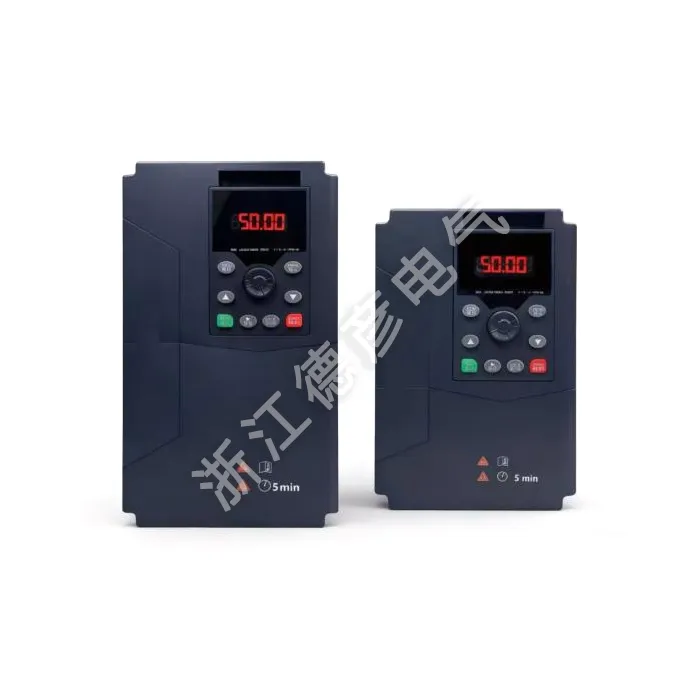
Many coil‑processing factories run into costly hidden troubles when matching winding and unwinding stations. Most buyers simply pick general‑purpose inverter drive off‑the‑shelf, assuming any variable‑frequency drive can handle reel‑to‑reel tasks. In real‑world production, things go wrong fast. As reel diameter changes from empty spool to full coil, tension drifts without warning. Material stretches, creases, snaps, or coils wind loose and disorderly. Operators keep tweaking parameters manually, yet cannot get consistent output. Frequent scrap material, repeated machine restarts, overtime work for maintenance staff all eat into factory profit margin. Worse still, regenerative energy from unwinding side gets wasted as heat, pushing up monthly electricity bills. Some sites even add extra external tension controllers or PLC modules, raising overall project cost and creating more points of potential failure.
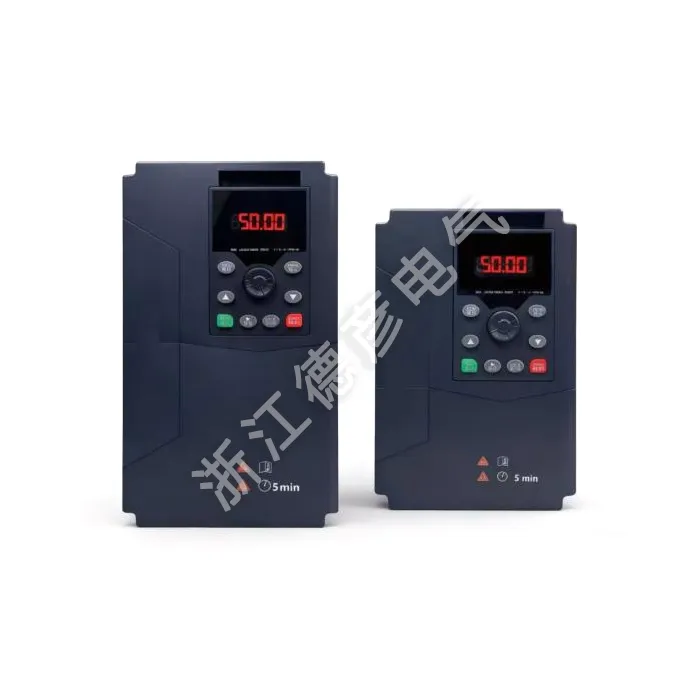
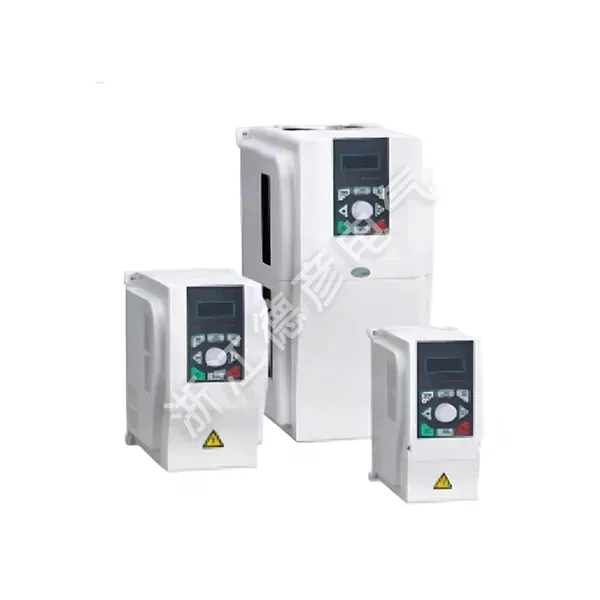
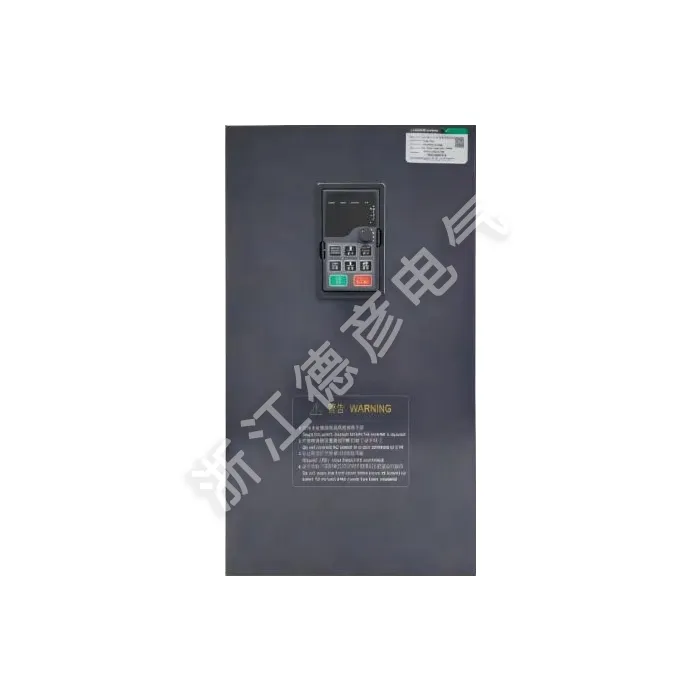
Inverter Drive for Winding and Unwinding Systems is developed specifically for reel‑to‑reel production requirements. Instead of relying on external auxiliary hardware, core winding‑unwinding logic is embedded inside the drive. It addresses day‑to‑day pain points faced by production supervisors, field electricians and project integrators. Whether you carry out old‑line retrofit or build brand‑new automated coil‑processing lines, this drive cuts extra hardware investment, lowers debugging workload and stabilizes coil quality across continuous shift‑based manufacturing.
Real‑World Production Pain Points This Drive Directly Resolves
We collected feedback from dozens of overseas processing plants running winding‑unwinding stations. These recurring headaches are exactly what most users want solved:
● Tension drifting while reel diameter changes: Generic drives keep fixed torque setting. When spool builds up material layer‑by‑layer, tension grows too tight or too loose, causing material fracture, wrinkling or messy winding.
● Extra hardware cost for tension control: Common solution is adding separate tension controller plus PLC. More components mean more wiring work, higher failure risk and longer commissioning cycle.
● Wasted regenerative power from unwinding motor: Unwinding side generates large regenerative energy during deceleration. Standard drives dump this energy via braking resistors as heat, wasting power and raising cabinet temperature.
● Hard debugging for on‑site technicians: Without pre‑optimized winding‑unwinding parameter groups, electricians spend multiple days tuning inertia compensation, torque gain and speed loop manually.
● Poor stability under grid fluctuation: Many industrial zones have unstable power supply. Voltage dip triggers sudden stop, leaving partial defective coils and wasting raw material.
● Bad coil consistency between batches: Tension deviation shifts from one production batch to another, finished coils show uneven tightness, bringing complaints from downstream customers.
Core Capabilities Built For Winding‑Unwinding Working Conditions
Every functional module of Inverter Drive for Winding and Unwinding Systems is oriented toward reel‑to‑reel operation, no redundant general‑purpose features that add cost without practical value.
Auto Roll‑Diameter Tracking Without External Controller
The drive executes real‑time roll‑diameter calculation internally. It keeps tracking spool diameter variation during material take‑up, dynamically adjusts output torque and output speed accordingly. Operators no longer need to input diameter value manually. From empty spool all the way to fully‑wound coil, material tension stays within stable range. This function works both for open‑loop retrofit projects and high‑precision closed‑loop setups with encoder fitted.
Open‑Loop & Closed‑Loop Dual‑Mode Tension Handling
For old‑equipment renovation projects where customers cannot install encoders, open‑loop tension mode delivers acceptable stable performance with zero mechanical modification. For high‑end requirements such as thin‑foil, ultra‑fine metal wire, closed‑loop mode with encoder feedback achieves much tighter tension accuracy. Plant can switch operation mode according to material grade and quality requirement, instead of replacing whole drive hardware.
DC Bus Sharing For Energy Recycling
When winding station and unwinding station use this series drive, DC bus sharing connection can be implemented. Regenerative energy produced by unwinding motor will feed back to shared DC bus and get consumed by winding motor, rather than burning out on braking resistor. This reduces heat generation inside control cabinet and brings tangible power saving for long‑time continuous‑running production lines.
Inertia Compensation & Anti‑jitter Tuning
Reel‑to‑reel equipment faces big inertia difference between empty spool and heavy full coil. Poor inertia compensation will trigger material jitter at start‑up or speed‑changing moment. Pre‑loaded inertia compensation algorithm handles variable reel inertia automatically. Material stays smooth during acceleration, deceleration and speed jump, effectively avoiding crease and stretch damage on thin‑grade raw material.
Grid‑Friendly Operation For Unstable Industrial Power
Wide‑range input voltage tolerance copes with industrial‑site voltage swing. Momentary power loss ride‑through function maintains drive running under short‑time power dip. It prevents sudden machine halt which often creates half‑finished waste coils. Multi‑layer hardware‑software protection protects drive unit against load shock common in winding‑unwinding cycles.
Technical Specification Table Of Inverter Drive for Winding and Unwinding Systems
Below specifications cover mainstream power grades for reel‑to‑reel process. Custom voltage and special power ratings are available upon request.
|
Item
|
Parameter Value
|
|
Rated Power Range
|
0.75kW ~ 400kW
|
|
Rated Input Voltage
|
220V single‑phase / 380V three‑phase, ±15% tolerance
|
|
Max Output Frequency
|
0‑500Hz
|
|
Overload Capacity
|
150% rated current for 1 minute
|
|
Tension Control Mode
|
Open‑loop tension / Closed‑loop tension
|
|
Supported Encoder Type
|
ABZ incremental, UVW incremental, resolver
|
|
Communication Interface
|
RS485 Modbus
|
|
Built‑in Winding‑Unwinding Functions
|
Auto roll‑diameter calculation, inertia compensation, DC bus sharing, tension limit protection
|
|
Protection Items
|
Over‑voltage, under‑voltage, over‑current, overload, over‑heat, phase loss, tension over‑limit alarm
|
|
Ambient Working Temperature
|
-10℃ ~ +50℃, indoor industrial cabinet installation
|
Note: All parameters subject to official product manual. Special‑condition customized versions can be offered for high‑altitude, heavy‑dust workshop environment.
Side‑by‑Side Comparison: Dedicated Winding‑Unwinding Inverter Drive VS General‑Purpose Inverter
Professional Inverter Drive for Winding and Unwinding Systems outperforms ordinary universal drives in every core indicator for reel processing scenarios. This comparison focuses on real‑site operation index rather than abstract marketing parameters, helping integrators and factory buyers judge which solution fits their project.
|
Comparison Dimension
|
General‑Purpose Industrial Inverter
|
Inverter Drive for Winding and Unwinding Systems
|
|
Treatment Of Variable Reel Diameter
|
No native roll‑diameter algorithm. Must rely on external PLC or separate tension controller to compensate diameter change. System structure becomes complicated.
|
Auto roll‑diameter calculation built‑in. No extra controller required. Torque output adjusts dynamically following reel diameter change.
|
|
Inertia Adaptation
|
No dedicated inertia compensation for reel‑to‑reel. Manual gain tuning is required. Material jitter easily occurs at start‑up and speed variation.
|
Optimized inertia compensation for spool weight change. Smooth speed transition from light empty spool to heavy full coil.
|
|
DC Bus Energy Reuse
|
Only basic braking function. Regenerative energy consumed by braking resistor, high cabinet temperature and power waste.
|
Support DC bus sharing between winding‑unwinding drives. Recycle regenerative power, cut power consumption and reduce cabinet heat.
|
|
System Hardware Cost
|
Low drive unit price, but need add‑on tension controller / PLC module. Total project cost rises with more wiring and components.
|
All core functions inside drive. Less peripheral hardware, simplify cabinet layout, lower overall system investment.
|
|
Commissioning Workload
|
No preset winding‑unwinding parameter template. Technicians spend long time debugging loop gain, inertia and torque parameters.
|
Pre‑loaded typical reel‑to‑reel parameter sets. On‑site staff finish basic setup, short commissioning period for new lines and retrofits.
|
|
Response To Grid Instability
|
Narrow voltage tolerance. Voltage fluctuation easily triggers alarm shutdown, generating waste coils.
|
Wide‑voltage input plus momentary power loss non‑stop function. Adapt to unstable power supply in many industrial zones.
|
|
Failure Risk Points
|
Many external control components, more wiring terminals. Higher probability of signal‑related faults.
|
Simplified control architecture. Less external hardware, fewer fault sources, easier daily maintenance for workshop electricians.
|
|
Finished Coil Quality Consistency
|
Tension deviation obvious across empty‑to‑full reel. Coil tightness inconsistent, material breakage and wrinkling happen frequently.
|
Stable tension output throughout whole winding cycle. Coil winding neatness improved, reduce scrap rate of raw material.
|
Typical Working Conditions That Benefit Most From This Drive
Engineered exclusively for reel‑to‑reel industrial processing, Inverter Drive for Winding and Unwinding Systems solves long‑standing pain points in continuous winding and unwinding production. It works well both for new‑built automated lines and for legacy‑equipment upgrade projects:
1. Metal wire winding‑unwinding stations: Copper wire, aluminum wire, steel wire take‑up and pay‑off matched with wire‑drawing machine, avoid wire snapping and disorder‑arranged coils.
2. Metal foil & thin strip processing: Thin‑material production where tension overshoot will directly cause crease and permanent deformation of raw material.
3. Plastic filament & synthetic fiber winding line: Plastic monofilament, textile fiber reel‑processing, prevent stretching deformation of soft material.
4. Cable manufacturing pay‑off & take‑up: Cable stranding, cabling equipment, keep stable tension during cable reel switching.
5. Old‑machine retrofit projects: Replace aged drives on existing winding‑unwinding equipment, no large‑scale mechanical modification required, improve performance with limited renovation budget.
On‑Site Deployment & Practical Support For Global Buyers
Many overseas integrators and factory clients care not only about hardware index, but also whether they can get practical support after goods arrive on‑site. Good hardware performance cannot deliver value if technicians cannot finish commissioning properly.
● Pre‑sale model selection consultation: Provide suggestion based on your reel weight, material thickness, line speed and motor parameters, avoid wrong‑model procurement.
● Sample‑order support: Users can place sample unit for field verification before bulk order, test winding‑unwinding performance under their own material condition.
● Export‑grade packaging: Shock‑proof inner foam plus export wooden case, prevent damage in long‑distance sea‑land transportation.
● Complete technical deliverables: Supply operation manual, parameter reference document for winding‑unwinding scenarios, help local electricians for daily adjustment and troubleshooting.
● Remote technical guidance: Engineers offer online support for parameter setting, abnormal alarm elimination, solve most common on‑site problems without on‑site visit.
FAQ
Q: Must I install encoder to run this drive on my pay‑off and take‑up station?
A: Encoder is not mandatory. Open‑loop tension mode can work without encoder, fit for low‑and‑medium‑precision retrofit. For thin foil or ultra‑fine material with strict quality requirement, adding encoder enables closed‑loop control for higher tension precision.
Q: Can multiple inverter drive units share one DC bus for winding‑unwinding group?
A: Yes. When you connect multiple drives by shared DC bus, regenerative energy generated from unwinding side can be reused by winding motor. You need follow our wiring guideline for DC bus connection to keep system safe and stable.
Q: My existing reels have big weight difference between empty spool and full coil. Does this drive handle huge inertia gap?
A: It comes with built‑in inertia compensation logic. After inputting basic spool‑related parameters, the drive adapts variable inertia automatically. It relieves jitter phenomenon during acceleration and deceleration phases.
Q: Is additional tension controller still needed after adopting this drive?
A: For most standard winding‑unwinding applications you do not need extra tension controller. Core tension and roll‑diameter functions are integrated inside the drive, simplifying whole control system.